
Rusty Water From Hot Water Heater
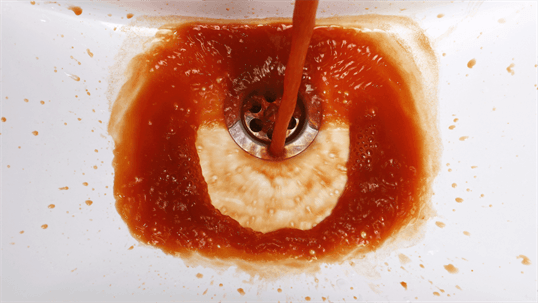
Frequently Asked Questions: Rusty Water From Your Hot Water Heater
Seeing rusty water coming from your hot water heater can be alarming. This FAQ aims to address the most common concerns and provide guidance on what to do next. We'll break down the causes, potential solutions, and preventive measures to help you maintain a healthy and efficient hot water system.
Question 1: Why is my hot water rusty, but my cold water is clear?
This is a very common question, and the answer usually points directly to the hot water heater itself. The fact that your cold water is clear indicates that the problem is likely isolated to the water heater's internal components. Here's why:
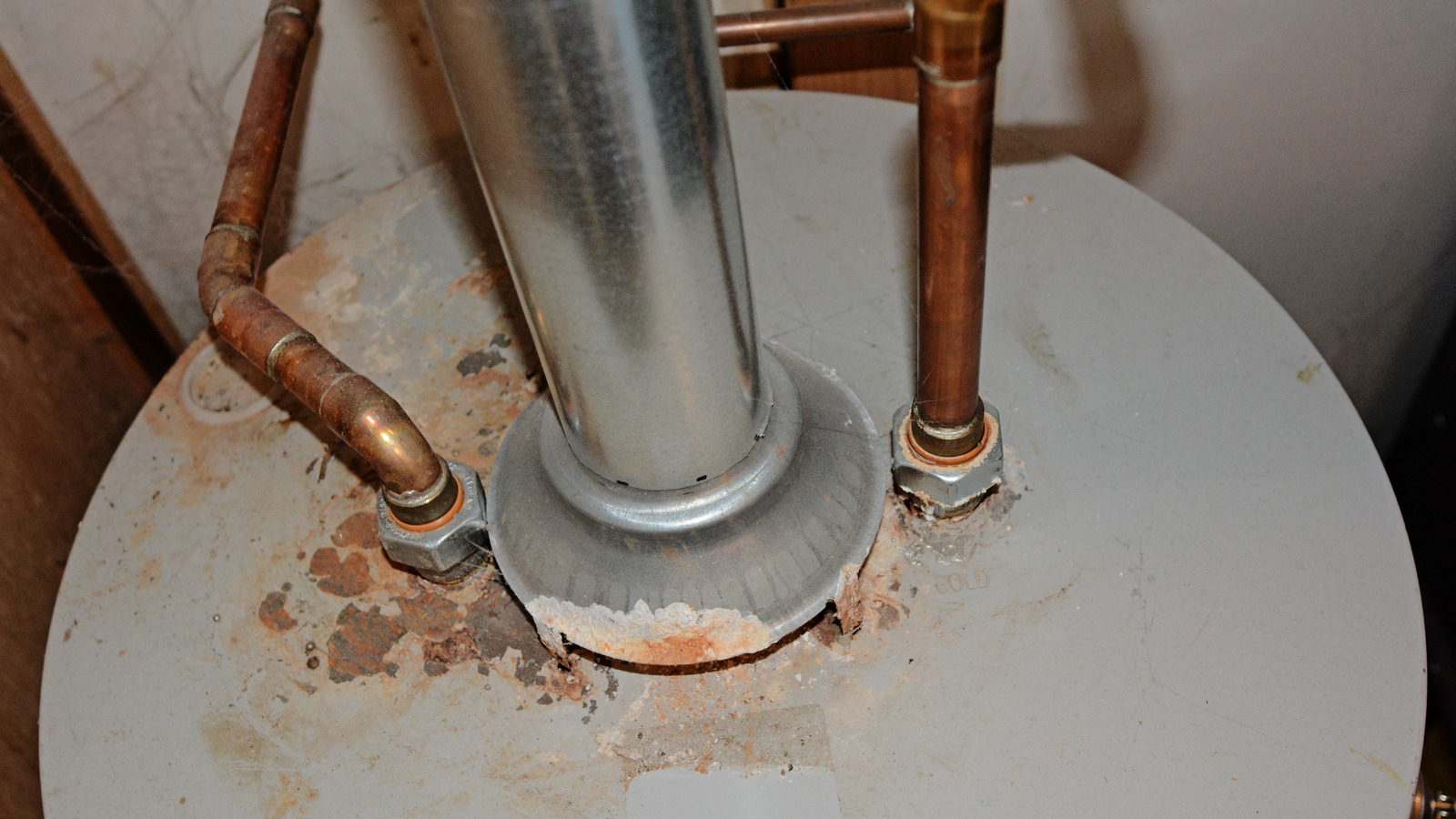
- Corrosion inside the tank: The most frequent culprit is corrosion within the steel tank of your water heater. Over time, the protective lining inside the tank can break down, exposing the steel to water. This leads to rusting, which then discolors the hot water.
- Rusting heating element: The heating elements themselves can rust, particularly if they are old or not properly maintained. As the water heats, it comes into contact with the rusted element, picking up the discoloration.
- Degrading anode rod: The anode rod is a sacrificial metal rod designed to corrode instead of the tank. When the rod is completely consumed, it can contribute to rust particles being released into the water. It's meant to prevent the tank itself from corroding, but when it's gone, it offers no more protection.
If the rusty water only appears when you use hot water, these internal issues are almost certainly the cause. Addressing these issues promptly is crucial to avoid further damage and potential leaks.
Question 2: Is rusty hot water dangerous to drink or use for bathing?
While rusty water isn't usually a major health hazard, it's generally not recommended to drink or use it extensively for bathing. Here's a breakdown of the concerns:
- Aesthetic concerns: Rusty water can stain clothes, fixtures, and hair. It can also have an unpleasant metallic taste and odor.
- Iron levels: While iron is a necessary nutrient, excessive iron intake can cause gastrointestinal issues in some individuals.
- Potential for other contaminants: The rust may be accompanied by other contaminants from the corroding tank, although this is less common.
- Risk of bacteria growth: In severe cases of corrosion, bacteria can grow within the tank, posing a more significant health risk, especially for individuals with compromised immune systems.
Important Note: If you have lead pipes or suspect lead contamination, rusty water can exacerbate the problem by dislodging lead particles. In such cases, it's essential to have your water tested and take appropriate measures to mitigate lead exposure.
In most situations, using rusty water for occasional washing (dishes, laundry) is unlikely to cause harm. However, it's best to avoid drinking it and to use it sparingly for bathing, especially for young children and individuals with sensitive skin.
Question 3: How can I determine if the problem is with my water heater or the pipes?
Distinguishing between water heater problems and pipe issues is essential for proper diagnosis and repair. Here's a simple test:
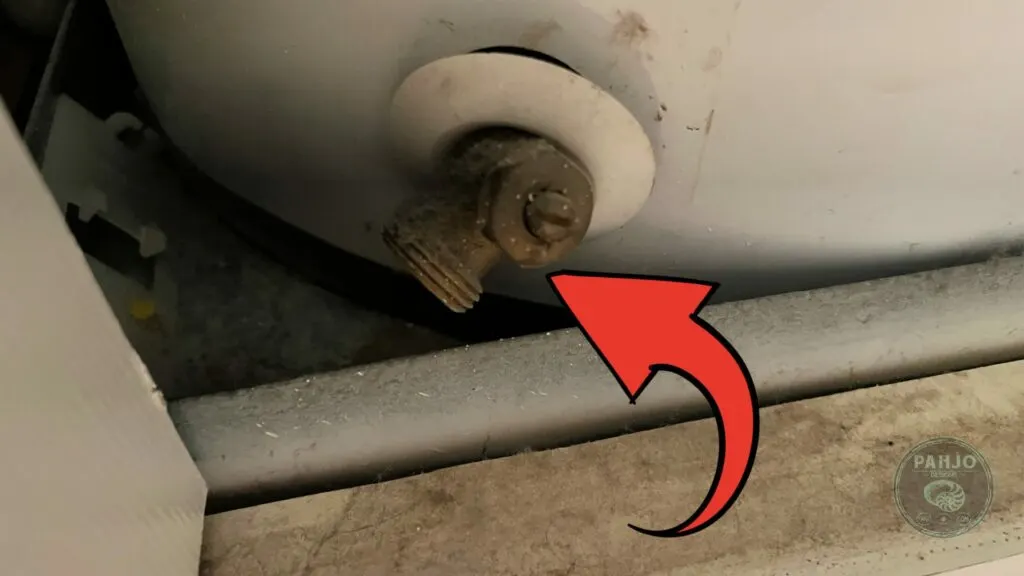
- Flush the hot water heater: Connect a hose to the drain valve at the bottom of your hot water heater and flush the tank until the water runs clear. If the water runs clear after flushing, the problem is likely contained within the tank. If the water remains rusty even after extensive flushing, the issue may extend to the hot water pipes.
- Check other hot water outlets: Turn on hot water faucets in different parts of your house. If the rusty water is only coming from one or two faucets, the problem is likely localized to the pipes leading to those fixtures. If all hot water outlets are producing rusty water, the source is more likely the water heater itself.
- Inspect the pipes (if accessible): Examine any exposed hot water pipes for signs of corrosion or rust. If you see rust on the outside of the pipes, it's a good indication that the inside is also corroded.
- Consider the age of your pipes: If your house has older galvanized steel pipes, they are more prone to rusting than newer copper or PEX pipes. If your pipes are old, the problem may be a combination of water heater issues and pipe corrosion.
If the rusty water persists after flushing the water heater and appears at multiple outlets, it's recommended to consult a plumber to inspect your pipes and determine the extent of the corrosion.
Question 4: What are the common causes of a hot water heater corroding?
Several factors can contribute to the corrosion of a hot water heater. Understanding these factors can help you take preventive measures to prolong the life of your unit:
- Age of the water heater: The average lifespan of a water heater is 8-12 years. As the unit ages, the protective lining inside the tank gradually deteriorates, making it more susceptible to corrosion.
- Water quality: Water with high levels of acidity or dissolved minerals can accelerate corrosion. Hard water, in particular, can lead to mineral buildup inside the tank, further compromising the lining.
- Anode rod depletion: As mentioned earlier, the anode rod is a sacrificial component that protects the tank from corrosion. If the anode rod is not replaced periodically, it will eventually be consumed, leaving the tank vulnerable to rusting.
- High water temperature: Setting your water heater temperature too high can increase the rate of corrosion. It's generally recommended to set the temperature to 120°F (49°C) to prevent scalding and minimize corrosion.
- Infrequent use: If you have a vacation home or use your hot water heater infrequently, the water can stagnate inside the tank, promoting corrosion. It's advisable to flush the tank periodically if it's not used regularly.
Regular maintenance, such as flushing the tank and replacing the anode rod, can significantly extend the lifespan of your hot water heater and prevent premature corrosion.
Question 5: Can I fix rusty water coming from my hot water heater myself, or do I need a professional?
The answer depends on the severity of the problem and your DIY skills. Here's a guide to help you decide:
- Flushing the tank: Flushing the water heater is a relatively simple task that most homeowners can do themselves. It involves connecting a hose to the drain valve and flushing out any sediment or rust particles that have accumulated in the tank.
- Replacing the anode rod: Replacing the anode rod is also a manageable DIY project for those with some plumbing experience. However, it requires some tools and knowledge of how to properly disconnect and reconnect the water lines.
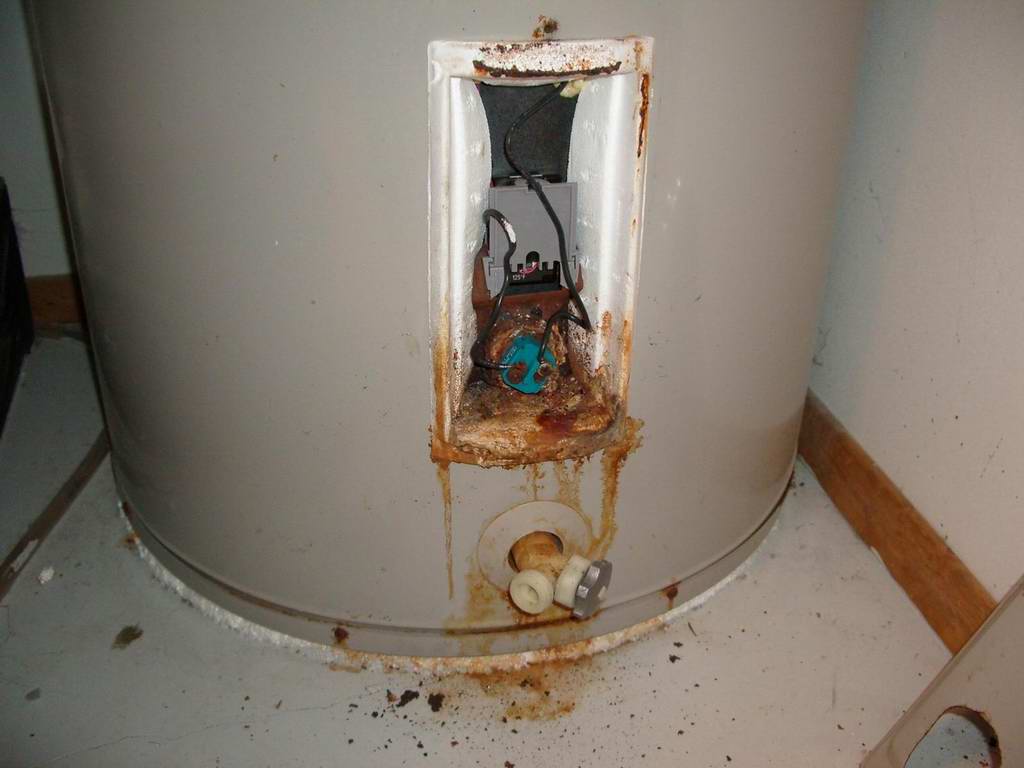
- Replacing the heating element: Replacing a heating element is a more complex task that requires electrical knowledge. If you're not comfortable working with electricity, it's best to leave this to a professional.
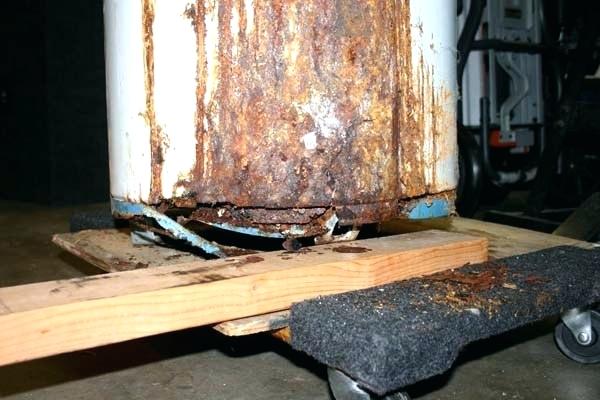
- Major tank corrosion: If the tank is severely corroded and leaking, the water heater will likely need to be replaced. This is a job best left to a licensed plumber.
When to call a professional:
- If you're not comfortable performing any of the above tasks.
- If the rusty water persists after flushing the tank and replacing the anode rod.
- If you suspect a leak in the tank or pipes.
- If you have any concerns about your plumbing or electrical systems.
Attempting to repair a hot water heater without proper knowledge or tools can be dangerous and may void your warranty. When in doubt, it's always best to consult a qualified plumber.
Question 6: How can I prevent my hot water heater from rusting in the future?
Preventing rust and corrosion in your hot water heater is crucial for maintaining its efficiency and extending its lifespan. Here are some key preventative measures:
- Regularly flush the tank: Flushing the tank at least once a year removes sediment and mineral buildup that can contribute to corrosion.
- Replace the anode rod: Check and replace the anode rod every 3-5 years, or more frequently if you have hard water. This sacrificial rod protects the tank from corroding.
- Control water temperature: Set your water heater temperature to 120°F (49°C) to prevent scalding and minimize corrosion.
- Install a water softener (if needed): If you have hard water, consider installing a water softener to reduce mineral buildup in the tank.
- Insulate the water heater: Insulating the water heater can help maintain a consistent temperature and reduce energy consumption, which can indirectly help prevent corrosion.
- Inspect regularly: Periodically inspect the water heater for signs of leaks, rust, or corrosion. Early detection can prevent more serious problems down the road.
- Consider a tankless water heater: If you're replacing your water heater, consider a tankless model. Tankless water heaters don't store water, which eliminates the risk of tank corrosion.
By following these preventive measures, you can significantly reduce the risk of rust and corrosion and extend the life of your hot water heater. Proper maintenance is an investment that will save you money in the long run.
Question 7: What are some signs that my hot water heater is failing and needs to be replaced?
Recognizing the signs of a failing hot water heater can help you avoid unexpected breakdowns and costly repairs. Here are some telltale signs to watch out for:
- Rusty water: As discussed earlier, rusty water is a common sign of tank corrosion, which can eventually lead to leaks.
- Leaks around the tank: Leaks are a clear indication that the tank is compromised and needs to be replaced. Check for leaks around the base of the tank, the connections, and the pressure relief valve.
- Strange noises: Banging, rumbling, or whistling noises can indicate sediment buildup inside the tank or a malfunctioning heating element.
- Inconsistent water temperature: If your hot water is fluctuating or running out quickly, it could be a sign of a failing heating element or a damaged thermostat.
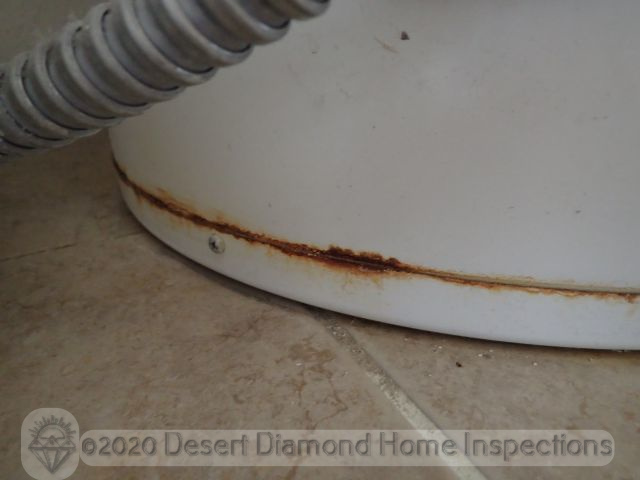
- Visible rust or corrosion: Check the exterior of the tank for signs of rust or corrosion. If you see rust on the outside, it's likely that the inside is also corroded.
- Age of the unit: If your water heater is more than 10-12 years old, it's nearing the end of its lifespan and may need to be replaced soon.
- Increased energy bills: A failing water heater may be less efficient and require more energy to heat water, leading to higher energy bills.
If you notice any of these signs, it's important to have your water heater inspected by a qualified plumber. They can assess the condition of the unit and recommend the best course of action, whether it's repair or replacement.



.jpg)