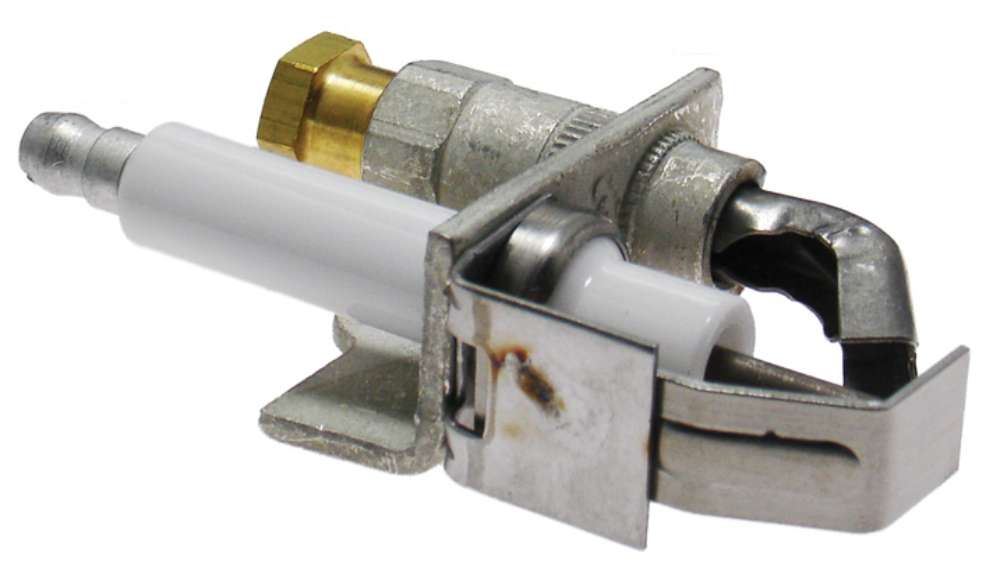
Ruud Gas Furnace Parts

Ruud gas furnaces are a popular choice for homeowners, HVAC technicians, and property managers due to their reliability and diverse range of models. Understanding the key components within these furnaces is crucial for ensuring optimal performance, efficient troubleshooting, and informed decision-making regarding repairs or replacements.
Essential Ruud Gas Furnace Parts: A Comprehensive Overview
A gas furnace, at its core, is a relatively simple system. It burns natural gas or propane to generate heat, which is then distributed throughout a building via a network of ducts. The following components are essential to this process within a Ruud gas furnace:
Burners
The burners are where the combustion process begins. They are responsible for mixing gas and air in the correct proportions and igniting the mixture to create a controlled flame. Ruud furnaces typically utilize inshot burners, which are known for their efficient combustion and quiet operation. Over time, burners can become clogged with debris or corroded, leading to incomplete combustion, reduced efficiency, and potential safety hazards like carbon monoxide leaks. Regular inspection and cleaning are vital. A faulty burner might manifest as a yellow or flickering flame instead of a steady blue one, a clear sign for concern.
Gas Valve
The gas valve controls the flow of natural gas or propane to the burners. It's an electronically controlled valve that opens and closes based on signals from the furnace's control board. A malfunctioning gas valve can cause a furnace to either not turn on at all or to operate erratically. Gas valves are safety-critical components, and any issues should be addressed immediately by a qualified HVAC technician. Common problems include solenoid failure and gas leaks.
Heat Exchanger
The heat exchanger is arguably the most critical component in a gas furnace. It's a series of metal chambers (typically made of aluminized steel or stainless steel in higher-efficiency models) that heat up from the combustion process. Air from the blower motor passes over the exterior of the heat exchanger, absorbing the heat and delivering it to the ductwork. A cracked heat exchanger is a serious safety hazard, as it can allow deadly carbon monoxide to leak into the living space. Regular inspection for cracks, corrosion, and soot buildup is paramount. If you suspect a cracked heat exchanger, immediately shut off the furnace and contact a qualified HVAC professional.
Blower Motor
The blower motor is responsible for circulating air through the furnace and ductwork. It pulls air from the return ducts, forces it across the heat exchanger to be warmed, and then pushes the heated air into the supply ducts. Blower motors can be single-speed, multi-speed, or variable-speed. Variable-speed motors are the most efficient, as they can adjust their speed to match the heating demand. Blower motors can fail due to worn-out bearings, electrical issues, or overheating. Signs of blower motor failure include a noisy motor, reduced airflow, or the furnace shutting down prematurely. Replacing a blower motor can range from $300 to $800, depending on the type of motor.
Ignition System
The ignition system is what initially lights the gas burners. Ruud furnaces commonly use two types of ignition systems: direct spark ignition (DSI) and hot surface ignition (HSI). DSI systems use an electrical spark to ignite the gas, while HSI systems use a small, electrically heated element to ignite the gas. HSI systems are generally more reliable and energy-efficient. A failing ignition system will prevent the furnace from starting. Common problems include a faulty igniter, a dirty flame sensor, or a problem with the control board. Cleaning or replacing a flame sensor is a relatively inexpensive fix, while replacing an ignition control module can be more costly.
Flame Sensor
The flame sensor is a safety device that detects the presence of a flame. If the flame sensor doesn't detect a flame, it signals the control board to shut off the gas valve, preventing unburned gas from accumulating. A dirty or faulty flame sensor is a common cause of furnace malfunctions. It can be easily cleaned with steel wool or replaced for a relatively low cost. A common symptom of a dirty flame sensor is the furnace igniting and then shutting down after a few seconds.
Control Board
The control board is the brain of the furnace. It's an electronic circuit board that controls all the functions of the furnace, including the ignition sequence, the blower motor speed, and the operation of the gas valve. The control board receives signals from various sensors and thermostats and uses this information to regulate the furnace's operation. Control boards can fail due to power surges, overheating, or component failure. Replacing a control board can be a more expensive repair, typically ranging from $200 to $600.
Transformer
The transformer steps down the voltage from the household electrical supply (typically 120 volts) to a lower voltage (typically 24 volts) that is used to power the control board and other components. A faulty transformer can cause the furnace to not turn on or to operate erratically. A multimeter can be used to test the transformer's output voltage.
Thermostat
While technically not part of the furnace itself, the thermostat is a crucial component of the heating system. It senses the temperature of the air and sends signals to the furnace to turn on or off to maintain the desired temperature. Thermostats can be mechanical or electronic, and programmable thermostats offer greater control and energy savings. A malfunctioning thermostat can cause the furnace to short cycle (turn on and off frequently) or to not turn on at all. Smart thermostats offer advanced features such as remote control and energy monitoring.
Filters
The filter is responsible for removing dust, pollen, and other particles from the air before it enters the furnace. A dirty filter restricts airflow, which can reduce the furnace's efficiency, cause it to overheat, and even damage the blower motor. Filters should be replaced regularly, typically every 1-3 months, depending on the type of filter and the air quality. Upgrading to a higher-MERV filter can improve air quality but may also restrict airflow, so it's important to choose the right filter for your furnace. Clogged filters are a very common cause of heating problems.
Safety Controls
Ruud furnaces incorporate several safety controls to protect against potential hazards. These include:
- Limit switch: This switch shuts off the furnace if it overheats.
- Flame rollout switch: This switch shuts off the gas if the flame rolls out of the combustion chamber.
- Pressure switch: This switch ensures that the blower motor is operating correctly before the gas valve opens.
Troubleshooting Common Ruud Gas Furnace Problems
Many furnace problems can be traced back to a specific component failure. Here are some common issues and potential causes:
- Furnace won't turn on: Check the thermostat settings, the circuit breaker, the gas valve, the ignition system, and the control board.
- Furnace short cycles: Check the filter, the limit switch, and the thermostat settings.
- Furnace makes strange noises: Listen for noises coming from the blower motor, the burners, or the ductwork. This can indicate worn bearings, a loose component, or a problem with the airflow.
- No heat: Check the gas valve, the ignition system, the flame sensor, and the heat exchanger.
- Carbon monoxide alarm goes off: Immediately evacuate the building and call the fire department or a qualified HVAC technician. This could indicate a cracked heat exchanger or a problem with the venting system.
Maintaining Your Ruud Gas Furnace for Optimal Performance
Regular maintenance is key to extending the lifespan of your Ruud gas furnace and ensuring its efficient operation. Here are some essential maintenance tasks:
- Replace the air filter regularly: As mentioned earlier, a clean filter is essential for maintaining proper airflow.
- Schedule annual professional maintenance: A qualified HVAC technician can inspect and clean the furnace, check for gas leaks, test the safety controls, and identify any potential problems before they become major issues.
- Keep the area around the furnace clear: Ensure that there is adequate space around the furnace for proper airflow and access for maintenance.
- Inspect the flue pipe: Make sure the flue pipe is properly connected and free of obstructions.
Choosing the Right Ruud Gas Furnace: Considerations for Homeowners
When selecting a new Ruud gas furnace, consider the following factors:
- AFUE (Annual Fuel Utilization Efficiency): This rating indicates the furnace's efficiency in converting fuel into heat. Higher AFUE ratings mean lower energy bills. Ruud offers furnaces with AFUE ratings ranging from 80% to 98%. A higher AFUE furnace typically has a higher upfront cost but can save you money in the long run. For example, upgrading from an 80% AFUE furnace to a 95% AFUE furnace could save you up to 15% on your heating bills.
- BTU (British Thermal Units): This rating indicates the furnace's heating capacity. Choose a furnace with a BTU rating that is appropriate for the size of your home and your climate. An undersized furnace will struggle to heat your home, while an oversized furnace will short cycle and waste energy. A professional HVAC technician can perform a load calculation to determine the appropriate BTU rating for your home.
- Features: Consider features such as variable-speed blower motors, modulating gas valves, and smart thermostats, which can improve comfort and energy efficiency.
- Warranty: Ruud offers a variety of warranties on its gas furnaces. Be sure to read the warranty carefully to understand what is covered. Typically, Ruud offers a 10-year parts warranty and a limited lifetime warranty on the heat exchanger.
By understanding the essential components of a Ruud gas furnace, homeowners, HVAC technicians, and property managers can ensure the system operates efficiently, reliably, and safely. Regular maintenance and prompt attention to any issues are crucial for maximizing the lifespan of the furnace and minimizing energy costs.
Regular maintenance and prompt attention to any issues are crucial for maximizing the lifespan of the furnace and minimizing energy costs.