Ruud Model Number Identification

Decoding Your Ruud: A Homeowner's Guide to Model Number Identification
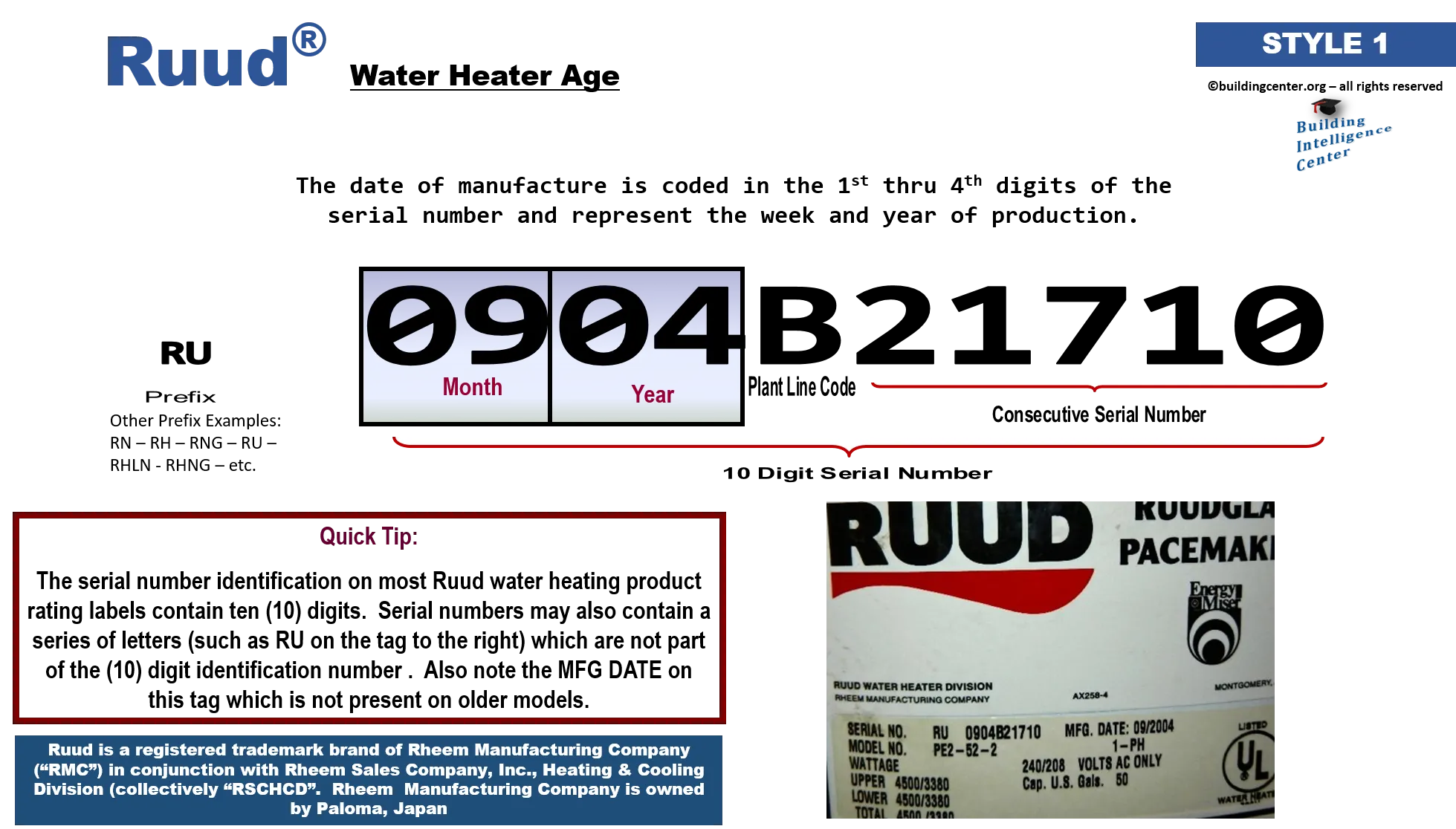
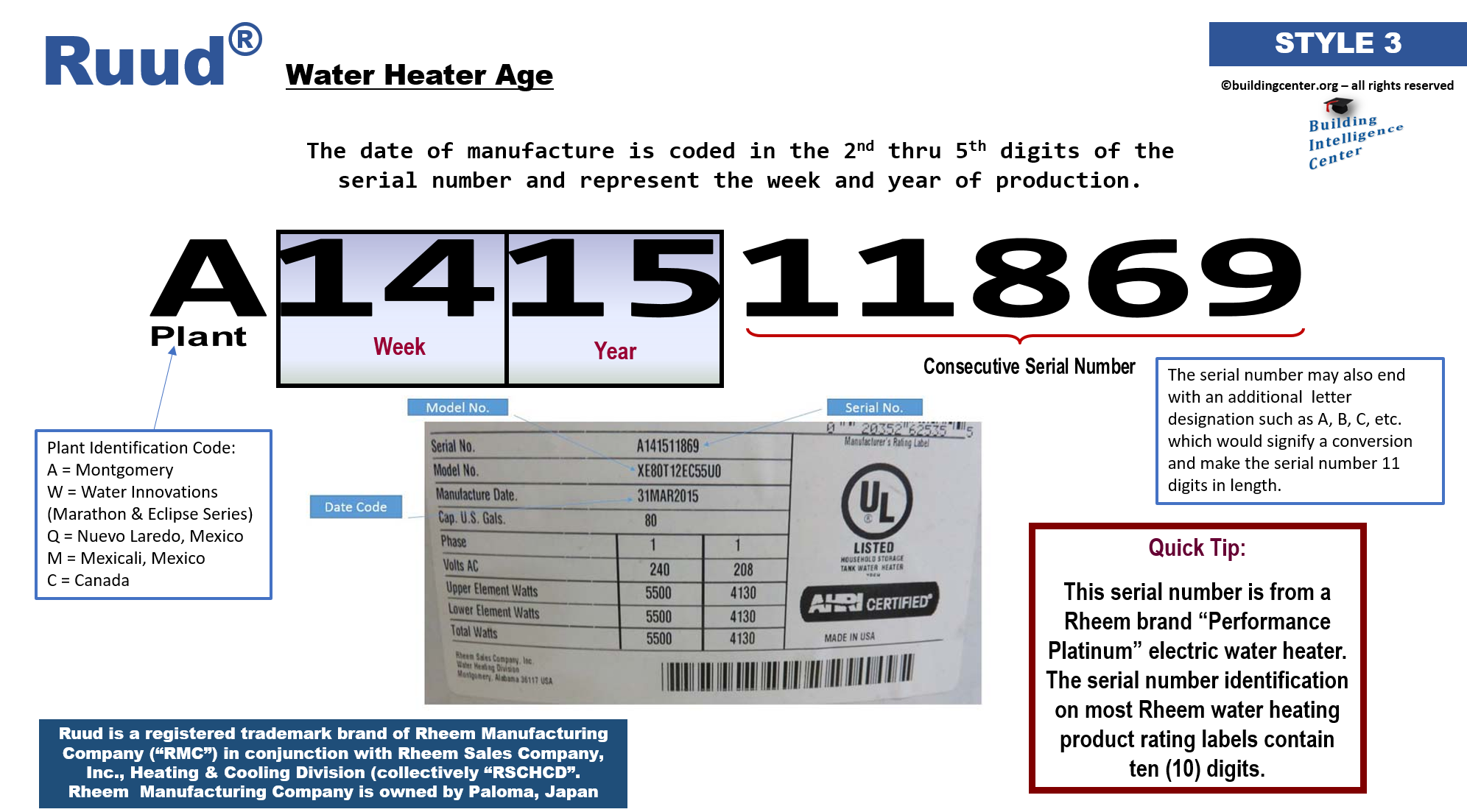
Understanding your Ruud HVAC system starts with its model number. This seemingly random string of letters and numbers unlocks a wealth of information, from its age and capacity to its efficiency and compatibility with replacement parts. This guide will walk you through locating and deciphering your Ruud model number, empowering you to troubleshoot minor issues, order the correct parts, and communicate effectively with HVAC professionals.
Why is the Model Number Important?
The model number is your key to:
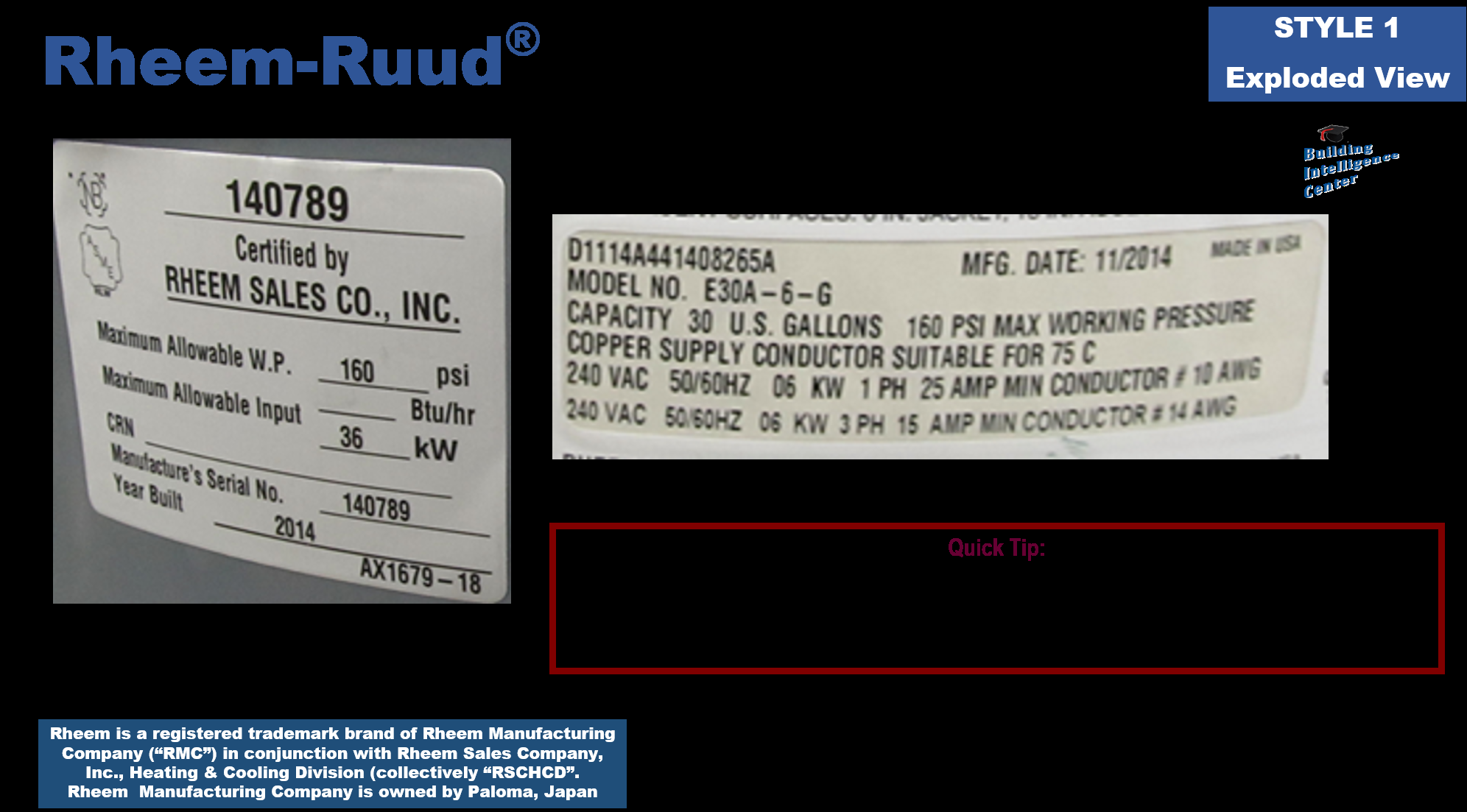
- Determining the unit's age: Crucial for assessing its remaining lifespan and potential efficiency issues.
- Ordering the correct replacement parts: Avoid costly mistakes by ensuring compatibility.
- Troubleshooting common problems: Access specific troubleshooting guides and technical documents.
- Getting accurate repair cost estimates: HVAC technicians need the model number to provide accurate quotes.
- Verifying warranty coverage: Determine if your unit is still under warranty.
Where to Find the Model Number
Ruud strategically places model number tags on their equipment. Here's where to look:
For Air Conditioners (Outdoor Unit):
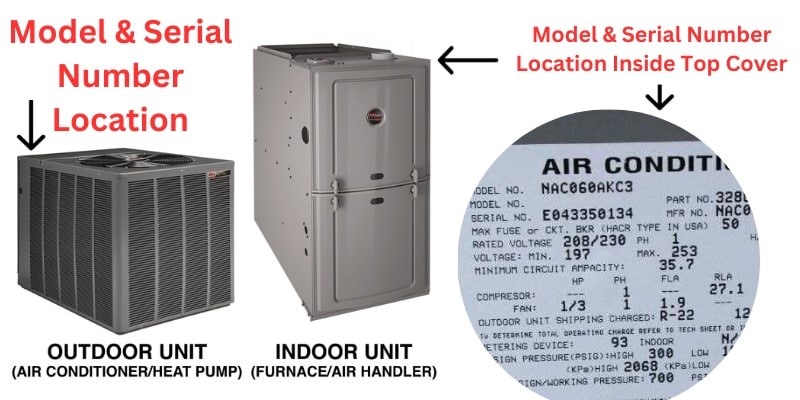
The model number is typically located on a metal nameplate attached to the side of the outdoor condenser unit. Look for a sticker or plate, often silver or white, usually near the service panel. Common locations include the back panel, the side panel, or beneath the top fan grille.
For Furnaces (Indoor Unit):
For furnaces, the nameplate is usually inside the cabinet, often on the inside of the access panel or on the side wall. You may need a screwdriver to carefully remove the access panel. Always turn off the power to the furnace at the breaker before opening any panels.
For Heat Pumps (Indoor and Outdoor Units):
Heat pumps have both indoor and outdoor units, each with its own model number. Follow the same location guidelines as air conditioners and furnaces to find the respective nameplates.
For Air Handlers (Indoor Unit):
Air handlers are typically located in an attic, closet, or basement. The nameplate is usually visible on the exterior of the unit. Look for it on the side or front panel.
Decoding the Ruud Model Number
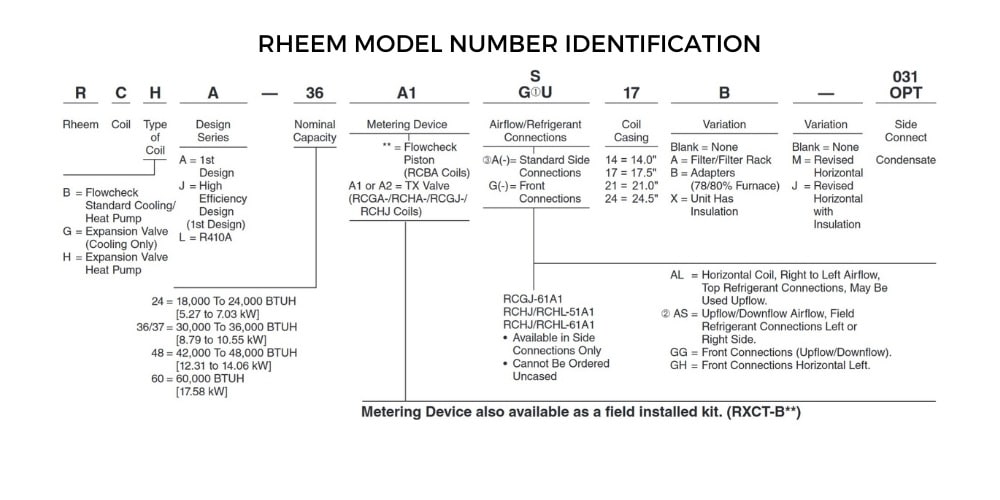
While the specific format can vary slightly depending on the age and type of equipment, here's a general breakdown of what the different parts of a Ruud model number usually signify:
Example: RAKA-036AJ1NA
- First 3-4 Characters (e.g., RAKA): This often identifies the product series or type of equipment (e.g., air conditioner, heat pump). Different letters can indicate different efficiency levels or features.
- Next 2-3 Digits (e.g., 036): This usually represents the cooling or heating capacity in thousands of BTUs (British Thermal Units). In this case, 036 indicates 36,000 BTUs, or 3 tons. To get the tonnage divide this number by 12.
- Letters Following Capacity (e.g., AJ): These letters often indicate the design series or specific features within the product line.
- Additional Numbers/Letters (e.g., 1NA): These can further specify voltage, phase, or other electrical characteristics. It can also refer to the manufacturing plant.
Important Note: The exact meaning of each character can vary. Refer to the Ruud documentation or contact a professional for precise interpretation.
Tools You Might Need
- Screwdriver (Phillips and flathead)
- Flashlight
- Camera or phone to take a picture of the model number
- Pencil and paper to write down the model number
Common Ruud Issues and Troubleshooting (DIY-Friendly)
Before diving into repairs, always prioritize safety. Turn off the power to the unit at the breaker box before performing any troubleshooting. If you are not comfortable working with electrical components, call a qualified HVAC technician.
Air Conditioner/Heat Pump Issues:
- Unit not turning on: Check the breaker, thermostat settings, and emergency shut-off switch.
- Weak airflow: Clean or replace the air filter. Ensure the outdoor unit is free of debris.
- Unit running constantly: Check thermostat settings and ensure vents are not blocked.
- Ice buildup on the outdoor unit: This could indicate a refrigerant leak or airflow problem. Turn off the unit and call a professional.
Furnace Issues:
- Furnace not turning on: Check the breaker, thermostat settings, and gas supply.
- Pilot light won't stay lit (older models): Clean the pilot assembly and thermocouple.
- Strange noises: Could indicate a problem with the blower motor or other components.
- Burning smell: Could indicate a clogged filter or a more serious problem. Turn off the furnace and call a professional.
When to Call a Professional
While some basic troubleshooting can be done yourself, certain repairs require the expertise of a qualified HVAC technician. Call a professional if:
- You are uncomfortable working with electrical components or gas lines.
- You suspect a refrigerant leak.
- The unit requires repairs beyond basic cleaning and filter replacement.
- You are unsure about the cause of the problem.
- You are dealing with a complex issue that requires specialized tools or knowledge.
- The unit is still under warranty.
Estimating Repair Costs
Repair costs can vary widely depending on the type of repair, the parts required, and the labor rates in your area. Having the Ruud model number readily available allows HVAC technicians to provide more accurate estimates. Here are some general guidelines:
- Minor repairs (e.g., replacing a capacitor, cleaning a blower motor): $150 - $500
- Major repairs (e.g., replacing a compressor, heat exchanger): $500 - $2,000+
- Refrigerant recharge: $200 - $500+ (depending on the amount of refrigerant needed)
Pro Tip: Get multiple quotes from different HVAC companies to ensure you are getting a fair price.
Finding Replacement Parts
Once you have the Ruud model number, you can start searching for replacement parts. Here are some resources:
- Local HVAC supply stores: These stores often carry a wide range of Ruud parts.
- Online retailers: Many online retailers specialize in HVAC parts. Be sure to verify the part's compatibility with your specific model number.
- Ruud's website: The Ruud website may offer parts diagrams and information.
Understanding SEER and HSPF Ratings
If you're considering replacing your old HVAC system, understanding SEER (Seasonal Energy Efficiency Ratio) and HSPF (Heating Season Performance Factor) ratings is crucial. These ratings indicate the energy efficiency of air conditioners and heat pumps, respectively. Higher ratings mean greater energy savings.
- SEER (for air conditioners and heat pumps): Measures cooling efficiency. Current minimum standard is 14 SEER in many regions.
- HSPF (for heat pumps): Measures heating efficiency. Current minimum standard is 8.2 HSPF.
Safety First!
Working with HVAC systems can be dangerous. Always remember these safety tips:
- Turn off the power to the unit before performing any maintenance or repairs.
- Wear safety glasses and gloves.
- Do not attempt repairs beyond your skill level.
- Be careful when working with refrigerant. It can cause frostbite.
- If you smell gas, evacuate the area immediately and call the gas company.
Conclusion
By understanding your Ruud model number, you can take a more active role in maintaining and troubleshooting your HVAC system. Remember to prioritize safety and call a professional when needed. With a little knowledge and effort, you can keep your Ruud system running efficiently for years to come.