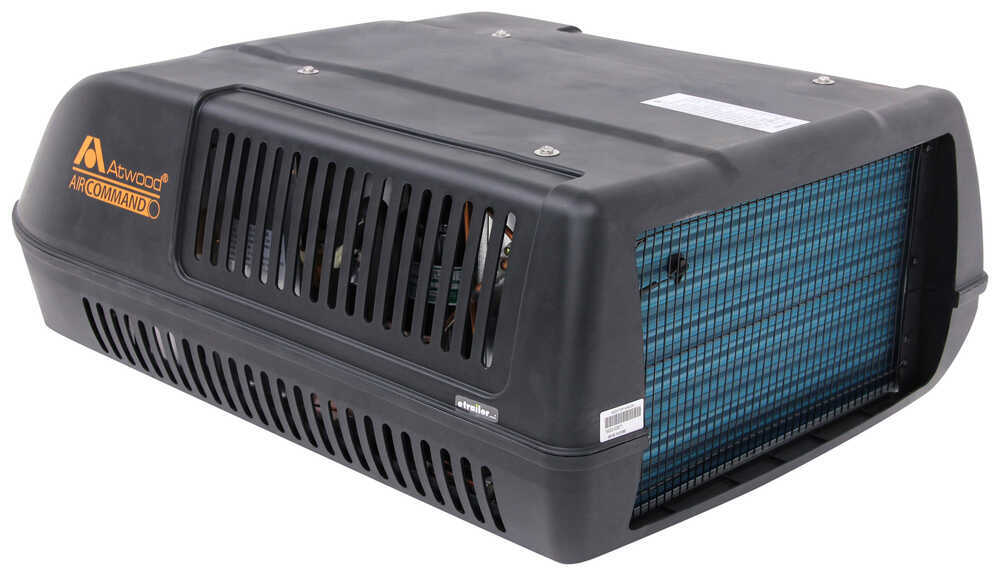
Rv Air Conditioner And Heater Combo

RV Air Conditioner and Heater Combo Units: A Comprehensive Guide for HVAC Professionals
The recreational vehicle (RV) market is booming, and with it, the demand for skilled HVAC technicians specializing in RV climate control systems. RV air conditioner and heater combo units offer convenient all-in-one solutions for maintaining comfortable temperatures in these mobile homes. This article provides an in-depth look at these systems, their maintenance, repair, and the career opportunities they present for HVAC professionals.
Understanding RV AC and Heater Combo Systems
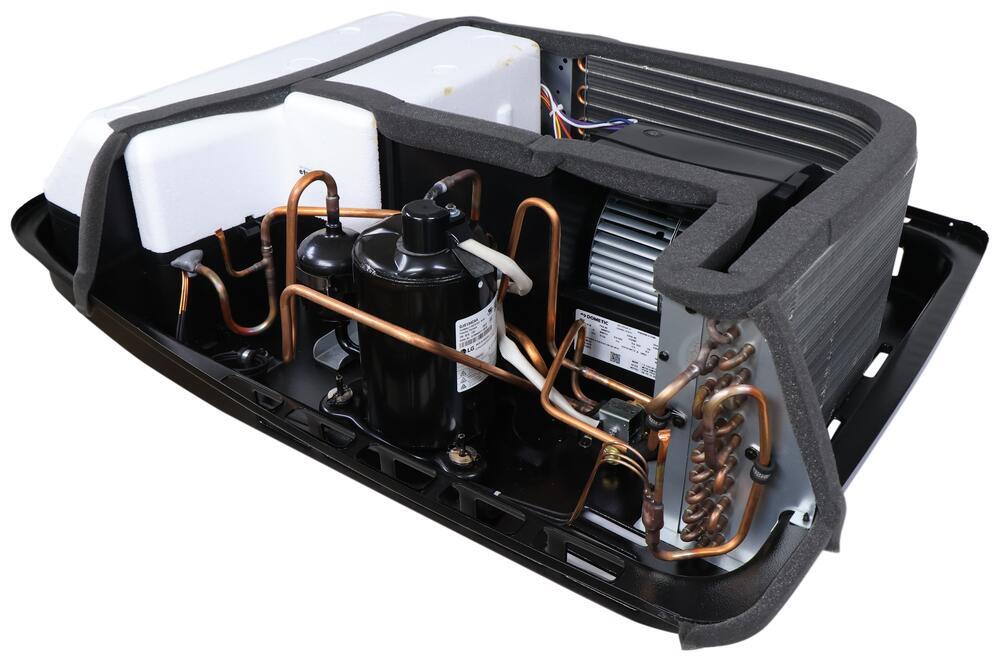
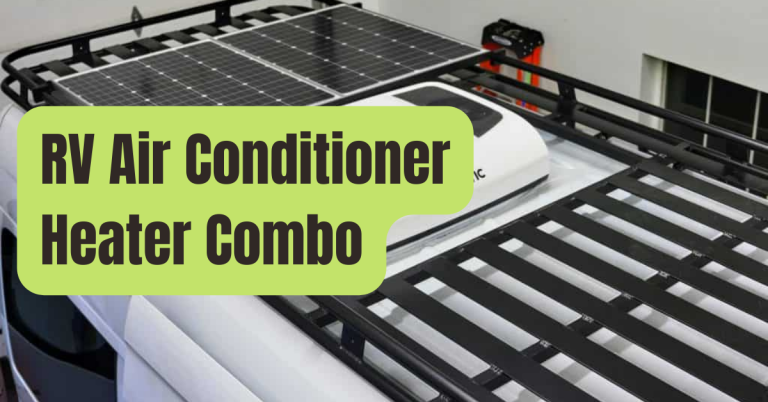
RV air conditioner and heater combo units are designed to be compact and efficient, typically roof-mounted to save space. These systems function as both air conditioners, cooling the RV interior during hot weather, and heaters, providing warmth in colder climates. They generally operate on electricity when the RV is connected to shore power and use propane or electric heat strips for heating. A typical RV air conditioner uses a 110-120V AC power supply, while heaters vary depending on the system.
Key Components:
- Compressor: Circulates refrigerant to cool the air (AC Mode).
- Evaporator Coil: Absorbs heat from the air inside the RV (AC Mode).
- Condenser Coil: Releases heat outside the RV (AC Mode).
- Refrigerant: The working fluid in the cooling cycle. Older units might use R-22, which is being phased out, while newer units utilize R-410A or other environmentally friendly refrigerants.
- Propane Furnace (or Electric Heat Strips): Heats the air using propane combustion or electrical resistance (Heater Mode).
- Blower Fan: Circulates air throughout the RV.
- Thermostat: Controls the temperature settings and switches between cooling and heating modes.
- Ductwork: Distributes conditioned air throughout the RV.
Maintenance and Repair Challenges
RV AC and heater combo units are subject to unique challenges due to the mobile environment. Regular maintenance is crucial to ensure optimal performance and longevity.
Common Issues:
- Refrigerant Leaks: Due to vibrations and road conditions.
- Dirty Coils: Reduced airflow and cooling efficiency.
- Fan Motor Failure: Overheating or wear and tear.
- Propane System Issues: Leaks, regulator problems, and burner malfunctions (furnace models).
- Electrical Problems: Wiring issues, faulty capacitors, and thermostat malfunctions.
- Clogged Filters: Restricting airflow and reducing efficiency.
Technicians working on RV HVAC systems must be adept at troubleshooting electrical systems, refrigerant handling, and propane systems (if applicable). Preventative maintenance, including coil cleaning, filter replacement, and leak detection, is vital for extending the life of these units.
Certifications and Training for RV HVAC Technicians
Several certifications can enhance an HVAC technician's credibility and expertise in RV climate control systems.
- EPA Section 608 Certification: Required for handling refrigerants. This certification comes in various types (Type I, Type II, Type III, and Universal), each covering specific equipment and refrigerant types.
- NATE (North American Technician Excellence) Certification: While no specific NATE certification exists for RV HVAC, certifications in air conditioning, heat pumps, and gas heating can demonstrate competency in relevant areas.
- RVTI (RV Technical Institute) Certification: RVTI offers certifications specifically for RV technicians, covering various systems, including HVAC. Levels range from entry-level to master technician.
- Manufacturer-Specific Training: Many RV AC and heater manufacturers, such as Dometic and Coleman-Mach, offer training programs on their specific products.
Continuing education is essential to stay updated on new technologies, refrigerant regulations, and best practices in RV HVAC repair and maintenance. Attending industry workshops and seminars is highly recommended.
Career Paths in RV HVAC
The demand for skilled RV HVAC technicians is growing, driven by the increasing popularity of RV travel and the aging RV population. Here are some potential career paths:
- RV Dealership Technician: Performing warranty repairs and general maintenance on RV HVAC systems.
- Mobile RV Repair Technician: Providing on-site repair and maintenance services to RV owners at campgrounds and RV parks. This often involves operating a mobile service vehicle.
- RV Service Center Technician: Working at dedicated RV service centers specializing in repairs and upgrades.
- HVAC Company Specializing in RVs: Some HVAC companies focus specifically on the RV market, offering installation, repair, and maintenance services.
- Self-Employed RV HVAC Technician: Starting your own business providing RV HVAC services.
Example Career Path:
Jane Doe started her HVAC career with an apprenticeship at a local HVAC company after completing a vocational program. She obtained her EPA 608 certification and then sought additional training specifically on RV HVAC systems through RVTI. After gaining experience working at an RV dealership, she started her own mobile RV repair business, specializing in HVAC systems. She credits her success to continuous learning and building strong relationships with RV owners and campground managers.
Job Outlook and Salary Expectations
The Bureau of Labor Statistics (BLS) projects a positive job outlook for HVAC technicians, with employment expected to grow 6 percent from 2022 to 2032. This growth is fueled by increasing construction, renovation, and the demand for energy-efficient HVAC systems. While the BLS does not specifically track RV HVAC technicians, the general demand for HVAC services applies to this niche as well.
Salary ranges for RV HVAC technicians vary depending on experience, location, and employer. According to recent data, the median annual salary for HVAC technicians in the United States is around $51,390. Experienced RV HVAC technicians, especially those with specialized certifications and a strong reputation, can earn significantly more. Self-employed technicians have the potential to earn even higher incomes, but they also bear the responsibility for business management and marketing.
Salary Ranges (Estimated):
- Entry-Level Technician: $35,000 - $45,000 per year
- Experienced Technician: $45,000 - $65,000 per year
- Specialized/Self-Employed Technician: $65,000+ per year
These figures are estimates and can vary based on location, experience, and specialization within the RV HVAC field.
Advice for Employers
Hiring skilled RV HVAC technicians is crucial for providing quality service and maintaining customer satisfaction. Here are some tips for employers:
- Prioritize Certifications: Look for candidates with EPA 608, NATE, and RVTI certifications.
- Offer Competitive Salaries and Benefits: Attract and retain top talent by offering competitive compensation packages.
- Provide Ongoing Training: Invest in training programs to keep technicians updated on the latest technologies and best practices.
- Equip Technicians with the Right Tools: Provide technicians with the necessary tools and equipment to perform their jobs effectively.
- Promote a Positive Work Environment: Create a supportive and rewarding work environment to foster employee loyalty and productivity.
- Focus on Customer Service: Emphasize the importance of excellent customer service skills.
By investing in their employees and providing a positive work environment, employers can build a strong team of RV HVAC technicians and ensure the long-term success of their business.
The Future of RV HVAC
The RV industry is constantly evolving, and so are RV HVAC systems. Expect to see more energy-efficient units, smart thermostats, and integrated systems that can be controlled remotely via smartphone apps. As environmental concerns grow, manufacturers will likely develop systems using more environmentally friendly refrigerants and renewable energy sources, such as solar power.
For HVAC professionals, staying ahead of these trends is crucial. Embracing new technologies, pursuing continuous education, and focusing on customer satisfaction will pave the way for a successful career in the dynamic field of RV HVAC.