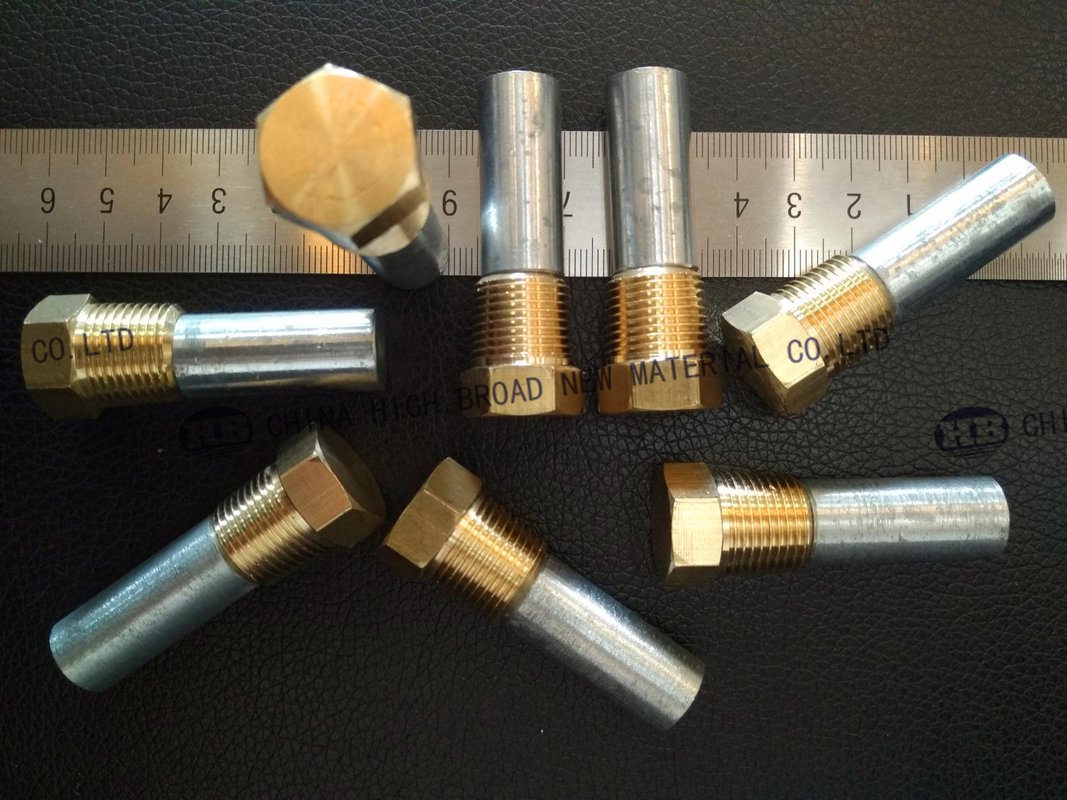
Sacrificial Anode Rod For Water Heater
One of the unsung heroes of your home's plumbing system is the sacrificial anode rod in your water heater. This component works tirelessly to protect your water heater tank from corrosion, extending its lifespan and preventing costly leaks. Let’s explore this vital part, understand its function, learn how to inspect and replace it, and know when it's time to call in a professional.
Understanding the Sacrificial Anode Rod
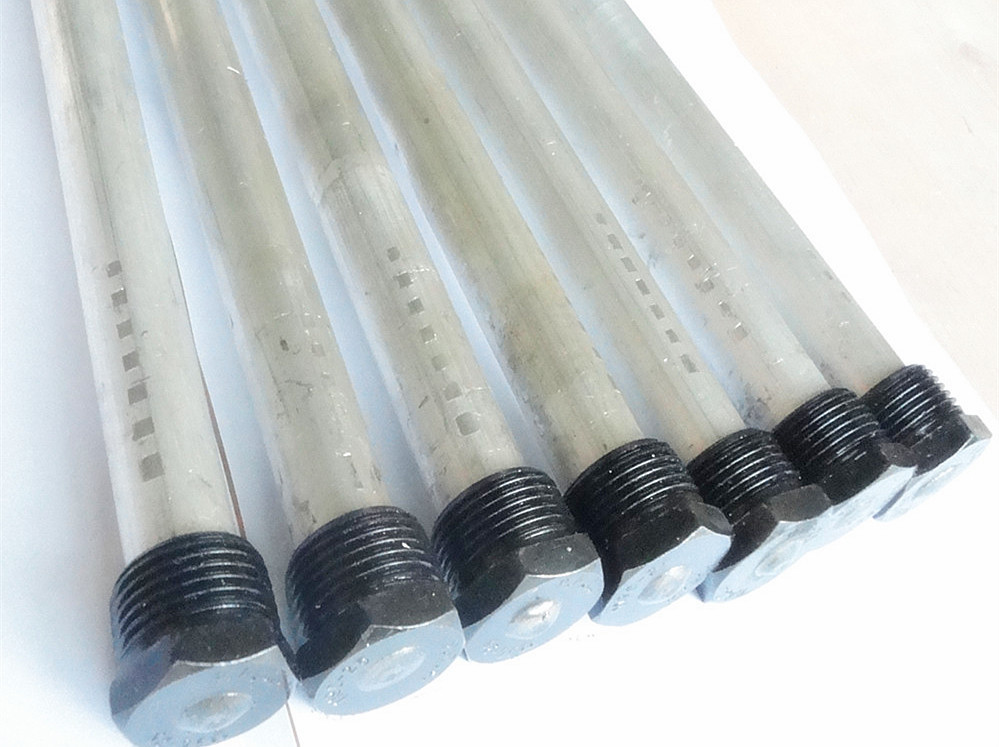
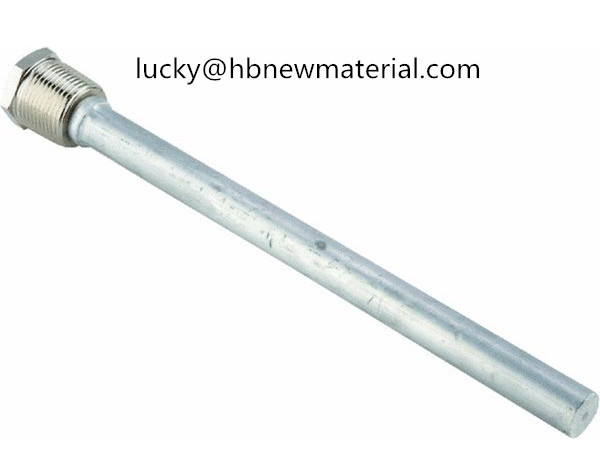
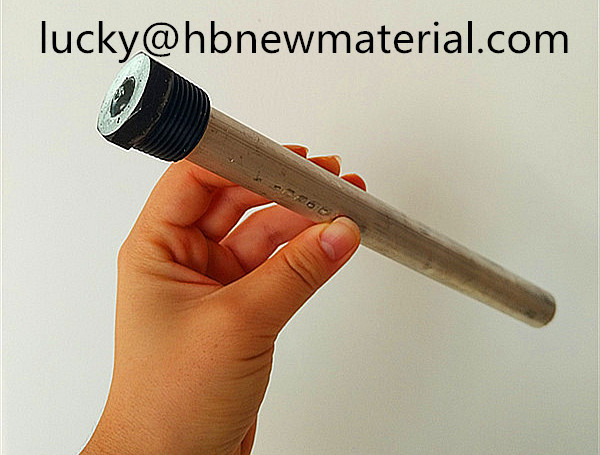
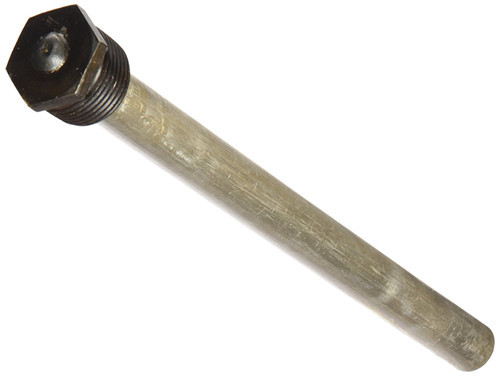
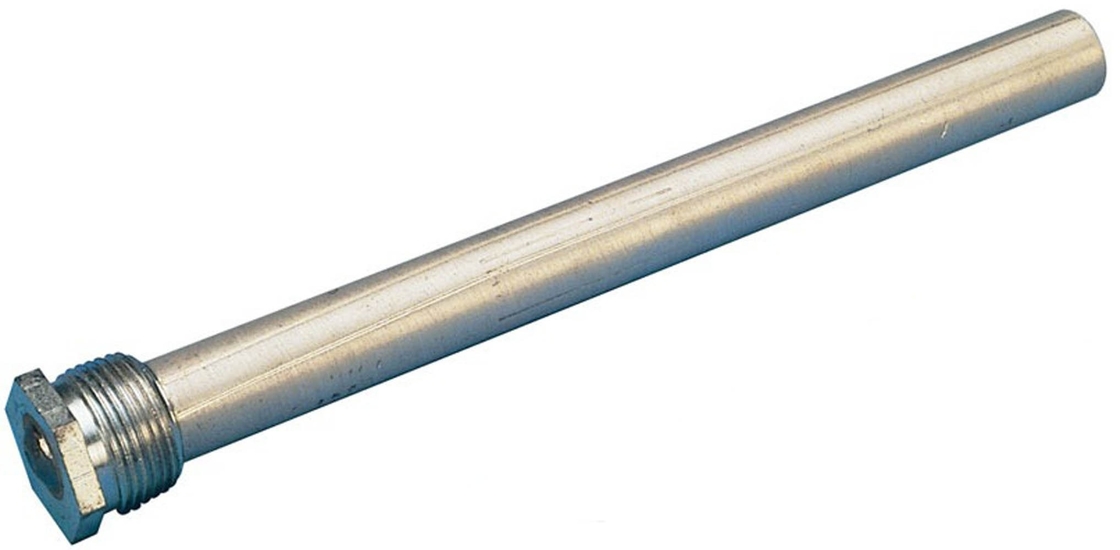
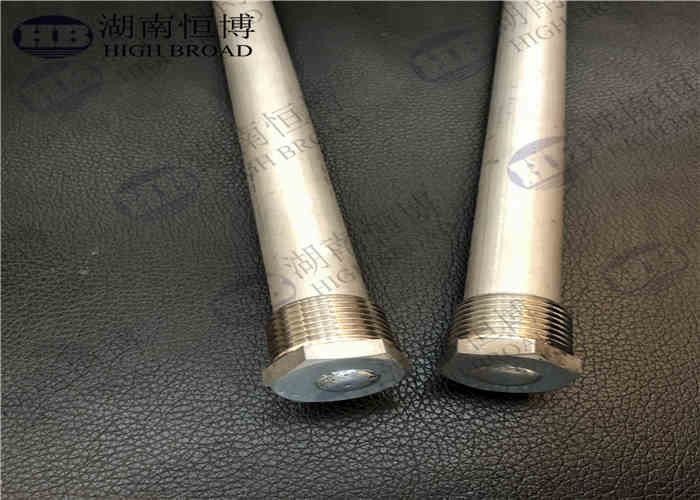
A water heater's tank is typically made of steel, which is susceptible to rust and corrosion when exposed to water. To combat this, manufacturers install a sacrificial anode rod. This rod is made of a more reactive metal, usually aluminum, magnesium, or an alloy of the two. Through a process called electrolysis, the anode rod corrodes instead of the tank's steel. Think of it as a bodyguard, taking the hits so your water heater doesn't have to.
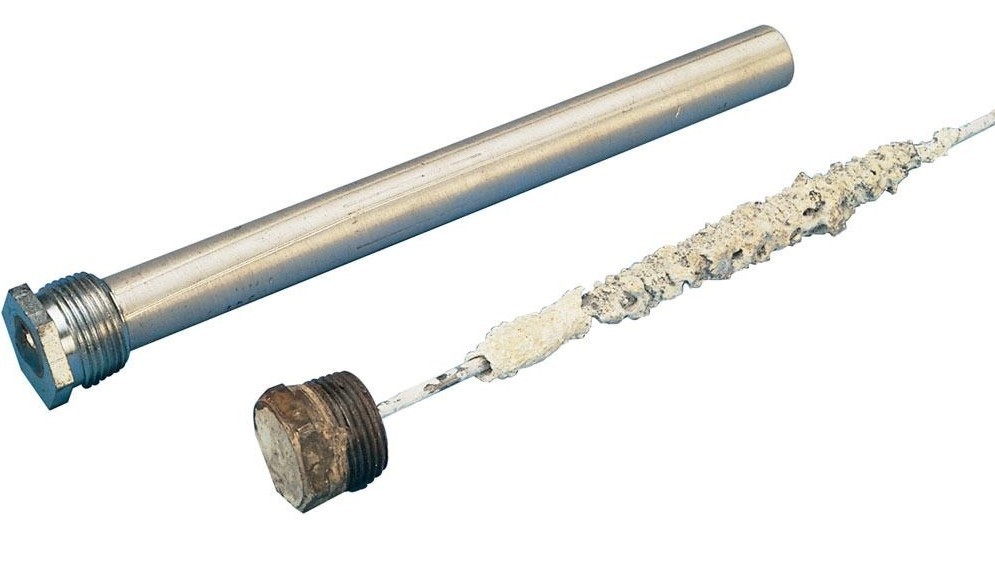
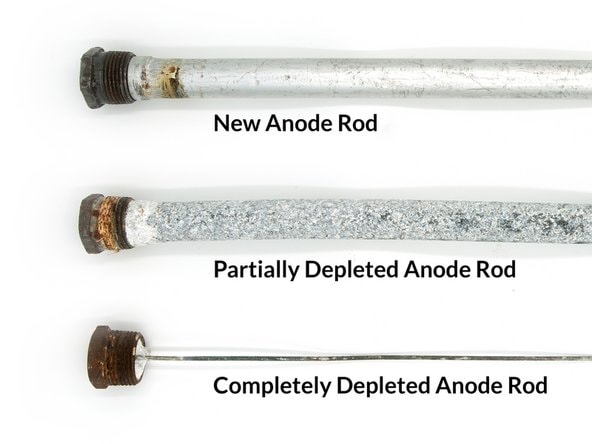
The name “sacrificial” is quite literal. It sacrifices itself to protect the steel tank. Over time, the rod corrodes and diminishes in size. Eventually, it needs to be replaced to continue providing adequate protection.
Types of Anode Rods
- Magnesium: Ideal for areas with soft water. It corrodes faster, providing more protection, but might cause a sulfur-like odor in some water conditions.
- Aluminum: Suitable for hard water areas. It lasts longer than magnesium but offers slightly less initial protection.
- Aluminum/Zinc Alloy: Contains a small amount of zinc to combat odor issues that sometimes arise with magnesium rods.
- Powered Anode Rods: These electronically powered rods offer constant protection and a longer lifespan. They are more expensive upfront but can save money in the long run.
- Flexible Anode Rods: Useful when overhead clearance is limited. They are segmented and can be bent to fit into tight spaces.
Why is a Functional Anode Rod Important?
Without a functioning anode rod, the water heater tank will begin to corrode. This leads to:
- Rust-colored water: A sign of internal tank corrosion.
- Leaks: Eventually, the tank will weaken and develop leaks.
- Reduced water heater lifespan: Corrosion significantly shortens the water heater's operational life.
- Costly repairs or replacement: Replacing a water heater is a significant expense compared to replacing an anode rod.
Inspecting Your Anode Rod
It is recommended to inspect your anode rod every two to three years, or sooner if you notice signs of corrosion in your hot water (e.g., rust color or unusual odor). Here’s how to inspect it:
- Turn off the water heater: Switch off the power (for electric heaters) or gas supply (for gas heaters).
- Turn off the cold water supply: Locate the cold water inlet valve at the top of the water heater and turn it off.
- Drain some water: Attach a garden hose to the drain valve at the bottom of the tank and drain a few gallons of water. This reduces the pressure in the tank, making it easier to remove the anode rod.
- Locate the anode rod: The anode rod is usually located on the top of the water heater. It might be under a cap or integrated with the hot water outlet.
- Remove the anode rod: Use a socket wrench to loosen and remove the anode rod. Be prepared for some water to spill. If the rod is stuck, you might need a breaker bar for extra leverage.
- Inspect the anode rod: Examine the rod for corrosion. If it's significantly reduced in diameter (less than ½ inch), heavily coated in scale, or broken, it needs to be replaced.
Signs Your Anode Rod Needs Replacing
- Reduced diameter: If the rod is significantly thinner than its original size.
- Heavy corrosion: Excessive rust and pitting on the rod.
- Breaks or gaps: The rod is broken into multiple pieces.
- Foul-smelling hot water: A sulfur-like or rotten egg odor can indicate that the anode rod is depleted and bacteria are thriving in the tank.
- Rusty or discolored water: Although this can indicate other issues, it is commonly linked to a corroded anode rod.
Replacing Your Anode Rod: A Step-by-Step Guide
If your inspection reveals that your anode rod needs replacing, here's how to do it:
Tools and Materials Needed
- New anode rod (matching the type and size of the old one)
- Socket wrench and appropriate sized socket for your anode rod.
- Pipe wrench
- Teflon tape or pipe sealant
- Garden hose
- Bucket
- Gloves
- Safety Glasses
Replacement Steps
- Prepare the water heater: Repeat steps 1-3 from the inspection process (turn off power/gas, turn off cold water, drain some water).
- Remove the old anode rod: If you haven't already removed the old rod during inspection, do so now. Be careful, as it may be heavy and covered in corrosion.
- Clean the threads: Use a wire brush to clean the threads on the water heater where the anode rod screws in.
- Apply Teflon tape or pipe sealant: Wrap Teflon tape around the threads of the new anode rod, or apply pipe sealant. This will help create a watertight seal.
- Install the new anode rod: Carefully screw the new anode rod into the water heater, tightening it securely with a socket wrench. Do not overtighten.
- Turn on the water supply: Slowly turn on the cold water supply and allow the tank to fill completely.
- Check for leaks: Inspect the area around the anode rod for any leaks. If you find any, tighten the rod slightly.
- Turn on the water heater: Once the tank is full and there are no leaks, turn the power (for electric heaters) or gas supply (for gas heaters) back on.
Troubleshooting Common Issues
- Anode rod is stuck: Use a breaker bar for extra leverage. You can also try applying penetrating oil to the threads and letting it sit for a while before attempting to remove the rod.
- Limited overhead clearance: Use a flexible anode rod that can be bent to fit into tight spaces.
- Water leaks after replacement: Make sure the anode rod is tightened securely and that you've used Teflon tape or pipe sealant on the threads.
- Foul-smelling water persists: This might indicate bacterial growth in the tank. Consider flushing the tank thoroughly or sanitizing it with a bleach solution (consult a professional for guidance on this process).
Cost of Anode Rod Replacement
The cost of replacing an anode rod depends on several factors, including the type of rod, the cost of labor (if you hire a professional), and your location.
- Anode rod: $20 - $100, depending on the type (magnesium, aluminum, alloy, powered, flexible)
- Professional installation: $100 - $300, depending on the complexity of the job and the plumber's hourly rate.
Replacing the anode rod yourself can save you money on labor costs. However, if you are not comfortable working with plumbing or electricity, it's best to hire a qualified professional.
When to Call a Professional
While replacing an anode rod is a relatively straightforward task, there are situations where it's best to call a professional plumber:
- You're not comfortable working with plumbing or electricity.
- The anode rod is severely stuck and you can't remove it.
- You suspect there may be other issues with your water heater, such as a leaking tank or faulty heating element.
- You're unsure which type of anode rod to use for your water conditions.
- You lack the necessary tools or experience.
Ignoring a damaged or depleted anode rod can lead to significant water heater damage and costly repairs down the road. Regular inspection and timely replacement of the anode rod are essential for maintaining the longevity and efficiency of your water heater. By understanding the function of this simple yet crucial component, homeowners can take proactive steps to protect their investment and ensure a reliable supply of hot water for years to come. Remember, while DIY solutions are tempting, safety comes first. If in doubt, always consult a qualified HVAC or plumbing professional.