Safety Relief Valve Vs Pressure Relief Valve

One of the most common plumbing issues homeowners face is a dripping or constantly discharging valve on their water heater. This valve, often located on the top or side of the tank, is designed to protect your water heater from dangerous pressure or temperature build-up. But understanding *why* it's leaking and *how* to safely address it is crucial. This guide will walk you through troubleshooting this issue, focusing on differentiating between a Safety Relief Valve (SRV) and a Pressure Relief Valve (PRV), and providing actionable steps you can take before calling a professional.
Understanding the Valves: SRV vs. PRV
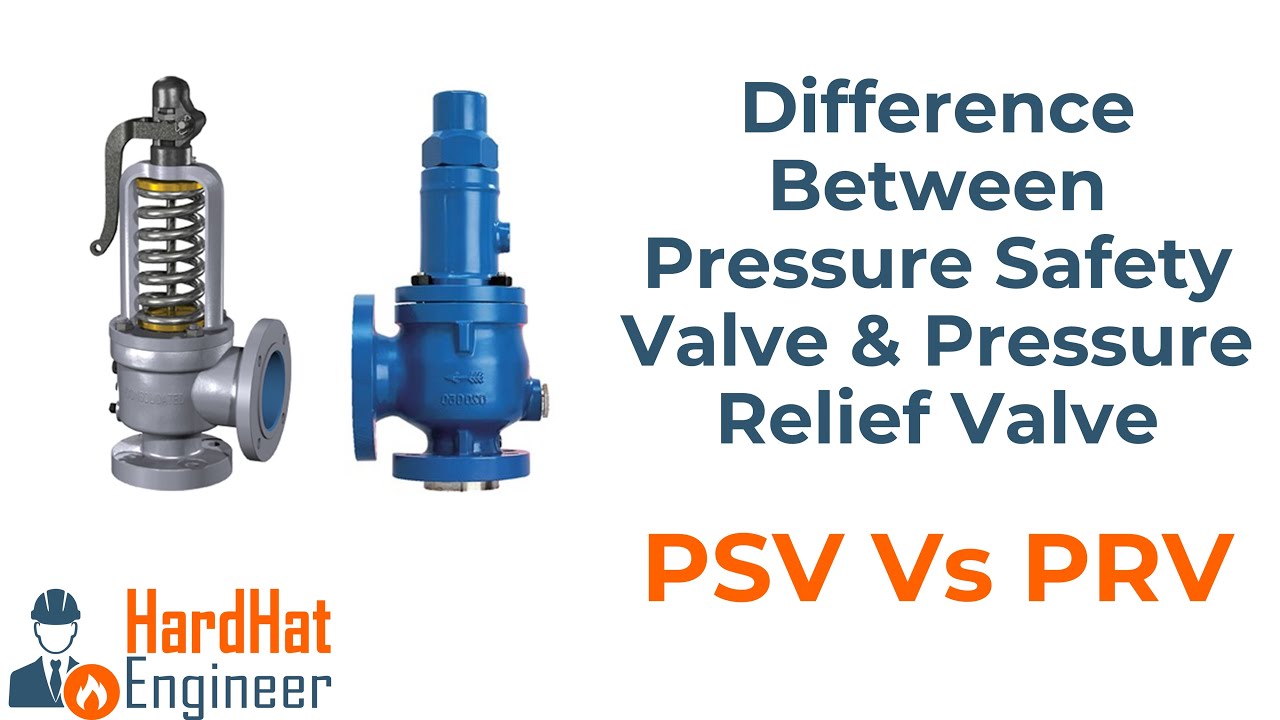
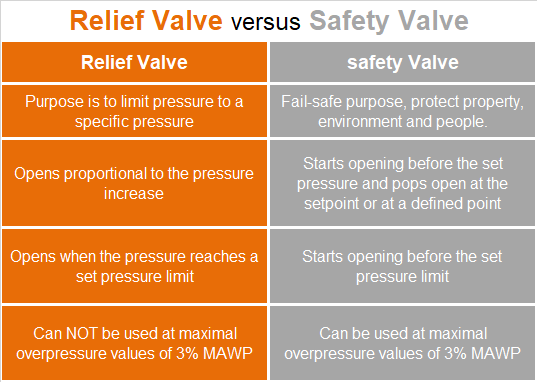
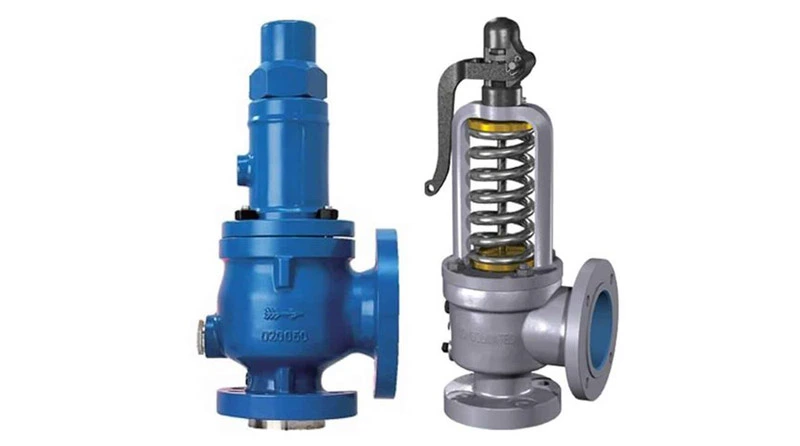
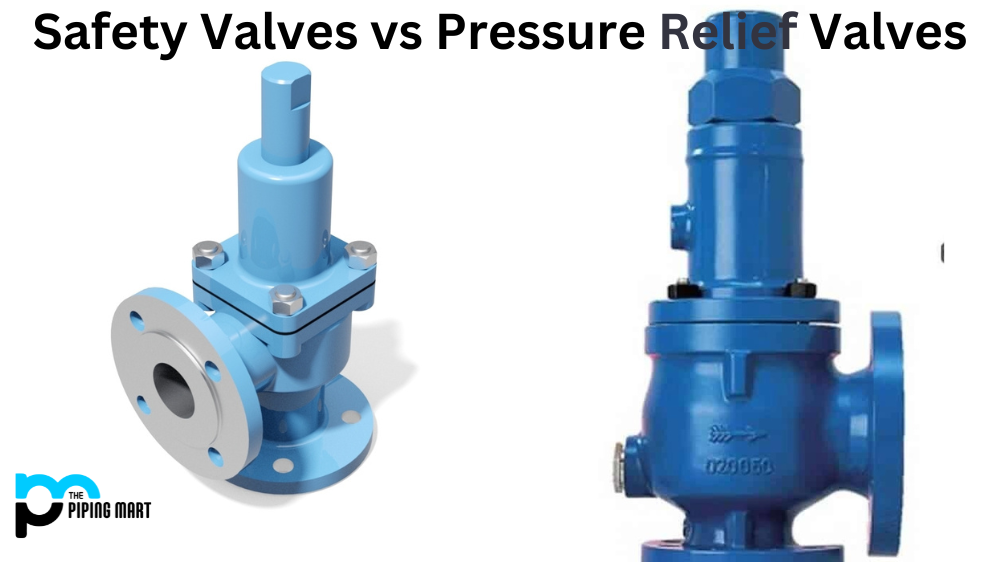
Before diving into troubleshooting, let's clarify the difference between a Safety Relief Valve (SRV) and a Pressure Relief Valve (PRV), as misidentifying the valve can lead to incorrect diagnoses and potentially unsafe actions.
Safety Relief Valve (SRV)
The Safety Relief Valve, often called a Temperature and Pressure Relief Valve (T&P valve), is designed to release pressure **and** temperature if either exceed safe limits inside the water heater. It's a crucial safety device, preventing potential explosions. It typically has a lever that can be manually lifted to test the valve.
- Function: Protects against excessive pressure and temperature.
- Location: Usually located on the top or upper side of the water heater tank.
- Appearance: Typically has a lever for manual testing.
- Discharge Pipe: Should have a discharge pipe that directs hot water safely down towards the floor.
Pressure Relief Valve (PRV)
A Pressure Relief Valve (PRV) is installed on the main water line entering your house, or sometimes on the water heater itself, to reduce the water pressure coming from the city supply. It's designed to protect your plumbing system from damage caused by excessively high water pressure. Although water heaters may have both SRV and PRV, this article focuses mainly on the SRV found on the water heater itself. Think of it as a pressure regulator ensuring safe water pressure throughout your home.
- Function: Regulates the incoming water pressure to your house.
- Location: Typically located on the main water line entering your house, or close to the water meter. A smaller PRV might be on the water heater.
- Appearance: Looks like a bell-shaped valve.
- No Lever: Generally doesn't have a lever for manual testing (though some models may).
Important Note: This guide primarily addresses issues related to the Safety Relief Valve (SRV) on your water heater. While PRV problems can also lead to water issues, their troubleshooting differs significantly. If you suspect a PRV issue (e.g., consistently low water pressure throughout your house), consult a qualified plumber.
Diagnosing a Leaking SRV: Step-by-Step Guide
Now that you understand the SRV's purpose, let's diagnose why it might be leaking. Follow these steps:
- Safety First: Turn off the power or gas supply to your water heater *before* beginning any work. For electric heaters, locate the breaker in your electrical panel and switch it off. For gas heaters, turn the gas valve to the "OFF" position. This is *crucial* to prevent electrical shock or gas leaks.
- Identify the Leak Source: Carefully inspect the SRV. Is the water dripping from the valve itself, the discharge pipe, or the tank connection? This helps narrow down the problem.
- Check the Water Pressure: High water pressure is the most common cause of a leaking SRV. You'll need a water pressure gauge, which can be purchased at any hardware store. Attach it to an outside faucet or a laundry tub faucet. Read the pressure. Ideally, it should be between 40 and 60 PSI. If it's consistently above 80 PSI, you likely have high water pressure, and further investigation of your PRV or expansion tank is warranted (more on that later).
- Test the SRV Manually: Carefully lift the lever on the SRV and hold it open for a few seconds. This allows the valve to flush out any sediment or debris that might be causing it to leak. Be prepared for hot water to discharge! Release the lever. If the valve stops leaking, the problem might be solved. If it continues to leak, proceed to the next step.
- Check the Water Heater Thermostat: An overheating thermostat can cause excessive pressure buildup, leading to SRV discharge. Consult your water heater's manual to locate the thermostat and how to check its setting. A setting that is too high could cause the water to overheat and the valve to leak.
- Inspect the Expansion Tank: If your system has an expansion tank (a small tank usually located near the water heater), check if it's waterlogged. The tank is designed to absorb excess water volume created by the heating process. Tap on the top and bottom of the tank. If the top sounds hollow and the bottom sounds full, the tank is likely waterlogged and needs to be recharged or replaced. Follow the manufacturer's instructions to recharge it (usually involving releasing air pressure and then repressurizing it to the correct PSI – typically the same as your water pressure). If the tank is old, replacement is often the best option.
- Sediment Buildup: Sediment accumulation in the water heater tank can also cause overheating and pressure buildup. Consider flushing your water heater to remove sediment. Consult your owner's manual for instructions on how to do this safely. This typically involves connecting a hose to the drain valve at the bottom of the tank and flushing it until the water runs clear. *Be extremely careful, as the water will be very hot.*
Simple DIY Fixes (When Appropriate)
Based on your diagnosis, here are some simple DIY fixes you can try:
- Lower Water Heater Thermostat: If the thermostat setting is too high, reduce it to the recommended temperature (usually around 120°F). This will help prevent overheating and pressure buildup.
- Flush the Water Heater: As mentioned earlier, flushing the water heater can remove sediment buildup and improve its efficiency. Follow the manufacturer's instructions carefully.
- Recharge/Replace Expansion Tank: If the expansion tank is waterlogged, recharge it according to the manufacturer's instructions. If it's old or damaged, replace it.
- Temporary Fix for Constant Drip: If the valve drips constantly while you wait for a plumber or parts, you can try catching the water in a bucket placed under the discharge pipe. This is a temporary solution only!
When to Call a Professional Plumber
While some SRV issues can be addressed with DIY fixes, certain situations require professional intervention. Here are some key indicators that it's time to call a plumber:
- High Water Pressure: If your water pressure is consistently above 80 PSI, you need a plumber to diagnose and repair the pressure regulating system, which likely involves adjusting or replacing your Pressure Reducing Valve (PRV) located on the incoming water line. DIY attempts to adjust a PRV can easily damage it or further exacerbate the problem.
- Valve Doesn't Seat Properly After Testing: If you manually test the SRV and it continues to leak significantly even after releasing the lever, the valve is likely damaged and needs to be replaced. Replacing an SRV involves draining the water heater and requires plumbing knowledge to ensure a proper and leak-free installation. Incorrect installation can lead to further leaks and potential damage.
- You Suspect a Faulty Water Heater Thermostat: Accurately diagnosing a faulty thermostat requires specialized tools and knowledge of electrical systems. A malfunctioning thermostat can be dangerous, potentially leading to overheating and explosions. A plumber can safely diagnose and replace the thermostat.
- You Don't Feel Comfortable Performing the Repairs: If you're uncomfortable working with plumbing or electrical components, it's always best to call a professional. Safety should be your top priority.
- Persistent Leaks After DIY Attempts: If you've tried the DIY fixes and the SRV continues to leak, there might be a more complex underlying issue requiring professional diagnosis.
- Older Water Heater: If your water heater is nearing the end of its lifespan (typically 8-12 years), persistent SRV problems might be a sign that it's time for a replacement. A plumber can assess the condition of your water heater and recommend the best course of action.
Preventative Maintenance
To prevent future SRV problems, consider these preventative maintenance measures:
- Annual SRV Testing: Manually test the SRV at least once a year to ensure it's functioning properly.
- Regular Water Heater Flushing: Flush your water heater every 1-3 years to remove sediment buildup. The frequency depends on the hardness of your water.
- Check Water Pressure Regularly: Monitor your water pressure periodically to ensure it's within the recommended range.
- Inspect Expansion Tank Regularly: Check the expansion tank for waterlogging and recharge or replace it as needed.
- Consider a Water Softener: If you have hard water, consider installing a water softener to reduce sediment buildup in your water heater and plumbing system.
Disclaimer: This article provides general guidance only. Always consult the manufacturer's instructions for your specific appliances and plumbing system. If you're unsure about any step or uncomfortable performing the repairs yourself, consult a qualified plumber.