Schedule 40 Vs Schedule 80 Pipe
Schedule 40 vs. Schedule 80 Pipe: A Comprehensive Guide for HVAC Applications
When planning or maintaining an HVAC system, the selection of appropriate piping is crucial for its longevity, safety, and efficiency. Among the various options, Schedule 40 and Schedule 80 PVC (Polyvinyl Chloride) pipes are commonly used. This article delves into the key differences between these two pipe schedules, their applications in HVAC systems, and factors to consider when choosing between them.
Understanding Pipe Schedules
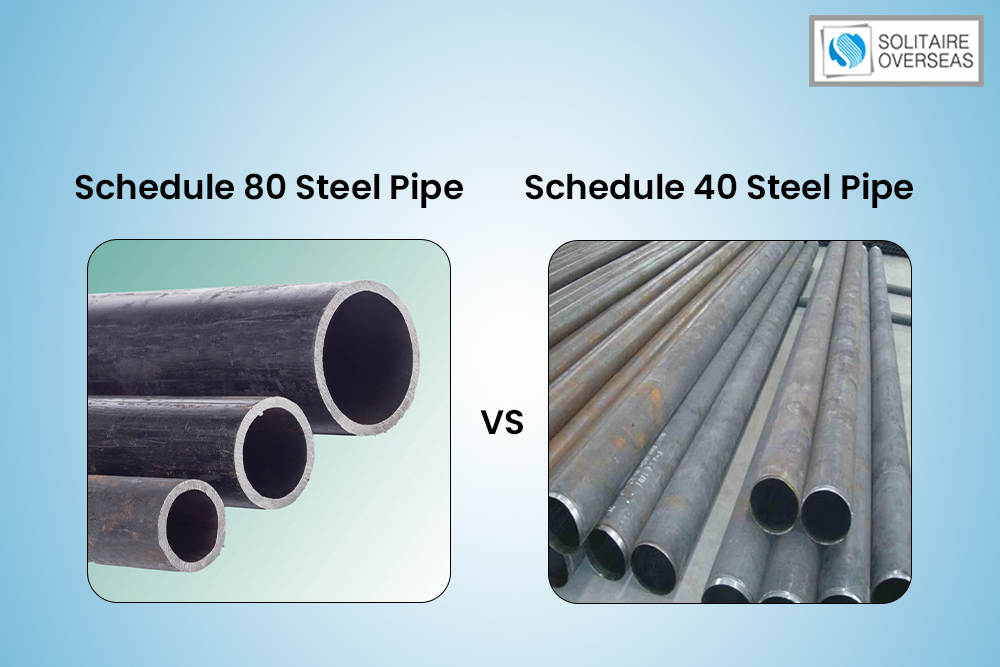
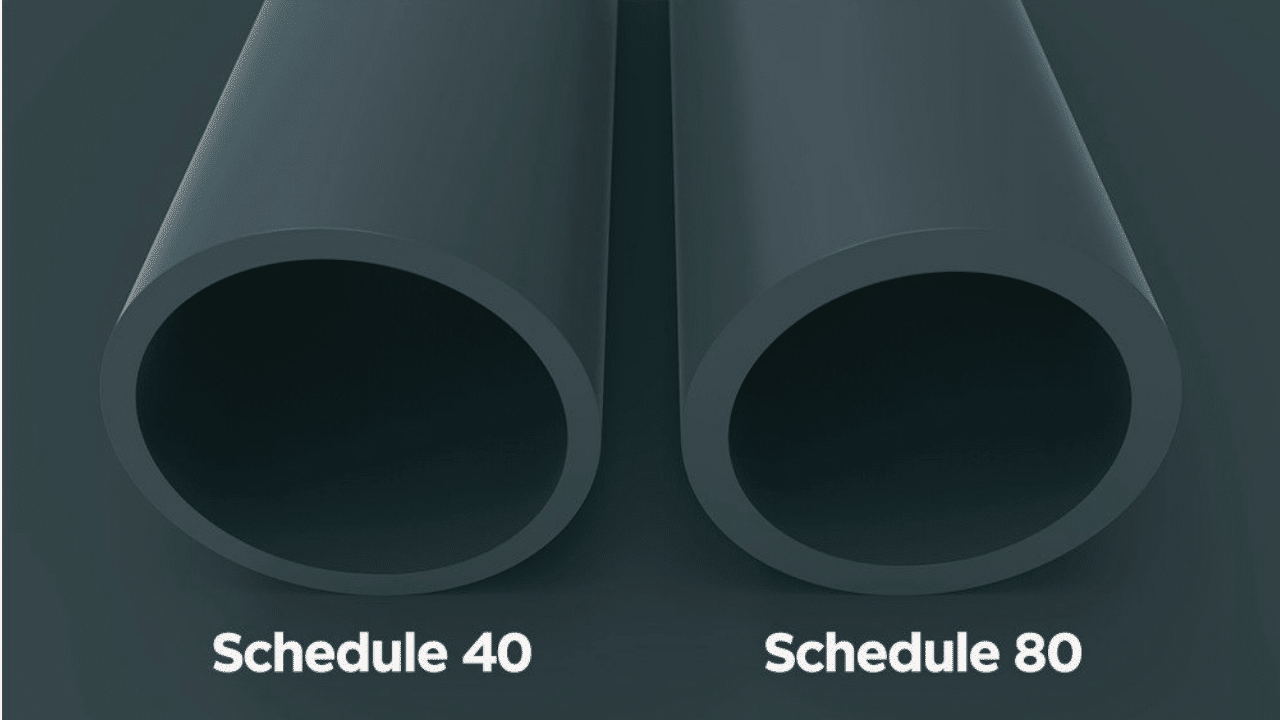
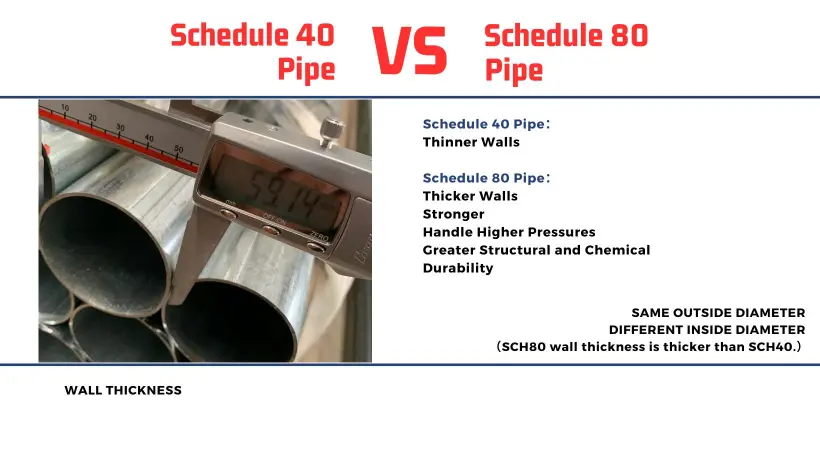
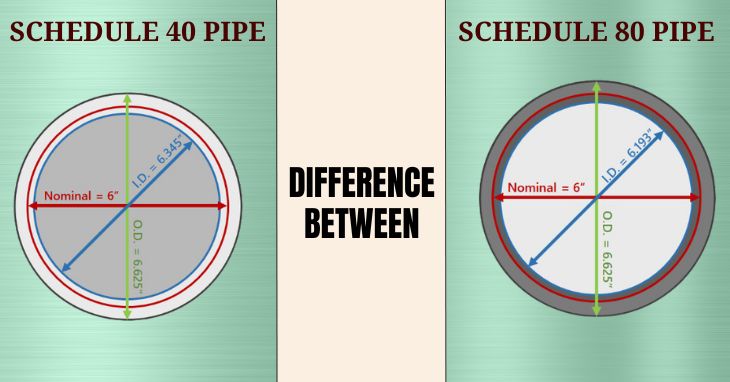
The term "schedule" refers to the wall thickness of a pipe. A higher schedule number indicates a thicker wall and, consequently, a greater ability to withstand higher pressures. Both Schedule 40 and Schedule 80 pipes share the same outside diameter (OD) for a given nominal pipe size (NPS). However, the inner diameter (ID) differs because Schedule 80 has a thicker wall, resulting in a smaller ID. This difference in wall thickness is the defining characteristic that dictates their suitability for various HVAC applications.
Material Composition: PVC and CPVC
Before diving into specific applications, it's essential to understand the materials commonly used for these pipes. Both Schedule 40 and Schedule 80 pipes are often manufactured from PVC. However, for applications involving higher temperatures, Chlorinated Polyvinyl Chloride (CPVC) is frequently employed. CPVC offers superior heat resistance compared to standard PVC, making it suitable for hot water distribution and certain industrial processes. For example, a geothermal heating system, which may require handling fluids at moderately elevated temperatures, might benefit from CPVC Schedule 80 piping.
Key Differences: Schedule 40 vs. Schedule 80
Wall Thickness and Pressure Rating
The most significant difference lies in the wall thickness. Schedule 80 pipe boasts a considerably thicker wall than Schedule 40. This increased thickness translates directly to a higher pressure rating. For instance, a 2-inch Schedule 40 PVC pipe might have a pressure rating of around 280 PSI (pounds per square inch) at 73°F, while a 2-inch Schedule 80 PVC pipe could handle pressures up to 400 PSI or higher under the same conditions. Always consult the manufacturer's specifications for precise pressure ratings at specific temperatures, as these ratings decrease as temperature increases.
Consider a large commercial chiller system. The chilled water distribution network often experiences substantial pressure, especially in high-rise buildings. In such scenarios, Schedule 80 piping might be mandatory to ensure the system's integrity and prevent pipe bursts.
Applications in HVAC Systems
Both Schedule 40 and Schedule 80 pipes find various applications in HVAC systems, depending on the specific requirements:
- Condensate Drains: Schedule 40 PVC pipe is commonly used for condensate drain lines from air conditioning units and furnaces. The pressures involved are relatively low, making Schedule 40 a cost-effective and adequate choice.
- Chilled Water Systems: For small to medium-sized chilled water systems, Schedule 40 might be sufficient, particularly if the operating pressures are carefully controlled and remain within the pipe's pressure rating. However, always verify that the pressure stays within the acceptable range.
- Hot Water Distribution (CPVC): CPVC Schedule 40 and Schedule 80 pipes are frequently used for hot water distribution in residential and commercial buildings. Schedule 80 is often preferred for larger systems or those with higher operating temperatures.
- Geothermal Systems (CPVC): As mentioned earlier, geothermal systems often utilize CPVC piping due to the moderate temperatures involved. Schedule 80 provides an extra margin of safety due to its higher pressure rating and increased durability.
- Refrigerant Lines: Copper pipes are generally the standard for refrigerant lines due to PVC's limited chemical compatibility and temperature ranges for refrigerant.
Cost Comparison
Schedule 80 pipe is generally more expensive than Schedule 40 due to the greater amount of material used in its manufacture. The price difference can vary depending on the pipe size, material (PVC or CPVC), and supplier. For projects with extensive piping networks, the cost difference can be significant. Therefore, a careful assessment of the pressure and temperature requirements is essential to determine the most cost-effective option without compromising safety and performance.
For example, if a homeowner is installing a new air conditioning system, using Schedule 40 for the condensate drain is typical and economical. However, for a complex commercial HVAC upgrade, where long-term reliability and safety are paramount, the initial investment in Schedule 80 piping might be justified despite the higher upfront cost.
Installation Considerations
The installation procedures for Schedule 40 and Schedule 80 pipes are similar, typically involving cutting, cleaning, priming, and cementing the joints using appropriate PVC or CPVC cement. However, the thicker walls of Schedule 80 pipe may require more force when cutting and joining. It's crucial to use the correct type of cement specified for the pipe material and schedule to ensure a strong and leak-proof connection. Incorrect cement can lead to joint failures and system leaks.
Furthermore, proper support and bracing are essential for both Schedule 40 and Schedule 80 pipes to prevent sagging or stress on the joints. The spacing between supports should be determined based on the pipe size, material, and the weight of the fluid being transported. Industry standards and local building codes provide guidelines for proper pipe support.
Choosing the Right Pipe: Key Factors to Consider
Selecting between Schedule 40 and Schedule 80 pipe requires careful consideration of several factors:
- Operating Pressure: This is the most critical factor. The pipe's pressure rating must exceed the maximum operating pressure of the system with a reasonable safety margin.
- Temperature: The temperature of the fluid being transported affects the pipe's pressure rating. As temperature increases, the pressure rating decreases. Consult the manufacturer's specifications for temperature derating factors.
- Chemical Compatibility: Ensure that the pipe material is compatible with the fluid being transported. Certain chemicals can degrade PVC or CPVC over time, leading to failures.
- Code Compliance: Local building codes and industry standards often specify the minimum pipe schedule requirements for various applications. Always adhere to these codes to ensure safety and compliance.
- Cost: While cost is a factor, it should not be the primary consideration. Prioritize safety and performance over initial cost savings. A failure due to undersized or inadequate piping can lead to costly repairs and downtime.
- Long-Term Durability: Consider the expected lifespan of the HVAC system. Schedule 80 pipe generally offers greater durability and resistance to damage, making it a good choice for systems that are expected to last for many years.
Example Scenarios: When to Use Schedule 40 vs. Schedule 80
- Residential Air Conditioner Installation: Schedule 40 PVC for condensate drain line.
- Commercial Building Chilled Water System: Schedule 80 PVC or CPVC, depending on temperature and pressure.
- Geothermal Heating System: Schedule 80 CPVC for hot water distribution.
- Hydronic Heating System (Radiant Floors): Schedule 40 or Schedule 80 CPVC, depending on temperature, pressure, and local codes. Consider PEX tubing as an alternative.
- High-Pressure Industrial Cooling System: Schedule 80 or metal piping systems are usually used.
Metal Piping Alternatives
While PVC and CPVC pipes are widely used in HVAC applications, metal pipes such as copper and steel offer higher pressure and temperature ratings. Copper is frequently used for refrigerant lines and smaller water distribution systems. Steel pipes are commonly employed in large-scale industrial HVAC systems where high pressures and temperatures are involved. However, metal pipes are generally more expensive and require specialized installation techniques, such as welding or soldering. When dealing with ammonia refrigerant, steel piping becomes the default and nearly only option.
Maintenance and Inspection
Regular inspection and maintenance are essential for ensuring the longevity and reliability of any piping system, regardless of the material or schedule. Look for signs of leaks, cracks, or corrosion. Replace any damaged sections of pipe immediately. Periodically check the supports and bracing to ensure that the pipes are properly supported. Consider a yearly preventative maintenance schedule with a qualified HVAC technician.
Conclusion
The choice between Schedule 40 and Schedule 80 pipe depends on a careful evaluation of the specific requirements of the HVAC system. Schedule 40 offers a cost-effective solution for low-pressure applications, while Schedule 80 provides greater durability and pressure resistance for more demanding applications. Always prioritize safety and code compliance when selecting piping materials. Consulting with a qualified HVAC professional can help ensure that the right choice is made for optimal system performance and longevity. Understanding the nuances of these materials and their application ensures the efficiency and safety of heating and cooling systems across residential, commercial, and industrial settings. By taking the time to select the proper piping solution, HVAC professionals and facility managers can avoid premature failure, costly downtime, and potential safety hazards.