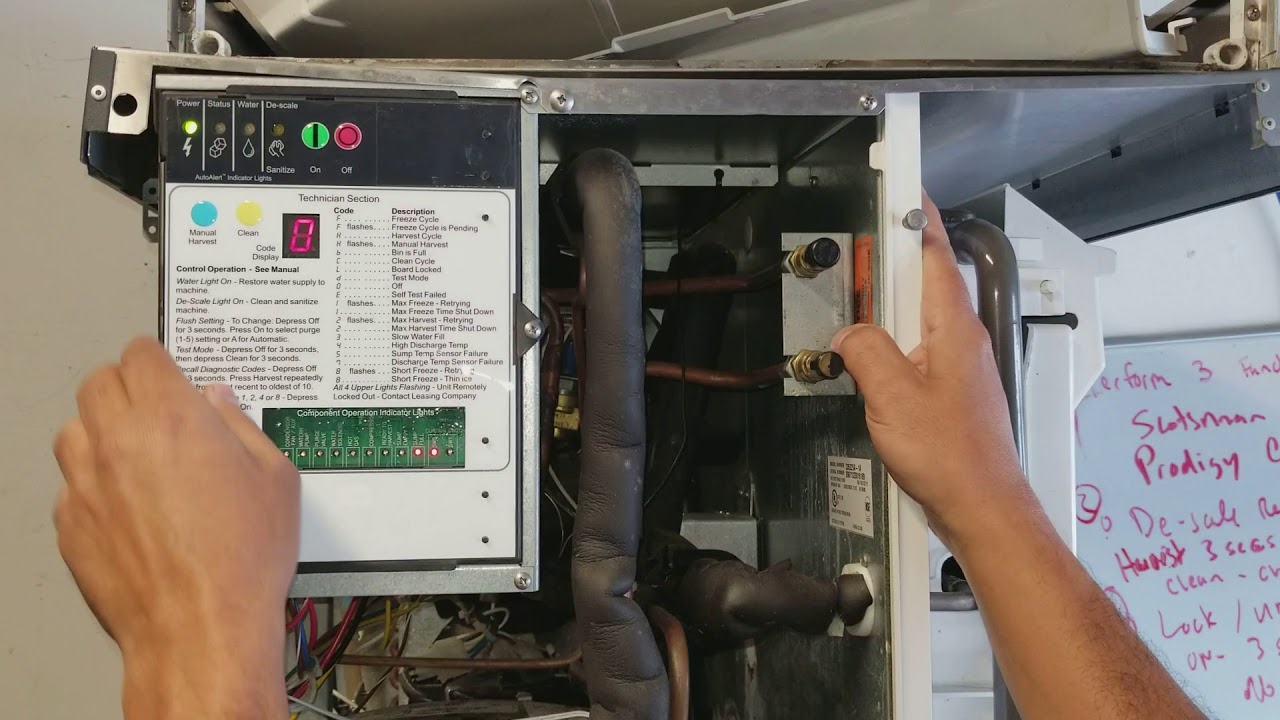
Scotsman Ice Machine Bin Full Sensor Location

Understanding the Scotsman Ice Machine "Bin Full" Sensor: A Comprehensive Guide
Maintaining a commercial or residential ice machine requires understanding its various components and their functions. One critical component in Scotsman ice machines is the "bin full" sensor. This sensor plays a vital role in preventing overfilling and ensuring efficient ice production. Understanding its location and functionality is crucial for troubleshooting common issues and maintaining optimal performance.
Why is the "Bin Full" Sensor Important?
The "bin full" sensor is designed to detect when the ice storage bin is nearing capacity. When the sensor is activated, it signals the ice machine to stop producing ice, preventing overflow and potential damage to the unit and surrounding area. This not only saves energy by preventing unnecessary ice production but also helps maintain a clean and safe environment.
Failing to address issues with the "bin full" sensor can lead to several problems, including:
- Ice Overflow: Excess ice can spill out of the bin, creating a mess and potentially damaging flooring.
- System Damage: Continuous operation with a full bin can strain the ice machine's components, leading to premature wear and tear.
- Energy Waste: The machine will continue to attempt ice production, wasting energy and increasing operating costs.
- Potential for Mold and Mildew: Spilled ice can create a damp environment conducive to mold and mildew growth.
Locating the "Bin Full" Sensor on a Scotsman Ice Machine
The exact location of the "bin full" sensor can vary depending on the specific Scotsman ice machine model. However, it's generally located within the ice storage bin, either near the top or on one of the bin's interior walls. You may need a flashlight to get a better view.
General Areas to Check:
- Top of the Bin: Many Scotsman models have the sensor mounted to the top of the bin, often enclosed in a small plastic housing. Look for a sensor that might be activated by a mechanical arm or flap as the ice level rises.
- Side Walls of the Bin: Some models feature sensors mounted on the side walls of the bin, typically near the upper portion. These sensors might use infrared technology or a similar method to detect the ice level.
- Attached to the Ice Shute: On some specific models, the sensor might be integrated with the ice dispensing chute.
Important Note: Always consult your Scotsman ice machine's service manual for the exact location and type of "bin full" sensor for your particular model. The manual will provide detailed diagrams and instructions.
Types of "Bin Full" Sensors Used by Scotsman
Scotsman ice machines utilize various types of "bin full" sensors, each with its own operating principle:
- Mechanical Float Sensors: These sensors use a physical float or arm that rises with the ice level. When the float reaches a certain height, it triggers a switch that signals the ice machine to stop production. These are typically easy to identify visually.
- Infrared (IR) Sensors: IR sensors use infrared light to detect the ice level. A beam of infrared light is emitted, and when the light is reflected back by the ice, the sensor detects the presence of ice and signals the machine to stop.
- Ultrasonic Sensors: Similar to IR sensors, ultrasonic sensors use sound waves to detect the ice level. These sensors are less common but can be found in some Scotsman models.
- Optical Sensors: These use light and reflection similar to IR sensors, but operate in a different frequency.
Troubleshooting Common "Bin Full" Sensor Issues
If your Scotsman ice machine is not stopping ice production when the bin is full, or if it's stopping prematurely, the "bin full" sensor is a likely culprit. Here's a troubleshooting guide:
- Check for Obstructions: Make sure there's no ice, debris, or other obstructions blocking the sensor. Clean the sensor and the surrounding area thoroughly.
- Inspect Wiring: Examine the wiring connected to the sensor for any signs of damage, such as frayed wires or loose connections. Repair or replace any damaged wiring.
- Clean the Sensor: Dust and grime can accumulate on the sensor, affecting its accuracy. Gently clean the sensor with a soft, dry cloth. For mechanical sensors, ensure the arm moves freely.
- Test the Sensor (If Possible): Some sensors can be tested with a multimeter to check for proper continuity. Consult your service manual for instructions on testing your specific sensor type.
- Check the Control Board: In some cases, the issue may not be with the sensor itself, but with the control board that receives the sensor's signal. If you suspect a problem with the control board, consult a qualified HVAC technician.
- Review Diagnostic Codes: Many newer Scotsman ice machines have diagnostic codes displayed on the control panel. These codes can often pinpoint the exact cause of the problem, including "bin full" sensor issues. Check your service manual for a list of diagnostic codes and their meanings.
When to Call a Professional
While some "bin full" sensor issues can be resolved with basic troubleshooting, others may require the expertise of a qualified HVAC technician. Consider calling a professional if:
- You are uncomfortable working with electrical components.
- You are unable to locate the "bin full" sensor.
- You suspect a problem with the control board.
- You have tried troubleshooting steps without success.
A qualified technician can diagnose the problem accurately and perform the necessary repairs or replacements to get your ice machine back up and running.
Preventative Maintenance for Your Scotsman Ice Machine
Regular preventative maintenance can help prevent "bin full" sensor issues and extend the life of your Scotsman ice machine. Here are some tips:
- Regular Cleaning: Clean the ice machine regularly according to the manufacturer's instructions. This includes cleaning the ice storage bin, the condenser coils, and the water filter.
- Inspect the Sensor Regularly: Visually inspect the "bin full" sensor regularly for any signs of damage or obstruction. Clean the sensor as needed.
- Replace Water Filters: Replace the water filter regularly to ensure clean water is used for ice production. This helps prevent mineral buildup and other issues that can affect sensor performance.
- Professional Servicing: Schedule regular professional servicing of your ice machine. A qualified technician can inspect all components, including the "bin full" sensor, and identify any potential problems before they become major issues.
Scotsman Ice Machine Models: A Brief Overview
Scotsman offers a wide range of ice machines to suit various needs, from small undercounter models to large commercial units. Here are a few popular series:
- Nugget Ice Machines (Undercounter): Popular for residential and light commercial use, these models produce soft, chewable nugget ice.
- CME Series (Commercial): A versatile series offering various cube sizes and production capacities, suitable for restaurants, bars, and hotels.
- Prodigy Plus® Series: Known for their energy efficiency and user-friendly controls.
Note: Model numbers and specifications can vary. Always consult the manufacturer's website or a qualified dealer for the most up-to-date information.
Conclusion
The "bin full" sensor is a critical component of your Scotsman ice machine, ensuring efficient operation and preventing potential problems. By understanding its location, functionality, and common issues, you can keep your ice machine running smoothly for years to come. Regular maintenance and prompt attention to any sensor-related problems will help you avoid costly repairs and ensure a consistent supply of ice.