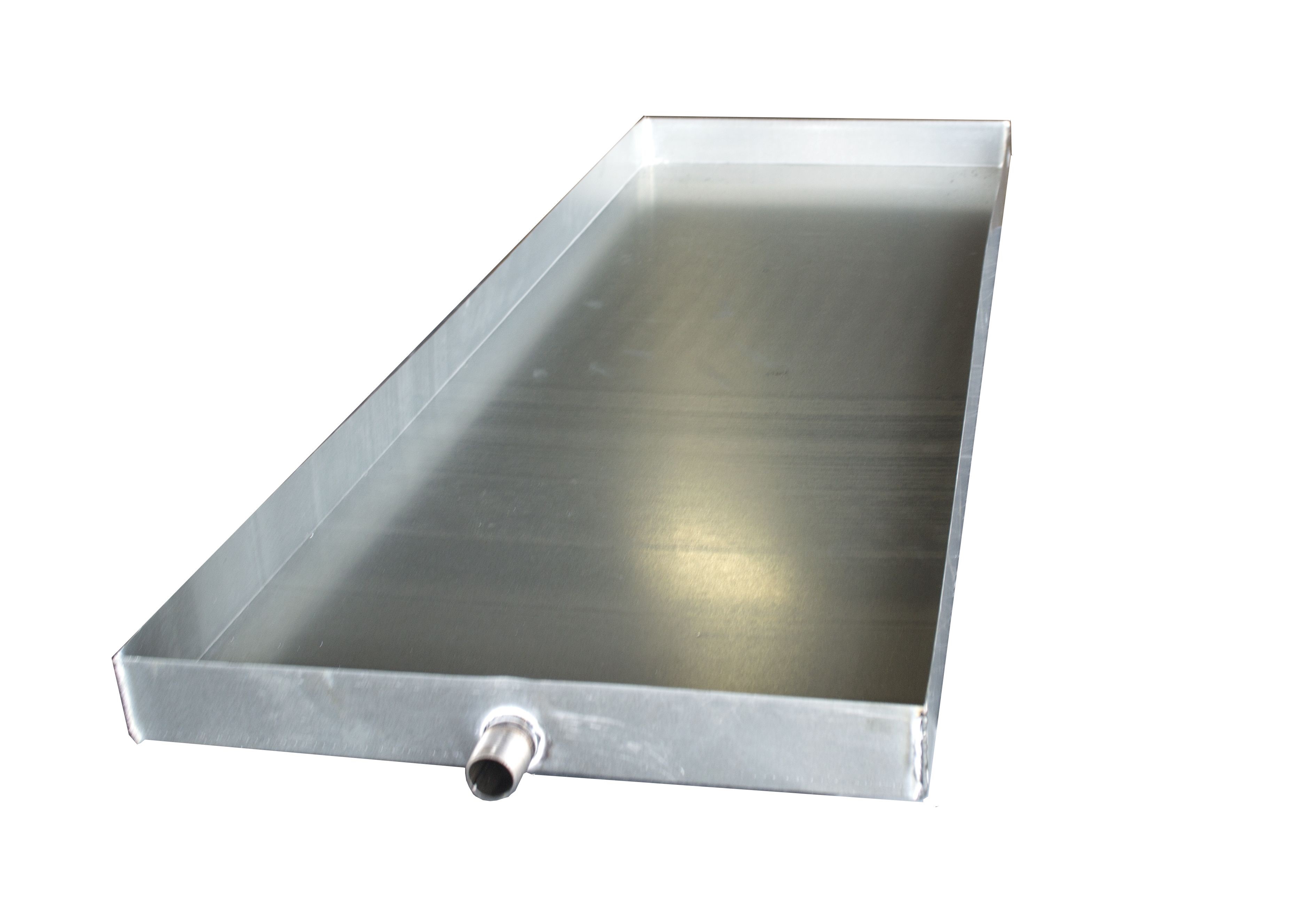
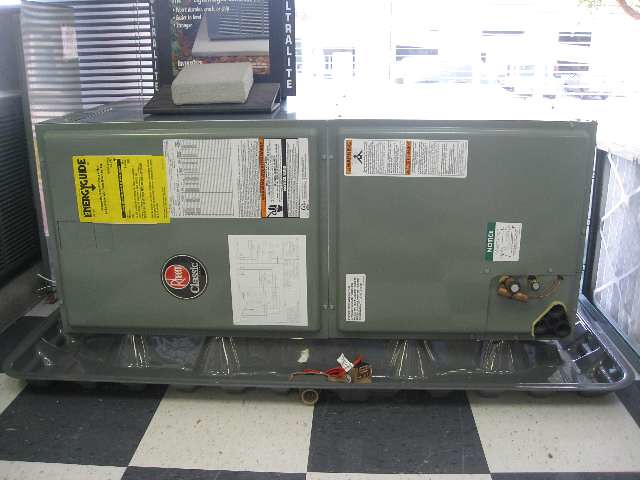
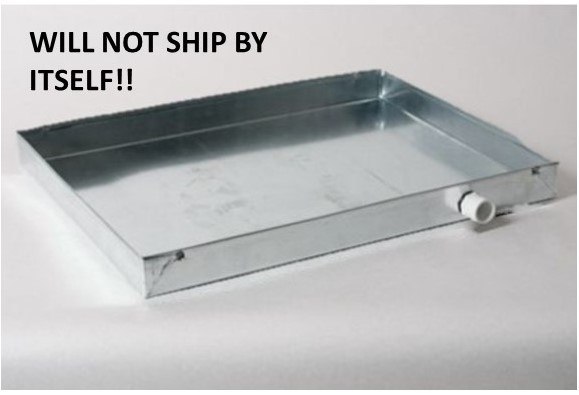
Secondary Drain Pan For Air Handler

The Essential Role of Secondary Drain Pans for Air Handlers: A Comprehensive Guide
In the world of HVAC, preventing water damage is paramount. While primary drain pans are designed to capture condensate produced by air handlers, they can fail. Enter the secondary drain pan, a crucial safety net that protects your property and ensures the longevity of your HVAC system. This article delves into the importance of secondary drain pans, code requirements, installation best practices, career implications, and the future of this essential component.
Why Secondary Drain Pans Matter
Air conditioning systems create condensation as they cool air. This condensate needs to be effectively drained away. The primary drain pan, located beneath the air handler, is the first line of defense. However, clogs, cracks, or overflows in the primary drain pan can lead to significant water damage. This is where the secondary drain pan steps in. It's positioned beneath the primary pan, ready to catch any leaks and prevent them from damaging ceilings, walls, and floors.
Consider this: A single, unnoticed leak can lead to mold growth, structural damage, and costly repairs. According to the EPA, mold remediation can cost anywhere from $500 to $6,000 or more, depending on the severity of the infestation. A properly installed secondary drain pan significantly reduces this risk.
Code Requirements and Best Practices
Building codes often mandate the installation of secondary drain pans in specific situations, particularly when the air handler is located in an area where leaks could cause significant damage. The International Mechanical Code (IMC), widely adopted across the United States, addresses condensate drainage and often references the need for secondary drain systems when the primary drain is inaccessible or located above a finished ceiling.
Beyond code requirements, best practices dictate installing secondary drain pans in all situations where water damage is a concern. Here's what you need to know:
- Sizing: The secondary drain pan should be large enough to accommodate any potential overflow from the primary pan.
- Material: They are typically made of plastic or metal. Metal pans should be corrosion-resistant.
- Drain Line: The secondary drain pan should have its own separate drain line, typically routed to a visible location, such as an exterior wall, so that homeowners or maintenance personnel can quickly identify a problem.
- Water Detection: Installing a water detection switch that shuts off the system when water is detected in the secondary pan is a highly recommended practice. This prevents the pan from overflowing and causing damage. These switches are becoming increasingly sophisticated, with some models offering remote monitoring capabilities.
Career Implications for HVAC Professionals
A thorough understanding of condensate drainage systems, including the importance and proper installation of secondary drain pans, is crucial for success in the HVAC industry. Here's how it affects different career stages:
HVAC Students and Apprentices
Learning about secondary drain pans is a foundational skill. Apprenticeships often include hands-on training in installing and troubleshooting these systems. Focus on understanding local code requirements, different types of pans, and proper drain line installation techniques. Mastering these fundamentals will set you up for success.
Experienced Technicians
Staying up-to-date on the latest technologies, such as smart water detection systems, is crucial for experienced technicians. Consider pursuing certifications like NATE (North American Technician Excellence). NATE certification demonstrates your knowledge and skills, making you a more valuable asset to employers and increasing your earning potential. The median salary for HVAC technicians in the United States is around $50,590 per year, but experienced technicians with certifications can earn significantly more.
Employers
When hiring HVAC technicians, prioritize candidates with a strong understanding of condensate drainage systems and a commitment to following best practices. Investing in training for your employees on the latest technologies, including secondary drain pan options and smart sensors, will improve the quality of your service and reduce callbacks. According to the Bureau of Labor Statistics, the job outlook for HVAC mechanics and installers is projected to grow 6 percent from 2022 to 2032, about as fast as the average for all occupations. Hiring skilled technicians is essential for meeting this growing demand.
Certifications and Continuing Education
Several certifications can enhance your career prospects in the HVAC industry. In addition to NATE, the EPA Section 608 certification is mandatory for technicians who handle refrigerants. Continuing education courses are also essential for staying current with industry trends and new technologies. Topics like advanced condensate management and smart HVAC systems are particularly relevant.
Real-World Examples: Career Paths
Let's consider a few examples of how a strong understanding of secondary drain pans can contribute to career success:
- Installation Technician: A technician who consistently installs secondary drain pans correctly and efficiently can earn a reputation for quality workmanship, leading to more job opportunities and higher pay.
- Service Technician: A service technician who is skilled at diagnosing and repairing condensate drainage problems can quickly resolve issues and prevent costly water damage, earning the trust of customers and boosting their career.
- HVAC Business Owner: An HVAC business owner who prioritizes proper condensate management practices can build a reputation for reliability and customer satisfaction, leading to business growth.
For example, Sarah, an HVAC apprentice, focused on mastering condensate drain systems during her training. Her attention to detail and commitment to following best practices quickly impressed her supervisor. Within a year, she was leading installation teams and earning significantly more than her peers. She later pursued NATE certification, further enhancing her career prospects.
The Future of Secondary Drain Pans and Condensate Management
The HVAC industry is constantly evolving, and condensate management is no exception. Here are some emerging trends:
- Smart Sensors: Water detection sensors are becoming more sophisticated, offering remote monitoring and alerts. This allows homeowners and building managers to proactively address potential problems before they escalate.
- Advanced Materials: New materials are being developed for drain pans that are more durable, corrosion-resistant, and environmentally friendly.
- Integrated Systems: Some manufacturers are developing air handlers with integrated secondary drain systems, simplifying installation and improving reliability.
For example, some new smart sensors can detect even small amounts of moisture and send alerts to the homeowner's smartphone. This allows them to address the issue immediately, preventing significant water damage. This technology is revolutionizing condensate management and creating new opportunities for HVAC professionals.
Conclusion
The secondary drain pan is an unsung hero in the world of HVAC. Its simple design and crucial function protect properties from water damage and ensure the longevity of HVAC systems. For HVAC professionals, a thorough understanding of secondary drain pans, code requirements, and best practices is essential for career success. By staying up-to-date on the latest technologies and pursuing relevant certifications, you can position yourself for a rewarding and prosperous career in this vital industry. Remember, investing in knowledge and skills is an investment in your future. Focus on quality and detail – this will make you a standout HVAC professional.