Series Vs Parallel Fan Powered Box
Frequently Asked Questions: Series vs. Parallel Fan Powered Boxes
Fan powered boxes are a crucial component of many modern HVAC systems, providing precise temperature control in individual zones. When choosing a fan powered box, understanding the difference between series and parallel configurations is essential. This FAQ will address common questions to help you make an informed decision for your building or home.
Q1: What is a fan powered box, and why do I need one?
A fan powered box (FPB) is a device used in variable air volume (VAV) HVAC systems to regulate the airflow and temperature in individual zones or rooms. Think of it as a localized climate control unit connected to a central air system.
Why you need one:
- Individualized Temperature Control: Allows different rooms or areas to have different temperatures, improving comfort and energy efficiency.
- Improved Air Distribution: Helps evenly distribute air throughout the zone, eliminating hot or cold spots.
- Reduced Energy Consumption: By only conditioning the air needed in a specific zone, FPBs can significantly reduce overall energy consumption compared to a single, large system.
- Quiet Operation: Modern FPBs are designed for quiet operation, minimizing noise disruptions.
Q2: What's the fundamental difference between a series and a parallel fan powered box?
The core difference lies in how the fan operates and interacts with the primary air supply from the central air handling unit (AHU).
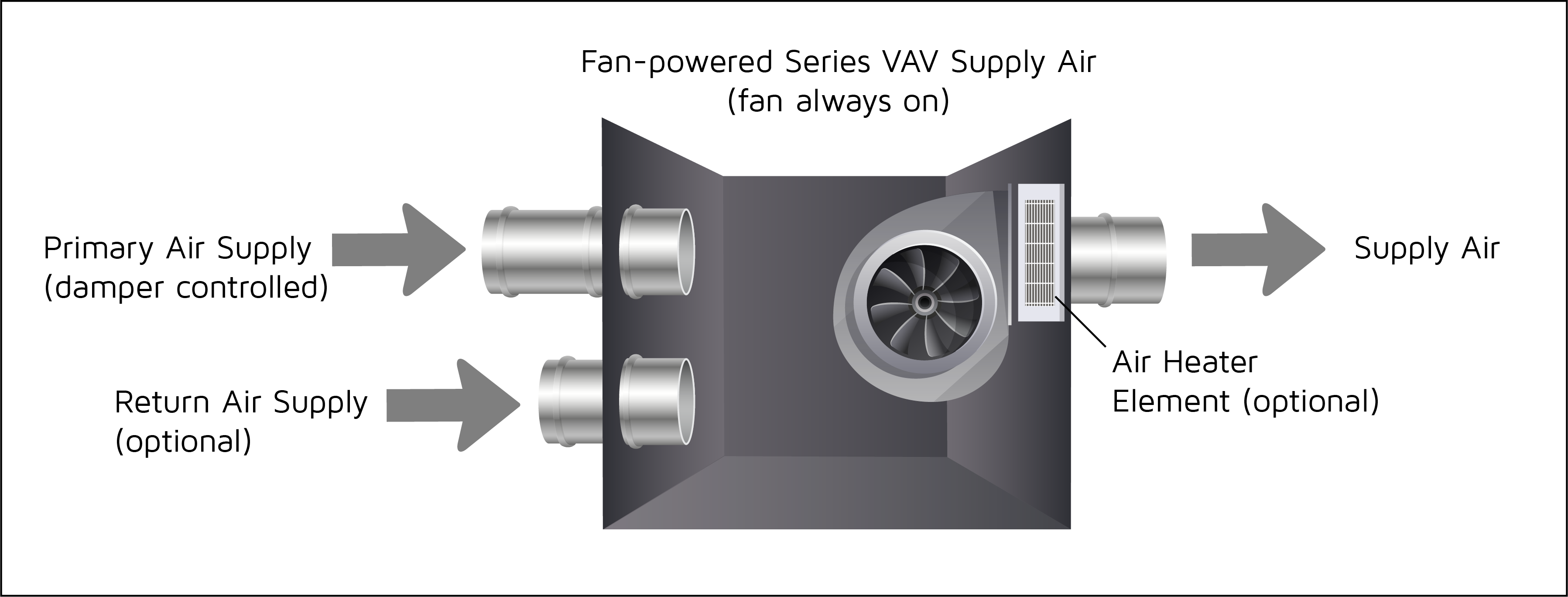
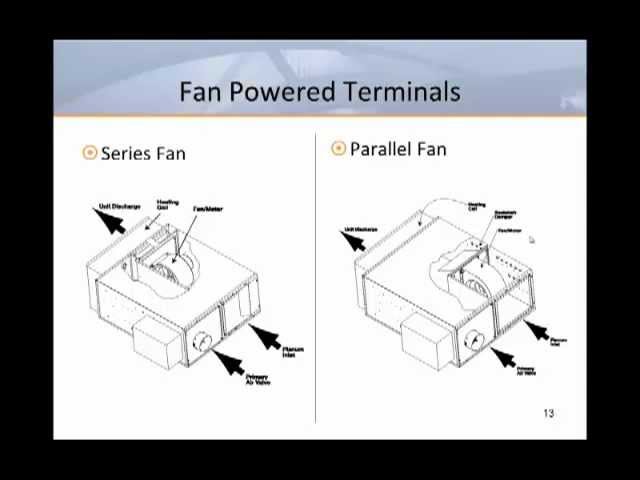
- Series FPB: The fan runs continuously whenever the HVAC system is operating. Primary air from the AHU passes through the fan. When no cooling is needed, the primary air damper closes, and the fan recirculates air from the ceiling plenum, maintaining a constant airflow to the space.
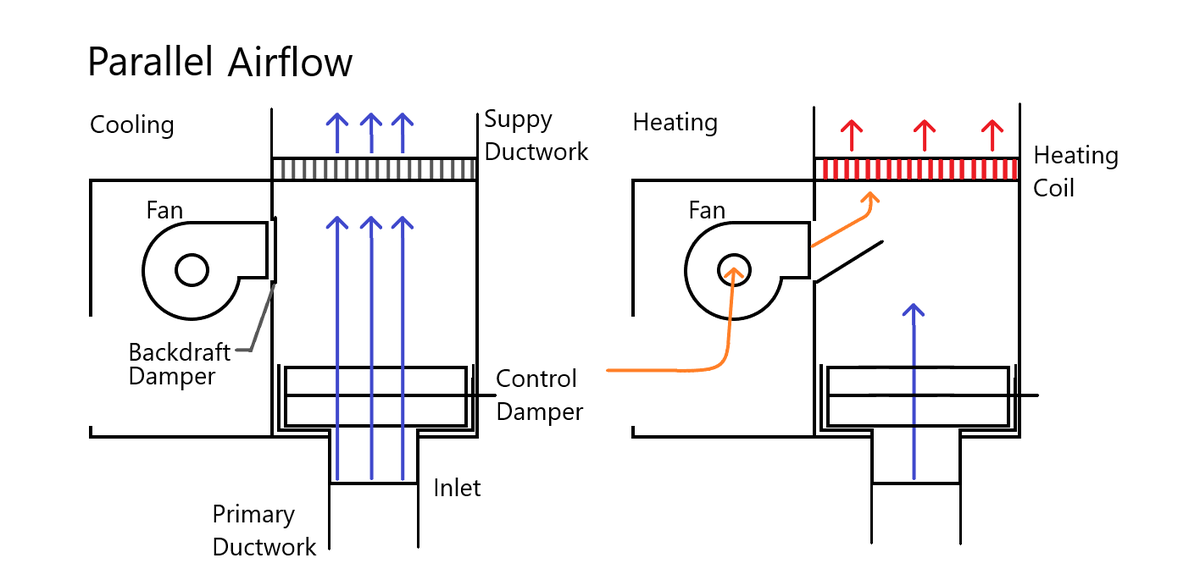
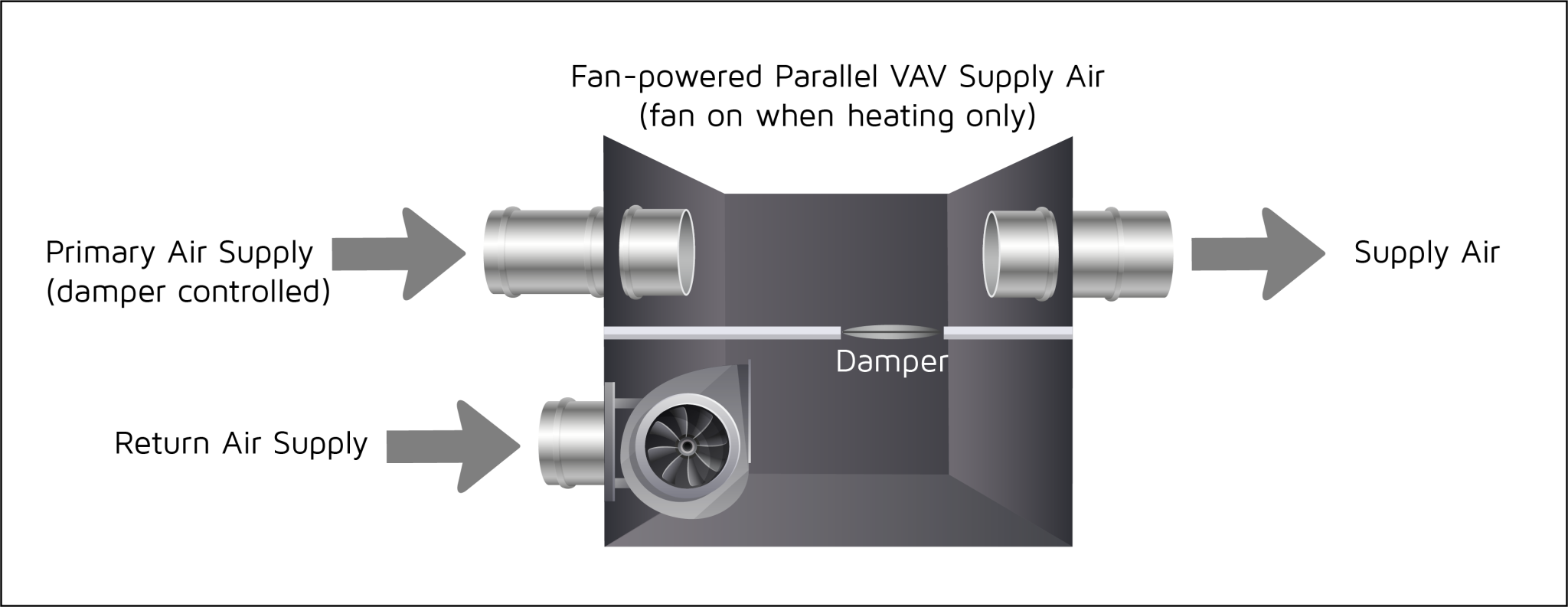
- Parallel FPB: The fan is only activated when the primary air from the AHU isn't sufficient to meet the zone's cooling or heating demand. When the zone needs more cooling or heating than the primary air can provide, the fan draws air from the ceiling plenum and mixes it with the primary air.
Q3: What are the advantages and disadvantages of a series fan powered box?
Advantages of Series FPBs:
- Consistent Airflow: Provides constant airflow to the zone, even when the primary air damper is closed. This is beneficial for applications requiring consistent ventilation.
- Better Air Mixing: The continuous fan operation ensures thorough mixing of primary and recirculated air, leading to more uniform temperature distribution within the zone.
- Suitable for Heating: Can effectively deliver supplemental heat by mixing warm air from a heating coil (if equipped) with recirculated air.
- Maintains Positive Pressure: Helps maintain a slight positive pressure in the zone, preventing infiltration of unconditioned air.
Disadvantages of Series FPBs:
- Higher Energy Consumption: The continuous fan operation results in higher energy consumption compared to parallel FPBs.
- Potential for Noise: The constantly running fan can generate more noise, especially if not properly maintained or if the fan speed is too high.
- Higher Maintenance Costs: Constant operation can lead to increased wear and tear on the fan motor and other components, potentially resulting in higher maintenance costs.
Q4: What are the advantages and disadvantages of a parallel fan powered box?
Advantages of Parallel FPBs:
- Lower Energy Consumption: The fan only operates when needed, significantly reducing energy consumption compared to series FPBs, especially during periods of low cooling demand.
- Quieter Operation: The fan is off during periods of adequate primary airflow, resulting in quieter operation.
- Lower Maintenance Costs: Intermittent fan operation reduces wear and tear, potentially lowering maintenance costs.
- Ideal for Perimeter Zones: Well-suited for perimeter zones where cooling loads fluctuate throughout the day.
Disadvantages of Parallel FPBs:
- Variable Airflow: Airflow to the zone varies depending on the fan's operation. This might not be suitable for applications requiring constant airflow.
- Less Effective Air Mixing: When the fan isn't running, air mixing might be less effective, potentially leading to temperature stratification in the zone.
- Less Effective Heating: Relying solely on primary air for heating might not be sufficient during cold weather, especially in perimeter zones. Supplemental heating may be required.
- Potential for Negative Pressure: In certain situations, can create negative pressure within the space when the fan is off.
Q5: Which type of fan powered box is right for my application: series or parallel?
The best choice depends on your specific needs and priorities. Consider the following factors:
- Energy Efficiency: If energy efficiency is a primary concern, parallel FPBs are generally the better choice.
- Airflow Requirements: If consistent airflow is critical, regardless of cooling demand, series FPBs are preferable.
- Noise Sensitivity: If noise is a major concern, parallel FPBs offer quieter operation during periods of low cooling demand.
- Heating Requirements: If supplemental heating is required, series FPBs with heating coils are a good option. Otherwise, you need to consider how heating is going to be supplemented.
- Zone Location: Parallel FPBs are often suitable for perimeter zones with fluctuating cooling loads, while series FPBs may be preferred for interior zones with more consistent loads or areas requiring continuous ventilation.
- Budget: While initial costs may be similar, consider the long-term operational costs, including energy consumption and maintenance.
In summary:
- Choose Series if: You need constant airflow, precise temperature control, and effective heating, and are willing to accept higher energy consumption.
- Choose Parallel if: You prioritize energy efficiency and quiet operation, and airflow variations are acceptable.
Q6: What are some common maintenance tasks for fan powered boxes, and are they different for series vs. parallel?
Regardless of whether you have series or parallel FPBs, regular maintenance is crucial for ensuring optimal performance and longevity. Common maintenance tasks include:
- Filter Replacement: Regularly replace air filters to maintain good air quality and prevent dust buildup on the fan and coils. The frequency depends on the environment and filter type.
- Coil Cleaning: Clean the heating and cooling coils periodically to remove dust and debris that can reduce heat transfer efficiency.
- Fan Inspection: Inspect the fan blades and motor for signs of wear and tear. Lubricate the motor bearings as needed.
- Damper Inspection: Check the damper operation to ensure it opens and closes smoothly and seals tightly when closed.
- Control System Calibration: Verify the accuracy of the temperature sensors and calibrate the control system as needed.
- Belt Inspection and Replacement: If the fan is belt-driven, inspect the belt for wear and replace it when necessary.
Differences in Maintenance between Series and Parallel:
- Series FPBs: Due to continuous fan operation, series FPBs might require more frequent fan motor lubrication and inspection compared to parallel FPBs. The fan motor may also be more susceptible to wear and tear.
- Parallel FPBs: Since the fan operates less frequently, the fan motor and other components might have a longer lifespan. However, it's still important to inspect the fan periodically to ensure it's ready to operate when needed.
Important Note: Always consult the manufacturer's recommendations for specific maintenance procedures and schedules for your particular fan powered box model.
Q7: Can I convert a series fan powered box to a parallel, or vice-versa?
While technically possible, converting a series FPB to a parallel (or vice-versa) is not typically recommended. The conversion involves significant modifications to the box's internal components, control system, and wiring.
Why it's generally not recommended:
- Complexity: The conversion requires specialized knowledge and skills.
- Cost: The cost of the conversion, including labor and materials, can be substantial.
- Performance Issues: The converted box might not perform as efficiently or reliably as a factory-built unit.
- Warranty Issues: The conversion might void the manufacturer's warranty.
A better alternative is usually to replace the existing FPB with a new unit that is specifically designed for the desired application (series or parallel). This ensures optimal performance, reliability, and warranty coverage.
When a conversion *might* be considered: In large projects with very specific constraints, a qualified HVAC engineer might evaluate the feasibility of a conversion. However, this should only be done after a thorough analysis of the costs, benefits, and potential risks.
We hope this FAQ has provided valuable insights into the differences between series and parallel fan powered boxes. When making your decision, consider your specific needs, energy efficiency goals, and budget. Consulting with a qualified HVAC professional is always recommended to ensure you choose the right solution for your building or home.