Service Drop Wire Size
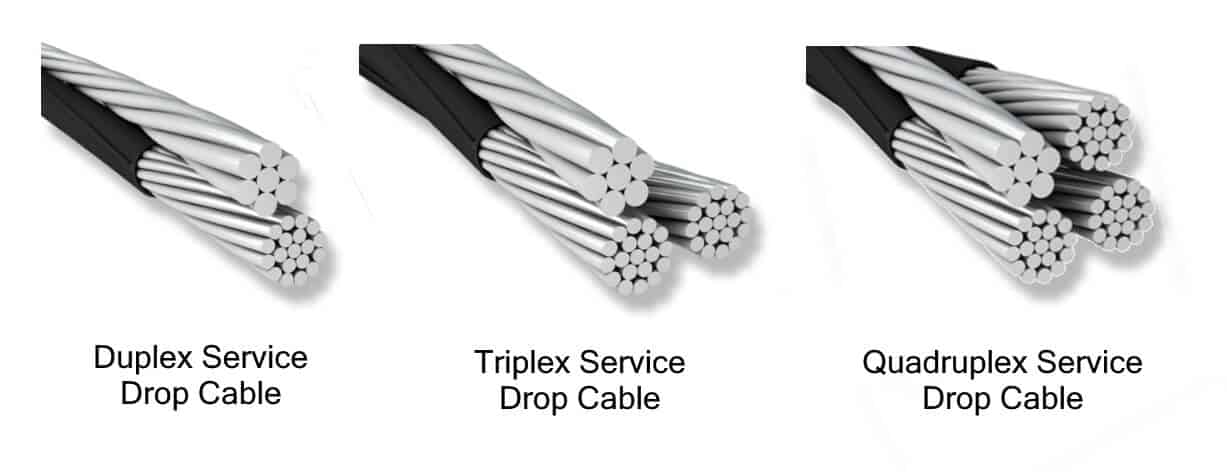
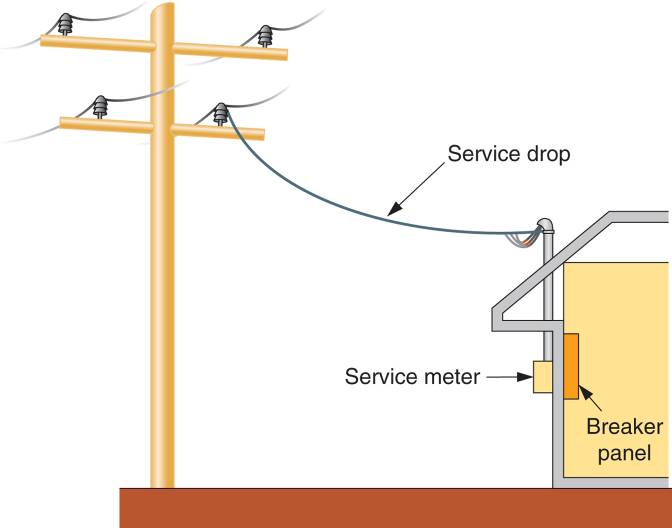
Your home's electrical service is the lifeline that powers everything, from your energy-efficient refrigerator to your smart thermostat. At the heart of this system is the service drop wire, the conductor that connects the utility company's power lines to your home's electrical meter. Understanding the size and condition of this wire is critical for ensuring safe and efficient energy delivery, potentially unlocking significant cost savings and paving the way for smart home integration.
Why Service Drop Wire Size Matters for Energy Efficiency
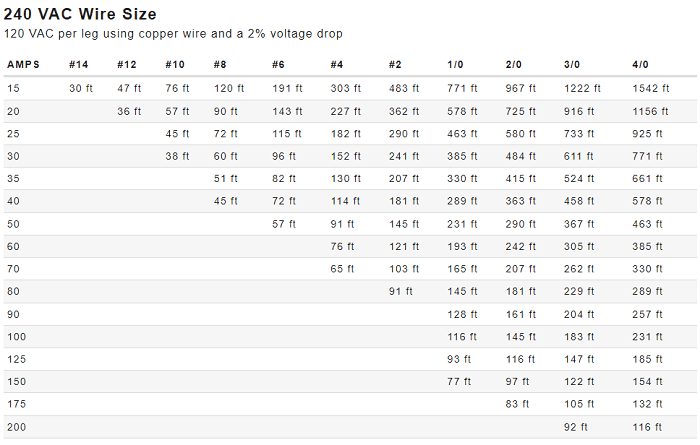
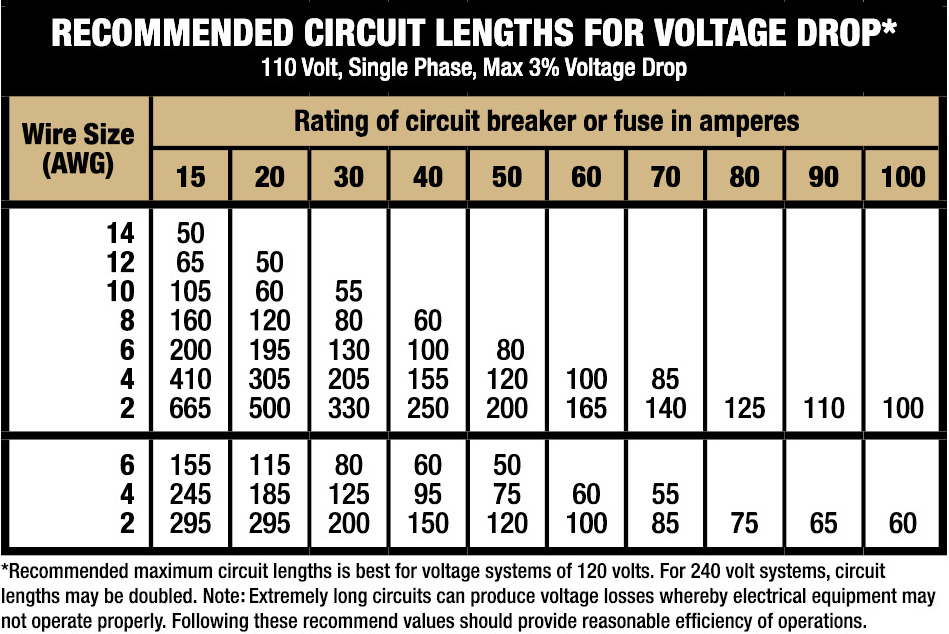
The service drop wire's size, measured in American Wire Gauge (AWG), directly impacts its ability to carry electrical current. An undersized wire can lead to several problems that increase your energy bills:
- Voltage Drop: An undersized wire can experience excessive voltage drop, meaning the voltage reaching your appliances and devices is lower than it should be. This forces them to work harder and longer, consuming more energy. Imagine your air conditioner constantly running because it's not receiving enough power to cool your home efficiently.
- Overheating: When an undersized wire carries too much current, it can overheat. This not only poses a fire hazard but also increases resistance, leading to further energy loss. Think of it like trying to force too much water through a narrow pipe; it creates friction and inefficiency.
- Inefficient Appliance Operation: Many modern appliances, especially energy-efficient models, are designed to operate within a specific voltage range. An undersized service drop wire can disrupt this, negating the benefits of your investment in high-efficiency appliances.
Conversely, an appropriately sized service drop wire ensures that your home receives the correct voltage, allowing your appliances to operate efficiently and reducing energy waste. This translates directly into lower energy bills and a smaller carbon footprint.
Determining the Correct Service Drop Wire Size
Calculating the proper service drop wire size involves considering several factors, primarily your home's electrical load. This is the total amount of power your home is expected to use simultaneously. Here's a breakdown of the key elements:
- Total Square Footage: Larger homes generally require more power.
- Major Appliances: Air conditioners, electric heaters, water heaters, electric ranges, and dryers are significant energy consumers. Calculate the amperage draw of each appliance.
- Lighting: Estimate the wattage of your lighting fixtures. Switching to LED lighting can significantly reduce your overall load.
- General Purpose Circuits: These circuits power smaller appliances, electronics, and outlets. Estimate the load based on the number of circuits and the types of devices typically connected to them.
- Future Expansion: Consider any planned additions or upgrades that might increase your electrical load, such as adding an electric vehicle charger or a hot tub.
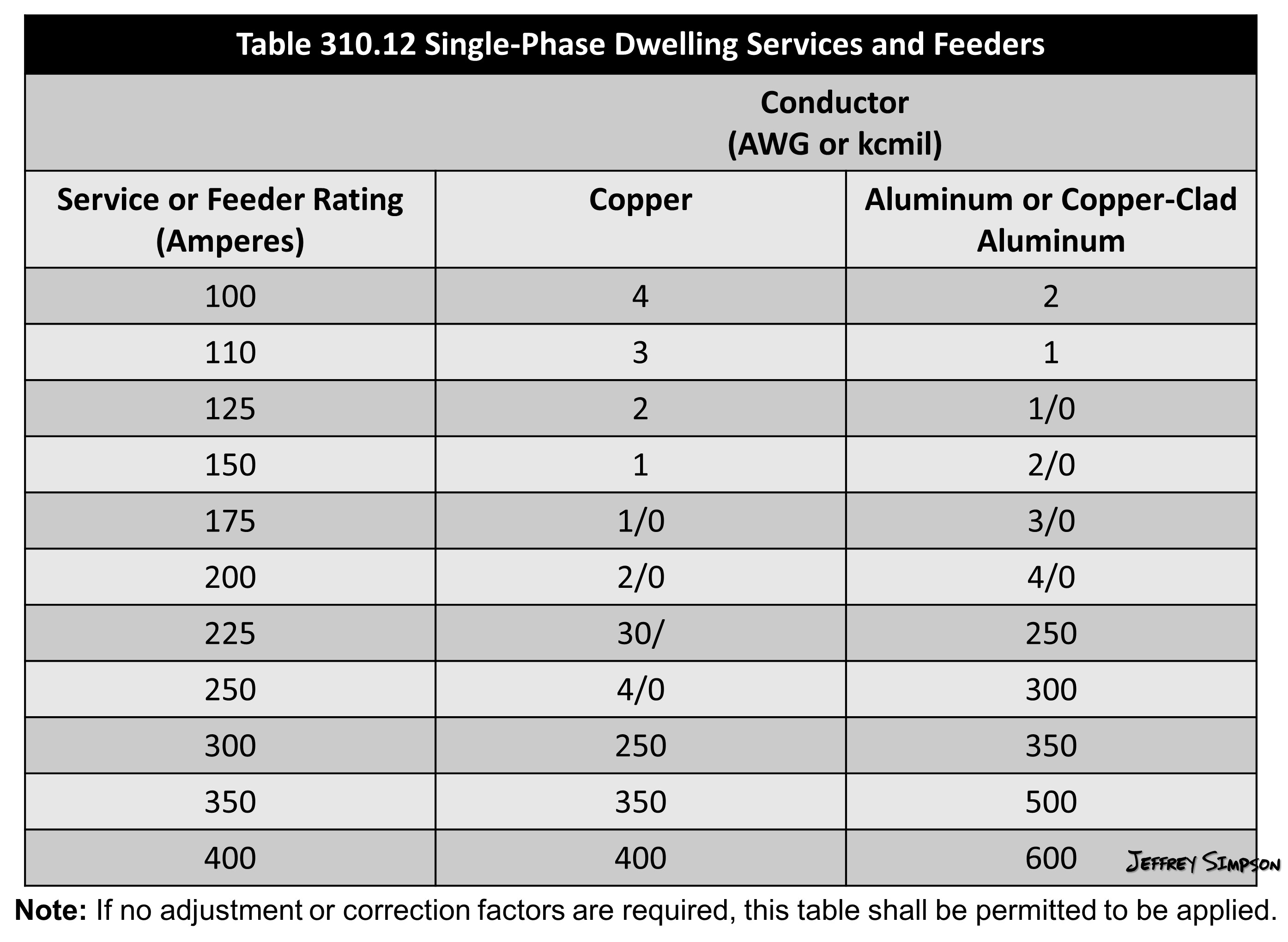
Once you've estimated your total electrical load, consult the National Electrical Code (NEC). The NEC provides tables and guidelines for determining the appropriate wire size based on the amperage and voltage of the service. It is highly recommended to consult with a licensed electrician to perform this calculation accurately and ensure compliance with local codes.
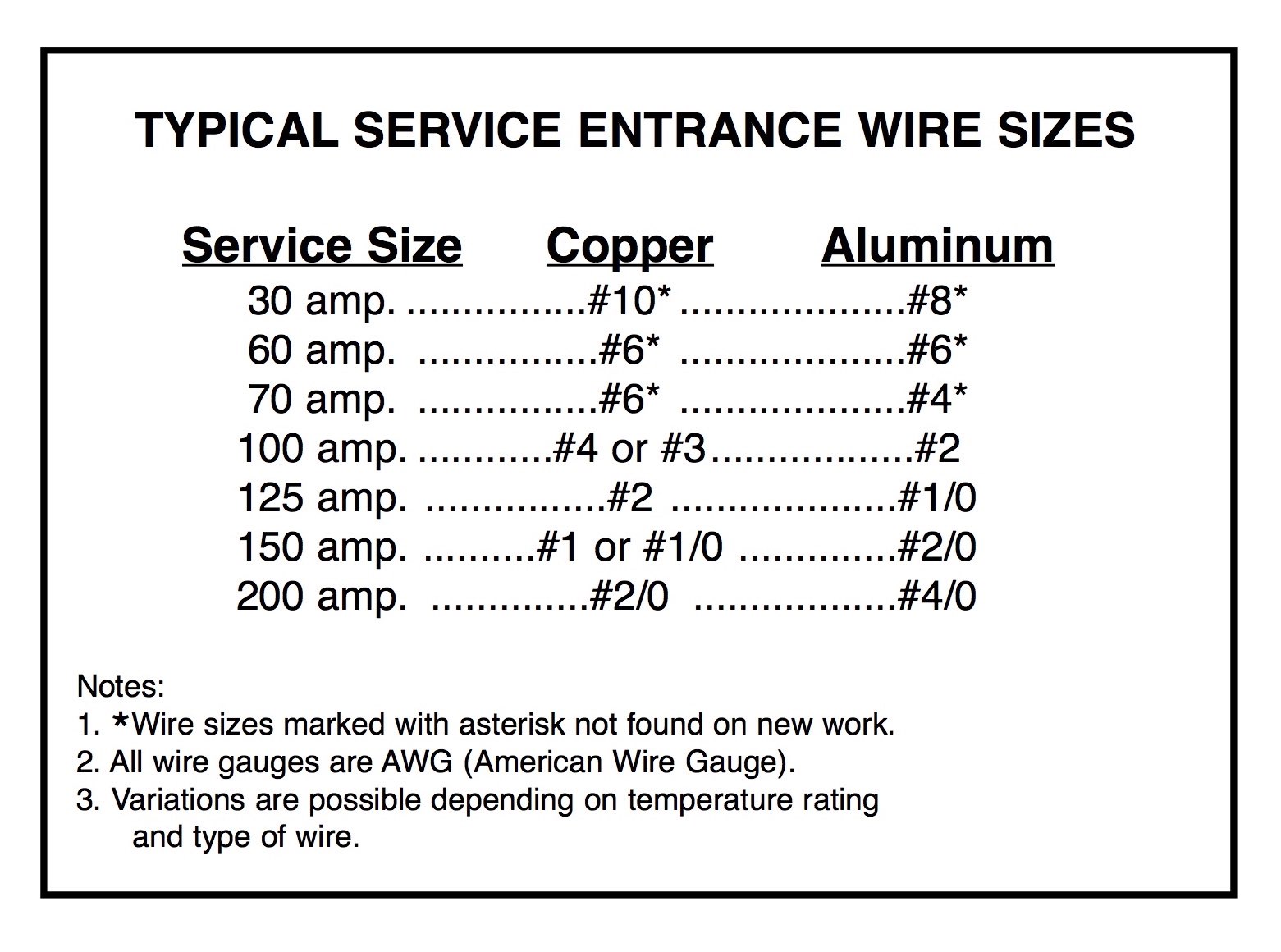
As a general rule of thumb, for a typical 100-amp service, a #2 AWG copper wire or a #1/0 AWG aluminum wire is often used. For a 200-amp service, a 4/0 AWG copper or aluminum wire might be required. However, these are just examples, and the actual size will depend on your specific electrical load and local codes.
Signs Your Service Drop Wire Might Be Undersized or Damaged
Even if your service drop wire was initially sized correctly, it can degrade over time due to weather exposure, corrosion, or physical damage. Here are some warning signs that warrant inspection by a qualified electrician:
- Dimming Lights: Lights that flicker or dim when other appliances are turned on.
- Appliance Malfunctions: Appliances that operate sluggishly or fail to reach their optimal performance.
- Circuit Breakers Tripping Frequently: Repeated tripping of circuit breakers, especially when multiple appliances are in use.
- Warm or Hot Outlets or Switches: Outlets or switches that feel warm to the touch.
- Visible Damage to the Wire: Cracks, corrosion, or sagging in the service drop wire.
- Buzzing or Humming Sounds: Unusual noises coming from the electrical panel or service drop wire.
If you notice any of these signs, it's crucial to contact a licensed electrician immediately. Ignoring these issues can lead to safety hazards, increased energy bills, and costly repairs.
Upgrading Your Service Drop Wire: A Smart Investment
Upgrading your service drop wire can be a significant investment, but the potential benefits in terms of energy savings, safety, and home value are substantial. Here's why it's worth considering:
- Improved Energy Efficiency: As mentioned earlier, a properly sized wire ensures that your appliances receive the correct voltage, optimizing their performance and reducing energy consumption.
- Increased Safety: Upgrading an undersized or damaged wire eliminates the risk of overheating and electrical fires.
- Enhanced Home Value: A modern, well-maintained electrical system increases the value and appeal of your home, especially for buyers who are concerned about energy efficiency and safety.
- Support for Smart Home Integration: Modern smart home devices, such as smart thermostats, lighting controls, and energy monitors, can add to the electrical load. An updated service drop wire ensures that your electrical system can handle these devices without compromising performance or safety.
- Future-Proofing Your Home: As technology advances and our reliance on electricity grows, upgrading your service drop wire prepares your home for future energy demands.
Integrating Smart HVAC and Energy Monitoring
Upgrading your service drop wire often goes hand-in-hand with other energy-efficient improvements, such as installing a smart HVAC system and energy monitoring devices. These technologies work together to optimize your energy usage and reduce your carbon footprint.
- Smart Thermostats: Smart thermostats learn your heating and cooling preferences and automatically adjust the temperature based on your schedule and occupancy. They can also be controlled remotely via your smartphone, allowing you to optimize energy usage even when you're away from home. Many models also offer energy usage reports, providing valuable insights into your energy consumption patterns. Products bearing the Energy Star label have been independently certified to save energy.
- Smart HVAC Systems: Modern HVAC systems often incorporate variable-speed compressors and advanced controls that optimize energy efficiency. Integrating these systems with smart thermostats allows for seamless control and monitoring of your home's climate.
- Energy Monitoring Devices: These devices track your energy consumption in real-time, providing detailed data on your energy usage patterns. They can identify energy-wasting appliances and help you make informed decisions about how to reduce your energy consumption. Some devices can even send alerts when your energy usage exceeds a certain threshold.
By combining an upgraded service drop wire with smart HVAC and energy monitoring technologies, you can create a truly energy-efficient and sustainable home.
Financial Incentives and Rebates
Many utility companies and government agencies offer financial incentives and rebates for energy-efficient upgrades, including upgrading your service drop wire. These incentives can significantly reduce the upfront cost of the upgrade, making it even more attractive. Check with your local utility company and state energy office to see what programs are available in your area. You might find rebates for:
- Smart thermostat installation
- HVAC system upgrades
- Energy audits
Choosing the Right Electrician
Selecting a qualified and experienced electrician is crucial for ensuring that your service drop wire upgrade is performed safely and correctly. Look for an electrician who is licensed, insured, and has a proven track record of successful service drop wire upgrades. Get multiple quotes and compare their prices and services. Don't hesitate to ask for references and check online reviews. A good electrician will also be able to assess your home's electrical load accurately and recommend the appropriate wire size for your needs.
In conclusion, understanding the importance of service drop wire size is a key step toward achieving energy efficiency and sustainability in your home. By ensuring that your service drop wire is properly sized and in good condition, you can reduce energy waste, improve safety, and pave the way for smart home integration. Consult with a qualified electrician to assess your needs and explore the potential benefits of upgrading your service drop wire. The long-term energy savings and increased home value will make it a worthwhile investment.