Service Entrance Cable Drip Loops
One of the most overlooked, yet crucial, aspects of home and building energy efficiency lies right where power enters your structure: the service entrance cable. Often, a simple bend – a drip loop – can be the unsung hero protecting your electrical system, your building's energy performance, and your wallet. This article explains the importance of service entrance cable drip loops, highlighting their role in energy efficiency, safety, and potential cost savings, making it essential knowledge for homeowners, business owners, and HVAC professionals alike.
What is a Service Entrance Cable Drip Loop?
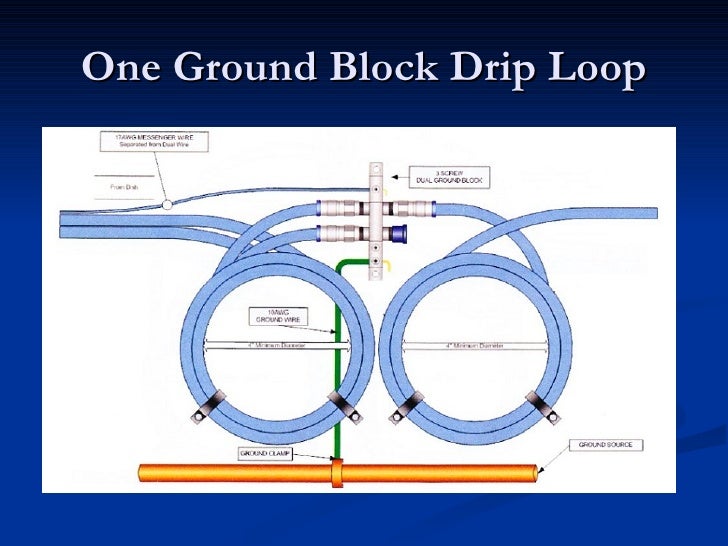
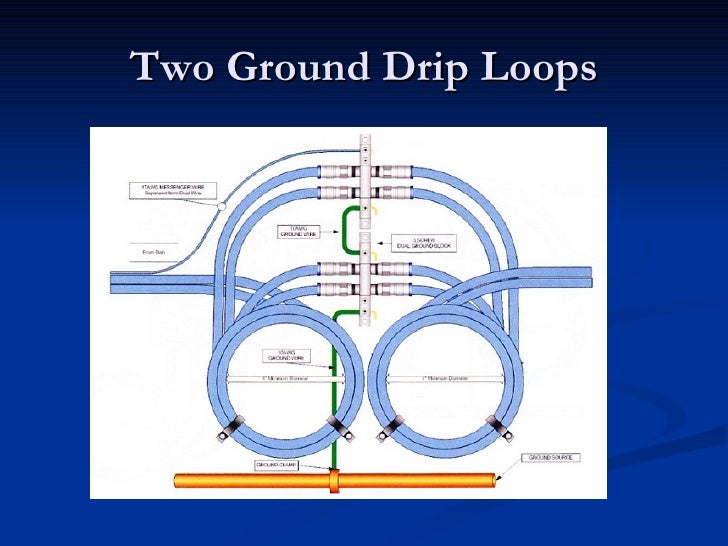
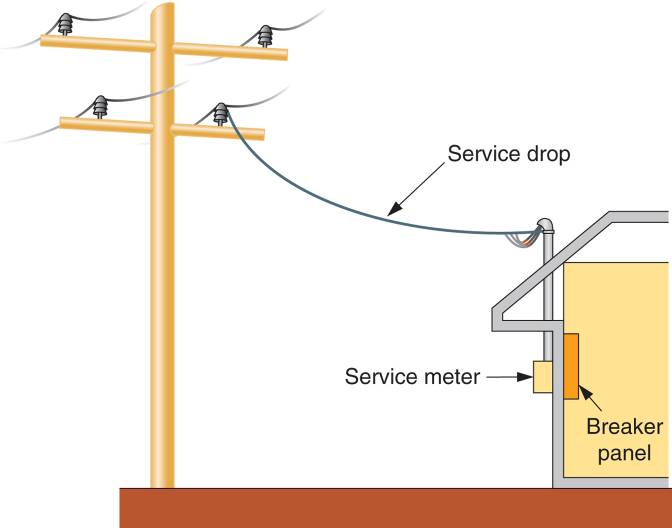
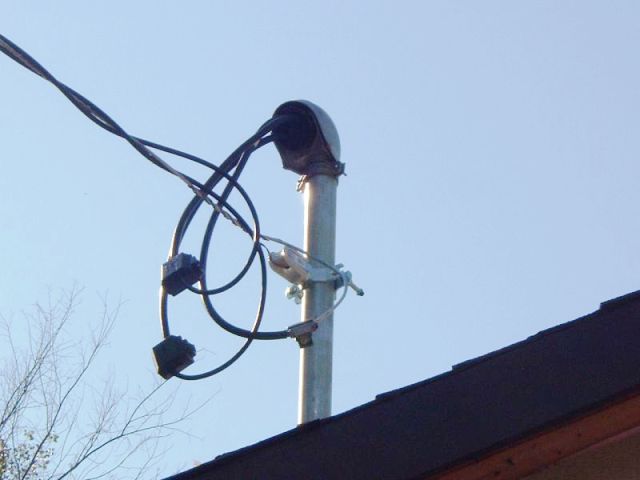
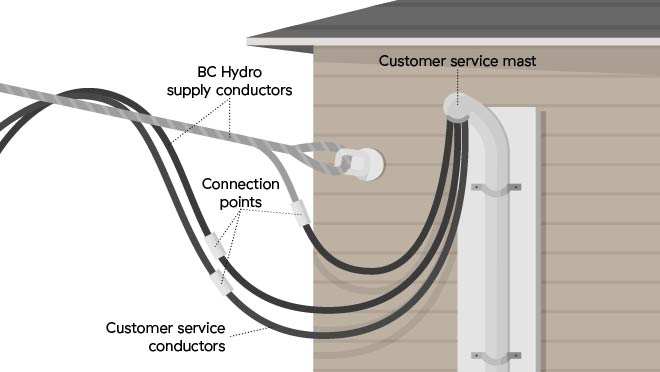
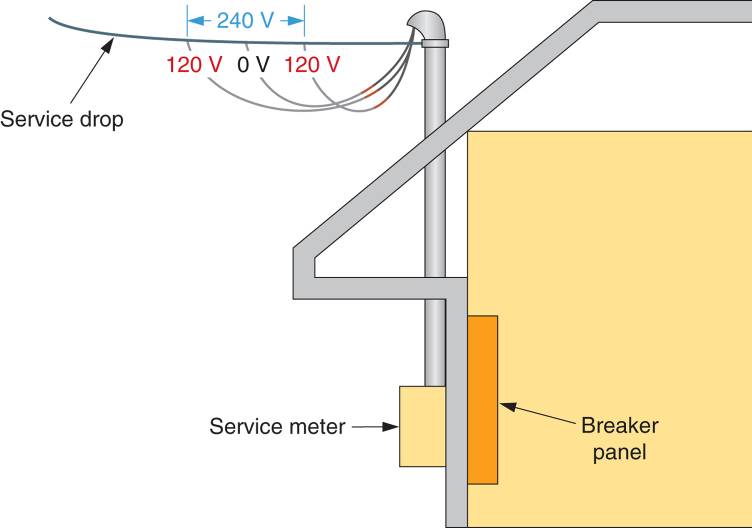
The service entrance cable is the lifeline that brings electricity from the utility company's grid to your electrical panel. It's typically a heavily insulated cable extending from the power lines, connecting to your building at a point of attachment, often the weatherhead. A drip loop is a deliberate bend or loop created in this cable just before it enters your home through the weatherhead or service entrance. This loop is positioned lower than the point where the cable enters the building, allowing water to drip off the cable before it can enter the structure.
Think of it as an umbrella for your electrical system. Without it, rainwater, snowmelt, and condensation would follow the cable directly into the weatherhead, potentially leading to corrosion, short circuits, and serious electrical hazards.
Why are Drip Loops Important for Energy Efficiency?
While a drip loop doesn’t directly improve your HVAC system's SEER rating, its role in preventing water intrusion is critical for maintaining overall energy efficiency. Here's how:
- Preventing Corrosion: Water inside the electrical system leads to corrosion of wires, connections, and circuit breakers. Corroded components have higher resistance, causing them to generate more heat and waste energy. This wasted energy translates into higher electricity bills. A properly installed drip loop mitigates this risk, extending the lifespan and efficiency of your electrical system.
- Avoiding Short Circuits: Moisture-induced short circuits can trip breakers, interrupting power supply to essential appliances, including your HVAC system. Frequent power outages not only cause inconvenience but also put extra strain on your HVAC equipment, potentially shortening its lifespan and impacting its energy performance. Regular disruptions can also interfere with smart home systems, leading to inefficiencies in thermostat settings and energy management.
- Maintaining Insulation Integrity: Water can damage the insulation around electrical wires, reducing its effectiveness and increasing the risk of energy leakage. This leakage can lead to increased energy consumption and higher utility bills. Drip loops help keep the insulation dry and intact, preserving its insulating properties.
In the context of energy efficiency, maintaining a dry and properly functioning electrical system is fundamental. By preventing water damage, drip loops indirectly contribute to a more energy-efficient home by ensuring that appliances, including your HVAC system, receive consistent, clean power without being subject to energy-wasting voltage drops and unnecessary wear and tear.
Safety Benefits: Protecting Your Home and Family
Beyond energy efficiency, drip loops are paramount for safety. Water and electricity are a dangerous combination. Here's how drip loops enhance safety:
- Preventing Electrical Shock: Water intrusion can create pathways for electrical current to travel to unintended surfaces, such as walls or metal pipes. This can create a risk of electrical shock if someone comes into contact with these surfaces. A drip loop helps prevent this dangerous scenario by keeping water out of the electrical system.
- Reducing Fire Hazards: Short circuits caused by water can generate heat, potentially igniting nearby flammable materials. A properly installed drip loop significantly reduces the risk of electrical fires by preventing water from causing short circuits.
- Protecting Electrical Equipment: Water damage can destroy sensitive electrical equipment, such as circuit breakers, surge protectors, and smart home devices. Drip loops help extend the lifespan of this equipment by keeping it dry and protected from the elements.
Installation Best Practices: Ensuring Optimal Performance
Installing a drip loop isn't just about creating a bend in the cable; it's about doing it correctly to ensure optimal protection. Here are some best practices:
- Proper Positioning: The loop should be positioned lower than the point where the cable enters the weatherhead or service entrance. This ensures that water drips off the loop before it reaches the entry point.
- Secure Fastening: The cable should be securely fastened to the building to prevent it from sagging or coming into contact with other objects. Use appropriate cable clamps and fasteners that are rated for outdoor use.
- Correct Cable Length: Allow sufficient cable length to create a loop of adequate size. The loop should be large enough to allow water to drip off easily without touching the building or any other structures.
- Professional Installation: It's always recommended to hire a qualified electrician to install or inspect your service entrance cable and drip loop. They have the knowledge and experience to ensure that the installation meets local electrical codes and is done safely and effectively.
Smart Home Integration: A Holistic Approach to Energy Efficiency
The benefits of a properly installed drip loop extend to smart home systems. Integrating smart thermostats, smart lighting, and energy monitoring systems can significantly enhance energy efficiency. However, these systems rely on a stable and reliable power supply. A drip loop ensures that these systems are protected from water damage, preventing disruptions and maintaining their optimal performance.
Imagine a smart thermostat programmed to automatically adjust the temperature based on occupancy and weather conditions. If a power outage caused by water intrusion disrupts the system, the thermostat may revert to default settings, negating the energy savings. Similarly, smart lighting systems that automatically dim or turn off lights when not needed can be rendered ineffective by power outages. A drip loop safeguards these systems, ensuring that they continue to operate as intended and deliver the expected energy savings.
Furthermore, energy monitoring systems can provide valuable insights into energy consumption patterns. However, these systems are also vulnerable to water damage. A properly installed drip loop protects these systems, ensuring that they provide accurate and reliable data, allowing homeowners and business owners to make informed decisions about energy usage.
ROI and Cost Savings: A Long-Term Investment
While the initial cost of installing a drip loop may seem minimal, the long-term ROI can be significant. By preventing water damage, drip loops help extend the lifespan of your electrical system, reduce the risk of costly repairs, and maintain energy efficiency. Consider the cost of replacing corroded wiring, repairing water-damaged equipment, or dealing with electrical fires. These costs can quickly add up, making a drip loop a wise investment.
Furthermore, the energy savings associated with a properly functioning electrical system can also contribute to a significant ROI. By preventing energy waste caused by corrosion, short circuits, and insulation damage, drip loops help lower your electricity bills and reduce your carbon footprint. Over time, these savings can offset the cost of installation and provide a substantial return on investment.
To quantify the potential savings, consider this example: A homeowner spends an average of $2,000 per year on electricity. If a corroded electrical system is wasting just 5% of that energy, the homeowner is losing $100 per year. Over a 10-year period, that amounts to $1,000 in wasted energy. A drip loop, which typically costs a few hundred dollars to install, can prevent this waste and save the homeowner money in the long run. Furthermore, a well maintained service entrance cable, facilitated by a drip loop, will provide maximum protection from power surges to expensive devices like HVAC systems, TVs, and other appliances. In the event of a major surge, a failed service entrance cable is far easier and cheaper to replace than an HVAC system.
Rebates and Incentives: Making Energy Efficiency Affordable
Many utility companies and government agencies offer rebates and incentives for energy-efficient upgrades, including electrical system improvements. Check with your local utility company or state energy office to see if there are any rebates or incentives available for installing or upgrading your service entrance cable and drip loop. These incentives can help offset the cost of installation and make energy efficiency even more affordable. For example, Energy Star often promotes programs related to home energy audits and efficiency upgrades, which might include incentives for electrical system improvements.
Also, the Inflation Reduction Act of 2022 has expanded tax credits for energy-efficient home improvements, potentially covering electrical upgrades that enhance efficiency and safety. Researching these programs can help you maximize your savings and make energy efficiency more accessible.
When to Inspect and Maintain Your Drip Loop
A visual inspection of your drip loop should be a part of your routine home maintenance. Here's what to look for:
- Cable Sagging: Ensure the cable is properly supported and not sagging. Sagging can compromise the effectiveness of the loop.
- Cracks or Damage: Check the cable insulation for any cracks, cuts, or damage. Damaged insulation can expose the wires to the elements and create a safety hazard.
- Corrosion: Look for signs of corrosion on the cable connectors or weatherhead. Corrosion can indicate water intrusion and potential electrical problems.
- Proper Clearance: Ensure the drip loop has adequate clearance from the ground, trees, and other structures. Contact with these objects can damage the cable or create a safety hazard.
If you notice any of these issues, contact a qualified electrician for an inspection and repair. Regular maintenance can help prevent problems before they escalate and ensure that your drip loop continues to protect your electrical system and your home.
Conclusion: A Simple Solution for Lasting Benefits
The service entrance cable drip loop is a simple yet essential component of a safe and energy-efficient home. By preventing water intrusion, it protects your electrical system, enhances safety, and contributes to long-term cost savings. Whether you're a homeowner looking to lower your energy bills, a business owner upgrading to eco-friendly systems, or an HVAC professional selling energy-efficient solutions, understanding the importance of drip loops is crucial. Ensure that your service entrance cable has a properly installed and maintained drip loop to protect your investment and enjoy the benefits of a safe and energy-efficient home.
Remember, prioritizing safety and energy efficiency goes hand in hand. A small investment in a drip loop can yield significant returns in terms of safety, cost savings, and peace of mind.