Shelves On Each Side Of Fireplace

Adding shelves on either side of a fireplace is a popular design choice that combines aesthetic appeal with practical storage solutions. These built-ins can transform a plain fireplace into a stunning focal point while providing valuable space for displaying books, photos, decorative items, and even electronics. This guide will explore the different aspects of designing, building, or installing shelves flanking your fireplace, helping you make informed decisions that suit your style and needs.
Planning Your Shelving Project
Before you start hammering and sawing, careful planning is crucial. Consider these key factors:
Assessing Your Needs and Space
First, determine why you want shelves. Are you primarily looking for storage, display space, or a combination of both? This will influence the size, depth, and style of your shelves.
Next, measure the space around your fireplace precisely. Consider the height of the fireplace, the width of the chimney breast (if applicable), and the overall dimensions of the wall. Accurate measurements are essential for ensuring a seamless and professional-looking result. Don't forget to check for any obstructions, such as electrical outlets or heating vents.
Choosing a Style
The style of your shelves should complement the architectural style of your home and the design of your fireplace. Here are a few popular options:
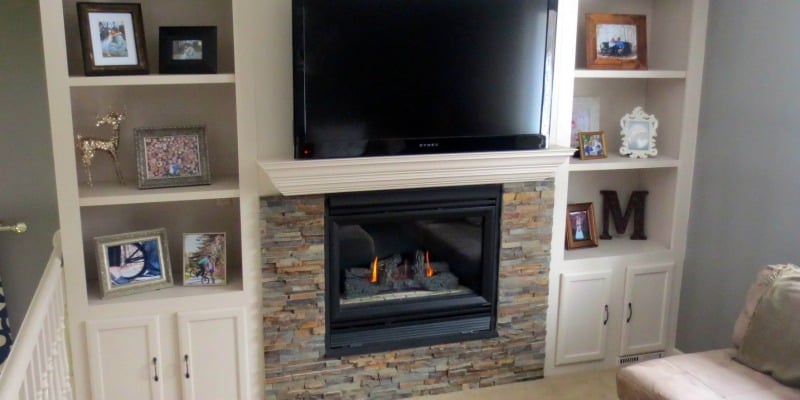
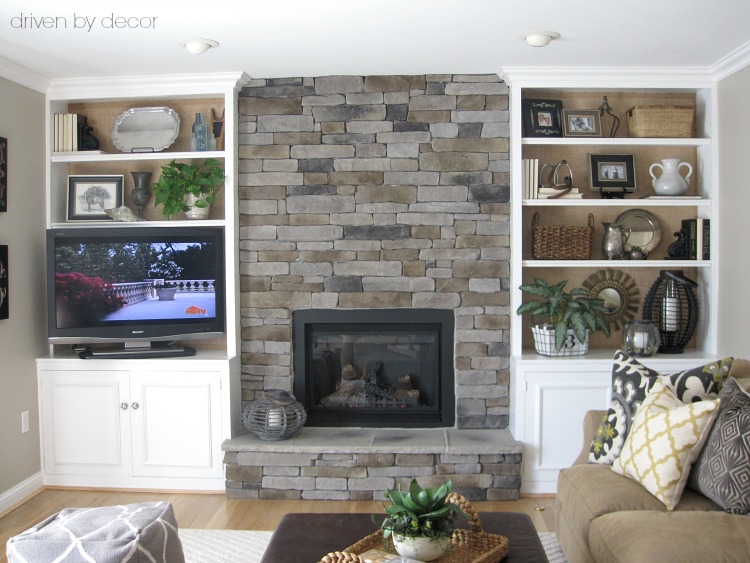
- Built-in Shelves: These are integrated directly into the wall, creating a seamless and custom look. They typically require more extensive construction but offer a very polished finish.
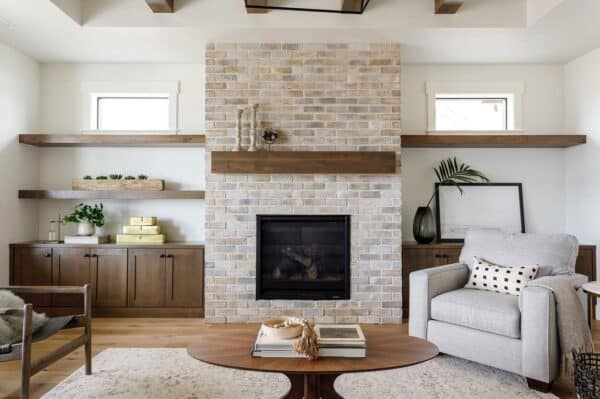
- Floating Shelves: These shelves appear to "float" on the wall without visible supports. They create a minimalist and modern aesthetic.
- Freestanding Shelves: These are standalone units that can be placed on either side of the fireplace. They are easier to install and offer more flexibility in terms of placement and style.
- Open Shelves: These shelves have no doors or drawers, allowing you to display items openly. They are ideal for showcasing decorative objects and books.
- Closed Shelves: These shelves have doors or drawers, providing concealed storage for items you want to keep out of sight. They are useful for storing clutter or electronics.
Selecting Materials
The materials you choose will affect the look, durability, and cost of your shelves. Common options include:
- Wood: Wood is a classic and versatile choice that can be stained or painted to match your décor. Consider different wood types like pine (more affordable), oak (durable and attractive grain), maple (smooth and paintable), or cherry (rich and elegant).
- MDF (Medium-Density Fiberboard): MDF is an engineered wood product that is smooth, stable, and easy to paint. It's a good option for painted shelves but is not as durable as solid wood.
- Plywood: Plywood is another engineered wood product made from layers of wood veneer. It's strong and stable, making it a good option for shelves that will bear heavy loads.
- Metal: Metal shelves offer a modern and industrial look. They are durable and can be used in combination with wood or glass.
- Glass: Glass shelves are often used for display purposes. They are elegant and allow light to pass through, making them ideal for highlighting decorative items.
Considering Fire Safety
Fire safety is paramount when building shelves near a fireplace. Ensure that your shelves are a safe distance from the firebox opening. Consult your local building codes for specific requirements. Avoid using highly flammable materials, such as certain plastics or fabrics, near the fireplace. Consider using fire-resistant materials, such as fire-rated drywall or specialized coatings, to protect the shelves and surrounding walls.
Building vs. Buying
You have two main options: build the shelves yourself or purchase pre-made units. Each option has its pros and cons.
Building Your Own Shelves
Pros:
- Customization: You have complete control over the design, size, and materials.
- Cost Savings: Building your own shelves can potentially be more affordable than buying pre-made units, especially if you already have some of the necessary tools and materials.
- Personal Satisfaction: Building your own shelves can be a rewarding experience.
Cons:
- Time Commitment: Building shelves requires time, effort, and skill.
- Skill Required: You need to have basic woodworking skills, including measuring, cutting, and assembling.
- Tools Required: You'll need a variety of tools, such as a saw, drill, level, and measuring tape.
Buying Pre-Made Shelves
Pros:
- Convenience: Pre-made shelves are easy to install and require minimal effort.
- Variety: You can find a wide variety of pre-made shelves in different styles, sizes, and materials.
- Time Savings: You can save a significant amount of time by purchasing pre-made shelves.
Cons:
- Limited Customization: You are limited to the available styles and sizes.
- Potentially Higher Cost: Pre-made shelves can be more expensive than building your own.
- Fit Issues: It can be challenging to find pre-made shelves that fit perfectly in your space.
Installation Tips
Whether you're building or buying, proper installation is crucial for ensuring the stability and longevity of your shelves.
Finding Studs
When attaching shelves to the wall, always try to secure them to wall studs. Studs are vertical framing members that provide structural support. Use a stud finder to locate the studs behind the drywall. If you can't find studs in the desired location, use appropriate drywall anchors to provide sufficient support.
Using the Right Hardware
Choose screws and anchors that are appropriate for the weight and type of materials you're using. For heavy shelves, use lag screws or toggle bolts for maximum support. Make sure the screws are long enough to penetrate the stud or anchor securely.
Ensuring Level Installation
Use a level to ensure that your shelves are perfectly horizontal. An unlevel shelf can look unprofessional and cause items to slide off. Use shims to adjust the level as needed.
Finishing Touches
Once the shelves are installed, take the time to add finishing touches that will enhance their appearance. Fill any nail holes or gaps with wood filler and sand smooth. Apply a coat of paint or stain to match your décor. Consider adding decorative trim or molding to create a more polished look.
Design Considerations
Beyond the practical aspects, consider the aesthetic impact of your shelves. Thoughtful design can transform your fireplace area into a stylish and inviting space.
Creating Visual Balance
Aim for visual balance on both sides of the fireplace. This doesn't necessarily mean that the shelves need to be identical, but they should have a similar overall weight and proportion. You can achieve balance by varying the size, shape, and arrangement of items on the shelves.
Choosing a Color Palette
Select a color palette that complements your fireplace and the surrounding décor. You can choose to match the color of the shelves to the fireplace mantel or use a contrasting color to create a focal point. Consider using different shades of the same color to add depth and interest.
Arranging Items Effectively
The way you arrange items on your shelves can have a significant impact on their overall appearance. Follow these tips for effective shelf styling:
- Vary the heights and sizes of objects.
- Group items in odd numbers.
- Leave some negative space.
- Incorporate different textures.
- Add personal touches.
Incorporating Lighting
Lighting can enhance the look of your shelves and highlight your displayed items. Consider adding recessed lighting, spotlights, or LED strip lights to illuminate the shelves. You can also use decorative lamps or candles to create a warm and inviting ambiance.
Safety Considerations
Apart from fire safety, consider other safety aspects, especially if you have children or pets.
Securing Tall Shelves
If you have tall shelves, especially freestanding ones, consider anchoring them to the wall to prevent them from tipping over. This is particularly important if you have young children who may try to climb on the shelves.
Avoiding Overloading Shelves
Do not overload your shelves with excessive weight. Check the weight capacity of the shelves and hardware you're using. Distribute the weight evenly to prevent the shelves from sagging or collapsing.
Using Non-Toxic Materials
When choosing materials and finishes, opt for non-toxic options, especially if you have children or pets. Look for paints and stains that are low-VOC (volatile organic compounds) and free from harmful chemicals.
Conclusion
Adding shelves on each side of your fireplace is a rewarding project that can enhance the beauty and functionality of your home. By carefully planning your design, selecting the right materials, and following proper installation techniques, you can create a stunning focal point that reflects your personal style and provides valuable storage and display space. Remember to prioritize safety throughout the process, and enjoy the transformation of your fireplace area!