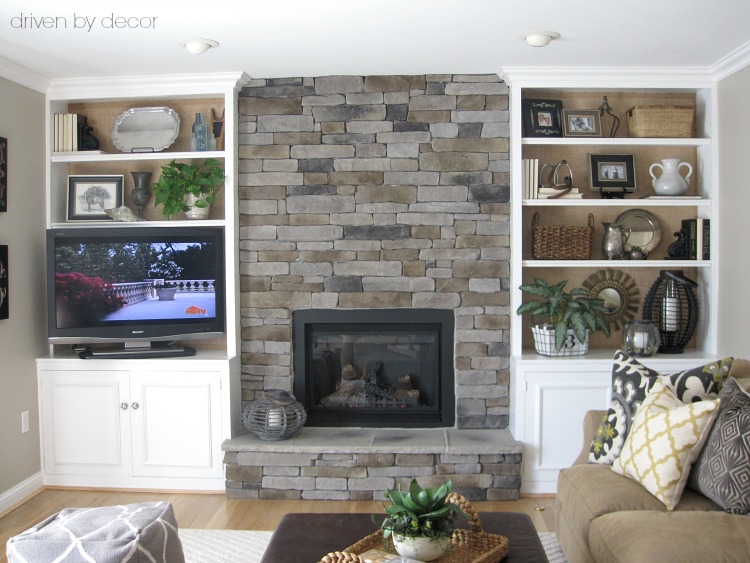
Shelves Side Of Fireplace

The Unexpected Intersection: HVAC Considerations Near Fireplace Shelving
For HVAC professionals, the built environment presents a constant puzzle. Every structure, from a sprawling commercial complex to a cozy residential dwelling, demands a unique heating, ventilation, and air conditioning solution. And within those dwellings, seemingly innocuous architectural features like shelves beside fireplaces can introduce unexpected challenges and opportunities.
The Thermal Dynamics of Fireplace Shelving
At first glance, fireplace shelving might seem purely decorative. However, understanding the thermal dynamics around a fireplace is crucial for HVAC technicians. Shelves positioned too close to the firebox can impede airflow, trap heat, and potentially create fire hazards. Conversely, a well-designed shelving system can contribute to the overall energy efficiency of a room.
Consider this scenario: a client complains of uneven heating in their living room. The fireplace, surrounded by custom-built shelves, is the focal point. An experienced HVAC technician will investigate whether the shelves are obstructing the natural convection currents created by the fireplace, forcing heat upwards and away from the lower areas of the room. Incorrect installation of ductwork in proximity of the shelves will also negatively impact efficiency.
HVAC Considerations During New Construction and Renovation
This is where collaboration between architects, builders, and HVAC professionals becomes paramount. During the design phase, the placement of shelves relative to the fireplace should be carefully considered. Key factors include:
- Clearance to combustibles: Ensuring adequate space between the firebox and any flammable materials (wood shelving, books, decorations) is critical to prevent fires. Building codes dictate specific clearance requirements that must be strictly adhered to.
- Airflow: Shelves should not impede the natural flow of air around the fireplace. Proper ventilation is essential for efficient combustion and to prevent the buildup of carbon monoxide.
- Ductwork proximity: Placement of HVAC ductwork near the fireplace must account for heat radiating from the firebox. Excessive heat can damage or melt ductwork, affecting efficiency and potentially causing safety hazards.
- Insulation: Ensure proper insulation around the fireplace and shelving area to prevent heat loss and maintain consistent room temperature.
The Role of HVAC Technicians in Troubleshooting
Existing homes often present unique challenges. Homeowners might add shelving after the initial HVAC system installation, creating problems that weren't originally present. HVAC technicians need to be adept at diagnosing these issues and proposing solutions. This could involve:
- Recommending alternative shelving configurations: Suggesting modifications to the shelving to improve airflow and reduce fire hazards.
- Modifying ductwork: Rerouting or insulating ductwork to protect it from excessive heat.
- Installing heat shields: Adding heat shields to protect combustible materials from the radiant heat of the fireplace.
- Suggesting fireplace inserts: Installing a modern fireplace insert that's more energy efficient and produces less radiant heat.
Career Pathways and Opportunities
Understanding the nuances of HVAC systems in relation to architectural features like fireplace shelving can open doors to specialized career paths. Here are some examples:
- Residential HVAC Specialist: Focusing on diagnosing and resolving heating and cooling issues in homes, including those related to fireplaces and their surrounding structures. The Bureau of Labor Statistics (BLS) projects employment of HVAC mechanics and installers to grow 6% from 2022 to 2032, about as fast as the average for all occupations. The median annual wage for these workers was $51,900 in May 2022.
- Energy Auditor: Assessing the energy efficiency of homes and recommending improvements, including optimizing fireplace usage and insulation. According to the BLS, the median annual wage for energy auditors was $87,970 in May 2022. Demand for energy auditors is expected to grow as homeowners seek ways to reduce their energy consumption and lower utility bills.
- HVAC Design Engineer: Designing HVAC systems for new construction and renovation projects, taking into account architectural features like fireplaces and ensuring optimal performance and safety.
- HVAC Sales and Consulting: Advising homeowners and businesses on the best HVAC solutions for their needs, including fireplace options and energy-efficient upgrades.
The Importance of Certifications
For HVAC professionals, certifications are essential for demonstrating competence and credibility. Here are some key certifications that are relevant to this specialization:
- NATE (North American Technician Excellence): NATE certification demonstrates a technician's knowledge and skills in specific HVAC areas, such as installation, service, and repair.
- EPA Section 608 Certification: Required for technicians who handle refrigerants, this certification ensures compliance with environmental regulations.
- Building Performance Institute (BPI) Certification: BPI certification validates a technician's ability to perform energy audits and recommend energy-efficient improvements.
- Manufacturer-Specific Certifications: Many HVAC equipment manufacturers offer certifications for their specific products, demonstrating expertise in installation, service, and repair.
Salary Expectations in the HVAC Field
Salary ranges for HVAC professionals vary depending on experience, location, and certifications. Entry-level technicians can expect to earn around $35,000 to $45,000 per year. Experienced technicians with specialized skills and certifications can earn upwards of $60,000 to $80,000 or more per year. Management positions and specialized roles, such as HVAC design engineers, can command even higher salaries.
Investing in training, certifications, and continuous learning is essential for career advancement and earning potential in the HVAC field.
The Future of HVAC and Smart Homes
The increasing integration of smart home technology is creating new opportunities for HVAC professionals. Smart thermostats, connected HVAC systems, and home automation platforms are becoming increasingly popular, allowing homeowners to control their heating and cooling systems remotely and optimize energy efficiency. These technologies also create opportunities for predictive maintenance and remote diagnostics, enabling technicians to identify and resolve problems before they become major issues.
For example, a smart thermostat can detect when a fireplace is in use and adjust the HVAC system accordingly to prevent overheating or uneven heating. HVAC technicians who are proficient in smart home technology will be in high demand as these systems become more prevalent.
Real-World Example: Diagnosing Airflow Problems Near a Fireplace
Imagine a homeowner complaining that their living room is always cold in the winter, despite having a roaring fire in their fireplace. The HVAC technician arrives and discovers that the custom-built shelves surrounding the fireplace are blocking the natural convection currents, trapping the heat near the ceiling and preventing it from circulating throughout the room. The technician recommends removing the top shelf to allow for better airflow and suggests installing a small fan near the floor to circulate the warm air. The homeowner follows the technician's advice, and the problem is resolved.
This example illustrates the importance of understanding the interplay between HVAC systems and architectural features like fireplace shelving. By combining technical expertise with problem-solving skills, HVAC professionals can provide valuable solutions to homeowners and businesses.
Conclusion
The relationship between HVAC systems and fireplace shelving is a microcosm of the broader challenges and opportunities in the HVAC field. It requires a blend of technical knowledge, problem-solving skills, and a keen understanding of the built environment. By embracing continuous learning, pursuing relevant certifications, and staying abreast of industry trends, HVAC professionals can thrive in this dynamic and rewarding field.