Should A Box Fan Face In Or Out
Box fans. Those ubiquitous squares of whirring air. Simple, affordable, and surprisingly versatile, they're a staple in many homes. But have you ever stopped to consider whether you're using yours to its full potential? The question of whether a box fan should face in or out is more nuanced than you might think. The correct answer depends entirely on what you're trying to achieve.
Understanding Airflow and Pressure
Before diving into specific scenarios, it's crucial to grasp the basic principles of airflow and pressure. Air naturally moves from areas of high pressure to areas of low pressure. A fan, in essence, creates a pressure difference. When a fan blows air into a room, it increases the air pressure (slightly). When it blows air out of a room, it decreases the air pressure (again, slightly).
The "In" vs. "Out" Debate: Scenarios and Solutions
Let's explore some common situations where the direction of your box fan matters:
1. Cooling a Room Without Air Conditioning
This is the most common use case. Here's the breakdown:
- Facing In: The classic approach. The fan pulls air from behind it and pushes it forward, creating a cooling breeze. This works well if the air behind the fan is cooler than the air in front of it. For example, placing the fan near a window at night to draw in the cool night air.
- Facing Out: If the air outside is hotter than the air inside, facing the fan out is generally not recommended. You'll be drawing hot air into the room, making it feel stuffier. However, there are exceptions. If you are using evaporative cooling or a DIY AC setup and want to vent the warm moist air out, this can be beneficial.
DIY Tip: Place a bowl of ice water in front of the fan to create a makeshift evaporative cooler. As the air blows over the ice water, it picks up moisture, creating a cooler, more humid breeze. Remember to monitor humidity levels to avoid discomfort or mold growth.
Safety First: Ensure the fan is placed on a stable surface and away from water sources. Never leave a fan running unattended for extended periods.
2. Whole-House Ventilation
Want to circulate air throughout your entire house? This requires a bit more strategy.
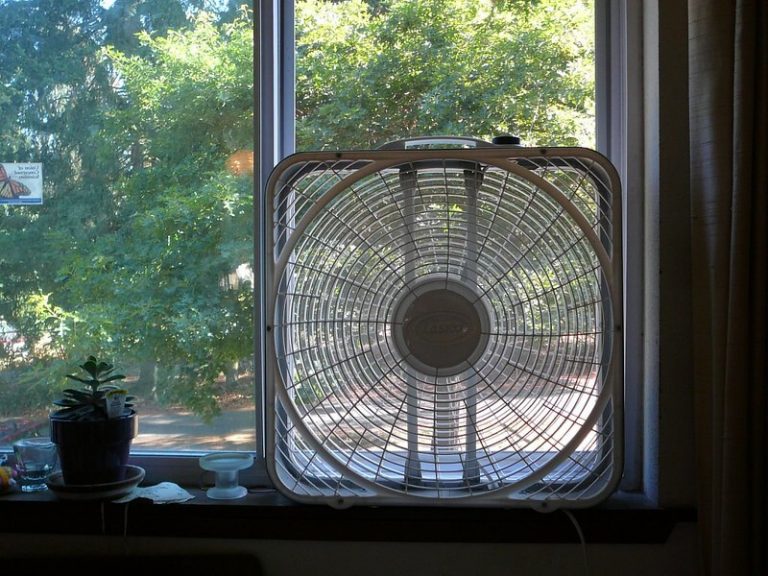
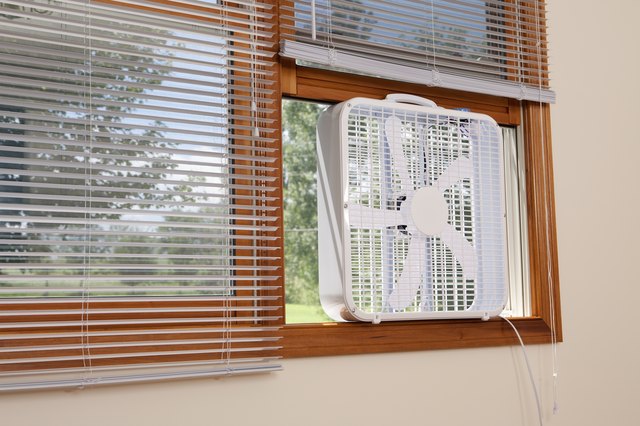
- One Fan In, One Fan Out: The most effective approach. Place one fan in a window to draw cool air in and another fan in a different window (ideally on the opposite side of the house) to push warm air out. This creates a cross-breeze that can significantly improve ventilation.
- Multiple Fans In: Use several fans to draw in cool air from different locations. This can be useful if you have multiple windows facing a cool direction.
- Multiple Fans Out: Primarily use fans to exhaust hot air from rooms to reduce heat buildup.
Important Consideration: Consider the prevailing wind direction. Position your fans to work with the natural airflow for optimal results.
3. Removing Odors and Stale Air
Whether it's cooking smells, paint fumes, or just stale air, a box fan can help.
- Facing Out: Position the fan near the source of the odor and face it out to exhaust the contaminated air. Open a window or door elsewhere in the room to allow fresh air to enter and replace the exhausted air.
Example: After painting a room, place a fan in the window, facing out, to vent the paint fumes. Close the door and open a window in an adjacent room to create a flow of fresh air.
4. Drying Wet Surfaces (After a Leak or Spill)
Dealing with a water leak or spill? A box fan can help speed up the drying process.
- Facing Towards: Direct the fan towards the wet surface to promote evaporation. Be mindful of potential mold growth. If the spill involves sewage or other contaminants, call a professional water damage restoration company.
Pro Tip: Combine the fan with a dehumidifier to further accelerate the drying process and prevent mold growth. Mold remediation can be costly, ranging from $500 to $6,000 or more, depending on the extent of the damage.
5. Improving Air Circulation in an HVAC System
While a box fan shouldn't replace a properly functioning HVAC system, it can help supplement it.
- Assist HVAC airflow: Place fans in hallways or rooms with poor airflow to help distribute conditioned air more evenly. Experiment with fan direction to see what works best for your specific layout. Sometimes, facing a fan towards an HVAC vent will help push the air further into the room.
HVAC Troubleshooting Tip: If you notice consistently poor airflow in certain rooms, check your air filters. A clogged filter restricts airflow and can strain your HVAC system. Replacing an air filter is a simple DIY task that can save you money on energy bills and prevent costly repairs. Expect to pay between $10 and $30 for a standard filter.
Common Box Fan Problems and Basic Troubleshooting
Box fans are relatively simple machines, but they can still experience problems.
- Fan Not Turning On:
- Check the power cord for damage.
- Ensure the outlet is working.
- Inspect the motor for any obstructions.
- Fan Making Excessive Noise:
- Check for loose screws or parts.
- Lubricate the motor with a few drops of machine oil.
- Clean the fan blades to remove dust and debris.
- Fan Blades Not Spinning Properly:
- Ensure the fan blades are not bent or damaged.
- Check for obstructions in the fan cage.
Tools You Might Need: Screwdriver set, machine oil, compressed air, cleaning cloths, electrical tester (for checking outlets).
When to Call a Professional
While basic maintenance and troubleshooting are within the realm of DIY, certain issues require professional attention. If you encounter any of the following, it's best to call an HVAC technician:
- Electrical Problems: If you suspect a wiring issue or experience electrical shocks, do not attempt to repair the fan yourself.
- Motor Failure: If the motor is completely dead or making unusual grinding noises, it may need to be replaced. Motor replacement can be complex and may not be cost-effective for an inexpensive box fan.
- HVAC System Issues: If you're experiencing persistent problems with your HVAC system, a box fan is only a temporary fix. A professional can diagnose and repair the underlying issue. HVAC repair costs vary widely depending on the problem, but expect to pay at least $100 for a service call.
Parts and Materials
Here's a list of parts and materials you might need for basic box fan maintenance:
- Machine Oil: For lubricating the motor.
- Screws: Replacement screws for loose or missing fasteners.
- Air Filters: For your HVAC system (if you're using the fan to supplement airflow).
Cost Considerations
The cost of a new box fan is relatively low, typically ranging from $20 to $50. Replacement parts are also inexpensive. However, if your box fan is part of a larger effort to improve home ventilation or cooling, consider the following costs:
- Window Air Conditioner: $150 - $500+
- Portable Air Conditioner: $300 - $800+
- Whole-House Fan Installation: $1,000 - $4,000+
- HVAC System Repair: $100+ (service call) to thousands for major repairs or replacement.
Conclusion
The humble box fan is a powerful tool for improving air circulation, cooling, and ventilation. By understanding the principles of airflow and pressure, you can strategically position your fan to achieve the desired results. Remember to prioritize safety and call a professional when necessary. And, as you've learned, the answer to "Should a box fan face in or out?" is almost always "It depends!".