Should A Condensate Pump Have Water In It

One of the most common, and often overlooked, issues homeowners face is a malfunctioning condensate pump. These pumps are crucial for removing water produced by your air conditioner, furnace (high-efficiency models), or dehumidifier. A neglected condensate pump can lead to overflowing water, potentially causing water damage, mold growth, and costly repairs. A frequent question is, "Should my condensate pump always have water in it?"
The short answer is yes, a condensate pump *should* have some water in it. It needs water to trigger the float switch that activates the pump. However, the level of water and the pump's behavior are critical indicators of its health. A constantly running pump or a pump overflowing with water are both signs of a problem. This guide will walk you through diagnosing and fixing common condensate pump issues, empowering you to tackle these problems yourself while understanding when professional help is needed.
Understanding Your Condensate Pump
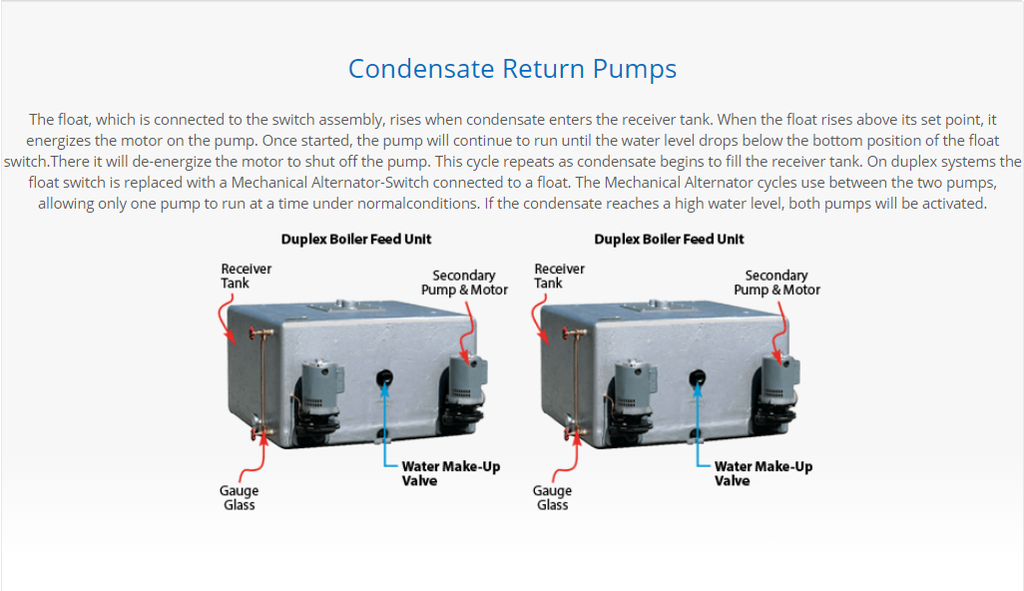
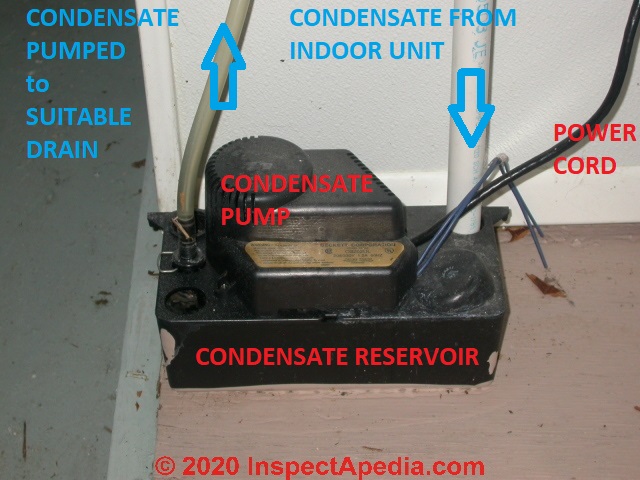
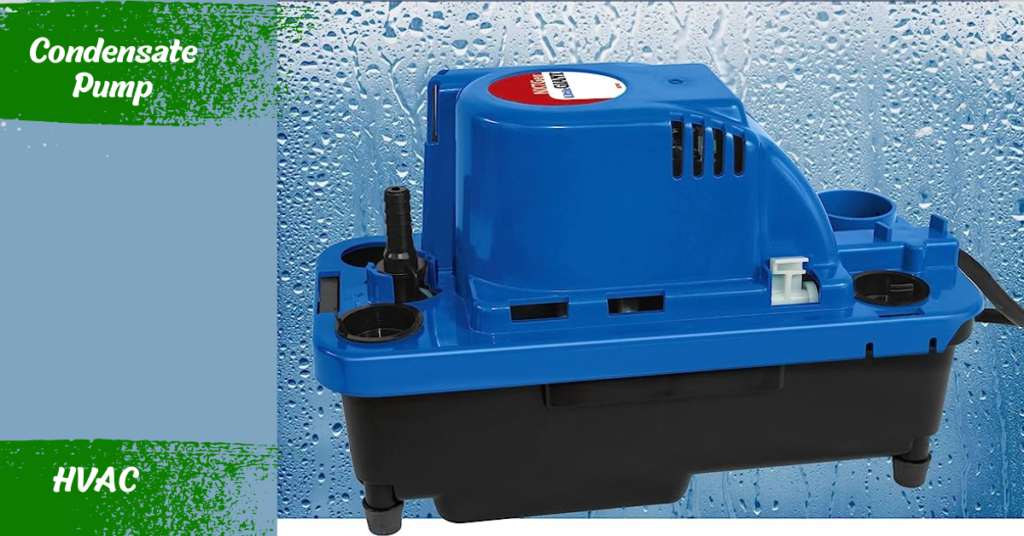
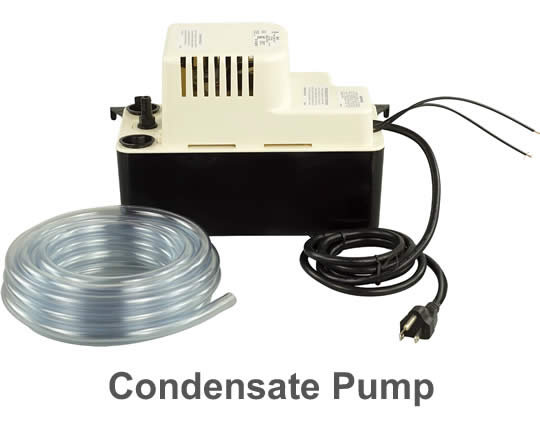
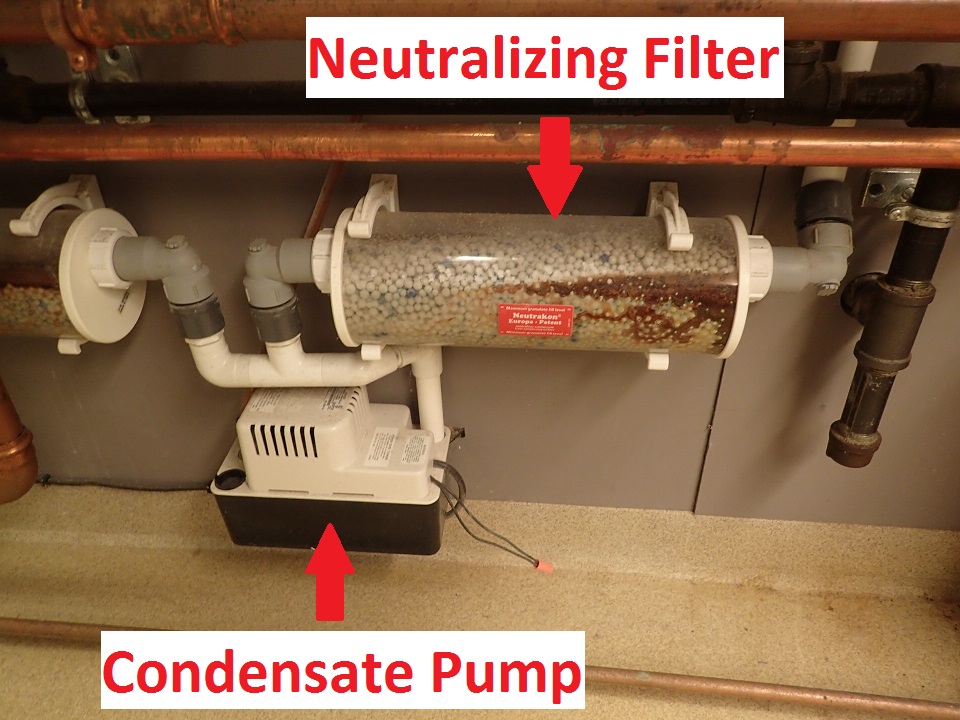
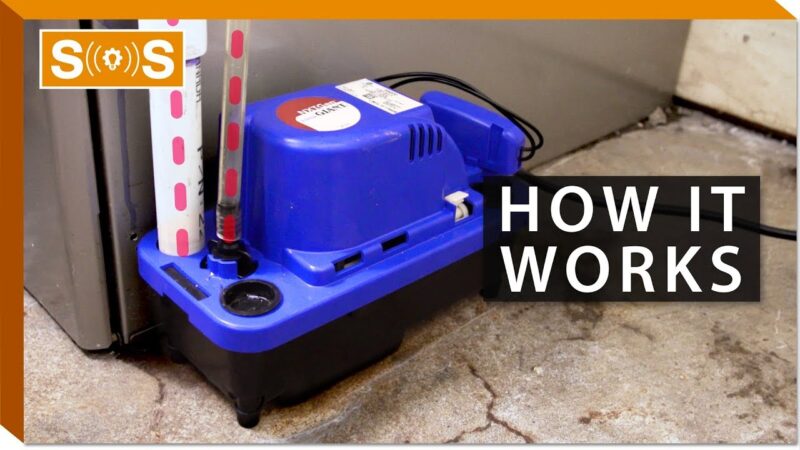
Before diving into troubleshooting, let's understand the basics. A condensate pump is a small, electrically powered pump that collects water produced by your HVAC system or dehumidifier. It usually sits near the unit it serves and has an inlet where water drains into a reservoir. Inside the reservoir is a float switch. As the water level rises, the float rises, activating the pump when it reaches a certain point. The pump then expels the water through a discharge tube, usually into a nearby drain or outside.
Why Condensate Pumps Need Water
Condensate pumps are designed to operate intermittently. They fill with water, pump it out, and then wait for the next cycle. The presence of water is what triggers the pumping action. If there's no water, the float switch won't activate, and the pump won't run. Conversely, if the pump is constantly running, it indicates it cannot empty the reservoir effectively, pointing to another set of issues.
Troubleshooting: When to Worry About Water in Your Condensate Pump
Here's a breakdown of common scenarios and how to address them:
1. Pump is Overflowing
This is a sign of a serious problem that needs immediate attention. It means the pump isn't able to remove water as quickly as it's entering the reservoir.
Diagnosis and Solutions:
- Check the Discharge Tube: This is the most common culprit. Disconnect the discharge tube from the pump. Is it clogged? Try blowing air through it or using a stiff wire (like a straightened coat hanger) to clear any obstructions. Common culprits are algae growth, debris, and mineral deposits.
- Inspect the Pump Impeller: The impeller is the rotating part of the pump that moves the water. Sometimes, debris can get lodged in the impeller, preventing it from working correctly. Unplug the pump from the electrical outlet first! Carefully remove the pump housing (consult your pump's manual for instructions) and inspect the impeller. Remove any visible debris.
- Check the Float Switch: The float switch might be stuck in the "on" position. With the pump unplugged, manually move the float up and down. Does it move freely? If it feels sticky or doesn't move at all, it might need to be cleaned or replaced. Sometimes mineral buildup can impede its movement. A gentle cleaning with vinegar might help, but be careful not to damage the switch.
- Look for Kinks or Obstructions in the Discharge Tube Routing: Ensure the discharge tube isn't kinked or bent sharply, restricting water flow. Also, check if the discharge point (where the water is expelled) is blocked.
- Verify Proper Pump Placement: Ensure the pump is sitting level. An uneven surface can affect the float switch's operation.
When to Call a Pro: If you've cleared the discharge tube, inspected the impeller, and checked the float switch, and the pump is *still* overflowing, it likely indicates a failing pump motor or a more complex issue with the float switch. At this point, it's best to call a qualified HVAC technician.
2. Pump is Running Constantly, But Not Overflowing (or Only Draining Very Slowly)
This suggests the pump is working, but it's not pumping water efficiently. It could also indicate a very slow leak into the pan, causing constant pumping.
Diagnosis and Solutions:
- Check the Discharge Tube (Again): Even if it's not completely blocked, a partially clogged discharge tube can restrict flow, causing the pump to run constantly. Repeat the steps in item #1 above.
- Air Lock: Sometimes, an air lock can form in the discharge tube, preventing water from flowing properly. Disconnect the discharge tube from the pump. Then, *carefully* pour a small amount of water into the pump reservoir to prime it. Reconnect the tube and see if the pump operates normally.
- Check the Pump's Capacity: Is the pump adequately sized for the amount of condensate your system produces? If you recently upgraded your AC unit or added a dehumidifier, your old pump might not be able to keep up. Consult an HVAC professional to determine the appropriate pump size.
- Inspect the Condensate Drain Line from the Unit: A partially clogged drain line from your AC unit or furnace can cause a slow, continuous drip into the pump reservoir, triggering constant pumping. Check for algae or debris buildup in the drain line and clear it if necessary.
- Inspect for Leaks: Check the pan and the drain line for any small leaks. Even a small, consistent leak can cause the pump to run almost constantly.
When to Call a Pro: If the pump is still running constantly after checking the discharge tube, priming the pump, and inspecting the drain lines, the pump motor may be wearing out, or there might be an internal problem. A technician can accurately diagnose the issue and recommend repair or replacement.
3. Pump is Not Running at All, Despite Water in the Reservoir
This is a clear indication that the pump isn't being triggered, despite the presence of water.
Diagnosis and Solutions:
- Check the Power Supply: Is the pump plugged in securely? Is the outlet working? Try plugging another device into the outlet to verify it's providing power. If the outlet is controlled by a switch, ensure the switch is on.
- Test the Float Switch: Unplug the pump first! Manually lift the float switch. If the pump doesn't activate, even when the float is raised, the switch is likely faulty and needs to be replaced.
- Check for a Reset Button: Some condensate pumps have a reset button. If your pump has one, try pressing it.
- Inspect the Wiring: Carefully inspect the wiring connecting the float switch to the pump motor. Look for any loose connections, frayed wires, or signs of damage. If you're comfortable working with electrical wiring (always disconnect the power before working on any electrical components), you can try tightening loose connections. Otherwise, it's best to call a professional.
When to Call a Pro: If you've checked the power supply, tested the float switch, and inspected the wiring, and the pump still isn't running, there's likely an internal electrical problem. Call a qualified electrician or HVAC technician to diagnose and repair the issue.
4. Pump is Excessively Noisy
A normally functioning condensate pump makes some noise, but excessive noise can indicate a problem.
Diagnosis and Solutions:
- Check for Vibrations: Ensure the pump is sitting on a stable, level surface. Vibrations can amplify noise. Place a rubber mat under the pump to dampen vibrations.
- Inspect for Debris: Debris lodged in the impeller can cause excessive noise. Unplug the pump first! Remove the pump housing and clean the impeller.
- Check the Discharge Tube Routing: A discharge tube rubbing against a wall or other surface can create noise. Secure the tube properly to prevent it from vibrating.
- Worn Bearings: Over time, the pump's bearings can wear out, causing a grinding or squealing noise. This usually indicates the pump needs to be replaced.
When to Call a Pro: If you've addressed the vibrations, cleaned the impeller, and checked the discharge tube, but the pump is still excessively noisy, it likely indicates a worn-out motor or bearings. Replacement is usually the most cost-effective solution, and a professional can ensure the correct pump is installed.
Preventative Maintenance
Regular maintenance can prevent many condensate pump problems. Here are some tips:
- Clean the Pump Reservoir Regularly: At least once a year, unplug the pump and clean the reservoir with a mild bleach solution (1 part bleach to 10 parts water) to prevent algae growth.
- Flush the Discharge Tube: Periodically flush the discharge tube with water to remove any accumulated debris.
- Inspect the Pump Regularly: Check the pump for any signs of leaks, corrosion, or damage.
- Consider a Pan Treatment: Algaecide tablets placed in the drain pan of your HVAC system can help prevent algae growth in the condensate line and pump.
Safety First!
Always disconnect the power to the condensate pump before performing any maintenance or repairs. Water and electricity are a dangerous combination. If you are uncomfortable working with electrical components, call a qualified electrician or HVAC technician.
Conclusion
Understanding how your condensate pump works and performing regular maintenance can save you money and prevent costly water damage. While some issues can be easily resolved with simple DIY solutions, knowing when to call a professional is crucial for ensuring the safety and longevity of your HVAC system. Remember, a small investment in professional help can prevent major problems down the road.