Should Co2 Detectors Be Placed Low

The question of whether CO2 detectors should be placed low is a common one, and the answer isn't as straightforward as it might seem. Unlike some gases, carbon dioxide (CO2) doesn't behave in a way that dictates a single, optimal placement. Understanding the properties of CO2, the context of its potential sources, and the detector's purpose is crucial for making an informed decision. This guide will walk you through these factors to help you determine the best placement for your CO2 detector.
Understanding Carbon Dioxide and Air Mixing
CO2 is a gas produced by respiration (breathing), combustion (burning), and decomposition (decaying). We exhale CO2, our furnaces produce CO2, and even rotting food releases CO2. It's a natural component of the air we breathe, but high concentrations can be dangerous. To understand where to place a detector, we need to think about how CO2 mixes in the air.
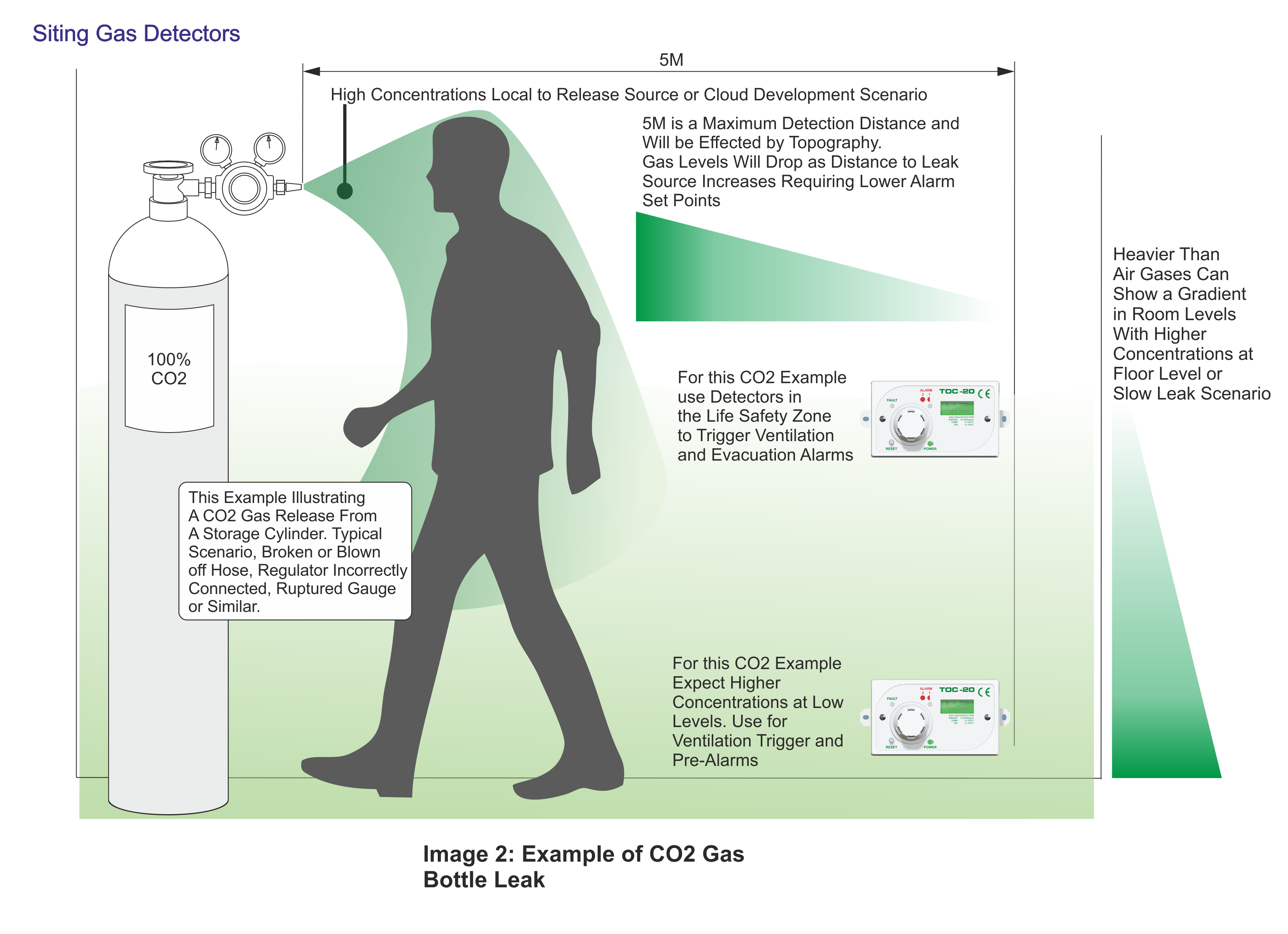
Contrary to popular belief, CO2 doesn't simply sink to the floor. While CO2 is heavier than air, this weight difference is relatively small. In a well-ventilated room, CO2 mixes readily with the surrounding air due to air currents and diffusion. Think of it like stirring sugar into water. The sugar (CO2) will eventually distribute evenly throughout the water (air), even though it's initially denser.
However, in poorly ventilated spaces or areas where CO2 is released in large quantities, localized concentrations can occur. Imagine a small, enclosed room with several people. The CO2 they exhale will build up more quickly in that room compared to a large, well-ventilated space. These localized concentrations are what we're trying to detect.
Factors Influencing CO2 Detector Placement
Several factors influence the ideal placement of a CO2 detector. Let's consider each one:
1. Source of CO2
The primary source of CO2 is the most crucial factor. Is it from human respiration, a fuel-burning appliance, or something else?
- Human Respiration: If the primary concern is CO2 buildup from people breathing in a room (like a bedroom or office), placing the detector at approximately breathing height (3-5 feet) is generally a good approach. This will give you the most accurate reading of the air people are actually inhaling.
- Fuel-Burning Appliances: If you're concerned about CO2 from a furnace, water heater, or other appliance, the detector's placement needs more consideration. If the appliance is known to have a leak risk near the floor, a lower placement might be more appropriate initially. However, remember that CO2 will still mix and rise. Follow the manufacturer's instructions for both the appliance and the CO2 detector. Also, CO detectors (carbon monoxide) are typically recommended near fuel-burning appliances. CO2 detectors are not a substitute for CO detectors.
- Industrial Sources: In industrial settings, CO2 can be released from various processes. The placement will depend entirely on the specific source and ventilation patterns. Consult with safety professionals to determine the optimal location.
2. Ventilation
Ventilation plays a significant role in how CO2 is distributed. In well-ventilated areas, CO2 will be more evenly distributed, making the exact placement less critical. In poorly ventilated areas, localized concentrations are more likely.
If a room is poorly ventilated, consider placing the detector slightly higher than you might otherwise. This is because stagnant air can sometimes stratify, with heavier, CO2-rich air settling near the floor. However, this is less of a concern with typical residential ventilation systems. Opening a window periodically can drastically improve ventilation.
3. Purpose of the Detector
What are you trying to achieve with the detector? Is it for general air quality monitoring, safety, or specific industrial process control?
- General Air Quality: For general air quality monitoring, placing the detector at breathing height is a good starting point. This provides a general indication of CO2 levels in the occupied space.
- Safety: If the primary concern is safety and preventing CO2 poisoning, the placement should be determined based on the likely source of a leak or buildup. If you suspect a leak from an appliance near the floor, a lower placement as an initial warning is worth considering (along with other safety measures and a CO detector if applicable).
- Industrial Process Control: In industrial settings, the purpose is often to monitor specific processes. The detector placement should be based on the process parameters and designed to provide the necessary data for control and safety.
4. Detector Type and Manufacturer Recommendations
Always follow the manufacturer's instructions for your specific CO2 detector. Some detectors are designed for specific applications or have recommended placement guidelines. These recommendations are crucial for ensuring accurate readings and optimal performance.
Some detectors may also have features like temperature compensation or calibration requirements, which can affect their performance in different environments. Read the manual carefully and understand the detector's limitations.
Why Low Placement Isn't Always the Best Choice
While there might be specific scenarios where a low placement is beneficial (e.g., a suspected floor-level leak), it's important to understand why it's not generally recommended as a universal solution:
- Air Mixing: As explained earlier, CO2 mixes relatively well with air. Unless there's a significant leak and poor ventilation, it won't stay concentrated near the floor.
- False Alarms: Placing a detector too close to the floor can increase the risk of false alarms due to dust, debris, or other contaminants that may settle near the ground.
- Missed Higher Concentrations: If the CO2 source is elevated (e.g., a malfunctioning ventilation system blowing CO2 into the room), a low-mounted detector might not detect the buildup quickly enough.
- Accessibility: Low-mounted detectors can be difficult to access for maintenance, calibration, or battery replacement.
Practical Recommendations for CO2 Detector Placement
Based on the factors discussed above, here are some practical recommendations for CO2 detector placement:
- Identify the primary source of CO2. Is it people breathing, a fuel-burning appliance, or something else?
- Consider the ventilation in the room. Is it well-ventilated or poorly ventilated?
- Determine the purpose of the detector. Is it for general air quality monitoring, safety, or something else?
- Read the manufacturer's instructions. Follow their specific recommendations for placement and maintenance.
- For general air quality monitoring or human respiration concerns, place the detector at approximately breathing height (3-5 feet).
- If you suspect a floor-level leak from an appliance, consider an *additional* detector placed lower as an initial warning, *in conjunction* with a detector at breathing height and always a CO detector for fuel-burning appliances.
- In poorly ventilated areas, consider placing the detector slightly higher to avoid stratification.
- Avoid placing the detector in direct sunlight, near heat sources, or in areas with high humidity, as these can affect its accuracy.
- Regularly test and calibrate the detector according to the manufacturer's instructions.
CO vs CO2 Detectors: What's the Difference?
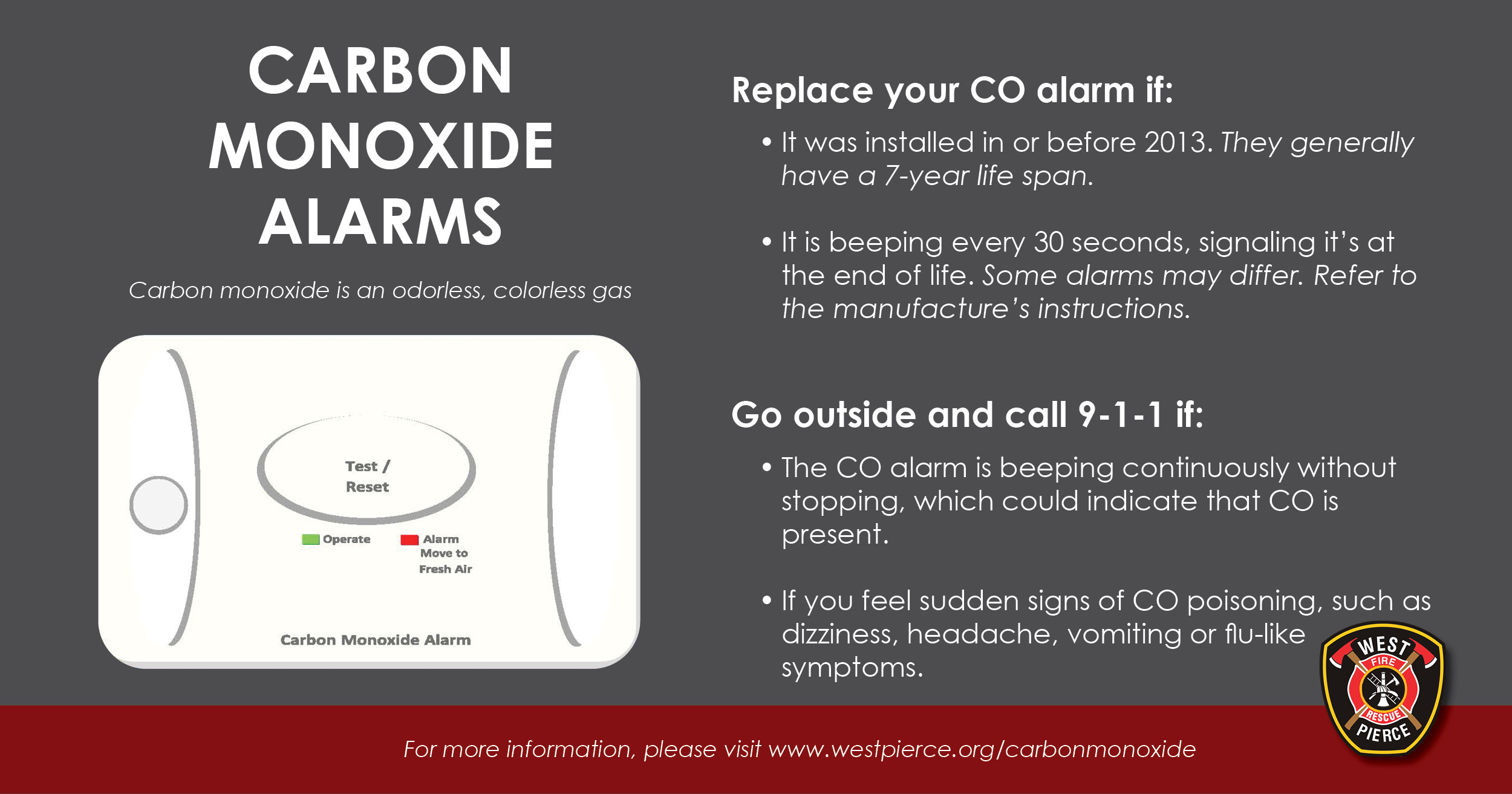
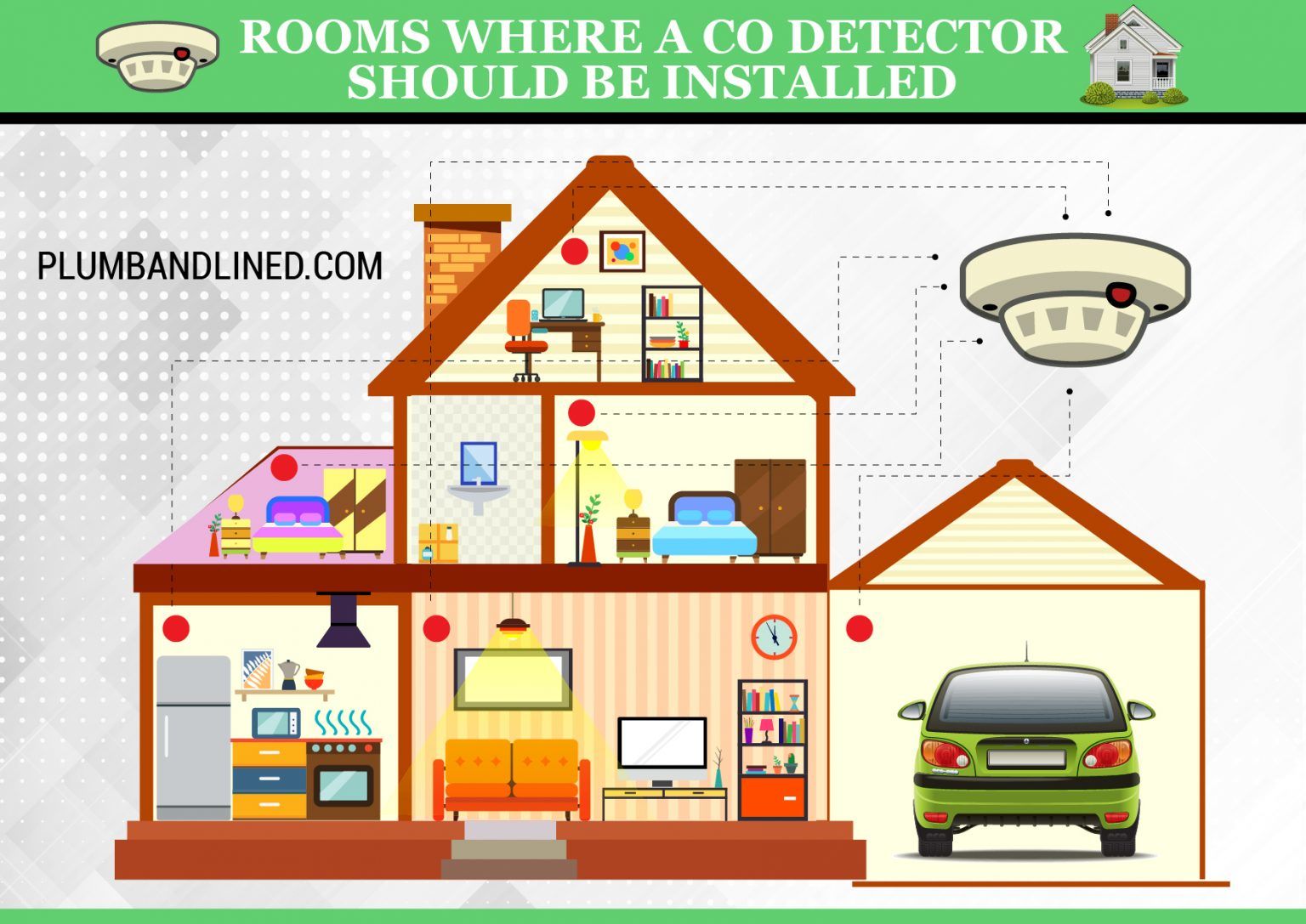
It is *crucially important* to distinguish between carbon monoxide (CO) and carbon dioxide (CO2) detectors. They detect different gases and serve different purposes. Carbon monoxide is a deadly, odorless, colorless gas produced by incomplete combustion. It is often associated with malfunctioning furnaces, generators, or other fuel-burning appliances. CO detectors are essential in any home with fuel-burning appliances. They are typically placed near sleeping areas and on each level of the home.
Carbon dioxide, while also potentially harmful in high concentrations, is less acutely toxic than carbon monoxide. CO2 detectors are used to monitor air quality, optimize ventilation, and control industrial processes. They are *not* a substitute for CO detectors. If you have fuel-burning appliances, you need *both* a CO detector and potentially a CO2 detector depending on your specific needs and concerns.
Conclusion
There's no single "right" answer to whether CO2 detectors should be placed low. The optimal placement depends on a variety of factors, including the source of CO2, ventilation, the detector's purpose, and manufacturer recommendations. While a low placement might be appropriate in specific situations, it's generally not the best choice for overall air quality monitoring or safety. By understanding these factors and following the guidelines outlined in this article, you can make an informed decision about the best placement for your CO2 detector and ensure accurate readings and optimal performance. Remember to always prioritize safety and consult with professionals if you have any concerns or questions.