
Should I Point My Fan Out The Window

Should You Point Your Fan Out the Window? Exploring the Pros, Cons, and Alternatives
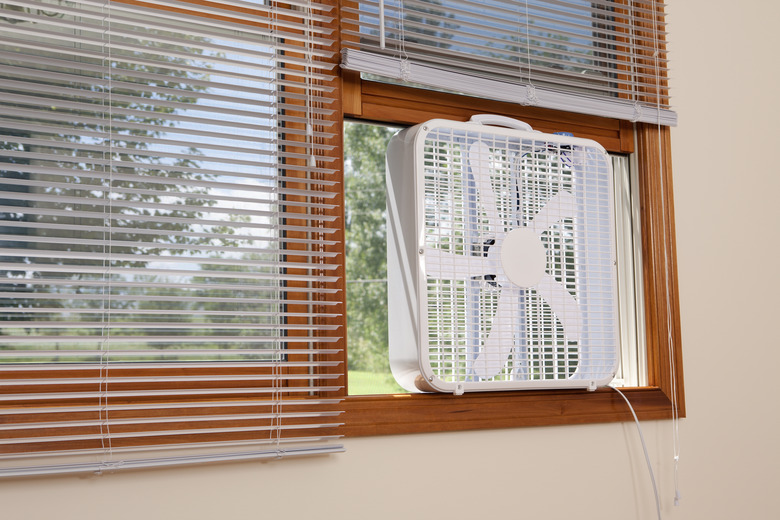
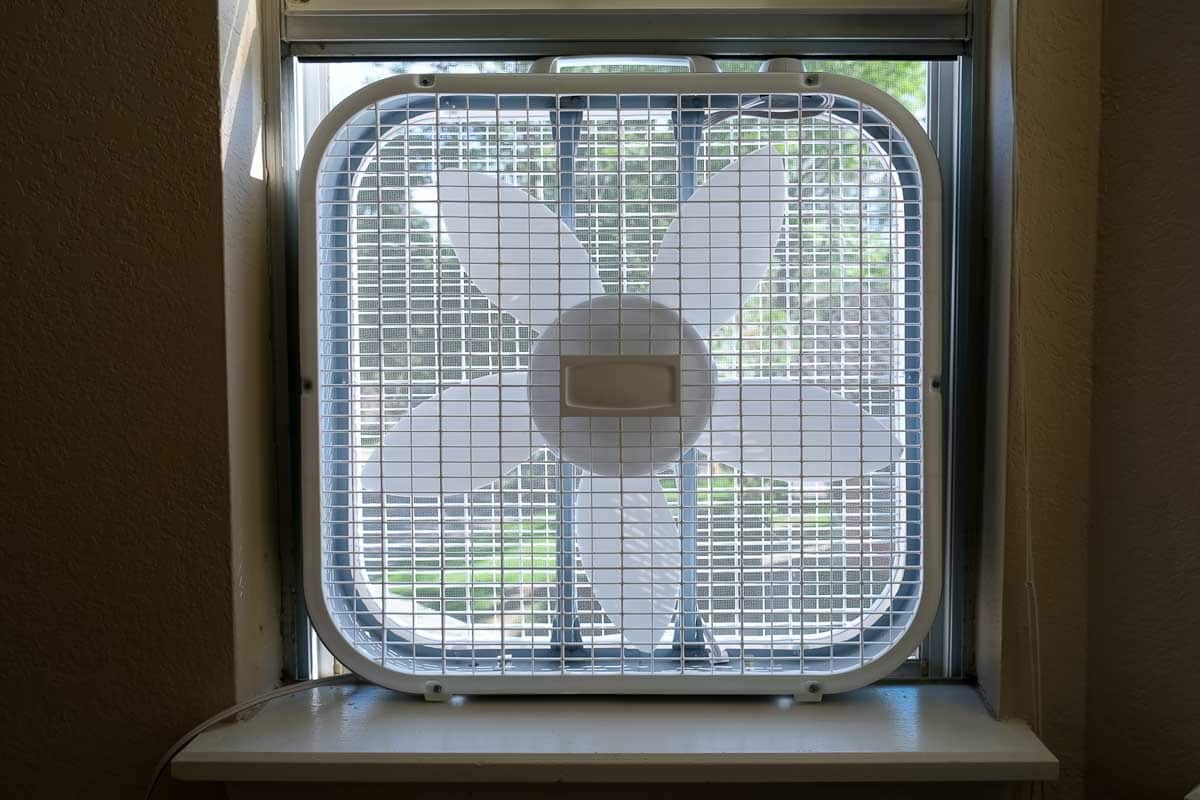
Summer heat got you down? You might be tempted to point a fan out the window, hoping to suck hot air out of your house. It sounds logical, but is it truly effective? The answer, like most things HVAC, is nuanced. Let's break down the potential benefits, drawbacks, and better solutions for keeping your home cool.
Understanding Airflow and Ventilation
Before grabbing that box fan, let's understand the basics of airflow and ventilation. Ventilation is the process of exchanging stale indoor air with fresh outdoor air. Proper ventilation is crucial for air quality, removing pollutants, and regulating temperature and humidity. Airflow, on the other hand, describes the movement of air within a space.
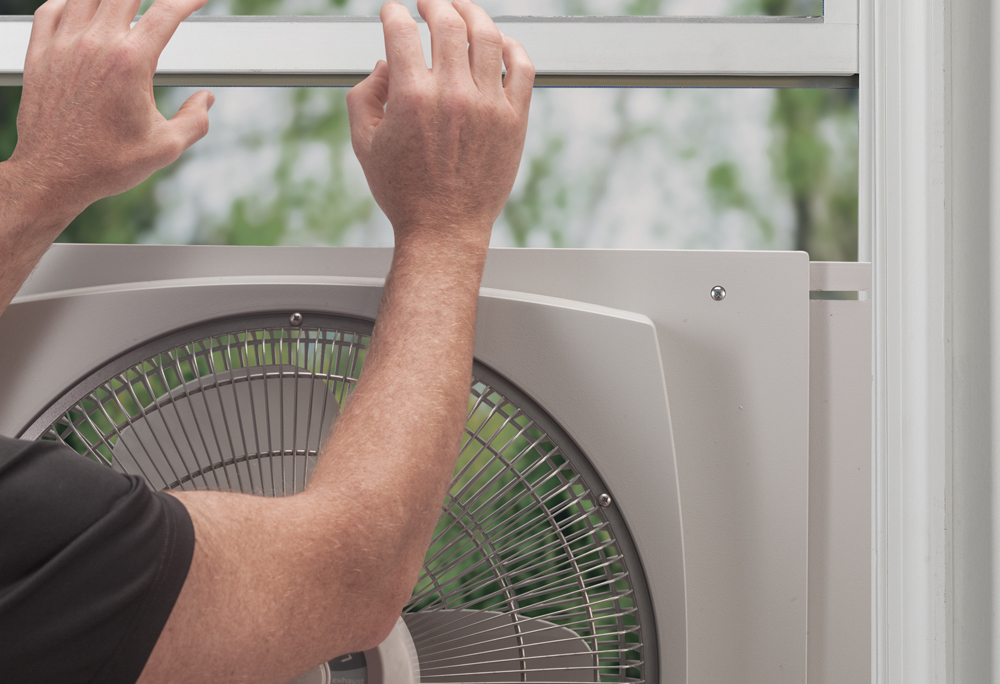
A fan pointed out the window can create a pressure difference, theoretically pulling air out of the room. However, the effectiveness depends heavily on several factors:
- Outdoor Temperature: If it's hotter outside than inside, you're essentially drawing in hotter air.
- Wind Direction: Strong winds can counteract the fan's efforts.
- Placement of Other Windows and Doors: You need to create a path for air to enter your home to replace the air being exhausted.
- Size and Power of the Fan: A small fan won't move enough air to make a significant difference.
The "Pulling Air Out" Strategy: When It Might Work
There are specific scenarios where pointing a fan out the window can be beneficial:
- Nighttime Cooling: If the outdoor temperature drops significantly at night, using a fan to draw in cool air can effectively lower your home's temperature. Open windows on the opposite side of the house to create cross-ventilation.
- Specific Room Exhaust: After cooking or showering, pointing a fan out the window can help remove excess heat, humidity, and odors.
- Supplementing Air Conditioning: In conjunction with AC, exhausting hot air can reduce the load on your cooling system, potentially saving energy. However, this is most effective with a properly sealed house to prevent drawing in more hot air from other areas.
The Drawbacks: Why It Might Not Be the Best Solution
While the "pulling air out" method can be helpful in specific situations, it has several drawbacks:
- Drawing in Hotter Air: As mentioned before, if the outside air is hotter than the inside air, you're working against yourself.
- Dust and Pollen: Open windows can introduce dust, pollen, and other allergens into your home, especially during allergy season.
- Security Concerns: Open windows, even partially, can be a security risk.
- Inefficient Cooling: A single fan might not be powerful enough to significantly cool an entire house.
- Negative Pressure: Constantly exhausting air can create negative pressure, potentially drawing in air from less desirable places, such as crawl spaces or attics, which may contain dust, mold, or other contaminants.
A Better Strategy: The "Pushing Air In" Method
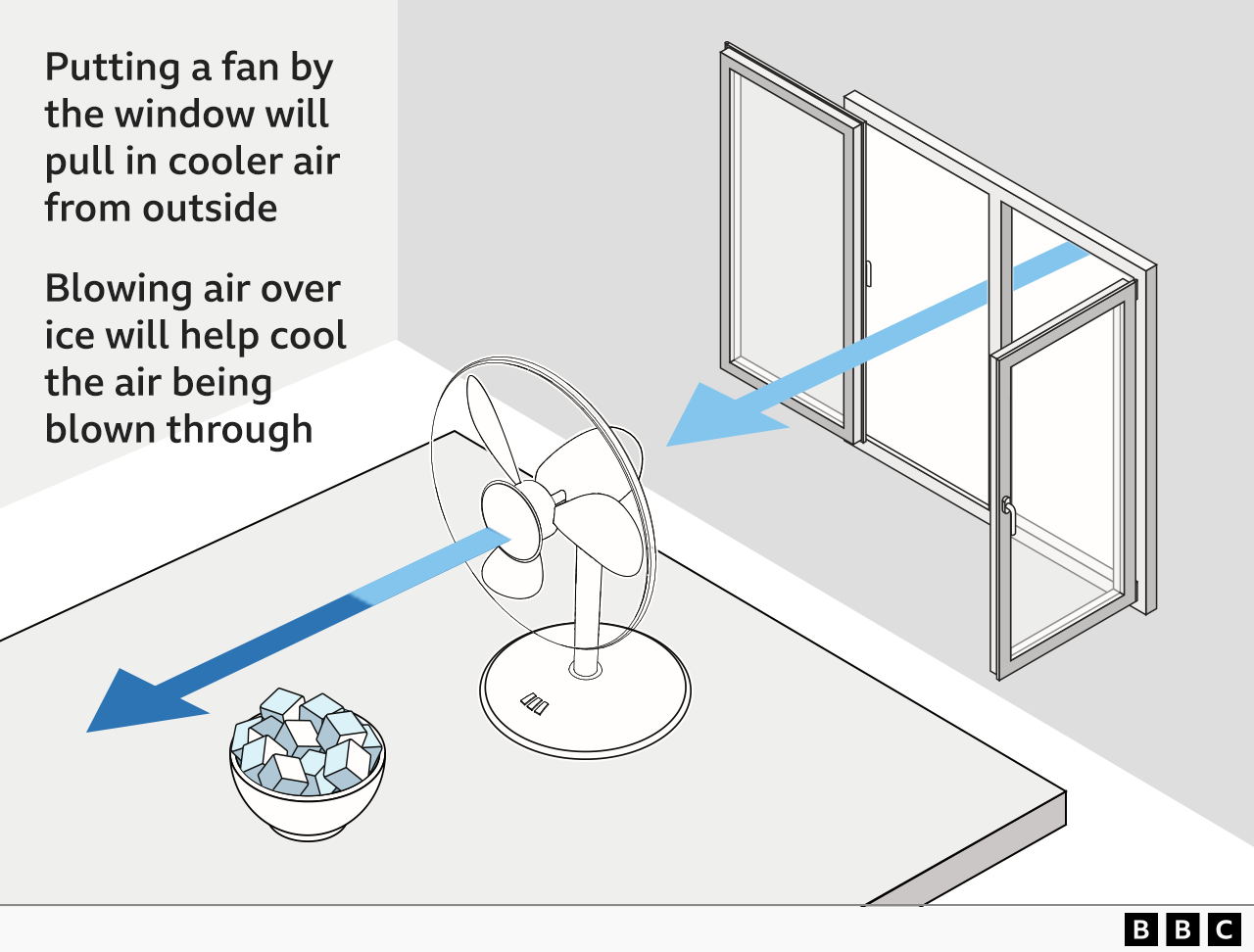
Often, a more effective strategy is to point the fan *into* the room. This creates a breeze, which promotes evaporative cooling on your skin, making you feel cooler. It also helps circulate the air within the room, preventing stagnant areas. Consider these tips:
- Window Placement: Open windows on the opposite side of the house to create cross-ventilation.
- Fan Placement: Position the fan to blow air across your body.
- Multiple Fans: Using multiple fans in different rooms can improve overall airflow throughout your home.
Alternative Cooling Strategies and HVAC Solutions
Before relying solely on fans, consider these alternative and more effective cooling methods:
- Air Conditioning: The most effective way to cool your home, especially in hot and humid climates. Ensure your AC unit is properly sized and maintained.
- Evaporative Coolers (Swamp Coolers): A good option for dry climates. They use evaporation to cool the air, but are less effective in humid conditions.
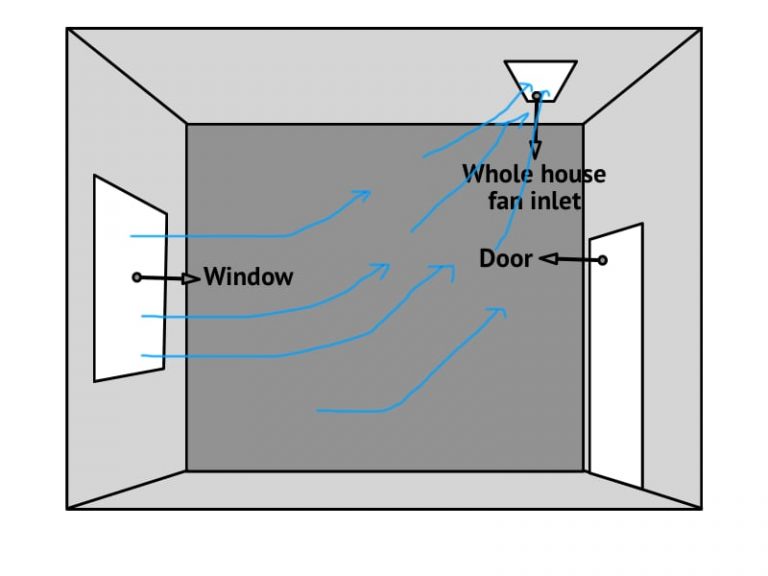
- Whole-House Fans: These fans are installed in the attic and exhaust hot air from the entire house, pulling cooler air in through open windows. They are most effective when used during cooler evenings and mornings.
- Attic Ventilation: Proper attic ventilation is crucial for preventing heat buildup. Ensure your attic has adequate vents to allow hot air to escape.
- Insulation: Proper insulation helps prevent heat from entering your home in the first place.
- Window Treatments: Blinds, curtains, and solar screens can block sunlight and reduce heat gain.
- Dehumidifiers: Removing excess humidity can make you feel cooler, even at higher temperatures.
Troubleshooting Common HVAC Issues
If your AC isn't performing as well as it should, consider these common issues and potential DIY fixes:
- Dirty Air Filter: A clogged air filter restricts airflow, reducing efficiency and potentially damaging your AC unit. Replace the air filter every 1-3 months.
- Dirty Condenser Coils: The condenser coils are located outside and can become coated with dirt and debris. Clean them regularly with a garden hose (gentle spray) or a coil cleaner. Safety First: Turn off the power to the AC unit before cleaning the coils.
- Blocked Vents: Make sure all vents are open and unobstructed by furniture or other objects.
- Leaky Ductwork: Leaky ductwork can waste a significant amount of energy. Seal any visible leaks with duct tape or mastic sealant. Consider professional duct sealing for a more comprehensive solution.
- Refrigerant Leaks: Refrigerant leaks can significantly reduce cooling performance. This is a job for a qualified HVAC technician. Do not attempt to handle refrigerant yourself.
DIY Maintenance Checklist
Here's a simple maintenance checklist to help keep your HVAC system running smoothly:
- Monthly: Check and replace air filter.
- Spring and Fall: Clean condenser coils. Inspect and seal ductwork. Check attic ventilation.
- Annually: Schedule a professional HVAC tune-up.
When to Call a Professional
While some HVAC maintenance and troubleshooting can be done DIY, certain issues require the expertise of a qualified technician. Call a professional if you experience any of the following:
- Refrigerant Leaks: Handling refrigerant requires specialized equipment and training.
- Electrical Problems: Working with electricity can be dangerous.
- Compressor Issues: The compressor is the heart of your AC unit. Repairs can be complex and expensive.
- Significant Drop in Cooling Performance: If your AC isn't cooling effectively, despite your best efforts, it's time to call a professional.
- Unusual Noises or Smells: These could indicate a serious problem.
Estimated Repair Costs
Here's a general idea of potential repair costs, but remember that prices can vary depending on your location, the complexity of the repair, and the HVAC company you choose:
- Air Filter Replacement: $10 - $30 (DIY)
- Condenser Coil Cleaning: $50 - $150 (DIY or Professional)
- Duct Sealing: $100 - $500 (DIY for small leaks) / $500 - $2000 (Professional Duct Sealing)
- Refrigerant Recharge: $200 - $500
- Compressor Replacement: $800 - $2500
- AC Tune-Up: $75 - $200
Conclusion: Making the Best Choice for Your Home
So, should you point your fan out the window? It depends. Consider the outdoor temperature, the time of day, and the overall airflow in your home. Remember that a well-maintained HVAC system, proper insulation, and effective window treatments are the most reliable ways to keep your home cool and comfortable. Don't hesitate to consult with a qualified HVAC professional to discuss your specific needs and find the best cooling solution for your home.




.png)