Side Discharge Air Conditioner

When the summer heat kicks in, having a reliable air conditioning system is crucial for maintaining a comfortable indoor environment. Among the various types of AC units available, the side discharge air conditioner stands out as a popular choice. This guide provides a comprehensive overview of side discharge ACs, covering their functionality, benefits, installation considerations, maintenance, and more, to help you make an informed decision.
What is a Side Discharge Air Conditioner?
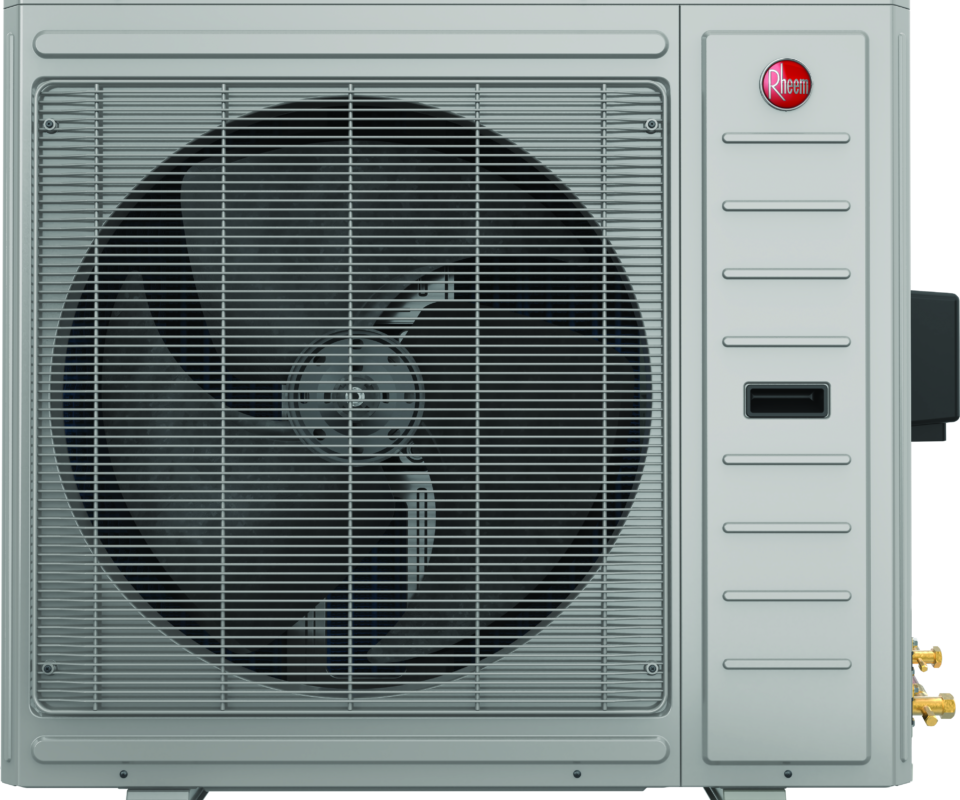
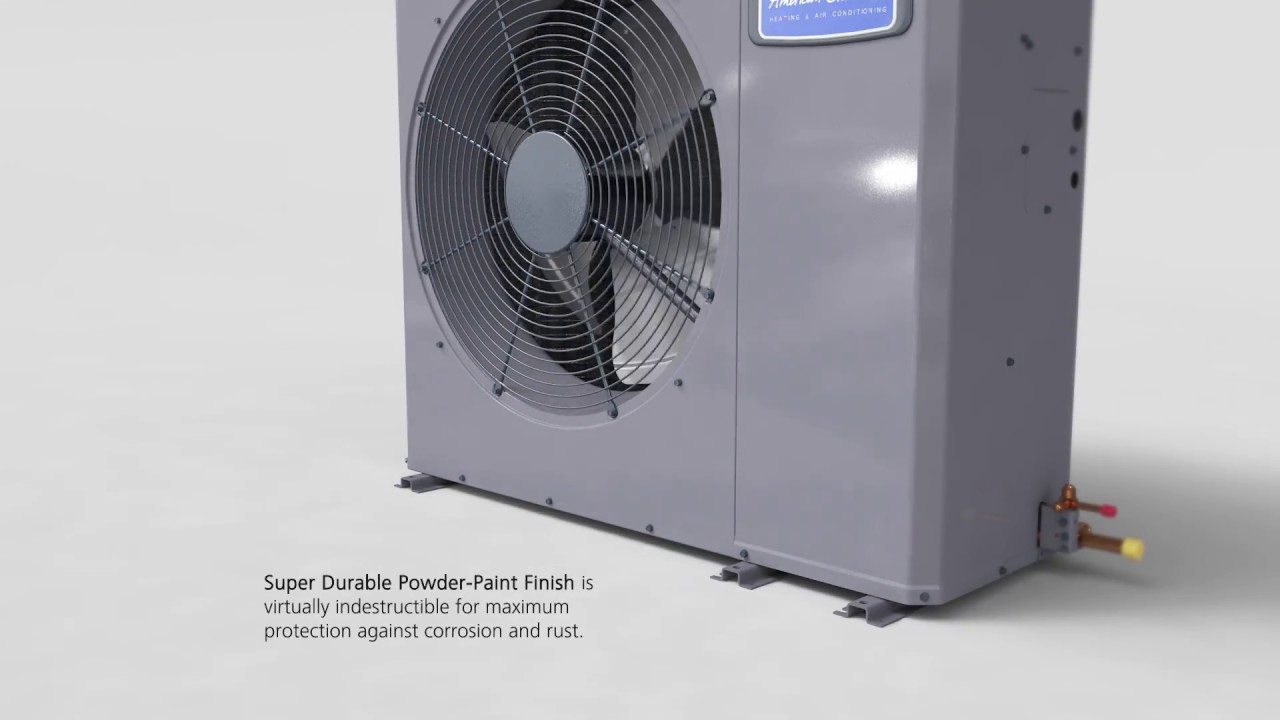
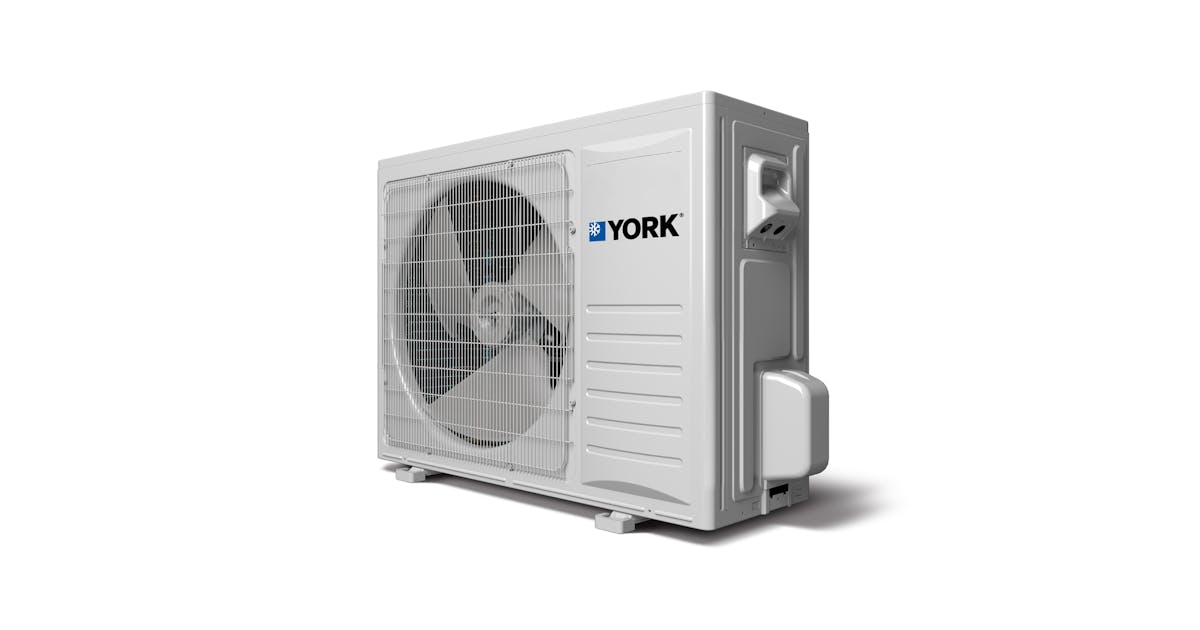
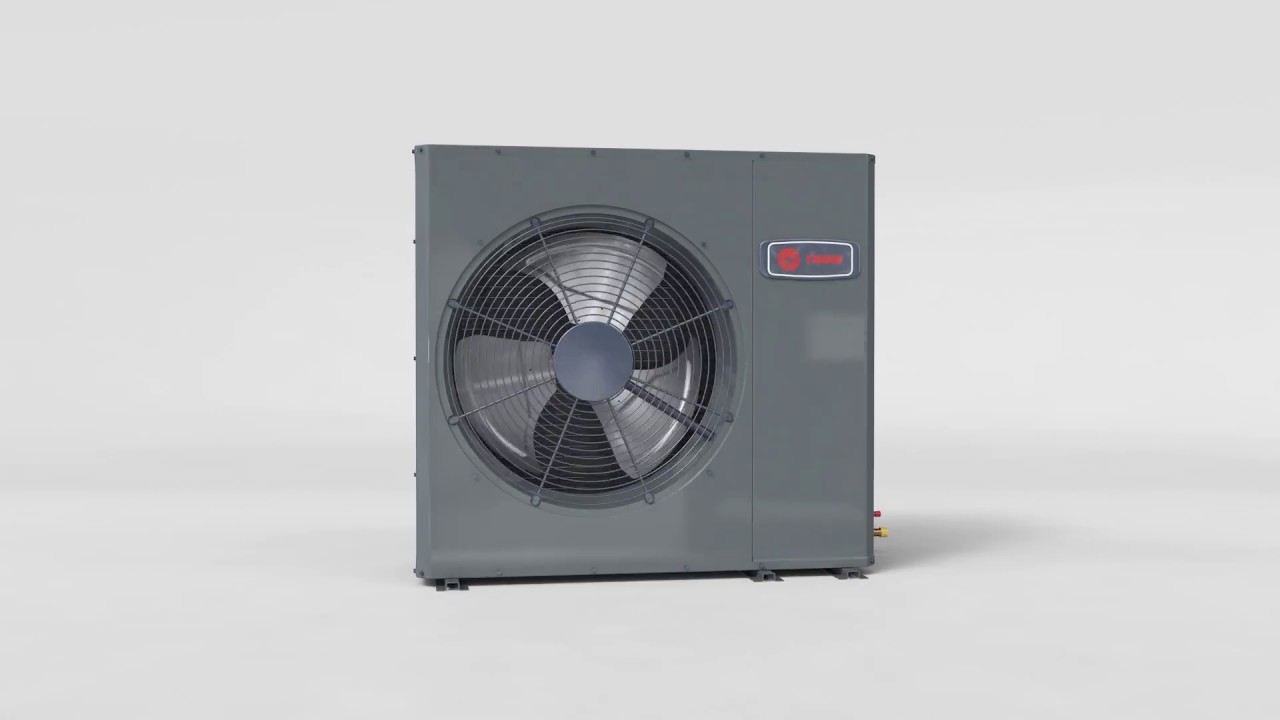
A side discharge air conditioner is a type of air conditioning system where the hot air expelled from the unit is discharged horizontally, or to the side, rather than vertically (as in top discharge units). This design is commonly found in residential and commercial settings, offering a balance between efficiency and space utilization. Understanding the core components and how they work together is essential.
Core Components:
- Compressor: The heart of the AC system. Think of it like a pump that circulates the refrigerant, increasing its pressure and temperature.
- Condenser: This component is usually located in the outdoor unit. It's a set of coils that releases the heat absorbed from inside your home into the outside air. A fan blows air across the coils to aid in this process.
- Evaporator: Found in the indoor unit, the evaporator coil absorbs heat from the air circulating inside your home. As the refrigerant flows through the evaporator, it changes from a liquid to a gas, a process that cools the air.
- Expansion Valve: This valve regulates the flow of refrigerant into the evaporator, reducing its pressure and temperature to facilitate the heat absorption process.
- Refrigerant: The lifeblood of the AC system. It's a special substance that absorbs and releases heat as it cycles through the system. It carries heat from inside your home to the outside.
- Fan: Both the indoor and outdoor units have fans. The indoor fan circulates cool air throughout your home, while the outdoor fan helps to dissipate heat from the condenser.
How it Works: The Cooling Cycle
The cooling cycle of a side discharge AC involves several stages:
- Refrigerant Compression: The compressor compresses the refrigerant, increasing its temperature and pressure.
- Heat Rejection: The hot, high-pressure refrigerant flows to the condenser, where it releases heat to the outside air. As it cools, it turns into a high-pressure liquid.
- Pressure Reduction: The liquid refrigerant passes through the expansion valve, which reduces its pressure and temperature.
- Heat Absorption: The cold, low-pressure refrigerant enters the evaporator coil, where it absorbs heat from the indoor air, cooling the air that's blown back into your home. As it absorbs heat, the refrigerant turns into a low-pressure gas.
- Cycle Repeats: The low-pressure refrigerant returns to the compressor, and the cycle begins again.
Advantages of Side Discharge Air Conditioners
Side discharge ACs offer several advantages that make them a practical choice for many applications.
- Space Efficiency: Their design allows for placement closer to walls or fences, making them ideal for properties with limited space. Because the air is discharged to the side, they don't require as much vertical clearance as top discharge units.
- Aesthetics: Some homeowners prefer the look of side discharge units, as they can often be more easily hidden or incorporated into the landscape.
- Reduced Noise: While noise levels vary between models, some side discharge ACs are designed to operate more quietly than their top discharge counterparts, depending on fan blade design and insulation.
- Installation Flexibility: The side discharge design offers greater flexibility in terms of placement, allowing for installation in locations where vertical discharge might not be feasible.
- Cost-Effectiveness: Depending on the brand and model, side discharge ACs can be a more cost-effective option compared to other types of air conditioning systems.
Disadvantages of Side Discharge Air Conditioners
Despite their advantages, side discharge ACs also have some drawbacks.
- Airflow Obstruction: Proper clearance around the unit is crucial. Obstructions like bushes, fences, or walls can restrict airflow, reducing efficiency and potentially causing the unit to overheat.
- Directional Airflow: The horizontal discharge can sometimes create hot spots if the airflow is not properly directed away from living areas or walkways. Careful placement is necessary to avoid directing hot air towards people or plants.
- Maintenance Considerations: Cleaning the coils and fan can sometimes be more challenging compared to top discharge units, depending on the unit's design and location.
- Potential for Noise Pollution: If not properly installed or maintained, side discharge units can potentially direct noise towards neighboring properties.
Installation Considerations
Proper installation is critical to ensure optimal performance and longevity of your side discharge AC unit.
Location:
- Choose a location with ample clearance on all sides of the unit to allow for proper airflow.
- Avoid placing the unit in direct sunlight, as this can increase its energy consumption.
- Ensure the unit is placed on a level surface to prevent vibrations and noise.
- Consider the proximity to windows and doors to minimize noise disturbance.
- Ensure the discharge air is directed away from walkways, patios, and neighboring properties.
Professional Installation:
It's generally recommended to have your side discharge AC installed by a qualified HVAC technician. They can ensure proper installation, refrigerant levels, and electrical connections. A professional installation helps prevent common issues and ensures the unit operates efficiently.
Electrical Requirements:
Ensure your home's electrical system can handle the power requirements of the AC unit. Consult with an electrician to verify that your wiring and breaker are adequate. Improper electrical connections can be dangerous and can damage the unit.
Maintenance Tips
Regular maintenance is essential to keep your side discharge AC running efficiently and to extend its lifespan.
- Clean the Coils: At least once a year, clean the condenser coils with a garden hose or a coil cleaner. Dirty coils reduce the unit's ability to dissipate heat, leading to decreased efficiency.
- Clean the Fan: Regularly inspect and clean the fan blades to ensure proper airflow. Debris on the fan blades can reduce airflow and increase noise.
- Change the Air Filter: Replace the air filter in the indoor unit every one to three months, depending on usage and air quality. A dirty air filter restricts airflow, reducing cooling efficiency and potentially damaging the evaporator coil.
- Check Refrigerant Levels: Have a qualified HVAC technician check the refrigerant levels periodically. Low refrigerant can indicate a leak, which needs to be addressed promptly.
- Clear Debris: Keep the area around the outdoor unit clear of debris, such as leaves, branches, and grass clippings. Obstructions can restrict airflow and reduce efficiency.
- Inspect and Clean Drain Line: Check the condensate drain line for clogs and clear it as needed. A clogged drain line can cause water damage and promote mold growth.
Choosing the Right Side Discharge AC Unit
Selecting the right side discharge AC unit involves several considerations.
Size and Capacity:
Determine the appropriate size and cooling capacity for your space. An undersized unit will struggle to cool the area effectively, while an oversized unit can lead to short cycling and reduced efficiency. Consult with an HVAC professional to calculate the appropriate BTU (British Thermal Units) rating for your needs. Factors to consider include the size of the space, insulation levels, window area, and climate.
Energy Efficiency:
Look for units with a high SEER (Seasonal Energy Efficiency Ratio) rating. A higher SEER rating indicates greater energy efficiency, which can translate into lower energy bills. Energy Star certified models meet strict energy efficiency guidelines. Consider the long-term cost savings associated with a more efficient unit.
Features:
Consider features such as programmable thermostats, remote controls, and smart home integration. These features can enhance convenience and allow for more precise temperature control, potentially reducing energy consumption. Some units also offer features like sleep mode, which adjusts the temperature automatically during the night to optimize comfort and energy savings.
Brand Reputation:
Research different brands and read reviews to get an idea of their reliability and performance. Choose a reputable brand known for producing high-quality, durable air conditioning systems. Consider factors such as warranty coverage and customer support.
Budget:
Set a budget and compare prices from different retailers. While it's tempting to choose the cheapest option, it's important to consider the long-term costs associated with energy consumption and maintenance. Investing in a higher-quality, more efficient unit may save you money in the long run.
Common Problems and Troubleshooting
Even with proper maintenance, problems can sometimes arise. Here are some common issues and troubleshooting tips.
- AC Not Cooling: Check the thermostat settings, air filter, and circuit breaker. Ensure the outdoor unit is not blocked by debris. If the problem persists, contact an HVAC technician.
- Unit is Noisy: Check for loose parts or debris in the fan. A rattling noise may indicate a problem with the motor or compressor. Contact an HVAC technician for diagnosis and repair.
- Water Leaking: Check the condensate drain line for clogs. Clear any obstructions and ensure the drain line is properly connected. If the leak persists, contact an HVAC technician.
- Unit is Cycling On and Off Frequently: This could indicate an oversized unit, a dirty air filter, or a refrigerant leak. Contact an HVAC technician for diagnosis and repair.
- High Energy Bills: Ensure the unit is properly sized for the space and that it's not running excessively. Check for air leaks around windows and doors. Consider upgrading to a more energy-efficient model.
Conclusion
Side discharge air conditioners offer a practical and efficient cooling solution for many homes and businesses. By understanding their components, advantages, and disadvantages, you can make an informed decision about whether this type of AC is right for you. Proper installation, regular maintenance, and careful selection are key to ensuring optimal performance and longevity. Remember to consult with qualified HVAC professionals for any installation, repair, or maintenance needs. By following these guidelines, you can enjoy a comfortable and cool indoor environment all summer long.