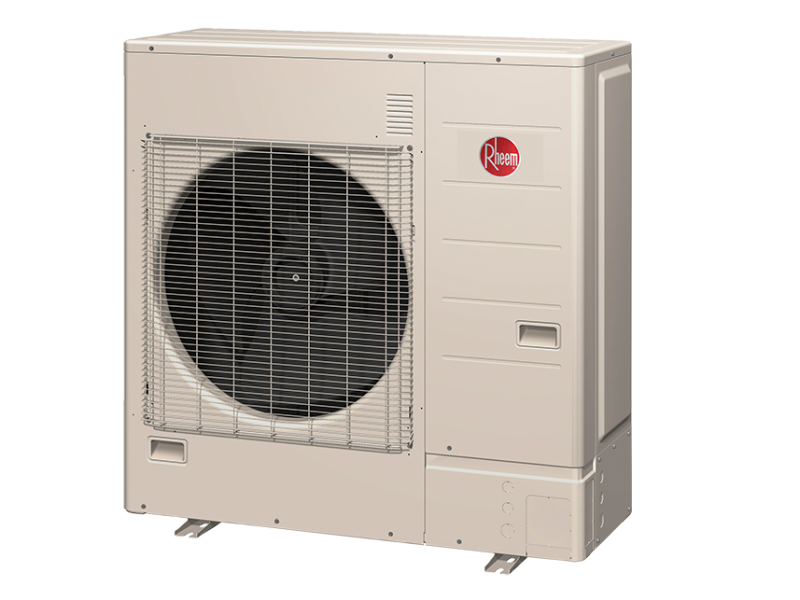
Side Discharge Condenser
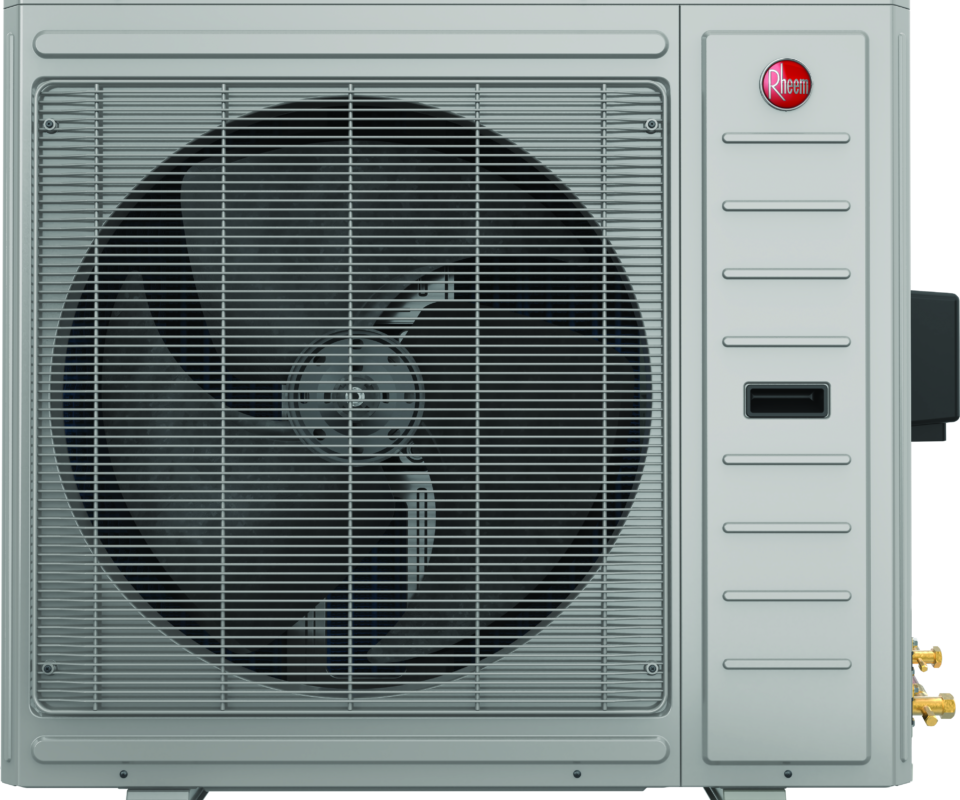
Unveiling the Side Discharge Condenser: A Space-Saving, Energy-Efficient HVAC Solution
In the quest for a more sustainable and cost-effective approach to heating and cooling, homeowners and businesses alike are constantly seeking innovative HVAC solutions. One such solution, gaining increasing traction in both residential and commercial applications, is the side discharge condenser. But what exactly is it, and how can it contribute to lower energy bills and a smaller environmental footprint?
What is a Side Discharge Condenser?
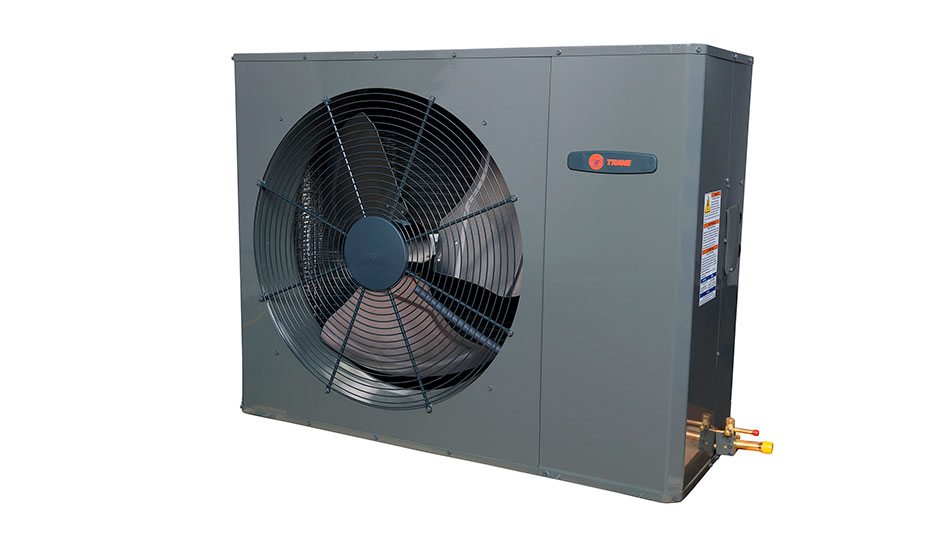
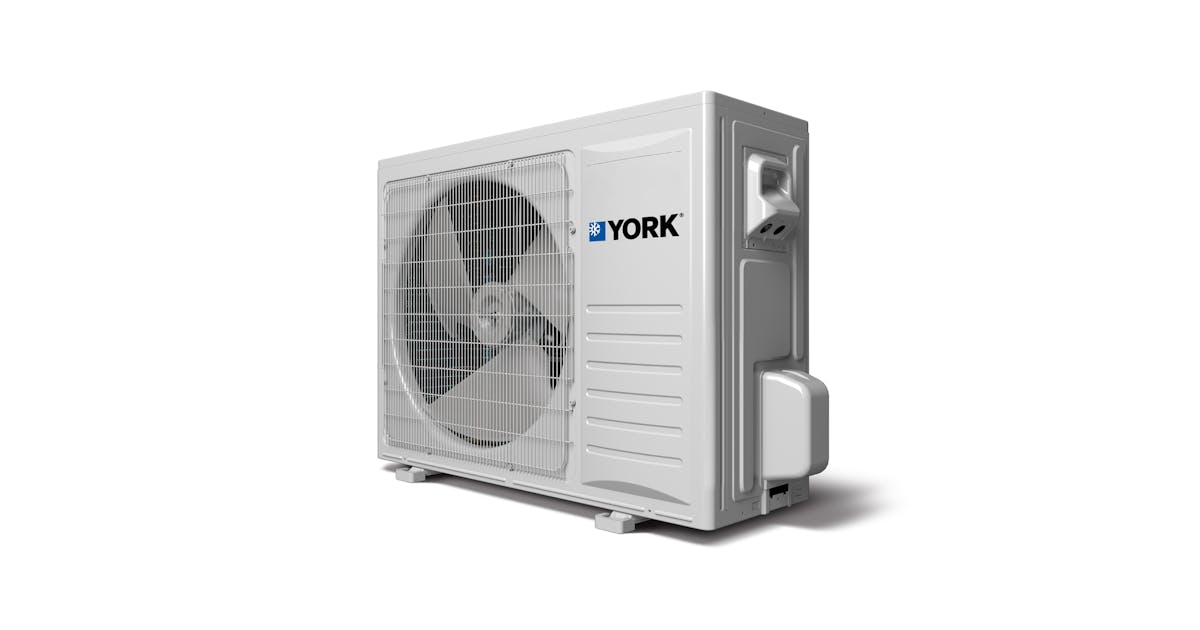
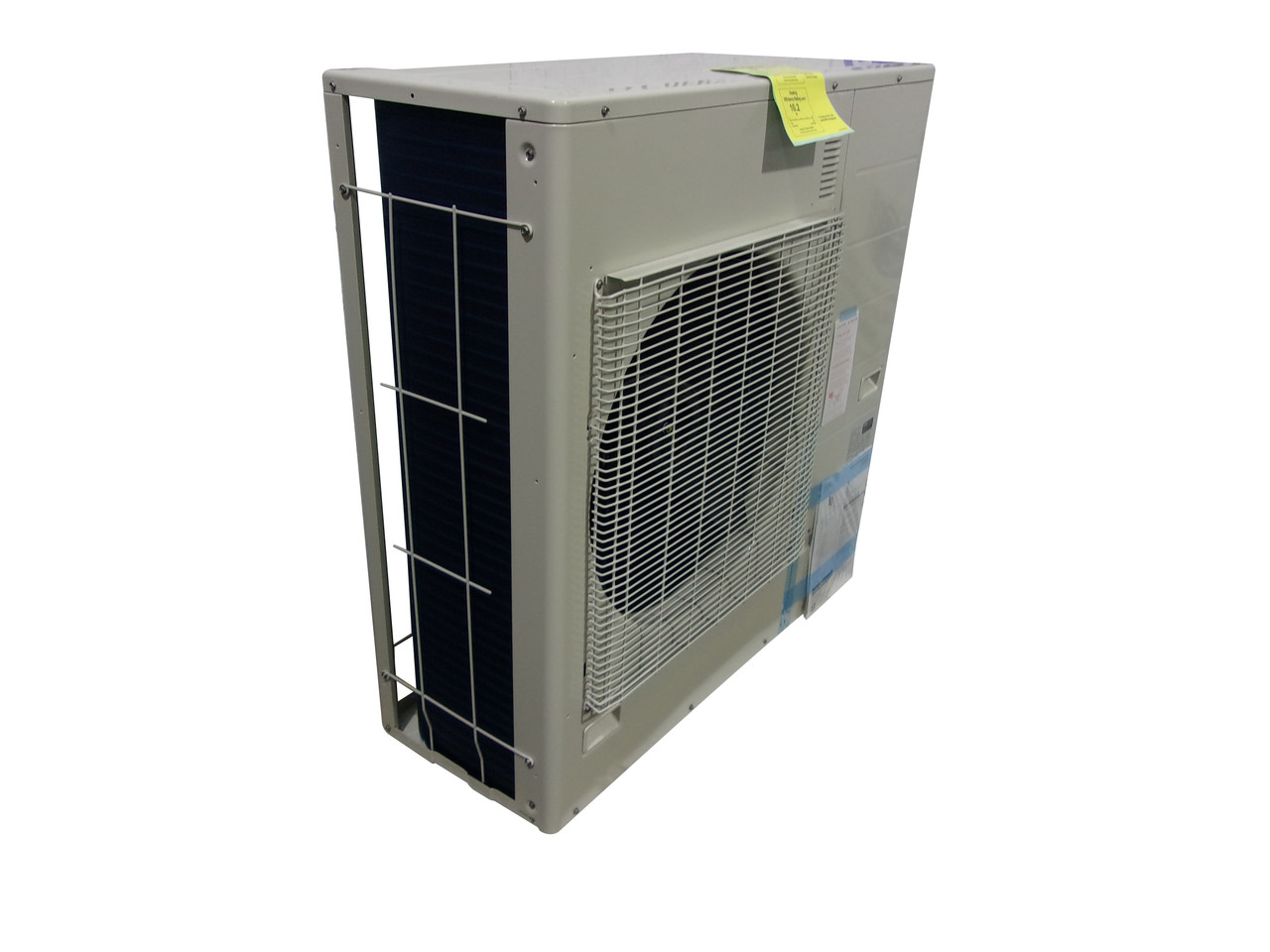
Traditional air conditioning and heat pump systems typically utilize a top discharge condenser, where hot air is expelled upwards. A side discharge condenser, conversely, directs the expelled air horizontally, out the side of the unit. This seemingly simple design change offers a multitude of advantages, impacting everything from installation flexibility to energy efficiency and even noise levels.
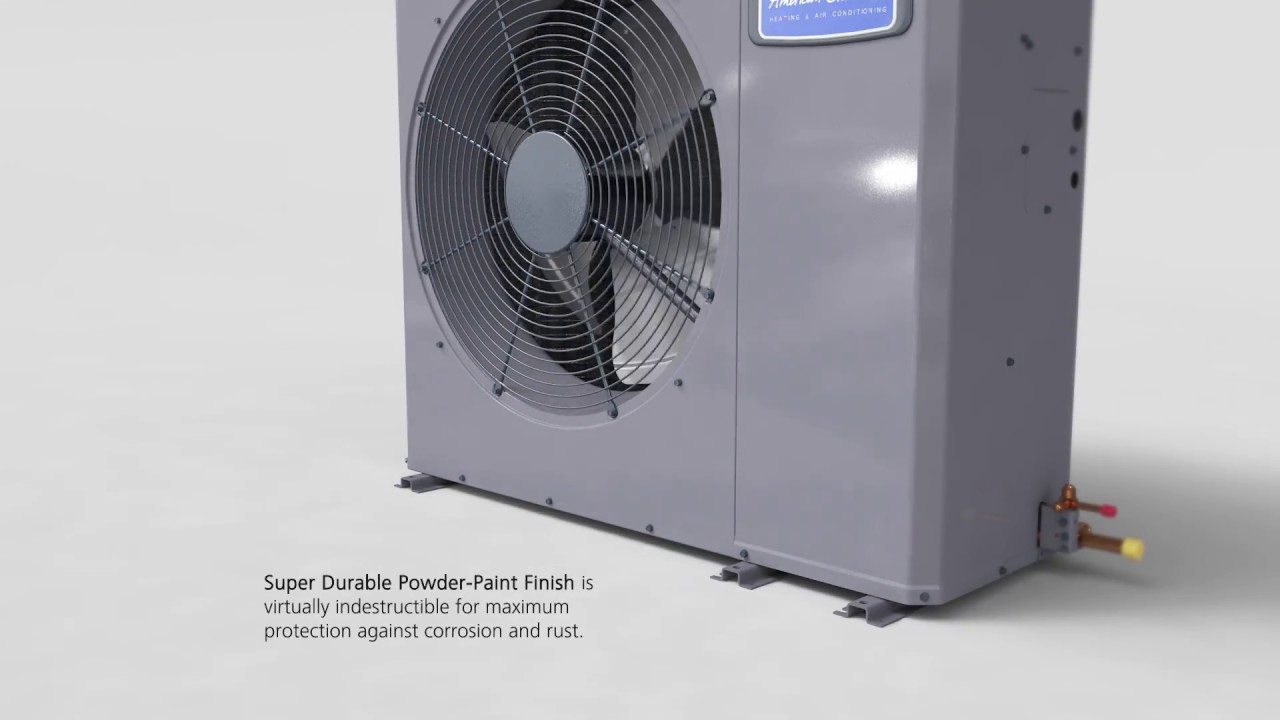
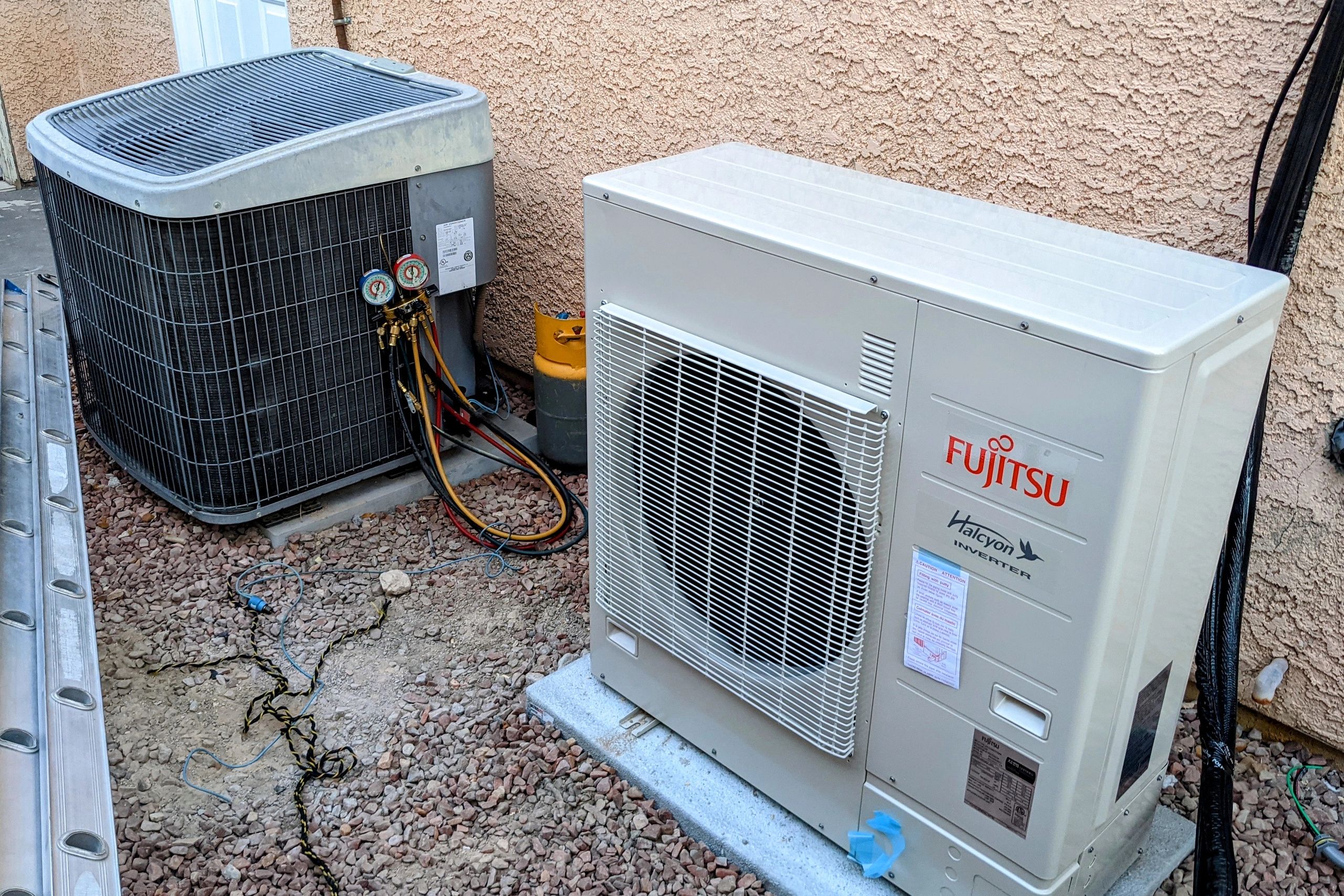
Visually, side discharge condensers tend to be more compact and streamlined than their top discharge counterparts. This reduced footprint makes them ideal for installations where space is limited, such as on small balconies, rooftops with tight clearances, or in densely populated urban environments. Furthermore, their often lower profile can make them less visually obtrusive, a definite plus for homeowners concerned about aesthetics.
Benefits for Homeowners and Businesses
The advantages of using a side discharge condenser extend beyond just space savings. Let's delve into the key benefits that make them a compelling choice for energy-conscious individuals and organizations:
Space Optimization: Maximize Your Usable Area
As mentioned earlier, the compact design of side discharge condensers makes them perfect for situations where space is at a premium. This is particularly relevant for:
- Apartment dwellers: Limited balcony space means every square foot counts. A side discharge unit allows you to enjoy efficient cooling without sacrificing valuable outdoor living area.
- Urban homeowners: In densely packed cities, yard space is a luxury. A smaller HVAC unit leaves more room for gardens, patios, or other outdoor amenities.
- Commercial properties: Businesses can maximize usable rooftop space by employing side discharge condensers, freeing up area for solar panels, employee break areas, or other essential equipment.
Enhanced Energy Efficiency: Lower Your Utility Bills
While the core refrigeration cycle remains the same, the design of some side discharge condensers can contribute to improved energy efficiency. This often stems from:
- Optimized airflow: Some models are engineered to reduce airflow resistance, allowing the fan motor to operate more efficiently.
- Advanced fan blade design: More efficient fan blades require less energy to move the same volume of air.
- Inverter technology: When paired with an inverter-driven compressor, the system can precisely match cooling output to demand, reducing energy waste and improving overall SEER (Seasonal Energy Efficiency Ratio) ratings. Look for Energy Star certified models to ensure optimal efficiency.
The increased efficiency translates directly into lower utility bills. Studies have shown that upgrading to a high-efficiency side discharge condenser system can result in energy savings of 10-30% compared to older, less efficient units. To quantify the potential savings, calculate the difference in energy consumption between your current system and a new, high-efficiency side discharge model. Consider factors like your climate, usage patterns, and local electricity rates.
Reduced Noise Levels: A Quieter Environment
The placement of the fan and the direction of airflow in side discharge condensers can often lead to quieter operation compared to top discharge units. The horizontal airflow can minimize noise reflection off nearby surfaces, resulting in a less disruptive environment for both you and your neighbors. Many manufacturers are also incorporating noise-dampening materials and technologies into their designs to further reduce sound levels. Look for units with a sound rating below 60 decibels for optimal quietness.
Installation Flexibility: Adaptable to Various Environments
The design of side discharge condensers offers greater flexibility in terms of installation. They can be mounted closer to walls or fences without impeding airflow, and their lower profile can be advantageous in areas with height restrictions. This adaptability makes them suitable for a wide range of applications, from single-family homes to multi-unit dwellings and commercial buildings.
Smart HVAC Integration: Taking Control of Your Comfort and Energy Usage
The benefits of side discharge condensers are further amplified when integrated with smart home technology. Smart thermostats, sensors, and automated controls allow you to optimize your HVAC system for maximum comfort and energy efficiency.
Smart Thermostats: Intelligent Temperature Management
A smart thermostat learns your heating and cooling preferences and automatically adjusts the temperature based on your schedule, occupancy, and even weather conditions. This eliminates the need for manual adjustments and ensures that your system is only running when necessary. Many smart thermostats also offer remote control via a smartphone app, allowing you to adjust the temperature from anywhere in the world.
Sensors and Automation: Fine-Tuning Your System
By strategically placing sensors throughout your home, you can monitor temperature and humidity levels in different zones. This data can be used to further optimize your HVAC system, ensuring that each room is heated or cooled to your desired level. Automated controls can also adjust the system based on occupancy, automatically turning off the AC in rooms that are not in use.
Energy Monitoring and Reporting: Track Your Savings
Most smart HVAC systems provide detailed energy monitoring and reporting, allowing you to track your energy consumption and identify areas where you can save even more. You can view historical data, compare your usage to previous periods, and even receive alerts if your energy consumption exceeds a certain threshold.
Choosing the Right Side Discharge Condenser
Selecting the right side discharge condenser for your specific needs requires careful consideration. Here are some key factors to keep in mind:
- Size and capacity: Ensure that the unit is properly sized for the area you need to heat or cool. An oversized unit will cycle on and off frequently, wasting energy, while an undersized unit will struggle to maintain the desired temperature. Consult with an HVAC professional to determine the appropriate size for your home or business.
- Energy efficiency: Look for units with a high SEER rating. Energy Star certified models offer the best combination of performance and energy savings.
- Noise level: Consider the noise level of the unit, especially if you live in a densely populated area or are sensitive to noise.
- Warranty: Choose a unit with a comprehensive warranty to protect your investment.
- Installation requirements: Ensure that your property meets the installation requirements for the unit.
- Refrigerant type: Be aware of the refrigerant used in the system. Newer, more environmentally friendly refrigerants are preferred over older, ozone-depleting substances.
Rebates and Incentives: Lowering the Upfront Cost
Many utility companies and government agencies offer rebates and incentives for upgrading to energy-efficient HVAC systems. These rebates can significantly reduce the upfront cost of a side discharge condenser system, making it an even more attractive investment. Check with your local utility company and state energy office to see what rebates are available in your area. You may be eligible for federal tax credits as well; consult the Energy Star website for details.
Installation Considerations: Professional Expertise is Key
Proper installation is crucial to ensuring the optimal performance and longevity of your side discharge condenser system. It is highly recommended to hire a qualified HVAC contractor with experience in installing these types of units. A professional installer will be able to:
- Properly size the system for your specific needs.
- Ensure that the unit is installed according to manufacturer specifications.
- Connect the system to your existing ductwork and electrical wiring.
- Properly charge the system with refrigerant.
- Test the system to ensure that it is operating efficiently.
Conclusion: A Smart Investment for a Sustainable Future
The side discharge condenser represents a significant advancement in HVAC technology, offering a compelling combination of space savings, energy efficiency, and quiet operation. Whether you are a homeowner looking to reduce your energy bills or a business seeking to minimize your environmental impact, a side discharge condenser system can be a smart and sustainable investment. By carefully considering your needs, choosing the right unit, and ensuring proper installation, you can reap the benefits of this innovative technology for years to come.


/RAHM.png)