Signs Of Negative Air Pressure In Home

Have you ever noticed a door slamming shut on its own, or felt a persistent draft even with all the windows closed? These could be subtle signs of a bigger issue: negative air pressure in your home. While it might sound technical, understanding and addressing negative air pressure can improve your home's energy efficiency, comfort, and even air quality. This article will guide you through identifying the signs, understanding the causes, and implementing simple DIY fixes.
What is Negative Air Pressure?
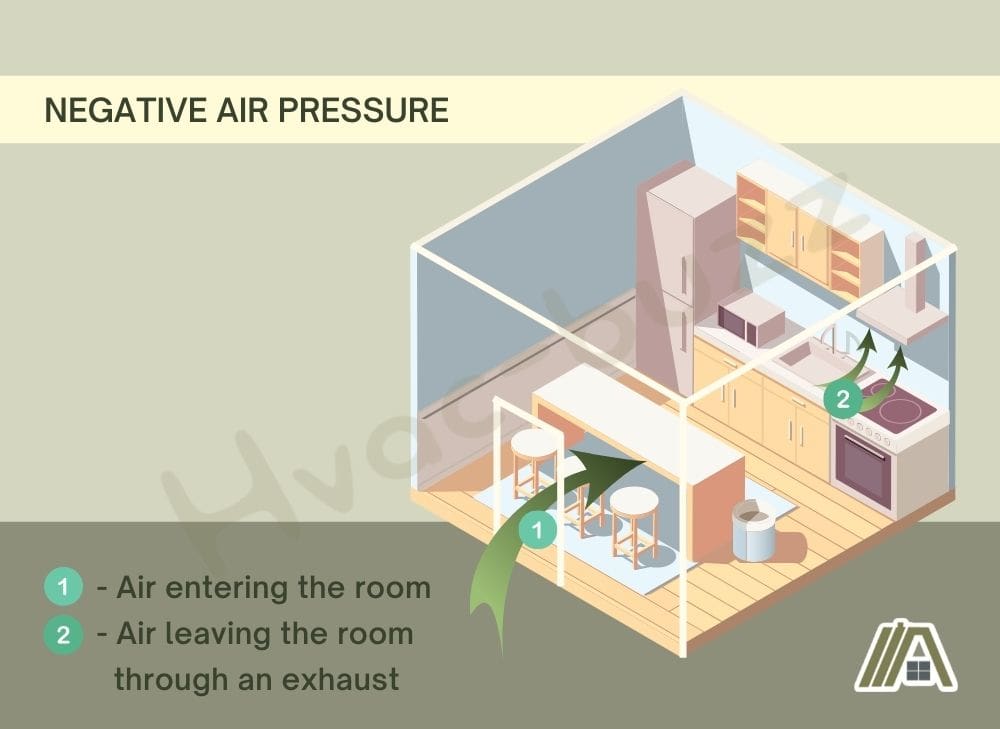
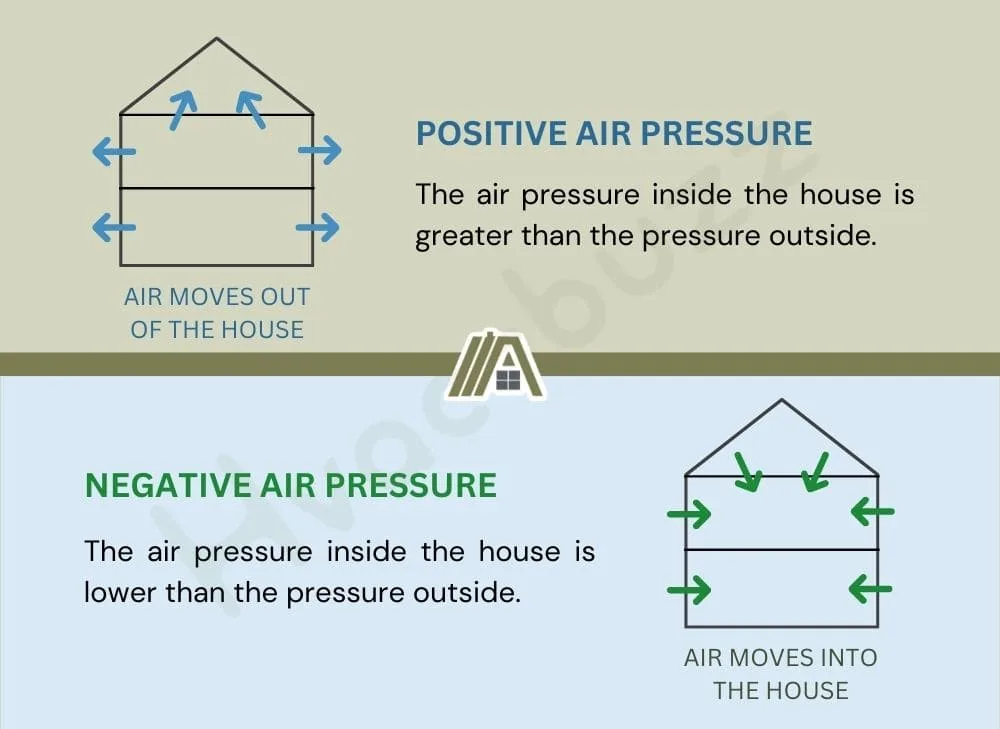
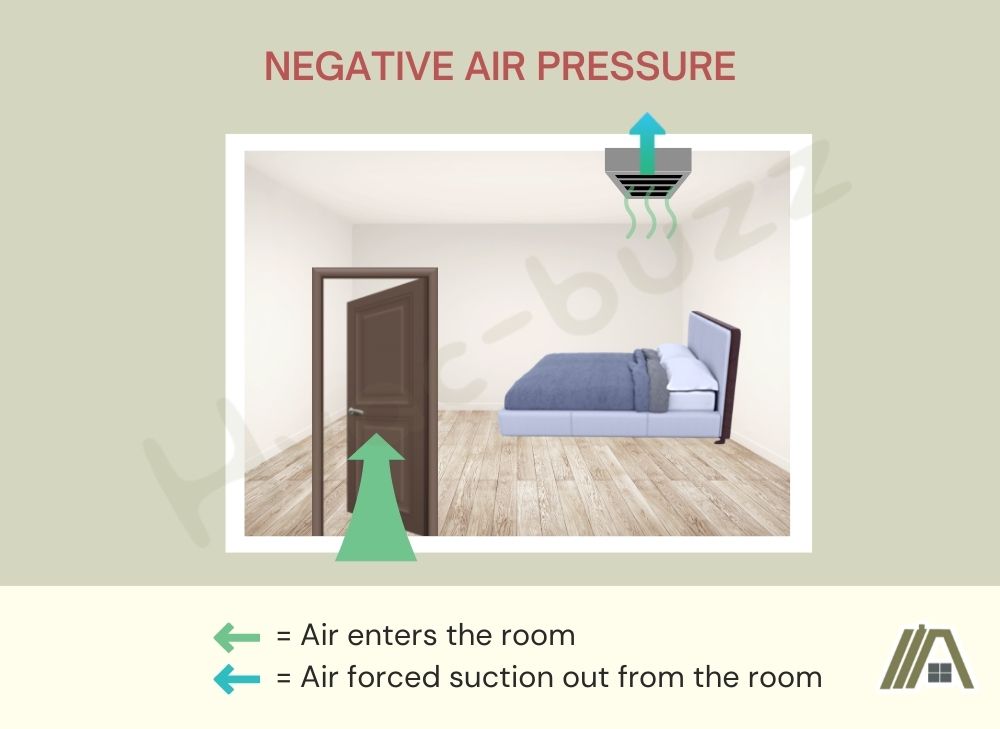
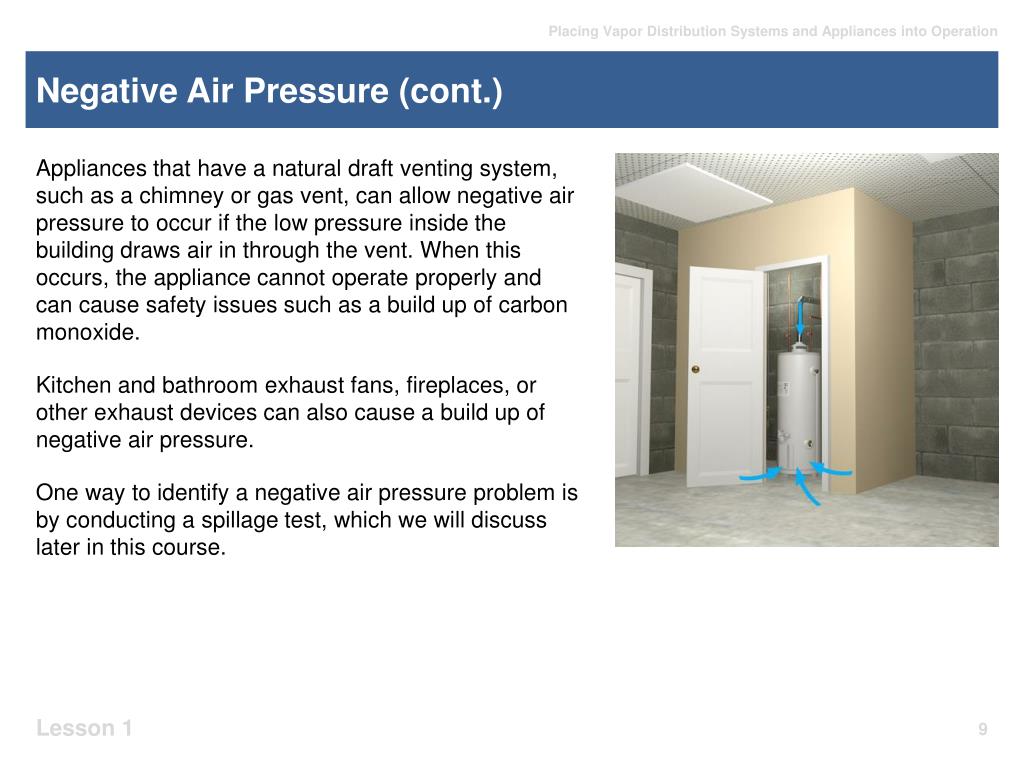
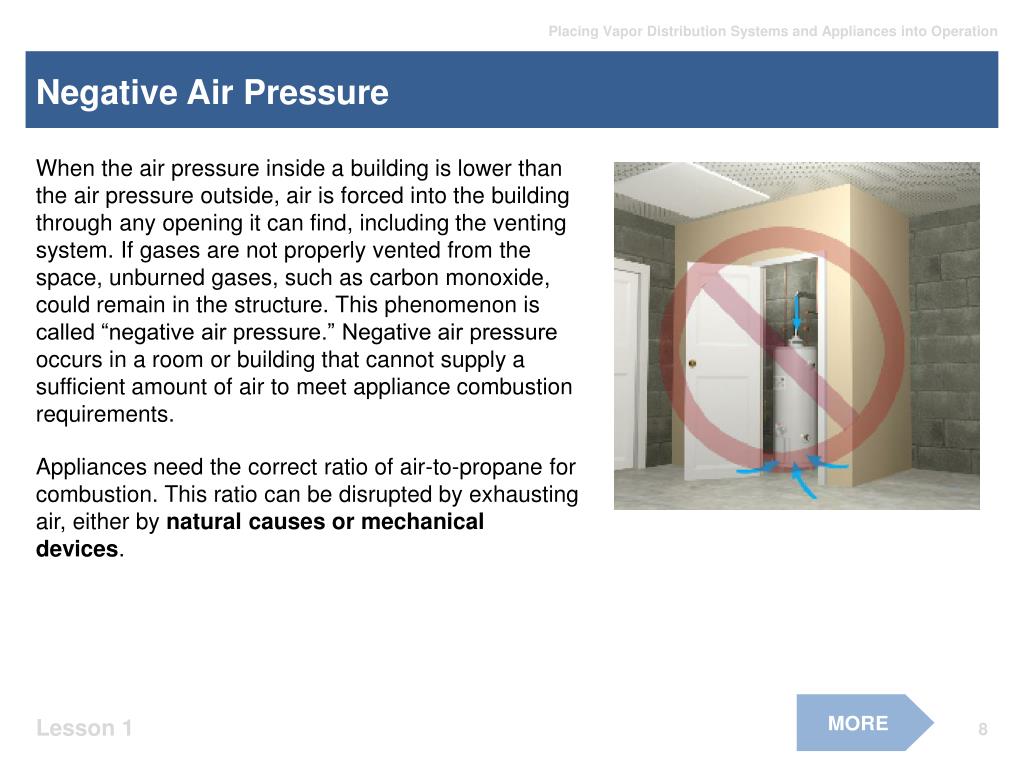
Simply put, negative air pressure means there is less air pressure inside your home than outside. This difference in pressure causes outdoor air to be drawn into your home through any available cracks and gaps. This imbalance can lead to discomfort and increased energy bills.
Common Signs of Negative Air Pressure in Your Home
Identifying the symptoms is the first step to diagnosing and correcting the problem. Here's what to look for:
- Doors slamming shut or being difficult to open: If doors close forcefully on their own, or you have to exert more effort than usual to open an exterior door, it's a strong indicator of negative pressure.
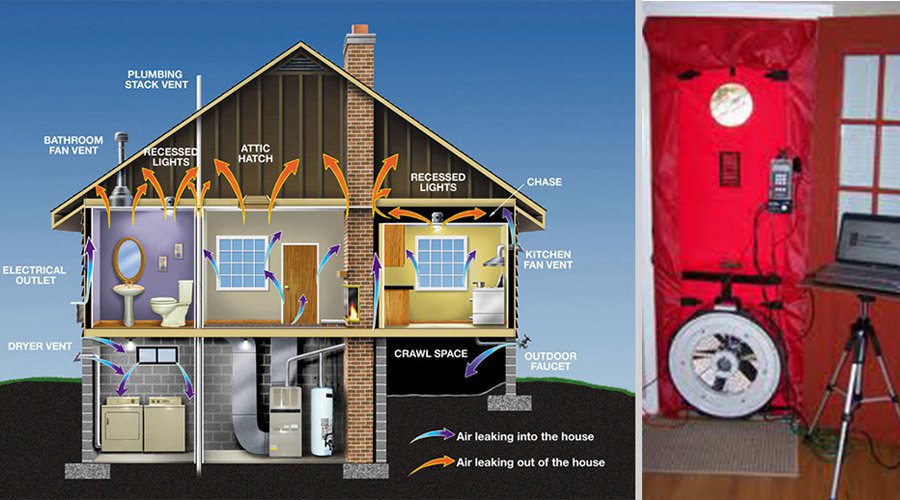
- Drafts near windows and doors: Feeling a cold breeze even when windows and doors are closed tightly is a classic sign. This air is being pulled in from outside to equalize the pressure.
- Difficulty heating or cooling your home: Your HVAC system has to work harder to maintain a comfortable temperature if outside air is constantly infiltrating. This can lead to higher energy bills.
- Backdrafting of combustion appliances: This is a serious safety concern. If you have a gas furnace, water heater, or fireplace, negative pressure can cause exhaust gases to be drawn back into your home instead of venting outside. This can lead to carbon monoxide poisoning. We'll discuss this in more detail later.
- Unusual smells: Negative air pressure can draw odors from outside (like skunk smells or smoke) or from crawl spaces and attics into your living areas.
- Increased dust and allergens: More air being pulled in from the outside means more dust, pollen, and other allergens entering your home.
Common Causes of Negative Air Pressure
Understanding the sources of negative air pressure will help you pinpoint the culprit and implement effective solutions. Here are some of the most common causes:
- Exhaust fans: Bathroom fans, kitchen range hoods, and clothes dryers all exhaust air from your home. If these are running frequently or for extended periods, they can create a significant pressure imbalance.
- Fireplaces: A roaring fireplace pulls a large volume of air up the chimney. This air needs to be replaced, and if your home isn't adequately sealed, it will draw air in from other areas.
- HVAC systems: Inefficient or improperly sized HVAC systems can contribute to negative pressure. Poorly maintained filters can restrict airflow, forcing the system to work harder and pull more air from inside.
- Sealed Homes: Modern, energy-efficient homes are often tightly sealed to prevent air leaks. While this is good for energy conservation, it can also make them more susceptible to negative pressure if exhaust systems are not properly balanced.
- Leaks in Ductwork: Leaky ductwork in attics, crawl spaces, or walls can cause the HVAC system to pull air from outside the living space, creating negative pressure inside the home.
Troubleshooting and DIY Fixes
Now that you know the signs and causes, let's explore some troubleshooting steps and DIY fixes you can try. Remember, safety is paramount. If you are uncomfortable working with electricity, gas, or complex mechanical systems, always call a qualified professional.
1. Check and Adjust Exhaust Fan Usage
Start simple. Are you running exhaust fans longer than necessary? Bathroom fans should ideally run only during and shortly after showers or baths. Kitchen range hoods should be used only when cooking and turned off shortly after. Consider these steps:
- Limit run time: Be mindful of how long exhaust fans are running.
- Consider a timer: Install timers on bathroom fans to automatically turn them off after a set period.
- Inspect fan dampers: Ensure the damper on the outside vent of your exhaust fan opens and closes properly. A stuck-open damper can continuously exhaust air, contributing to negative pressure.
2. Inspect and Seal Windows and Doors
Address air leaks: One of the easiest ways to combat negative air pressure is to seal air leaks around windows and doors. This reduces the amount of outside air being drawn in. Here's how:
- Visual inspection: Look for gaps around window and door frames, especially where the frame meets the wall.
- Caulking: Apply caulk to seal gaps around the exterior of window and door frames. Use a good quality, paintable caulk.
- Weather stripping: Replace worn or damaged weather stripping around doors and windows. This creates a tighter seal when they are closed.
- Door sweeps: Install or replace door sweeps on exterior doors to prevent air from leaking under the door.
3. Check HVAC Filters and Maintenance
A clean filter is a happy filter: A clogged air filter restricts airflow, forcing your HVAC system to work harder and potentially contributing to negative pressure. Regular maintenance is key.
- Filter inspection: Check your air filter monthly and replace it when it's dirty. A visibly dirty filter should be replaced immediately.
- Filter type: Use the correct type and size of filter recommended by your HVAC manufacturer.
- Professional maintenance: Schedule regular maintenance for your HVAC system by a qualified technician. This includes cleaning coils, checking refrigerant levels, and inspecting ductwork.
4. Test for Backdrafting (Safety Warning!)
Carbon monoxide is deadly: Backdrafting is a serious safety hazard that can lead to carbon monoxide poisoning. If you suspect backdrafting, immediately open windows and doors to ventilate your home and call your local fire department or gas company. Do NOT attempt to troubleshoot this yourself unless you are a qualified professional.
How to check (AFTER ensuring adequate ventilation and if you feel comfortable):
- Smoke test: Light a match or incense stick near the draft diverter of your gas furnace or water heater, or near the top of your fireplace. Observe the direction of the smoke. If the smoke is pulled into the appliance or fireplace instead of going up the flue or chimney, it indicates backdrafting. Repeat this test with all exhaust fans running to simulate worst-case conditions.
If you observe backdrafting, DO NOT USE THE APPLIANCE and immediately contact a qualified HVAC technician or gas company.
5. Identifying and Sealing Duct Leaks
Leaky ducts waste energy: Leaks in ductwork can significantly contribute to negative air pressure, especially if the ducts are located in unconditioned spaces like attics or crawl spaces.
- Visual inspection: Look for obvious gaps, tears, or disconnected sections in your ductwork. Pay close attention to joints and seams.
- Feel for air leaks: On a cold day, turn on your furnace and feel around duct joints for escaping air. On a hot day, turn on your air conditioner and do the same.
- Aluminum foil tape: Seal small gaps and tears in ductwork with aluminum foil tape (not duct tape, which dries out and cracks over time).
- Mastic sealant: For larger gaps and joints, use mastic sealant. This is a paint-like substance that creates an airtight seal.
- Professional duct sealing: For extensive duct leaks or hard-to-reach areas, consider hiring a professional duct sealing company. They can use specialized equipment to locate and seal leaks effectively.
6. Addressing Fireplace Air Consumption
Fireplaces are air hogs: A burning fireplace can pull a significant amount of air from your home. Here are some ways to mitigate this:
- Ensure the damper seals tightly when not in use: Check the fireplace damper to ensure it closes completely and creates a tight seal when the fireplace is not in use. A leaky damper allows cold air to enter your home.
- Use a glass fireplace screen: A glass screen can help reduce the amount of air being pulled from the room while the fireplace is burning.
- Consider an outside air kit: An outside air kit supplies combustion air directly to the fireplace from the outside, rather than drawing air from inside your home. This can help reduce negative pressure. Installation of an outside air kit should be done by a qualified professional.
7. Whole-House Ventilation
Balance is key: In tightly sealed homes, it's important to provide adequate ventilation to ensure a healthy indoor environment. Whole-house ventilation systems can help balance air pressure and improve air quality.
- Heat Recovery Ventilator (HRV) or Energy Recovery Ventilator (ERV): These systems bring fresh air into your home while exhausting stale air, recovering heat (HRV) or heat and moisture (ERV) in the process. Professional installation is recommended.
- Supply ventilation: This involves installing a fan that draws fresh air into your home from the outside.
- Exhaust ventilation: This involves using exhaust fans to remove stale air from your home.
When to Call a Professional
While many of these fixes are DIY-friendly, there are times when it's best to call a professional. Never hesitate to seek professional help if you are unsure about any of these steps or if you encounter any of the following situations:
- Suspected gas leaks: If you smell gas, evacuate your home immediately and call your gas company or fire department.
- Carbon monoxide poisoning: If you suspect carbon monoxide poisoning, open windows and doors, evacuate your home, and seek medical attention immediately.
- Complex HVAC repairs: Repairs involving refrigerant, electrical components, or major mechanical systems should be left to qualified HVAC technicians.
- Extensive ductwork repairs: Sealing or repairing ductwork in hard-to-reach areas or involving asbestos-containing materials should be handled by a professional.
- Backdrafting: If you observe backdrafting, do not use the appliance and contact a qualified HVAC technician or gas company.
Conclusion
Addressing negative air pressure in your home is an important step in improving energy efficiency, comfort, and safety. By understanding the signs, identifying the causes, and implementing simple DIY fixes, you can create a healthier and more comfortable living environment. Remember to prioritize safety and seek professional help when needed. By taking these steps, you can take control of your home's air quality and enjoy a more comfortable and energy-efficient living space.