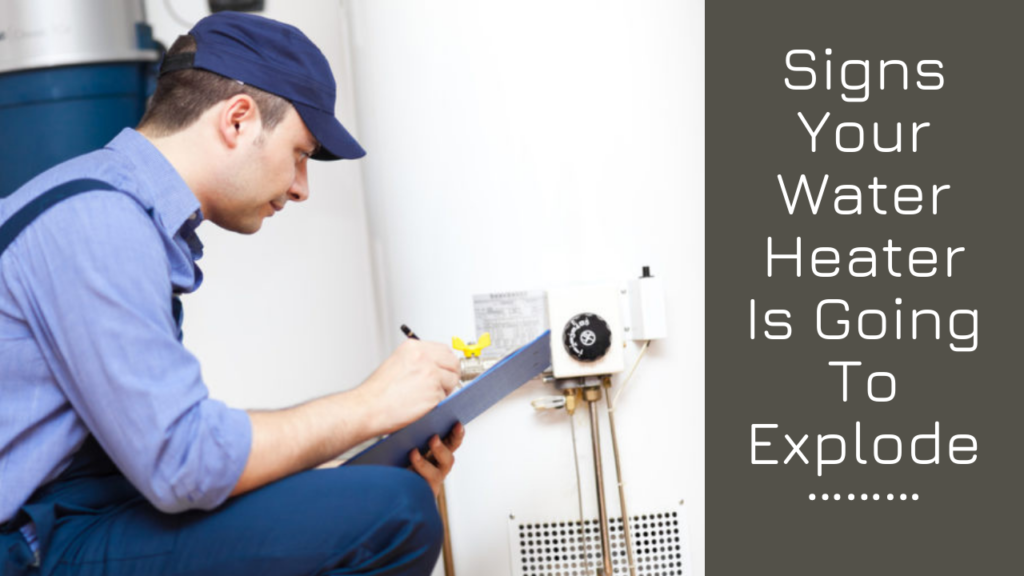
Signs Your Water Heater Is Going To Explode

A water heater is an essential appliance in most homes, providing hot water for showers, cleaning, and laundry. However, a malfunctioning water heater can become a serious safety hazard, potentially even exploding. While explosions are rare, recognizing the warning signs of a failing water heater can help you take preventative measures and avoid a dangerous situation. This guide will walk you through the critical signs indicating your water heater is nearing the end of its lifespan or experiencing a problem that could lead to catastrophic failure.
Why Water Heaters Explode: Understanding the Risks
Before diving into the warning signs, it's important to understand why a water heater might explode. The most common cause is excessive pressure buildup within the tank. Water heaters are designed to withstand a certain amount of pressure, typically around 150 psi. However, if the pressure relief valve malfunctions or sediment accumulation blocks proper heat transfer, the pressure can rise dramatically.
Imagine a tightly sealed container filled with water and heated. As the water heats, it expands, increasing the pressure inside the container. If there's no way for the pressure to escape, the container will eventually rupture. This is essentially what happens in a water heater explosion, but with much more force due to the high temperatures and pressurized water.
The Role of the Temperature and Pressure Relief Valve (TPR Valve)
The TPR valve is a critical safety device designed to release excess pressure or temperature from the water heater. It’s usually located near the top of the tank and has a small discharge pipe running down the side. If this valve fails, the pressure can build up unchecked, leading to a potentially explosive situation. Testing this valve regularly is paramount.
Key Warning Signs: Is Your Water Heater About to Fail?
Here are the crucial warning signs that suggest your water heater may be nearing the end of its life or experiencing a dangerous problem:
1. Strange Noises: Banging, Rumbling, or Popping
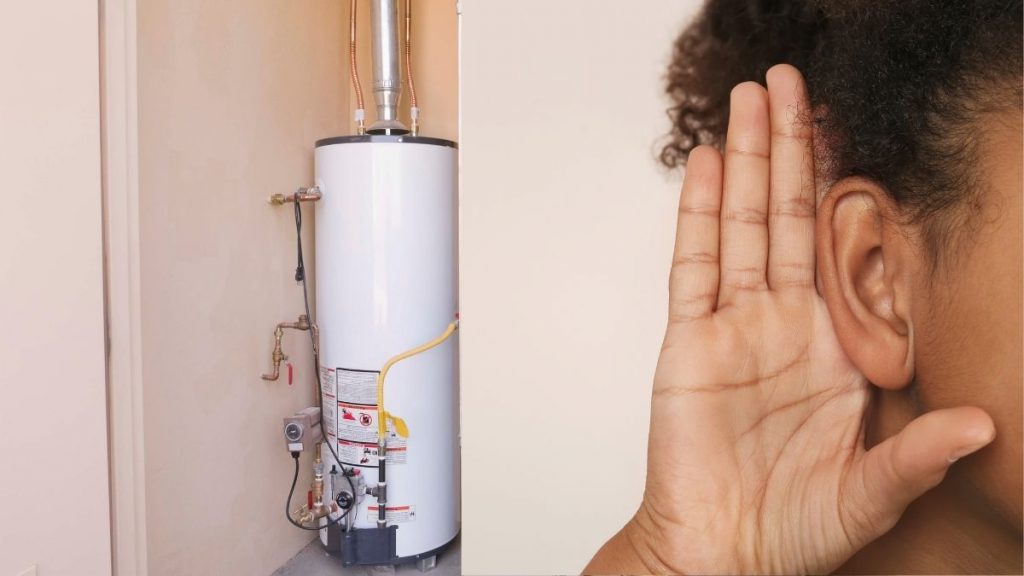
Unusual noises coming from your water heater are often the first indication of a problem. These noises are usually caused by sediment buildup at the bottom of the tank. As water heats, minerals like calcium and magnesium precipitate out of the water and settle. Over time, this sediment can harden and insulate the bottom of the tank, causing the heating element to overheat.
The banging, rumbling, or popping sounds you hear are steam bubbles escaping from underneath the sediment layer. The trapped water beneath the sediment overheats much faster, creating steam pockets. These noises indicate that your water heater is working harder than it should and is potentially at risk of overheating and pressure buildup. Think of it like trying to boil water in a kettle filled with rocks – it will take longer and make a lot more noise.
2. Leaking Water: Puddles Around the Tank
Any water leaking from your water heater is a serious concern. Leaks can occur for various reasons, including corrosion, loose fittings, or a faulty tank. Even small leaks can worsen over time and compromise the structural integrity of the tank.
Inspect the area around the base of the water heater, as well as the connections for the water supply and drain valve. If you notice any signs of moisture, rust, or corrosion, address the problem immediately. A leaking tank is a sign of weakening metal and increased risk of failure, potentially leading to a rupture or explosion.
3. Rusty Water: A Sign of Corrosion
If your hot water consistently appears rusty or discolored, it’s a strong indication that the inside of your water heater tank is corroding. As the steel tank corrodes, rust particles contaminate the water supply. This not only affects the water quality but also weakens the tank, making it more susceptible to leaks and ruptures.
While rusty water might also originate from rusty pipes, if it only appears when you use hot water, the water heater is the more likely culprit. If you ignore the issue, the corrosion will continue to worsen, and eventually, the tank will fail. Consider flushing the tank or replacing the sacrificial anode rod to mitigate the corrosion.
4. Reduced Hot Water: Inefficient Heating
A sudden or gradual decrease in the amount of hot water your water heater produces is a sign of inefficiency. This could be due to several factors, including sediment buildup, a faulty heating element, or a failing thermostat. When sediment accumulates, it reduces the tank's capacity and insulates the heating element, making it harder to heat the water. A faulty heating element simply might not be heating the water to the right temperature.
While reduced hot water alone isn't an immediate explosion risk, it indicates that the water heater is working harder and less efficiently, which can contribute to other problems like overheating and pressure buildup over time. Address this inefficiency promptly to prevent further issues. This may entail draining the tank or calling a professional.
5. Visible Rust or Corrosion on the Tank
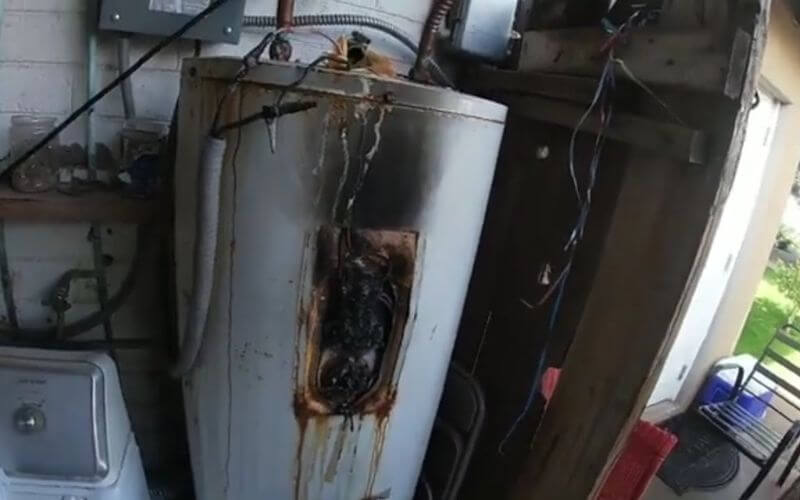
External rust or corrosion on the water heater tank is a major red flag. It indicates that the protective coating on the tank has been compromised and the underlying steel is exposed to moisture and oxygen, accelerating the corrosion process. Look carefully at the tank's exterior, paying close attention to the bottom and any seams or connections.
If you see extensive rust or corrosion, the tank is likely weakening and at risk of failure. Replacing the water heater should be a priority to avoid a potentially dangerous situation. Visible rust is a clear sign that the structural integrity of the tank is compromised.
6. Temperature and Pressure Relief (TPR) Valve Issues
As mentioned earlier, the TPR valve is a critical safety device. Regularly test the TPR valve by lifting the lever. Water should flow freely out of the discharge pipe. If the valve doesn't release water when you lift the lever, or if it constantly drips or leaks, it's likely malfunctioning and needs to be replaced immediately.
A faulty TPR valve prevents the water heater from releasing excess pressure, significantly increasing the risk of an explosion. Don't ignore a malfunctioning TPR valve; it's your water heater's last line of defense against over-pressurization.
7. Age of the Water Heater
Most water heaters have a lifespan of 8-12 years. If your water heater is nearing or exceeding this age range, it's more likely to experience problems like corrosion, sediment buildup, and component failure. Even if your water heater appears to be functioning properly, it's wise to consider replacing it proactively to avoid potential issues and ensure optimal efficiency.
Check the manufacturer's date on the water heater to determine its age. Replacing an aging water heater can provide peace of mind and prevent a potentially dangerous failure.
8. Water Heater Smells Like Rotten Eggs
A rotten egg smell emanating from your hot water is often caused by sulfur bacteria growth inside the tank. These bacteria aren't necessarily dangerous, but they can produce hydrogen sulfide gas, which has a characteristic rotten egg odor. While the smell itself isn't directly related to an explosion risk, the presence of sulfur bacteria can contribute to corrosion and sediment buildup, potentially leading to problems that can increase the risk of failure.
Flushing the tank and disinfecting the water heater can often resolve the odor issue. However, if the problem persists, it's best to consult a plumber to ensure there are no underlying issues that could compromise the water heater's safety.
What to Do If You Suspect a Problem
If you notice any of the warning signs mentioned above, take the following steps:
- Turn off the water heater: Locate the circuit breaker for the water heater and turn it off to stop the heating process.
- Turn off the water supply: Locate the water shut-off valve for the water heater and turn it off to prevent further water flow into the tank.
- Call a qualified plumber: Contact a licensed plumber to inspect the water heater and determine the extent of the problem. Do not attempt to repair the water heater yourself unless you have the necessary expertise and experience.
- Replace if necessary: If the water heater is old, severely corroded, or has a faulty tank, it's best to replace it with a new unit.
Preventative Maintenance: Keeping Your Water Heater Safe
Regular maintenance can help extend the life of your water heater and prevent potential problems. Here are some essential maintenance tasks:
- Flush the tank annually: Flushing the tank removes sediment buildup and helps maintain efficient heat transfer.
- Test the TPR valve: Test the TPR valve at least once a year to ensure it's functioning correctly.
- Replace the anode rod: The anode rod is a sacrificial metal rod that protects the tank from corrosion. Replace it every few years to prolong the life of the tank.
- Inspect for leaks: Regularly inspect the area around the water heater for any signs of leaks.
By being proactive and paying attention to the warning signs, you can help ensure the safe and efficient operation of your water heater and prevent a potentially dangerous situation.