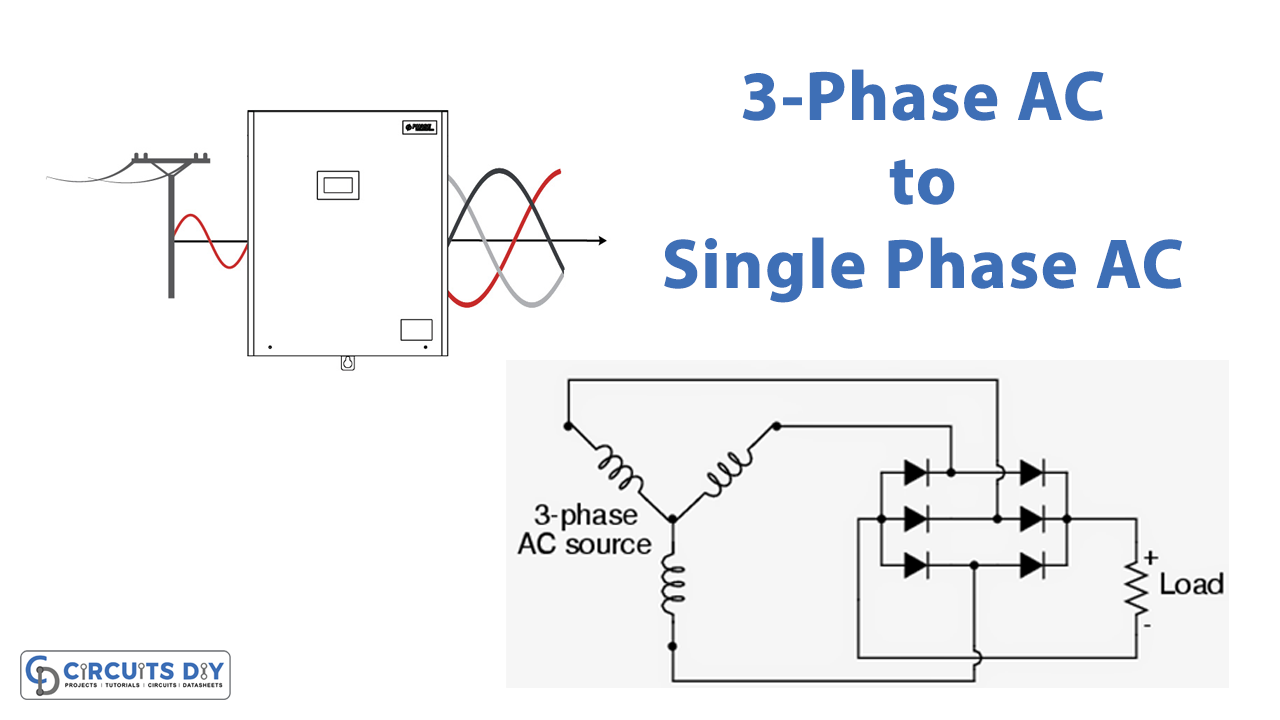
Single Phase To Three Phase Converter

Frequently Asked Questions: Single Phase to Three Phase Converters
Welcome! You're likely here because you're wondering about converting single-phase power to three-phase power. This guide provides clear and concise answers to common questions about single-phase to three-phase converters, helping you understand if they're the right solution for your needs.
Question 1: What exactly is a Single Phase to Three Phase Converter and why would I need one?
A single-phase to three-phase converter is a device that transforms single-phase electrical power (the type commonly found in homes and small businesses) into three-phase electrical power. Three-phase power is used by many types of heavy-duty equipment, especially industrial machinery, motors, and pumps. It provides a smoother and more efficient power delivery compared to single-phase.
You might need one if:
- You have a piece of three-phase equipment that you want to operate in a location that only has single-phase power available.
- You want to improve the performance and lifespan of your heavy-duty equipment by providing it with the more stable and efficient power that three-phase offers.
- You're in a rural area where running a new three-phase power line is prohibitively expensive.
Essentially, it allows you to run powerful three-phase machinery without the expensive and complex process of upgrading your entire power grid connection.
Question 2: What are the different types of Single Phase to Three Phase Converters?
There are several types of converters, each with its own advantages and disadvantages:
- Rotary Converters (also known as Motor Generators): These use a three-phase motor driving a three-phase generator. They're very robust and can handle high loads with good voltage balance. They're generally the most expensive option. They are the most likely to provide clean power.
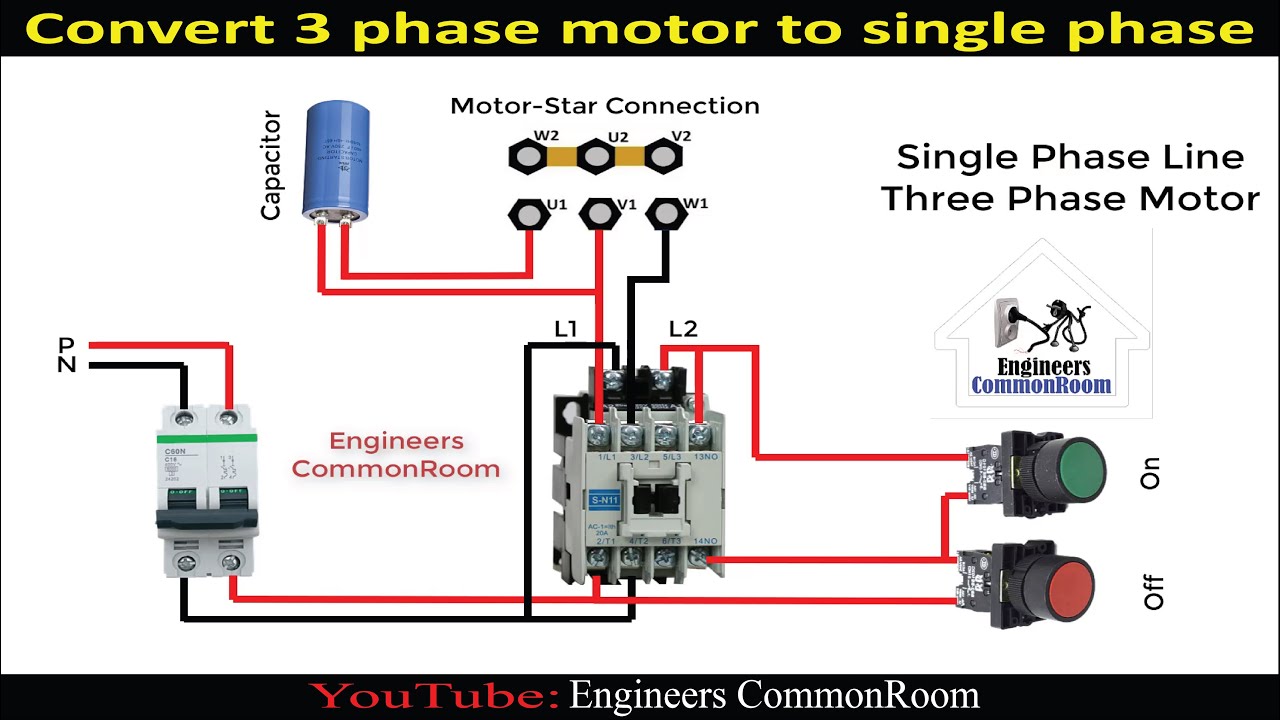
- Static Converters: These use capacitors and other electronic components to simulate three-phase power. They are less expensive than rotary converters but may not provide as stable or clean power. They are generally suitable for resistive loads.
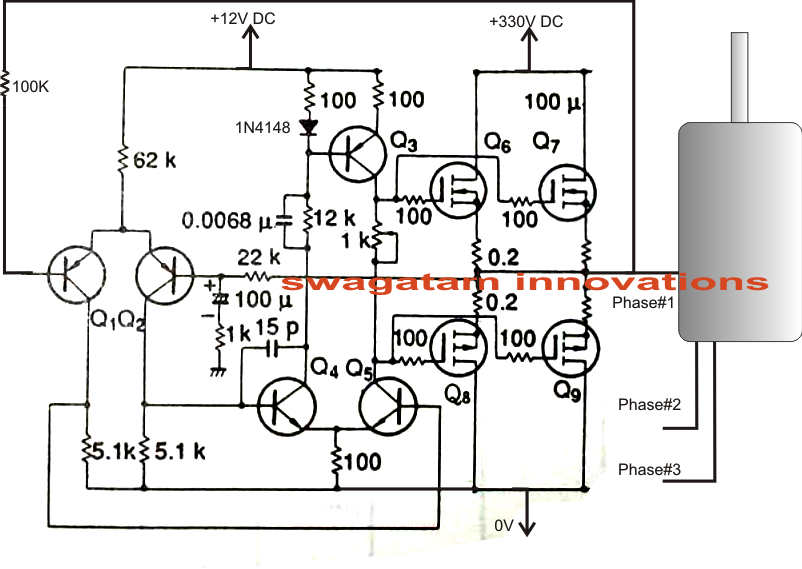
- Electronic Converters (also known as Solid-State Converters or Variable Frequency Drives (VFDs)): These use sophisticated electronics to create a true three-phase output from a single-phase input. They are generally more efficient and offer better voltage balance than static converters. VFDs offer variable speed control as well. They are usually more expensive than static converters, but may be cheaper than rotary converters depending on the load.
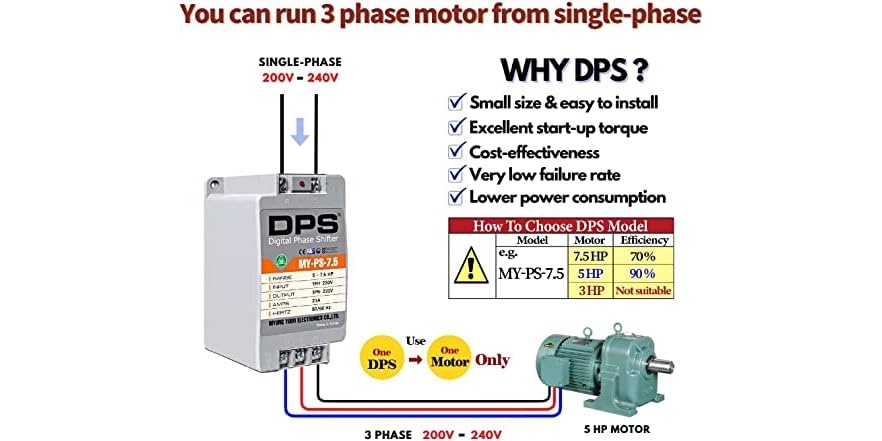
- Digital Phase Converters: These are a type of electronic converter that uses digital signal processing to create a highly stable and accurate three-phase output. They are known for their excellent voltage balance and ability to handle complex loads. These are best for CNC and other precision equipment.
Choosing the right type depends on your specific application, the power requirements of your equipment, and your budget. We will elaborate on that more later on.
Question 3: How do I choose the right size converter for my equipment? What are the important specifications I need to know?
Sizing the converter correctly is crucial to ensure reliable operation and prevent damage to your equipment or the converter itself. Here's a breakdown:
- Determine the total three-phase horsepower (HP) or kilowatt (kW) requirement of all the equipment you intend to run simultaneously. Don't just add up the nameplate ratings. Consider starting loads and peak demands.
- Consider the starting current or inrush current. Many three-phase motors require significantly higher current when starting up than they do when running at full speed. This is very important! Rotary converters usually are better at providing inrush current to motors.
- Oversize the converter. As a general rule of thumb, it's recommended to choose a converter that is at least 1.5 to 2 times larger than the total HP or kW requirement. This provides a safety margin and helps the converter handle starting loads and fluctuations in demand. An oversized converter is better than an undersized converter.
- Check the converter's voltage rating. Ensure that the converter's input and output voltage ratings match your existing single-phase power supply and the voltage requirements of your three-phase equipment (e.g., 240V single-phase in, 240V three-phase out, or 240V single-phase in, 480V three-phase out).
- Load Balancing: Pay close attention to the load balance on the output. Make sure the load is roughly equally distributed across all three phases. An unbalanced load can cause overheating and damage to the converter. It is best to use a rotary converter when load balancing is complex.
- Consult with a qualified electrician or converter supplier. They can help you accurately assess your power needs and recommend the appropriate converter size and type.
The important specifications to consider are: Input Voltage, Output Voltage, Output Power (HP or kW), Starting KVA, Load Balance, and Phase balance.
Question 4: How much does a Single Phase to Three Phase Converter cost? What are the ongoing operational costs?
The cost of a converter varies widely depending on the type, size, and features. Here's a general idea:
- Static Converters: These are generally the least expensive, ranging from a few hundred to a few thousand dollars, depending on the HP rating.
- Electronic Converters (including VFDs): Prices range from a few hundred to several thousand dollars, depending on the power output and features such as variable speed control.
- Rotary Converters: These are typically the most expensive, with prices ranging from several thousand to tens of thousands of dollars, depending on the size and quality.
- Digital Converters: These are in the same price range as rotary converters, but prices depend on size and features.
Ongoing operational costs include:
- Electricity consumption: All converters consume some electricity, even when idling. Rotary converters tend to use more energy than solid-state converters due to the motor running continuously.
- Maintenance: Rotary converters may require occasional maintenance such as bearing lubrication or brush replacement. Electronic converters generally require less maintenance.
- Replacement parts: Electronic components in converters can fail over time, requiring replacement. The lifespan of these components depends on the quality of the converter and the operating conditions.
Consider the total cost of ownership, including the initial purchase price and ongoing operational costs, when making your decision. High-quality converters often have lower operational costs and a longer lifespan, making them a better investment in the long run.
Question 5: Are Single Phase to Three Phase Converters difficult to install? Can I do it myself?
The installation complexity depends on the type of converter and your electrical experience. It is strongly recommended to have a qualified electrician install any type of Single Phase to Three Phase Converter.
Here's a general overview:
- Static Converters: These are often the simplest to install, typically requiring only basic wiring connections. However, they may also require some configuration to optimize performance.
- Electronic Converters: These may require more complex wiring and configuration, especially if they include features like variable speed control.
- Rotary Converters: These are the most complex to install, requiring a dedicated circuit and proper grounding. Starting circuits often involve timers and relays.
Even if you have some electrical experience, working with high-voltage equipment can be dangerous. A qualified electrician will ensure that the converter is installed safely and correctly, and that it meets all applicable electrical codes. They can also help you troubleshoot any problems that may arise during or after installation.
Question 6: What are the advantages and disadvantages of using a Single Phase to Three Phase Converter compared to getting a dedicated three-phase power line?
Here's a comparison of the pros and cons:
Single Phase to Three Phase Converter:
Advantages:
- Lower upfront cost: Significantly cheaper than running a new three-phase power line.
- Faster installation: Can be installed much quicker than waiting for the utility company to upgrade the power grid.
- Flexibility: Allows you to use three-phase equipment in locations where three-phase power is not available.
Disadvantages:
- Lower efficiency: Converters consume some electricity, reducing overall efficiency.
- Power limitations: The converter's capacity limits the amount of three-phase power available.
- Potential voltage imbalance: Some converters may not provide perfectly balanced three-phase voltage, potentially affecting equipment performance. This is more prominent with static converters, and less so with rotary converters.
- Maintenance: Some converters (especially rotary converters) may require occasional maintenance.
Dedicated Three-Phase Power Line:
Advantages:
- Higher efficiency: No power conversion losses, resulting in higher efficiency.
- Unlimited power: Access to the full capacity of the three-phase power grid.
- Balanced voltage: Provides perfectly balanced three-phase voltage, ensuring optimal equipment performance.
- Reliability: Generally more reliable than converters, with less chance of failure.
Disadvantages:
- High upfront cost: Very expensive, often requiring significant infrastructure upgrades.
- Long installation time: Can take weeks or even months to get a new three-phase power line installed.
- Limited availability: Not available in all locations, especially rural areas.
In summary, a converter is a good option if you need to run a small amount of three-phase equipment and don't want to spend the money to upgrade to a full three-phase service. But, if you need a large amount of power and a more reliable power source, it may be better to pay for a dedicated three-phase service from the utility.
Question 7: Are there any safety considerations I should be aware of when using a Single Phase to Three Phase Converter?
Safety is paramount when working with electrical equipment. Here are some important safety considerations:
- Proper Grounding: Ensure that the converter and all connected equipment are properly grounded to prevent electric shock. Consult with a qualified electrician to verify grounding compliance.
- Overcurrent Protection: Install appropriate fuses or circuit breakers to protect the converter and connected equipment from overcurrents and short circuits. Ensure that the overcurrent protection devices are sized correctly for the load and the converter's capacity.
- Ventilation: Provide adequate ventilation for the converter to prevent overheating. Do not install the converter in a confined space without proper airflow.
- Maintenance: Regularly inspect the converter and connected equipment for any signs of damage or wear. Repair or replace any damaged components immediately.
- Lockout/Tagout Procedures: Follow proper lockout/tagout procedures before performing any maintenance or repairs on the converter or connected equipment. This will prevent accidental energization of the equipment.
- Qualified Personnel: Only allow qualified personnel to install, maintain, or repair the converter and connected equipment. Working with high-voltage equipment can be dangerous, and only trained professionals should perform these tasks.
- Read the Manual: Always read and understand the manufacturer's instructions before using or working on a Single Phase to Three Phase Converter.
By following these safety guidelines, you can help ensure the safe and reliable operation of your Single Phase to Three Phase Converter.