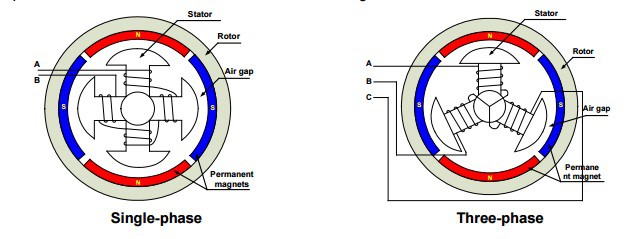
Single Phase Vs Three Phase Motor
Choosing the right HVAC system for your home or investment property can feel like navigating a maze. Among the many factors to consider, understanding the difference between single-phase and three-phase motors is crucial, especially when selecting larger systems. This guide breaks down everything you need to know to make an informed decision, covering their pros and cons, applications, and implications for your energy bill and overall system performance.
Understanding Single-Phase Motors
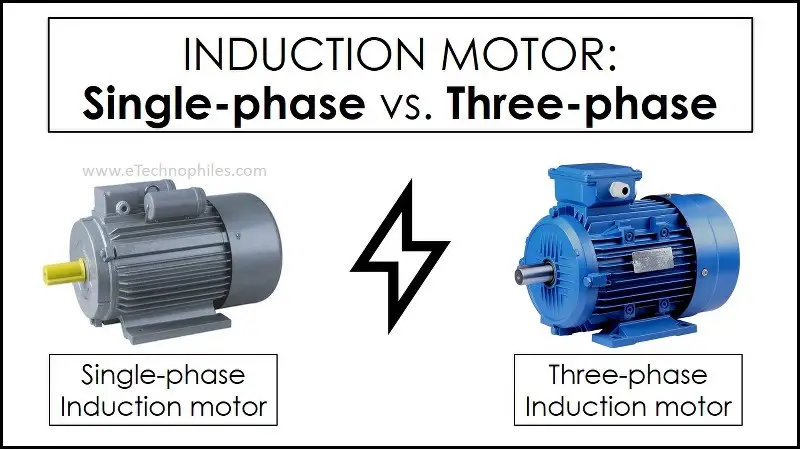
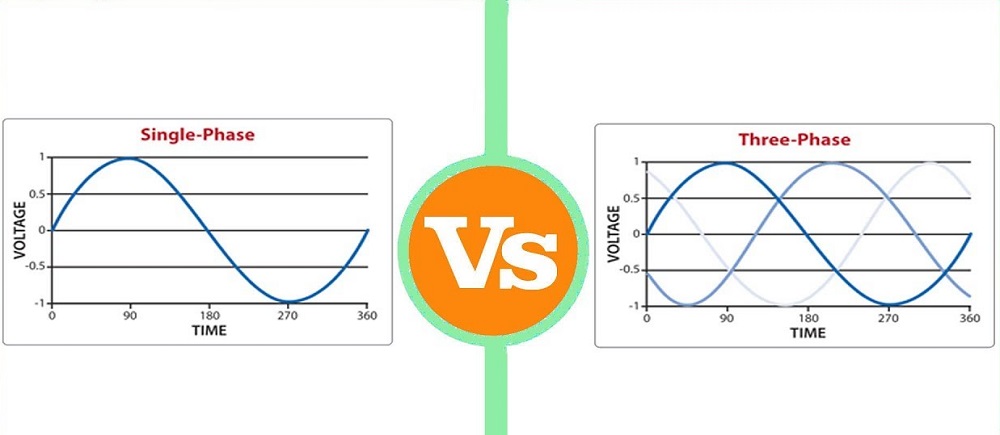
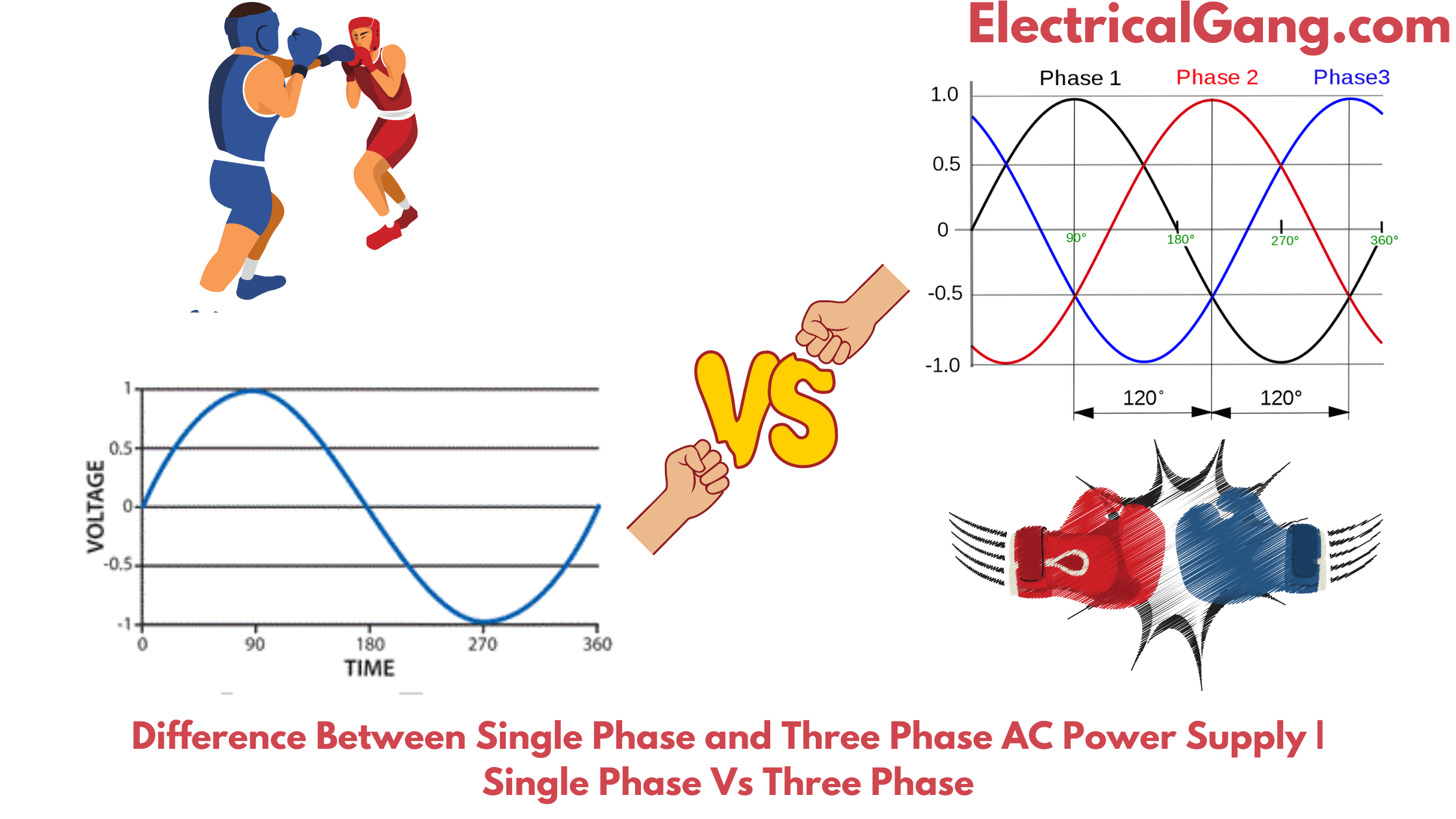
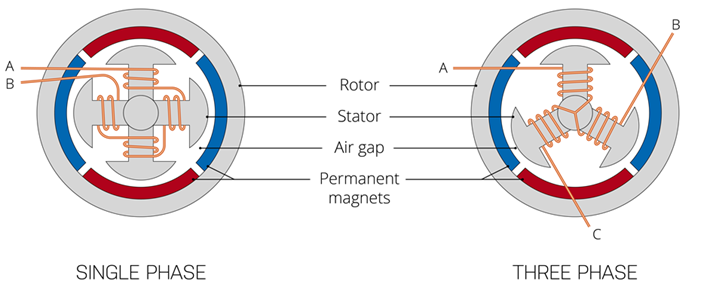
Most residential HVAC systems rely on single-phase motors. These motors operate using a single alternating current (AC) power source. You'll find them in window air conditioners, smaller central AC units, and some heat pumps. Their simplicity and lower cost make them a popular choice for residential applications.
Pros of Single-Phase Motors:
- Cost-Effective: Generally less expensive than three-phase motors and related electrical infrastructure.
- Easy Installation: Simpler wiring and readily available in most homes.
- Widely Available: Abundant options for smaller HVAC units that use single-phase power.
Cons of Single-Phase Motors:
- Lower Power Output: Less efficient for high-power applications compared to three-phase motors.
- Starting Torque: Can have lower starting torque, which might require additional components to initiate rotation.
- Voltage Limitations: Not suitable for large commercial or industrial applications that demand high voltage.
Delving into Three-Phase Motors
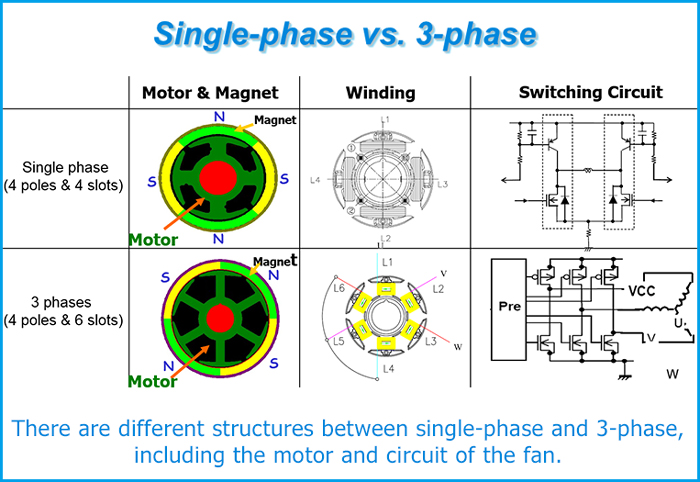
Three-phase motors utilize three separate AC power sources that are out of sync with each other. This configuration delivers higher power output and efficiency, making them ideal for larger commercial and industrial HVAC systems, as well as some high-end residential applications requiring significant cooling or heating capacity.
Pros of Three-Phase Motors:
- High Power Output: Provides significantly more power than single-phase motors, suitable for large buildings and heavy-duty equipment.
- Higher Efficiency: More efficient in converting electrical energy into mechanical energy, leading to lower operating costs over time.
- Smooth Operation: Delivers smoother and more consistent power delivery, reducing vibration and extending equipment lifespan.
- Reliable Starting Torque: Provides excellent starting torque, enabling reliable operation even under heavy loads.
Cons of Three-Phase Motors:
- Higher Initial Cost: Typically more expensive than single-phase motors and require a more complex electrical setup.
- Complex Installation: Requires specialized wiring and knowledge of three-phase electrical systems.
- Not Always Available: Three-phase power isn't readily available in all residential areas, potentially requiring upgrades to your electrical service.
Key Differences Summarized
Here's a table summarizing the key differences between single-phase and three-phase motors in HVAC systems:
| Feature | Single-Phase Motor | Three-Phase Motor |
|---|---|---|
| Power Output | Lower | Higher |
| Efficiency | Lower | Higher |
| Cost | Lower | Higher |
| Installation | Simpler | More Complex |
| Application | Residential, Small Commercial | Large Commercial, Industrial, High-End Residential |
| Availability | Widely Available | May Require Electrical Upgrades |
HVAC Applications and Motor Types
The choice between single-phase and three-phase motors directly impacts the type of HVAC system you can install. Here's a breakdown:
- Single-Phase: Window air conditioners, portable air conditioners, smaller central AC units (typically up to 5 tons), and most residential heat pumps. Brands like Carrier, Trane, and Goodman offer a wide range of single-phase residential units.
- Three-Phase: Large commercial HVAC systems, industrial chillers, and some high-capacity residential systems often utilize three-phase motors. Brands such as York, Daikin (especially their larger VRF systems), and Mitsubishi Electric are common in these applications.
For example, a homeowner with a small house (under 2000 sq ft) likely only needs a single-phase system. However, a large custom home, a multi-family dwelling, or a small business may benefit from a three-phase system due to the higher power demand.
Energy Efficiency Ratings: SEER, AFUE, and HSPF
Regardless of whether you choose a single-phase or three-phase system, understanding energy efficiency ratings is essential for minimizing operating costs. The most common ratings are:
- SEER (Seasonal Energy Efficiency Ratio): Measures the cooling efficiency of air conditioners and heat pumps. Higher SEER ratings indicate greater energy efficiency. Look for models with SEER ratings of 16 or higher for significant energy savings.
- AFUE (Annual Fuel Utilization Efficiency): Measures the heating efficiency of furnaces. A higher AFUE rating means the furnace converts more fuel into usable heat. Consider models with AFUE ratings of 90% or higher.
- HSPF (Heating Seasonal Performance Factor): Measures the heating efficiency of heat pumps. Higher HSPF ratings indicate better heating performance. Aim for HSPF ratings of 8 or higher.
When comparing HVAC systems, pay close attention to these ratings. A unit with a higher SEER, AFUE, or HSPF rating will generally cost more upfront but will save you money on energy bills over the long run. Check for Energy Star certified models, which meet specific efficiency standards.
Pricing and Long-Term Costs
The initial purchase price is only part of the equation. Consider the long-term costs associated with each type of motor and system:
- Single-Phase: Lower initial cost, but potentially higher operating costs if the system is undersized or inefficient.
- Three-Phase: Higher initial cost, but potentially lower operating costs due to higher efficiency and longer lifespan. However, electrical upgrades required for three-phase power can significantly increase initial expenses.
It's wise to obtain multiple quotes from qualified HVAC contractors. They can assess your specific needs and provide accurate estimates for both the initial installation and ongoing operating costs. Be sure to ask about rebates and incentives that may be available from your local utility company or government programs.
Warranties and Maintenance
A solid warranty provides peace of mind and protects your investment. Most HVAC manufacturers offer warranties on their products. Pay attention to the terms and conditions, including the length of the warranty, what is covered, and any requirements for regular maintenance.
Regular maintenance is crucial for ensuring optimal performance and extending the lifespan of your HVAC system. Schedule annual inspections and tune-ups with a qualified technician. This can help identify and address potential problems before they become major issues, saving you money on repairs and preventing unexpected breakdowns. Common maintenance tasks include cleaning or replacing air filters, inspecting and cleaning coils, checking refrigerant levels, and lubricating moving parts.
Making the Right Choice
Deciding between single-phase and three-phase motors for your HVAC system requires careful consideration of your specific needs, budget, and electrical infrastructure. For most residential applications, a single-phase system is sufficient. However, for larger homes, commercial properties, or applications requiring high power and efficiency, a three-phase system may be the better choice.
Before making a final decision, consult with a qualified HVAC contractor who can assess your needs and provide expert advice. They can help you choose the right system for your specific requirements and ensure proper installation and maintenance for years of reliable performance.
Popular HVAC Brands and Models
Here are some popular HVAC brands and models known for their quality and performance. Note: Specific models and availability may vary by region.
Single-Phase HVAC Units:
- Carrier Infinity Series: Known for their high efficiency and advanced features.
- Trane XV Series: Offers variable-speed technology for enhanced comfort and energy savings.
- Goodman GSX Series: A more budget-friendly option with decent efficiency ratings.
- Rheem Prestige Series: Features advanced technology and smart home integration.
Three-Phase HVAC Units (typically for larger applications):
- York YZ Chiller: Highly efficient chiller often used in commercial buildings.
- Daikin VRV Systems: Versatile systems suitable for various commercial and residential applications requiring multi-zone control.
- Mitsubishi Electric CITY MULTI: Another popular VRF (Variable Refrigerant Flow) system known for its energy efficiency and zoning capabilities.
Always research specific models and compare specifications to find the best fit for your particular requirements. Remember to consider factors such as SEER, AFUE, HSPF ratings, warranty terms, and customer reviews.
Ultimately, the best HVAC system is the one that meets your specific needs, fits your budget, and provides reliable and efficient performance for years to come. By understanding the differences between single-phase and three-phase motors, along with other key factors, you can make an informed decision and ensure a comfortable and energy-efficient indoor environment.