Single Split Vs Multi Split Aircon
Frequently Asked Questions: Single Split vs. Multi-Split Air Conditioning
Choosing the right air conditioning system for your home or office can be a complex decision. Understanding the differences between single-split and multi-split systems is crucial for making an informed choice. This FAQ aims to answer common questions and help you determine which option best suits your needs.
Question 1: What's the basic difference between a single-split and a multi-split air conditioning system?
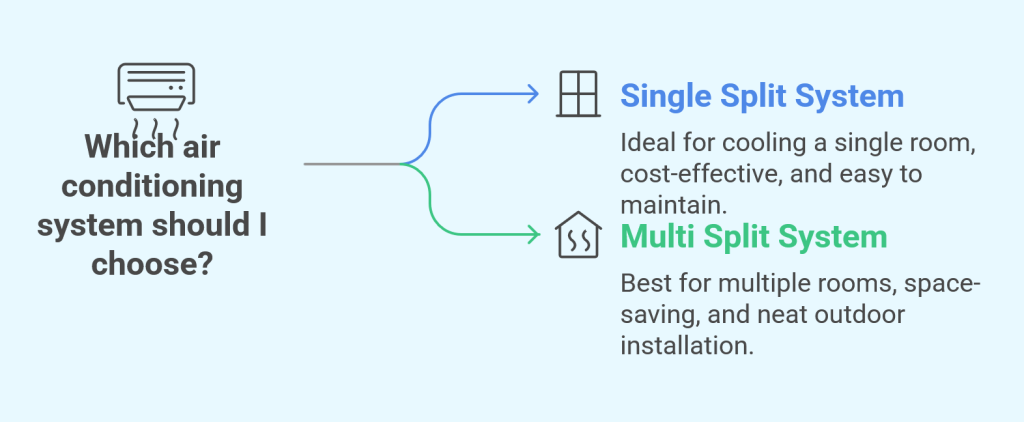
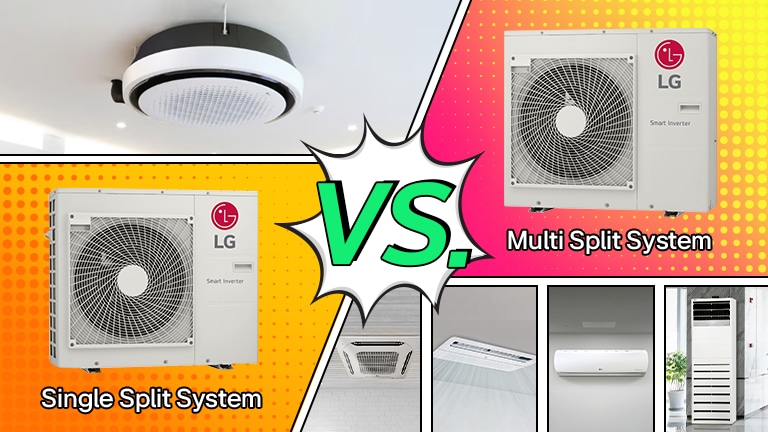
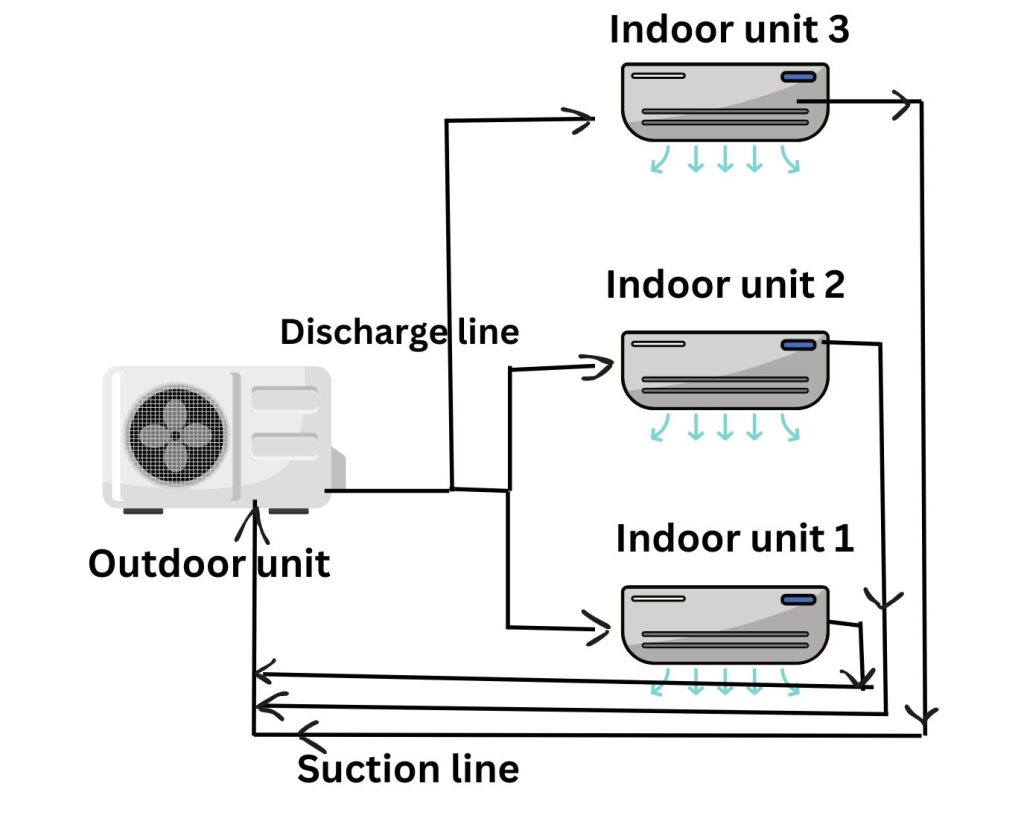
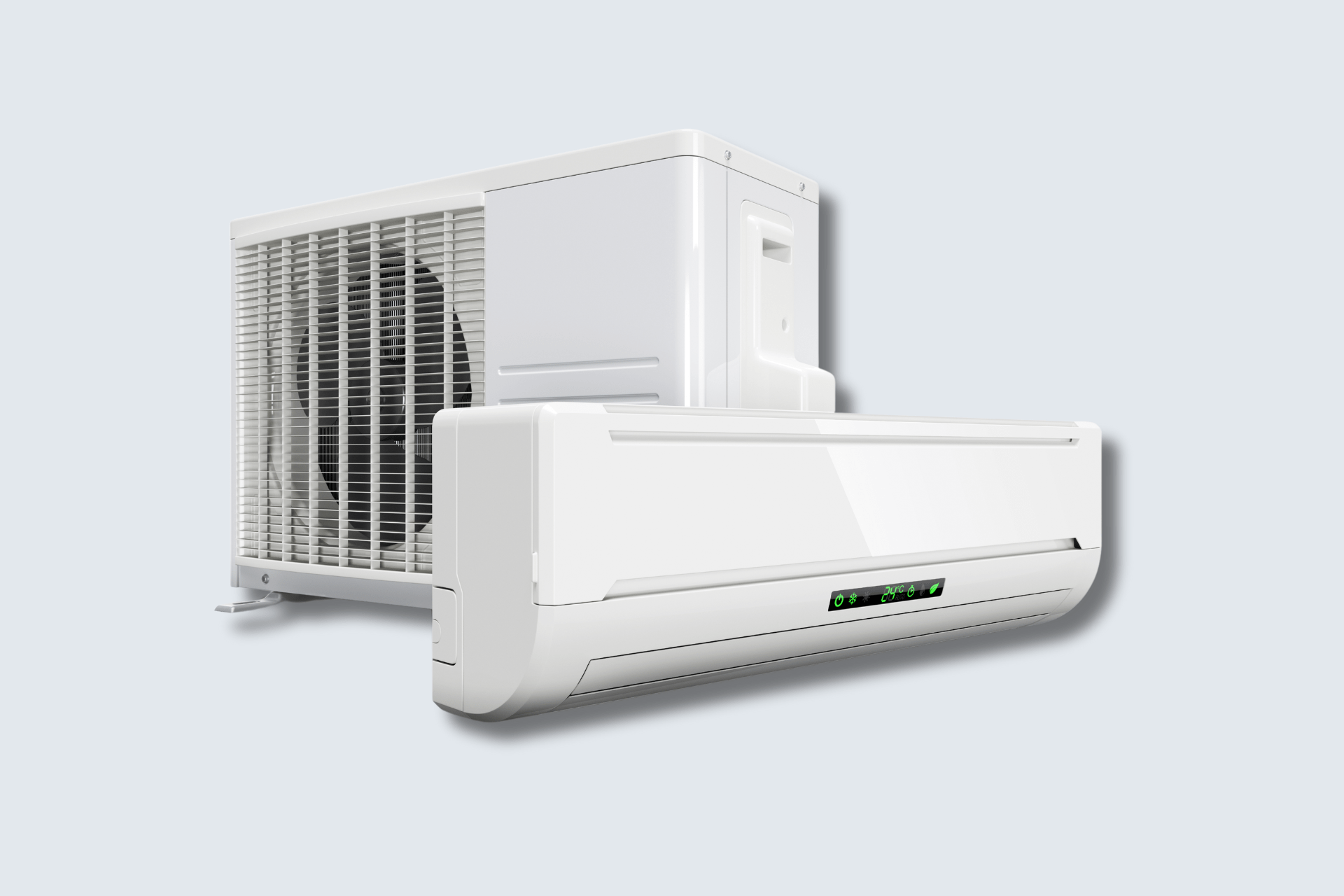
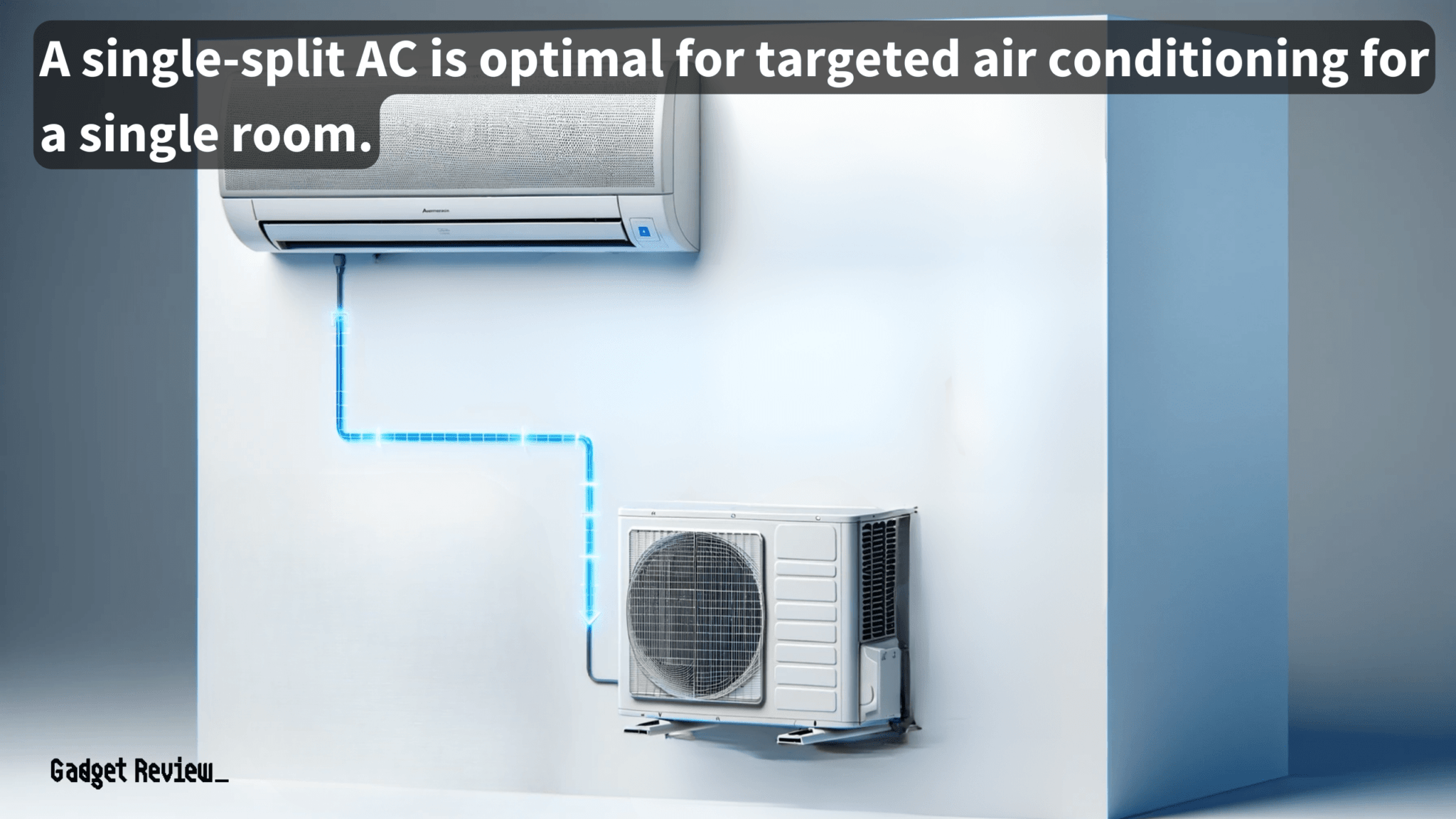
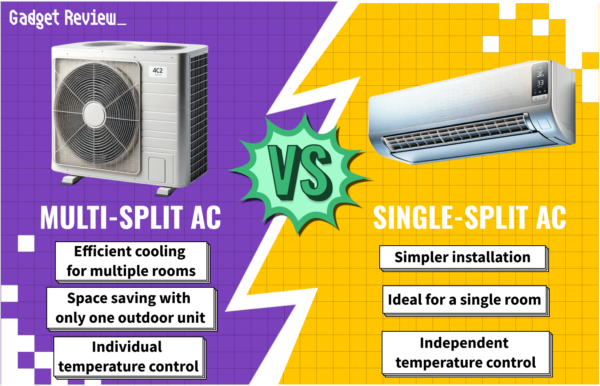
The core difference lies in the number of indoor units connected to a single outdoor unit. A single-split system, as the name suggests, consists of one indoor unit connected to one outdoor unit. Think of it as a dedicated cooling solution for a single room or zone.
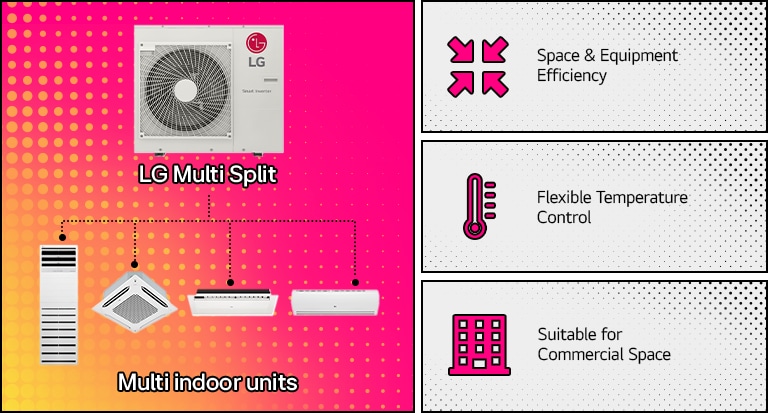
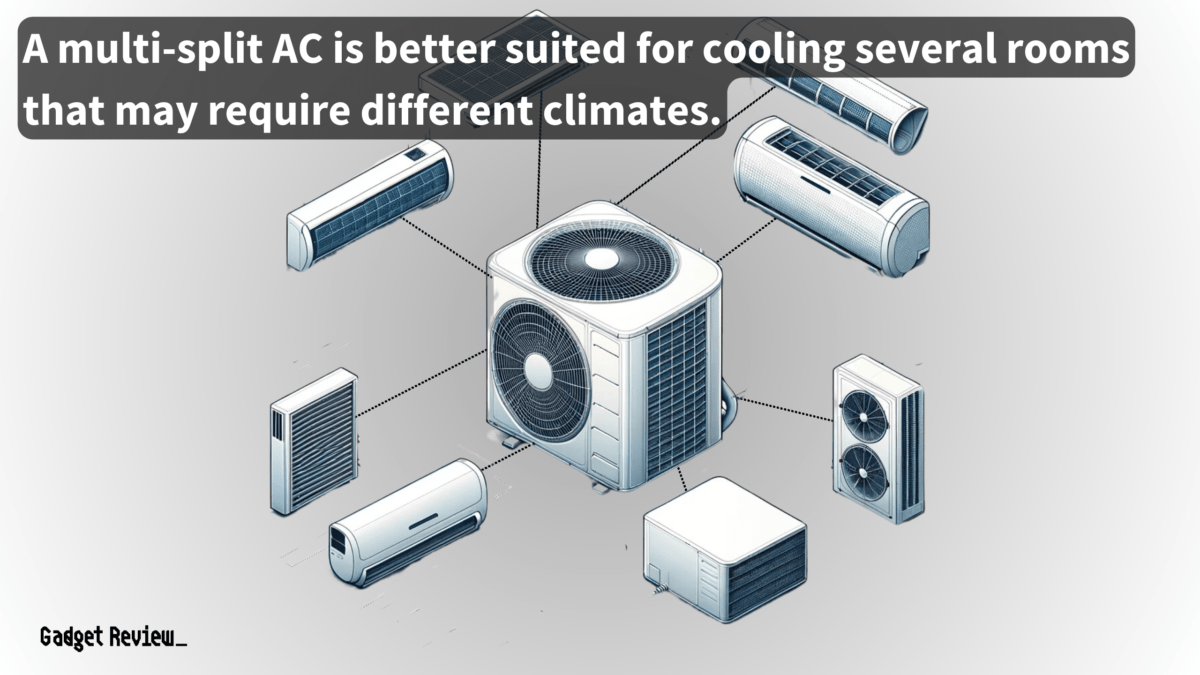
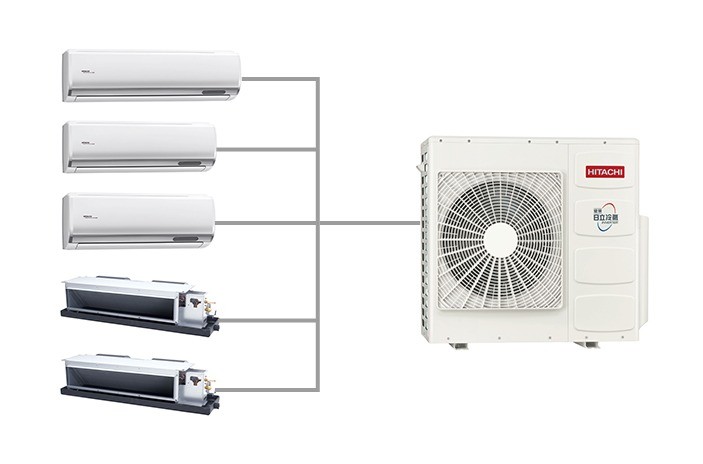
On the other hand, a multi-split system allows you to connect multiple indoor units to one outdoor unit. This makes it ideal for cooling several rooms or zones independently using a single external compressor.
Question 2: What are the key advantages of a multi-split system compared to multiple single-split systems?
Multi-split systems offer several advantages over installing multiple single-split systems:
- Space Saving: Only one outdoor unit is needed, saving valuable space outside your building and improving aesthetics. This is particularly beneficial where space is limited, such as apartments or buildings with strict exterior design guidelines.
- Individual Control: Each indoor unit can be controlled independently, allowing you to set different temperatures in different rooms. This promotes personalized comfort and energy efficiency by only cooling the rooms that need it.
- Lower Installation Costs (potentially): While the initial cost of a multi-split system might be higher, the overall installation cost can be lower compared to installing several single-split systems due to reduced labor and materials (e.g., fewer outdoor units to mount and wire). However, this depends heavily on the specific installation requirements and the complexity of the layout.
- Aesthetics: With fewer outdoor units cluttering the exterior of your building, multi-split systems offer a cleaner and more aesthetically pleasing appearance. This is a significant consideration for many homeowners and businesses.
Question 3: Are there any drawbacks to using a multi-split air conditioning system?
Yes, despite the advantages, there are also some potential drawbacks to consider:
- Higher Initial Cost: Multi-split systems often have a higher upfront cost compared to single-split systems, although, as mentioned before, overall installation might be cheaper.
- Single Point of Failure: If the outdoor unit fails, all connected indoor units will stop working. This means you'll lose cooling (or heating) in every room connected to that system, whereas with single-split systems, only the affected room would be impacted.
- Complex Installation: The installation process can be more complex and require specialized expertise, potentially increasing labor costs. Proper sizing and configuration are critical to ensure optimal performance and efficiency.
- Limited Flexibility for Expansion: Once a multi-split system is installed, adding more indoor units can be difficult or impossible depending on the capacity of the outdoor unit and the system's design. Planning for future needs is essential.
- Potential for Uneven Cooling: If not properly sized and configured, some rooms might receive less cooling (or heating) than others, especially if they are located far from the outdoor unit or have different thermal loads (e.g., due to sun exposure or occupancy).
Question 4: When is a single-split system the better choice?
A single-split system is often the preferred choice in the following scenarios:
- Cooling a Single Room: If you only need to cool or heat one specific room, a single-split system is the most cost-effective and straightforward solution.
- Budget Constraints: Single-split systems generally have a lower upfront cost than multi-split systems, making them a more budget-friendly option for some.
- Simpler Installation: The installation process is simpler and less expensive compared to multi-split systems, as it only involves connecting one indoor and one outdoor unit.
- Backup System: If you already have a central air conditioning system and need a supplemental unit for a specific room (e.g., a home office or bedroom), a single-split system can provide targeted cooling without affecting the rest of the house.
- When System Failure Cannot Be Tolerated: If the consequence of an AC breakdown is very impactful, it is much better to have multiple independent single split systems.
Question 5: How do I determine the right size (BTU rating) for either a single-split or a multi-split system?
Determining the correct BTU (British Thermal Unit) rating is crucial for ensuring efficient and effective cooling or heating. An undersized system will struggle to maintain the desired temperature, while an oversized system will cycle on and off frequently, leading to energy waste and discomfort. Consider the following factors:
- Room Size: The square footage of the room or rooms you need to cool or heat is the primary factor. A general rule of thumb is that you need approximately 20 BTU per square foot.
- Climate: Hotter climates require higher BTU ratings.
- Insulation: Poorly insulated rooms require more BTU.
- Sun Exposure: Rooms with significant sun exposure will need more cooling power.
- Number of Occupants: More people in a room generate more heat, requiring a higher BTU rating.
- Heat-Generating Appliances: Appliances like computers, ovens, and televisions generate heat and should be factored into the BTU calculation.
- Ceiling Height: Rooms with high ceilings will require more cooling power than rooms with standard ceiling heights.
It is highly recommended to consult with a qualified HVAC (Heating, Ventilation, and Air Conditioning) professional to accurately assess your needs and recommend the appropriate BTU rating for your specific situation. They can perform a load calculation that takes all these factors into account and ensures optimal performance and efficiency.
Question 6: Can I mix and match different types of indoor units with a multi-split system (e.g., wall-mounted, ducted, cassette)?
Yes, one of the advantages of many multi-split systems is the ability to connect different types of indoor units to a single outdoor unit. This allows you to customize the cooling and heating solution for each room based on its specific requirements and aesthetic preferences. Common types of indoor units include:
- Wall-Mounted Units: These are the most common type of indoor unit and are typically mounted high on a wall. They are relatively easy to install and provide efficient cooling and heating for most rooms.
- Ducted Units: These units are installed in the ceiling or attic and use ducts to distribute cool or warm air to multiple rooms through vents. They offer a more discreet and integrated appearance but require more complex installation.
- Cassette Units: These units are mounted flush with the ceiling and distribute air in four directions. They are often used in larger rooms or commercial spaces.
- Floor-Standing Units: These units sit on the floor and are similar in appearance to a radiator. They are often used in rooms with limited wall space.
However, it's important to check the specifications of the multi-split system to ensure that the outdoor unit is compatible with the desired combination of indoor units. Some systems may have limitations on the types of indoor units that can be connected or the total cooling/heating capacity that can be distributed among them.
Question 7: What about energy efficiency and running costs – which system is better in the long run?
The energy efficiency and running costs of single-split and multi-split systems depend on several factors, including:
- SEER/EER Rating: SEER (Seasonal Energy Efficiency Ratio) and EER (Energy Efficiency Ratio) are measures of the cooling efficiency of an air conditioner. Higher SEER/EER ratings indicate greater energy efficiency. Generally, both single and multi-split systems are available with high SEER/EER ratings, so this isn't necessarily a deciding factor.
- Inverter Technology: Inverter technology allows the compressor to adjust its speed based on the cooling demand, resulting in more consistent temperatures and lower energy consumption. Systems with inverter technology are generally more energy-efficient than those without. Both single and multi-split systems commonly incorporate inverter technology.
- Usage Patterns: If you consistently need to cool or heat multiple rooms simultaneously, a multi-split system with individual zone control can be more energy-efficient than running multiple single-split systems. This is because you can only cool or heat the rooms that are occupied.
- Proper Sizing and Installation: Properly sizing and installing the system is crucial for optimal energy efficiency. An undersized system will work harder to maintain the desired temperature, while an oversized system will cycle on and off frequently, wasting energy.
- Maintenance: Regular maintenance, such as cleaning filters and coils, is essential for maintaining the energy efficiency of both single and multi-split systems.
In conclusion, there's no definitive answer as to which system is inherently more energy-efficient. It depends on your specific needs and usage patterns. A multi-split system can be more efficient if you need to cool multiple rooms independently, while a single-split system may be more efficient if you only need to cool a single room. Always prioritize systems with high SEER/EER ratings and inverter technology, and ensure proper sizing and installation.