Single Zone Vs Multi Zone Mini Split

Mini-split systems have revolutionized heating and cooling, offering efficient and flexible solutions for various spaces. Understanding the difference between single-zone and multi-zone mini-splits is crucial for selecting the right system for your needs. This article delves into the intricacies of each type, comparing their performance, cost, installation requirements, and suitability for different applications.
Single-Zone Mini-Split Systems
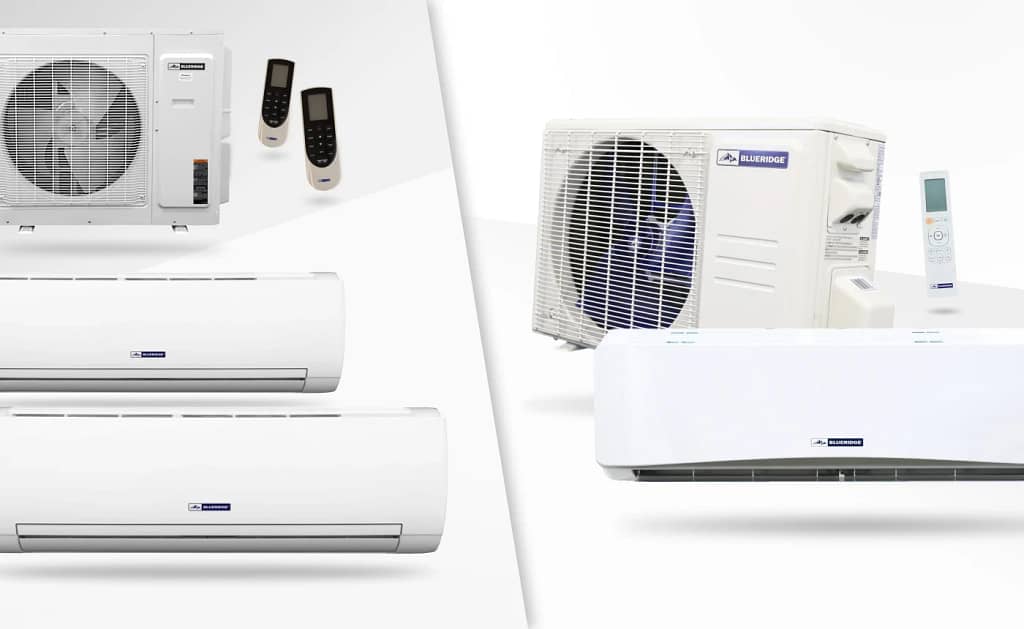
A single-zone mini-split system, at its core, is a ductless heating and cooling solution designed to serve a single, defined area. It comprises two primary components: an outdoor unit (the compressor/condenser) and an indoor unit (the air handler). These two units are connected via refrigerant lines and electrical wiring, eliminating the need for extensive ductwork.
How They Work
The outdoor unit is responsible for either compressing the refrigerant (in cooling mode) or reversing the refrigerant flow (in heating mode). The refrigerant then travels to the indoor unit, where it either absorbs heat from the room (cooling) or releases heat into the room (heating). A fan in the indoor unit circulates the conditioned air throughout the space.
Applications
Single-zone systems are ideal for:
- Individual rooms: Bedrooms, living rooms, home offices, or any space where you want independent temperature control.
- Additions and conversions: Garages converted into living spaces, sunrooms, or newly added rooms where extending existing ductwork is impractical or expensive.
- Small apartments or studios: Providing efficient and targeted heating and cooling for compact living spaces.
Advantages
- Lower upfront cost: Generally less expensive to purchase and install than multi-zone systems.
- Simpler installation: Requires less complex wiring and refrigerant line runs.
- Energy efficiency: Can be highly efficient, especially when used to heat or cool only occupied spaces.
Disadvantages
- Limited to one zone: Only capable of conditioning a single area.
- Not suitable for whole-house heating and cooling: Requires multiple single-zone systems for larger homes, which can increase overall cost and complexity.
Multi-Zone Mini-Split Systems
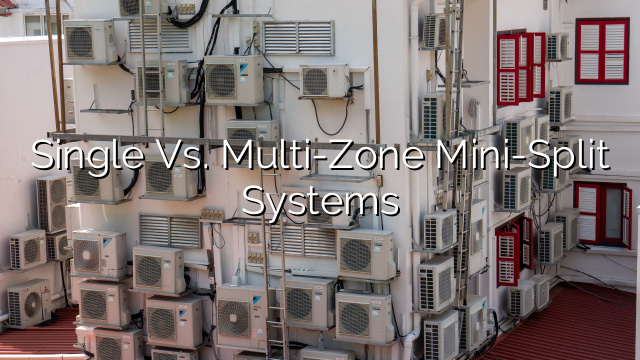
Multi-zone mini-split systems extend the capabilities of single-zone systems by allowing a single outdoor unit to connect to multiple indoor units, each serving a separate zone or room. This provides independent temperature control for each zone while simplifying the overall system installation.
How They Work
Similar to single-zone systems, the outdoor unit in a multi-zone system houses the compressor and condenser. However, it’s designed to handle the refrigerant demands of multiple indoor units simultaneously. Each indoor unit operates independently, allowing different temperatures to be set in each zone. More advanced systems use inverter technology to precisely control the compressor speed and refrigerant flow, optimizing energy efficiency and maintaining consistent temperatures.
Applications
Multi-zone systems are well-suited for:
- Homes with multiple rooms: Allowing individual temperature control in bedrooms, living areas, and kitchens.
- Offices and commercial spaces: Providing customized comfort for different departments or areas with varying heating and cooling needs.
- Homes with varying occupancy patterns: Heating or cooling only occupied rooms, saving energy and reducing utility bills.
Advantages
- Independent zone control: Allows for customized temperature settings in each room or zone.
- Energy efficiency: Can be more energy-efficient than traditional central air systems, especially in homes with varying occupancy patterns.
- Space-saving: Requires only one outdoor unit, freeing up valuable space around the home.
- Flexibility: Indoor units can be different styles (wall-mounted, ceiling cassette, floor-mounted) to suit the aesthetic and functional requirements of each space.
Disadvantages
- Higher upfront cost: More expensive to purchase and install than single-zone systems.
- More complex installation: Requires more extensive refrigerant line runs and electrical wiring.
- Potential for uneven heating/cooling: If the outdoor unit is not properly sized for the total load of all indoor units, some zones may not be adequately heated or cooled.
Cost Comparison
The cost of a mini-split system depends on several factors, including the size of the area to be heated or cooled, the number of zones, the efficiency rating of the system, and the complexity of the installation. Generally, single-zone systems have a lower upfront cost than multi-zone systems. However, for whole-house heating and cooling, multiple single-zone systems may end up costing more than a single multi-zone system.
Installation costs also vary depending on the complexity of the project. Single-zone installations are typically simpler and less expensive, while multi-zone installations require more skilled labor and specialized equipment.
It's important to obtain quotes from multiple HVAC contractors to compare prices and ensure you're getting the best value for your investment. Don't just focus on the initial purchase price; consider the long-term operating costs and potential energy savings as well.
Energy Efficiency
Mini-split systems are known for their energy efficiency, thanks to their ductless design and inverter technology. Ductless systems eliminate energy losses associated with leaky ductwork, which can account for a significant portion of energy waste in traditional central air systems.
SEER (Seasonal Energy Efficiency Ratio) is a measure of the cooling efficiency of an air conditioner or heat pump. HSPF (Heating Seasonal Performance Factor) measures the heating efficiency of a heat pump. The higher the SEER and HSPF ratings, the more efficient the system. Look for systems with high SEER and HSPF ratings to maximize energy savings.
Inverter technology allows the compressor to operate at variable speeds, adjusting the refrigerant flow to match the heating or cooling demand. This results in more consistent temperatures and reduced energy consumption compared to traditional systems with fixed-speed compressors.
For example, a standard central air conditioner might have a SEER rating of 14-16, while a high-efficiency mini-split system can achieve SEER ratings of 20 or higher. Similarly, a standard heat pump might have an HSPF rating of 8-9, while a high-efficiency mini-split heat pump can achieve HSPF ratings of 10 or higher. These higher efficiency ratings translate to significant energy savings over the lifespan of the system.
Lifespan and Maintenance
The lifespan of a mini-split system is typically 15-20 years, provided it is properly maintained. Regular maintenance is crucial for ensuring optimal performance and extending the life of the system.
Recommended maintenance tasks include:
- Cleaning the air filters: Regularly clean or replace the air filters in the indoor units to maintain good air quality and prevent reduced airflow.
- Cleaning the outdoor unit: Remove any debris, such as leaves, dirt, or snow, from the outdoor unit to ensure proper airflow and prevent overheating.
- Inspecting the refrigerant lines: Check the refrigerant lines for leaks or damage.
- Professional servicing: Schedule regular professional servicing by a qualified HVAC technician to inspect and maintain the system.
Proper maintenance can prevent costly repairs and extend the lifespan of your mini-split system, ensuring years of reliable and efficient heating and cooling.
Installation Considerations
Proper installation is crucial for the performance and longevity of a mini-split system. It is highly recommended to hire a qualified HVAC contractor with experience in mini-split installations.
Key installation considerations include:
- Proper sizing: The system must be properly sized to match the heating and cooling load of the space. An undersized system will struggle to maintain the desired temperature, while an oversized system will cycle on and off frequently, reducing efficiency and potentially damaging the equipment.
- Correct refrigerant line installation: The refrigerant lines must be properly installed and insulated to prevent leaks and ensure optimal performance.
- Proper electrical wiring: The electrical wiring must be properly sized and connected to meet the system's power requirements.
- Proper drainage: The indoor units must be properly drained to prevent water damage.
A professional installer will ensure that all these factors are properly addressed, resulting in a reliable and efficient mini-split system.
Choosing the Right System
Ultimately, the choice between a single-zone and multi-zone mini-split system depends on your specific needs and budget. If you only need to heat or cool a single room, a single-zone system is likely the most cost-effective option. However, if you need to heat or cool multiple rooms or want independent temperature control in different areas, a multi-zone system is the better choice.
Consider the following factors when making your decision:
- Number of zones: How many rooms or areas do you need to heat or cool?
- Budget: How much are you willing to spend on the system and installation?
- Energy efficiency: How important is energy efficiency to you?
- Installation complexity: Are you comfortable with a more complex installation process?
- Aesthetics: What type of indoor unit best suits the aesthetic of your home?
By carefully considering these factors and consulting with a qualified HVAC professional, you can choose the mini-split system that best meets your needs and provides years of comfortable and efficient heating and cooling.