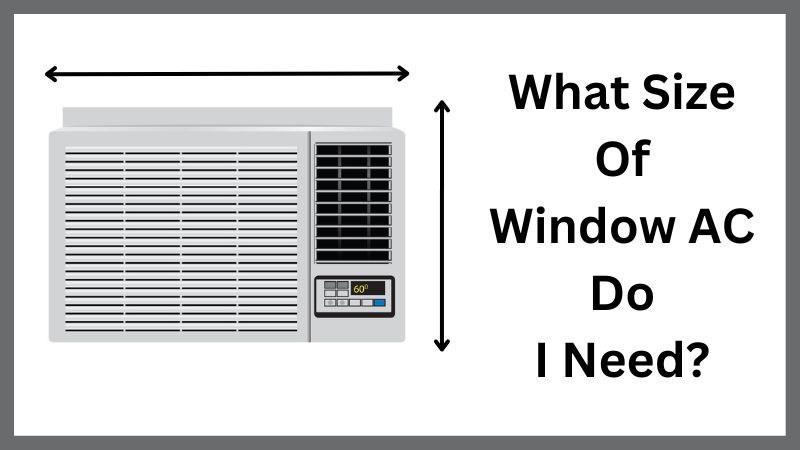
Size Of 1.5 Ton Window Ac

Understanding the Dimensions of a 1.5 Ton Window Air Conditioner: A Comprehensive Guide for HVAC Professionals
For HVAC students, seasoned technicians, and employers navigating the complexities of climate control, understanding the specifications of different air conditioning units is paramount. This article delves into the specifics of a 1.5 ton window air conditioner, covering its physical size, cooling capacity, applications, and relevance to the HVAC industry.
What Does 1.5 Ton Mean in HVAC Terms?
The "ton" in air conditioning refers to the amount of heat required to melt one ton (2000 pounds) of ice in 24 hours. In HVAC terms, 1 ton of cooling capacity equals 12,000 BTUs (British Thermal Units) per hour. Therefore, a 1.5 ton window AC unit has a cooling capacity of 18,000 BTUs/hour (1.5 x 12,000 = 18,000). This metric is crucial for determining the appropriate size AC unit for a given space. Oversized units lead to inefficient cooling cycles and humidity issues, while undersized units struggle to maintain the desired temperature.
Typical Dimensions of a 1.5 Ton Window AC Unit
While specific dimensions can vary slightly between manufacturers and models, a 1.5 ton window AC unit generally falls within these approximate ranges:
- Width: 24 to 28 inches (61 to 71 cm)
- Height: 16 to 20 inches (41 to 51 cm)
- Depth: 24 to 30 inches (61 to 76 cm)
These measurements are essential for ensuring proper installation in a window opening and for estimating the unit's overall footprint. Remember to consult the manufacturer's specifications for the exact dimensions of a particular model. Accurate measurements are crucial to ensure the unit fits securely and effectively in the designated window.
Factors Influencing AC Unit Dimensions
Several factors influence the specific dimensions of a 1.5 ton window AC unit:
- Energy Efficiency Rating (EER): Higher EER models may require larger heat exchangers, impacting overall size.
- Features: Units with advanced features like smart controls, multiple fan speeds, or enhanced filtration systems might be slightly larger.
- Manufacturer Design: Different manufacturers prioritize aesthetics and functionality differently, leading to variations in dimensions.
- Compressor Type: The type of compressor used can also influence the physical size of the unit. Newer, more compact compressors may allow for smaller overall dimensions.
Ideal Applications for a 1.5 Ton Window AC Unit
A 1.5 ton window AC unit is typically suitable for cooling spaces ranging from 350 to 550 square feet (33 to 51 square meters). Common applications include:
- Large bedrooms
- Living rooms in smaller apartments
- Offices
- Small retail spaces
Accurately calculating the cooling load based on factors like room size, insulation, window area, and occupancy is critical to ensure the unit is properly sized. Professional HVAC technicians use tools like load calculation software to determine the precise cooling requirements for a given space.
The Role of Certifications in HVAC
For HVAC professionals, certifications demonstrate competency and enhance career prospects. Several key certifications are relevant to working with air conditioning systems, including window units:
- EPA Section 608 Certification: Required by the EPA for anyone who handles refrigerants. This certification ensures technicians understand proper refrigerant handling procedures to prevent environmental damage.
- NATE (North American Technician Excellence): A widely recognized certification that validates a technician's knowledge and skills in specific areas of HVAC. While NATE primarily focuses on central air systems, the fundamental knowledge gained is valuable for working with all types of AC units.
- HVAC Excellence: Another reputable certification organization offering various certifications for HVAC technicians.
Employers often prioritize candidates with these certifications, as they demonstrate a commitment to professional development and adherence to industry best practices. In some jurisdictions, these certifications are legally required for certain HVAC activities.
Career Paths in HVAC: Opportunities and Outlook
The HVAC industry offers a diverse range of career paths, from entry-level technician positions to specialized roles in design, installation, and maintenance. According to the Bureau of Labor Statistics (BLS), the job outlook for HVAC technicians is projected to grow 6 percent from 2022 to 2032, about as fast as the average for all occupations. This growth is driven by the increasing demand for energy-efficient heating and cooling systems and the need to replace aging equipment.
Entry-level positions often involve assisting experienced technicians with installations and repairs. As technicians gain experience and certifications, they can advance to more specialized roles, such as:
- HVAC Installer: Responsible for installing new HVAC systems, including window units, central air systems, and ductwork.
- HVAC Service Technician: Diagnoses and repairs HVAC equipment, performing routine maintenance and troubleshooting system malfunctions.
- HVAC Design Engineer: Designs and specifies HVAC systems for new construction and renovation projects. This role typically requires a bachelor's degree in mechanical engineering.
- HVAC Sales Engineer: Sells HVAC equipment and services to commercial and residential customers.
Salary Expectations in the HVAC Field
Salaries for HVAC technicians vary depending on experience, location, and certifications. According to the BLS, the median annual wage for HVAC mechanics and installers was $59,620 in May 2023. The top 10 percent earned more than $83,670. Entry-level technicians typically earn less, while experienced technicians with advanced certifications can command higher salaries. Factors like union membership and geographic location also influence earning potential.
For example, an entry-level HVAC installer in a rural area might start at $40,000 per year, while a senior service technician with NATE certification in a major metropolitan area could earn upwards of $80,000 annually.
Tips for HVAC Employers
For employers in the HVAC industry, attracting and retaining skilled workers is crucial for success. Consider these tips:
- Offer competitive salaries and benefits: Attract top talent by offering competitive compensation packages that include health insurance, retirement plans, and paid time off.
- Provide opportunities for professional development: Invest in employee training and certification programs to enhance their skills and knowledge.
- Create a positive work environment: Foster a supportive and collaborative work environment that encourages teamwork and innovation.
- Emphasize safety: Prioritize safety in the workplace and provide employees with the necessary training and equipment to perform their jobs safely.
- Recognize and reward performance: Acknowledge and reward employees for their contributions and achievements. Consider implementing a performance-based bonus system.
Staying Current with HVAC Technology
The HVAC industry is constantly evolving, with new technologies and regulations emerging regularly. Staying current with these advancements is essential for HVAC professionals. Consider these strategies:
- Attend industry conferences and trade shows: These events provide opportunities to learn about the latest products, technologies, and trends.
- Read trade publications and online resources: Stay informed about industry news, regulations, and best practices.
- Take continuing education courses: Enhance your skills and knowledge by taking continuing education courses offered by industry associations and training providers.
- Network with other professionals: Connect with other HVAC professionals to share knowledge and learn from their experiences.
For example, advancements in smart home technology are increasingly integrated into HVAC systems, requiring technicians to understand and troubleshoot these integrated systems. Similarly, changes in refrigerant regulations necessitate ongoing training and certification.
Conclusion
Understanding the dimensions and applications of a 1.5 ton window AC unit is fundamental for HVAC professionals. By staying informed about industry trends, pursuing relevant certifications, and continuously developing their skills, HVAC professionals can build successful and rewarding careers in this dynamic field. For employers, investing in their workforce and creating a positive work environment is essential for attracting and retaining the talent needed to thrive in the competitive HVAC market. Remember to always consult manufacturer specifications for accurate dimensions and consult with a qualified HVAC professional for specific installation requirements.