Sizing Chart For Tankless Water Heater
Choosing the Right Size Tankless Water Heater: A Guide to Efficiency and Savings
Tankless water heaters, also known as on-demand water heaters, are increasingly popular for their energy-saving potential and space-saving design. Unlike traditional tank heaters that constantly heat a reservoir of water, tankless models heat water only when you need it. This eliminates standby heat loss, a major contributor to energy waste and higher utility bills. But to reap the full benefits, selecting the correct size tankless water heater is crucial. An undersized unit will leave you with cold showers during peak demand, while an oversized one might cost you more upfront and offer diminishing returns on energy savings.
Understanding the Key Metrics: Flow Rate and Temperature Rise
The two primary factors determining the appropriate tankless water heater size are flow rate and temperature rise.
- Flow Rate (GPM): Measured in gallons per minute (GPM), flow rate represents the amount of hot water your household or business typically uses simultaneously. This includes showers, faucets, dishwashers, and washing machines.
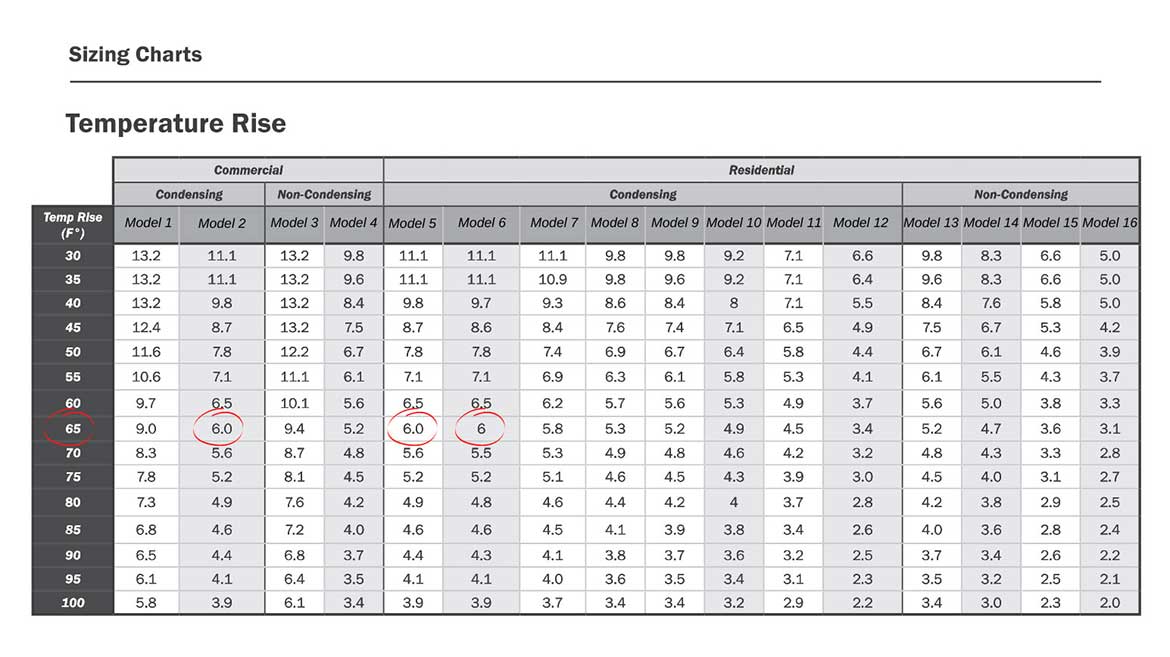
- Temperature Rise (°F): This is the difference between the incoming cold water temperature and the desired hot water temperature. In colder climates, the incoming water can be significantly colder, requiring a higher temperature rise.
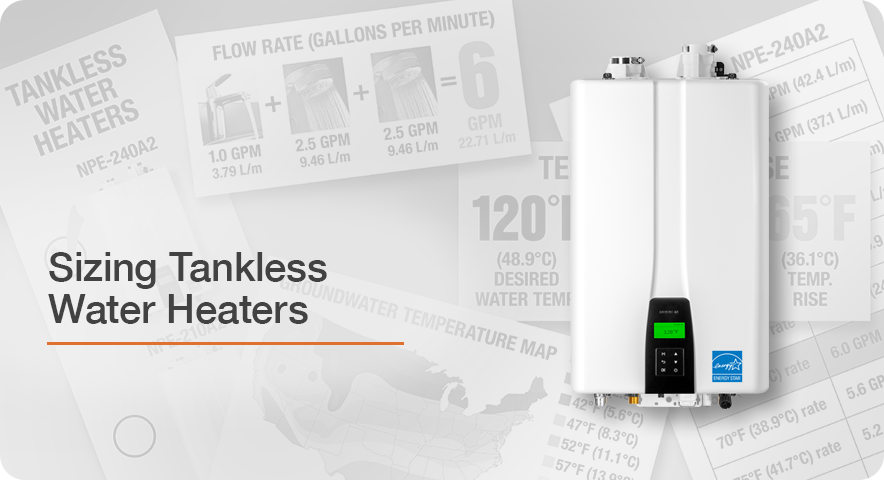
To accurately size your tankless water heater, you need to determine both your peak flow rate and the required temperature rise. Let's delve into how to calculate these figures.
Calculating Your Peak Flow Rate
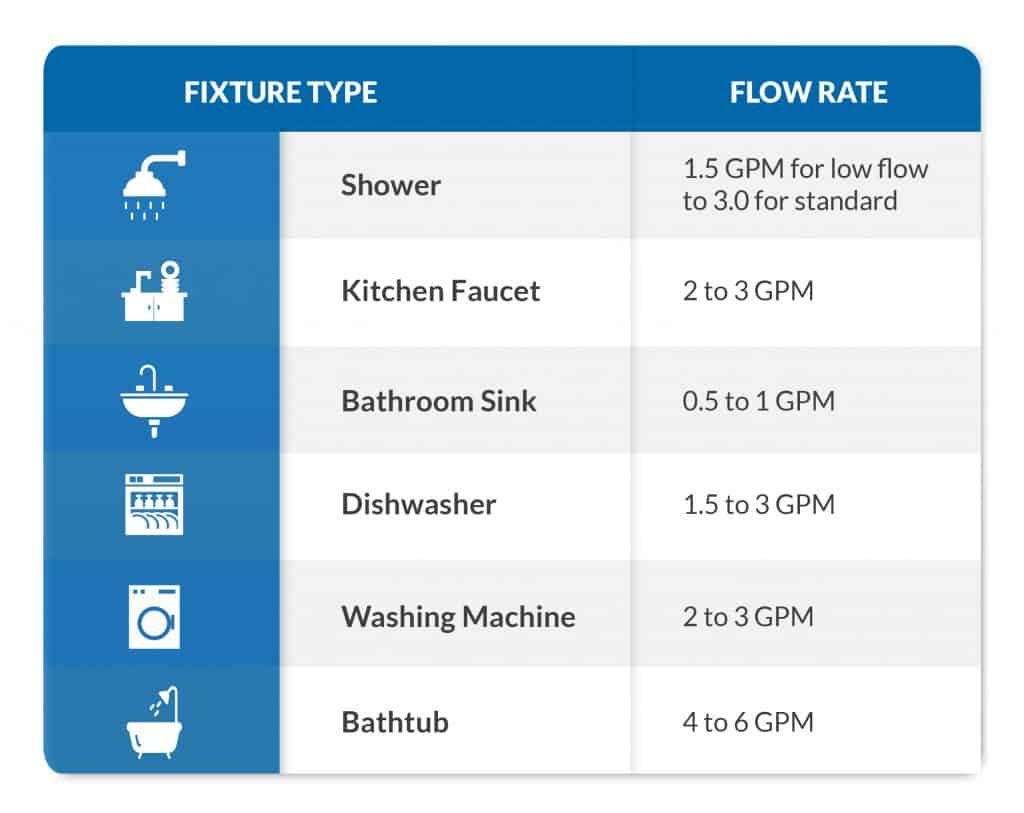
Your peak flow rate is the maximum amount of hot water you're likely to use at any given time. Here's a table showing typical flow rates for common household fixtures:
| Fixture | Typical Flow Rate (GPM) |
|---|---|
| Showerhead (standard) | 2.5 GPM |
| Showerhead (low-flow) | 1.5-2.0 GPM |
| Bathroom Faucet | 1.0 GPM |
| Kitchen Faucet | 1.5-2.0 GPM |
| Dishwasher | 1.0-2.5 GPM |
| Washing Machine | 1.5-3.0 GPM |
To estimate your peak flow rate, consider which fixtures you're likely to use simultaneously. For example, if you anticipate running a shower (2.5 GPM) and a kitchen faucet (2.0 GPM) at the same time, your peak flow rate would be approximately 4.5 GPM. It's better to overestimate slightly to ensure sufficient hot water during peak demand. For larger households or businesses, consider using a water usage monitoring system to track actual water consumption patterns.
Determining Your Required Temperature Rise
The required temperature rise depends on your desired hot water temperature and the incoming cold water temperature. A comfortable hot water temperature is typically around 120°F (49°C). To determine the incoming cold water temperature, you can measure it directly using a thermometer or consult local water utility data. This temperature fluctuates seasonally, so it's essential to consider the coldest months when calculating your temperature rise.
The formula for calculating temperature rise is simple:
Temperature Rise (°F) = Desired Hot Water Temperature (°F) - Incoming Cold Water Temperature (°F)
For example, if your desired hot water temperature is 120°F and your incoming cold water temperature is 50°F, your required temperature rise would be 70°F.
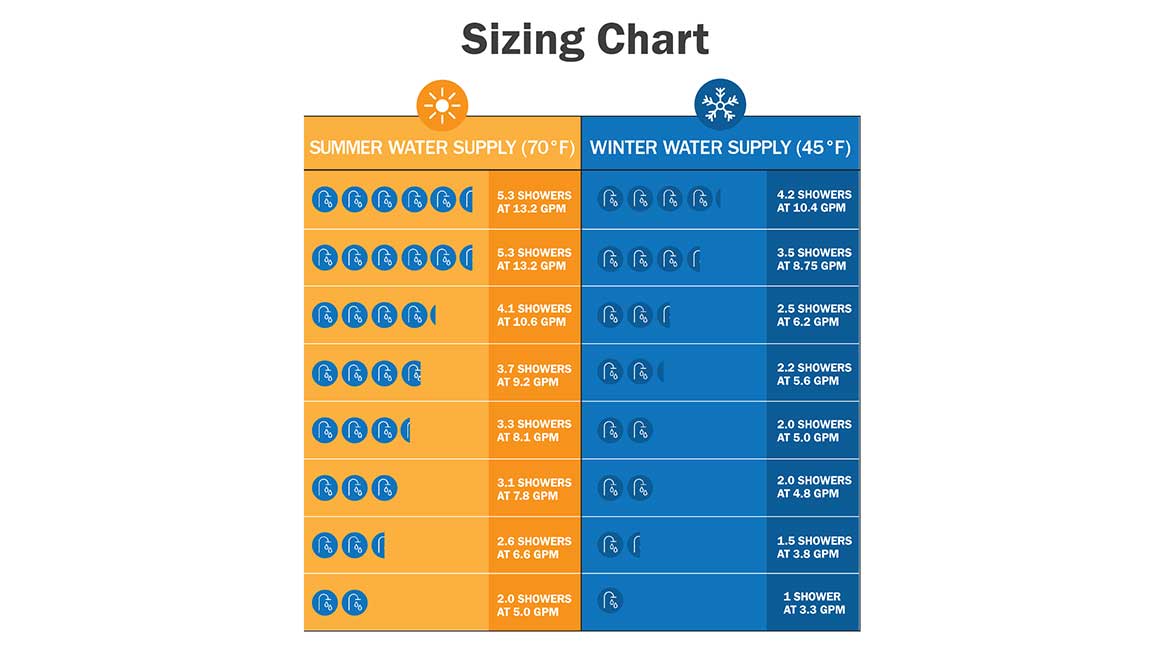
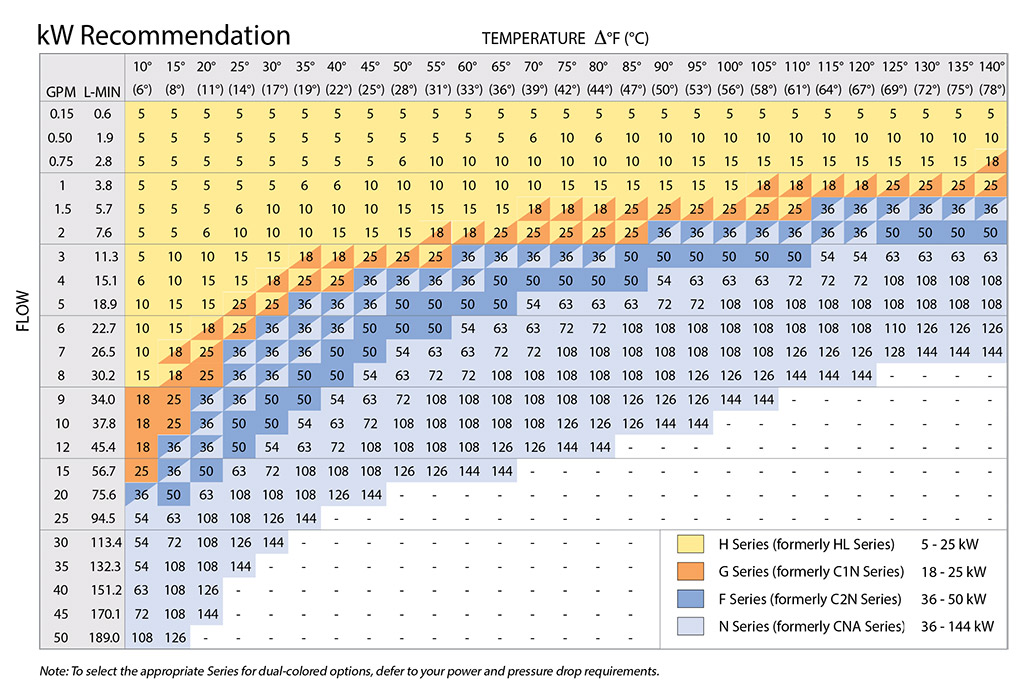
Tankless Water Heater Sizing Chart
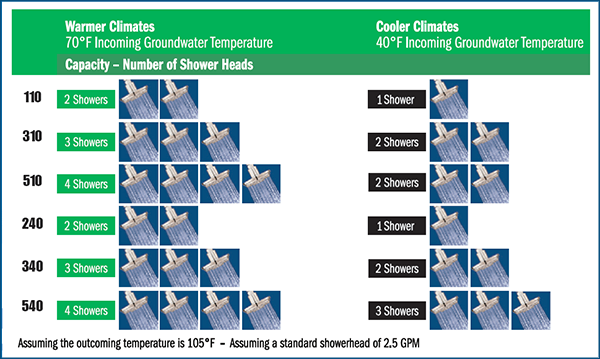
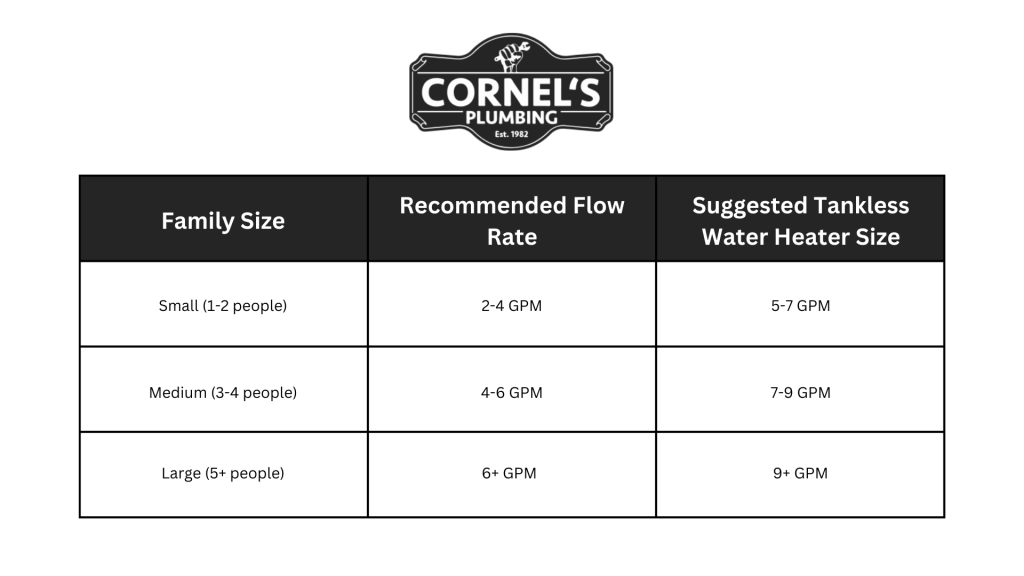
Once you've determined your peak flow rate and temperature rise, you can use the following sizing chart as a general guideline. Keep in mind that this is a simplified representation, and consulting with a qualified HVAC professional is always recommended for accurate sizing.
| Temperature Rise (°F) | Flow Rate (GPM) Required | Minimum Tankless Heater Size (BTU/hr) |
|---|---|---|
| 30-40 | 4-6 | 80,000 - 120,000 |
| 40-50 | 4-6 | 120,000 - 140,000 |
| 50-60 | 4-6 | 140,000 - 160,000 |
| 60-70 | 4-6 | 160,000 - 180,000 |
| 70-80 | 4-6 | 180,000 - 199,000 |
| 30-40 | 6-8 | 120,000 - 160,000 |
| 40-50 | 6-8 | 140,000 - 180,000 |
| 50-60 | 6-8 | 160,000 - 199,000 |
Important Note: This chart provides a starting point. Factors like altitude, gas type (natural gas vs. propane), and pipe length can affect performance. Always refer to the manufacturer's specifications and consult with a qualified installer.
Gas vs. Electric Tankless Water Heaters: Sizing Considerations
Tankless water heaters are available in both gas and electric models. Gas models generally offer higher flow rates and are better suited for households with higher hot water demands. However, they require gas line installation and venting. Electric models are easier to install but may have lower flow rates and higher operating costs in some regions. When sizing an electric tankless water heater, pay close attention to the amperage requirements, as they can be significant and may necessitate electrical panel upgrades.
According to the Energy Star program, properly sized tankless water heaters can reduce energy consumption by up to 34% compared to traditional tank heaters. This translates into significant savings on your utility bills over the lifespan of the unit.
Smart Home Integration and Energy Savings
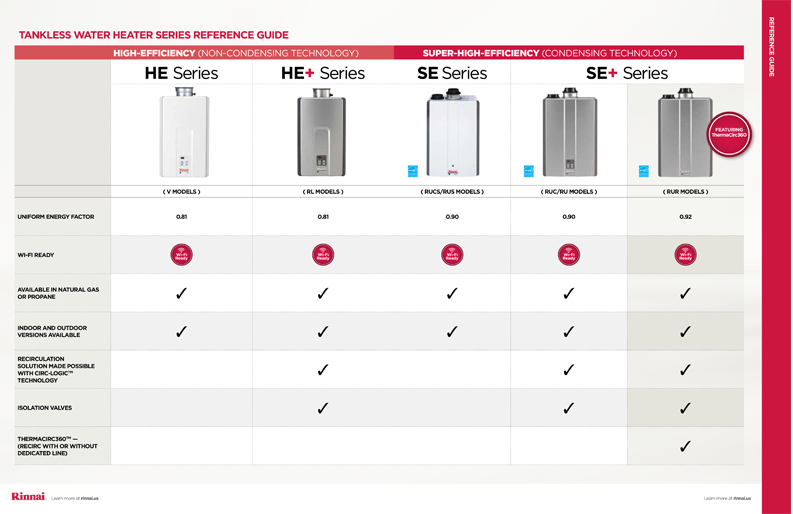
Many modern tankless water heaters offer smart home integration capabilities, allowing you to control and monitor your hot water usage remotely. These features can further enhance energy efficiency and convenience.
- Smart Thermostats: Integrate your tankless water heater with a smart thermostat to optimize water temperature based on your schedule and occupancy patterns.
- Leak Detection Sensors: Install leak detection sensors to receive alerts in case of water leaks, preventing water damage and wasted energy.
- Usage Monitoring: Track your hot water consumption patterns through a mobile app to identify opportunities for further savings.
By leveraging smart home technology, you can gain greater control over your hot water usage and minimize energy waste. Furthermore, many utility companies offer rebates and incentives for installing energy-efficient appliances like smart tankless water heaters, further reducing your upfront costs and accelerating your return on investment (ROI).
The Importance of Professional Installation
While it may be tempting to install a tankless water heater yourself, it's highly recommended to hire a qualified HVAC contractor. Proper installation is crucial for ensuring safe and efficient operation. A professional installer will:
- Accurately assess your hot water needs.
- Select the appropriate size and type of tankless water heater.
- Ensure proper gas line or electrical connections.
- Properly vent the unit (for gas models).
- Calibrate the system for optimal performance.
Investing in professional installation will not only ensure your safety but also maximize the lifespan and energy efficiency of your tankless water heater. Many manufacturers require professional installation to validate the warranty.
ROI and Long-Term Savings
The initial cost of a tankless water heater is typically higher than that of a traditional tank heater. However, the long-term energy savings can offset this initial investment. According to the U.S. Department of Energy, tankless water heaters can save households an average of $100 or more per year on their energy bills. Over the lifespan of the unit (typically 20 years or more), these savings can accumulate significantly.
Furthermore, tankless water heaters have a longer lifespan than tank heaters, reducing the need for frequent replacements. They also take up less space, freeing up valuable storage area in your home or business.
To maximize your ROI, consider the following:
- Choose an Energy Star-certified model.
- Take advantage of utility rebates and tax credits.
- Implement smart home integration features.
- Schedule regular maintenance to ensure optimal performance.
By carefully considering your hot water needs and choosing the right size tankless water heater, you can enjoy significant energy savings, lower utility bills, and a more sustainable lifestyle.
Conclusion
Switching to a correctly sized tankless water heater offers considerable benefits, from slashing energy costs to enjoying continuous hot water. By carefully evaluating your flow rate and temperature rise requirements, and consulting with a qualified HVAC professional, you can make an informed decision that will result in years of efficient and reliable hot water service. Don’t forget to explore available rebates and smart home integrations to maximize your savings and environmental impact.