Skin What Does Fiberglass Look Like
Many homeowners eventually encounter a frustrating issue: mysterious skin irritation after being in their attic, basement, or near certain materials during home improvement projects. Often, the culprit is fiberglass, a common insulation material. But what does fiberglass *really* look like, and how can you tell if it's the source of your discomfort? More importantly, how can you safely deal with it?
Understanding Fiberglass: What You're Dealing With
Fiberglass isn't a single, uniform substance. It comes in various forms, each with slightly different appearances. Understanding these forms is the first step in identifying and addressing potential problems.
Types of Fiberglass Insulation and Their Appearance
Here's a breakdown of common types and what to look for:
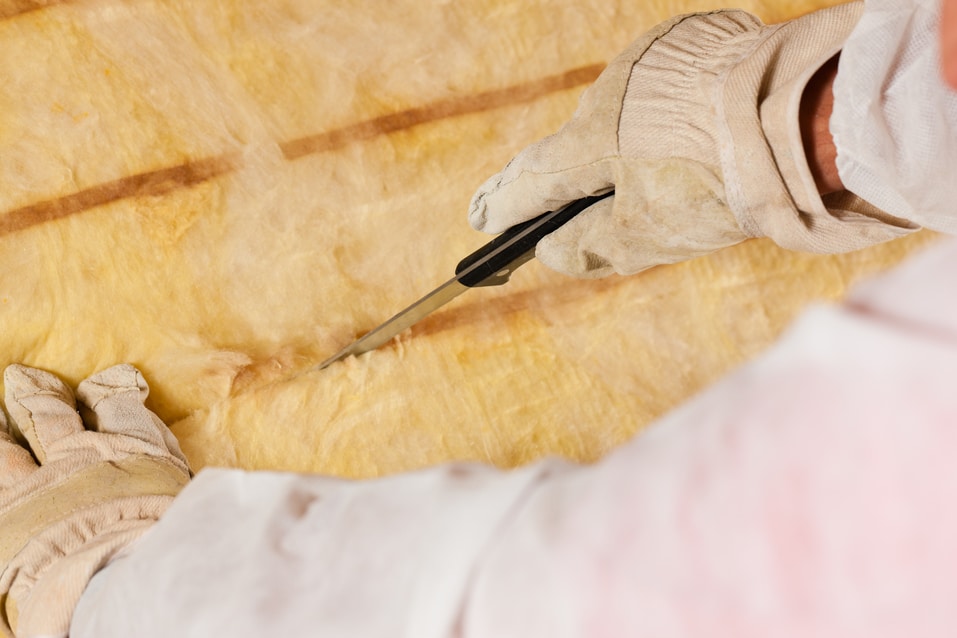
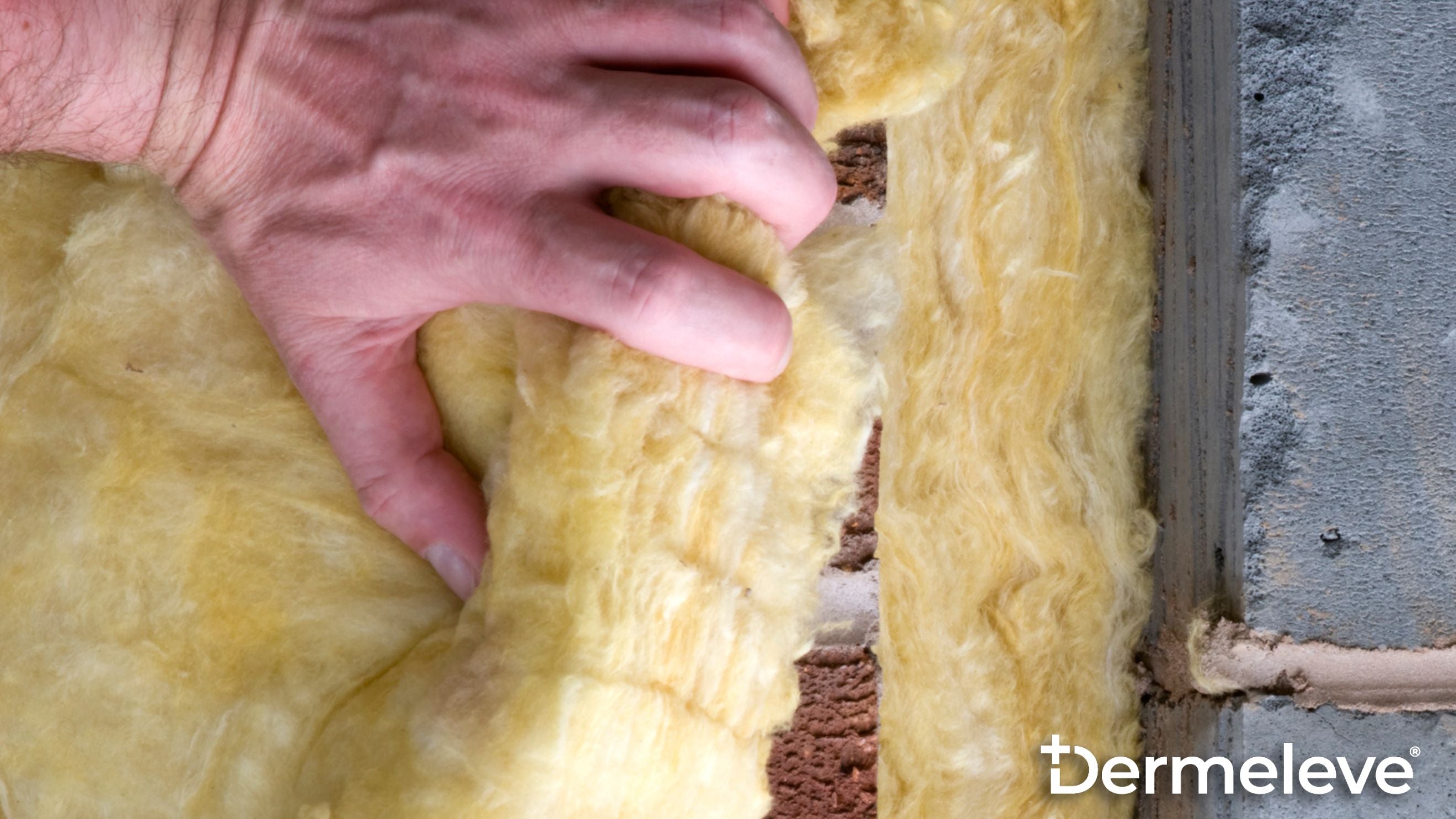
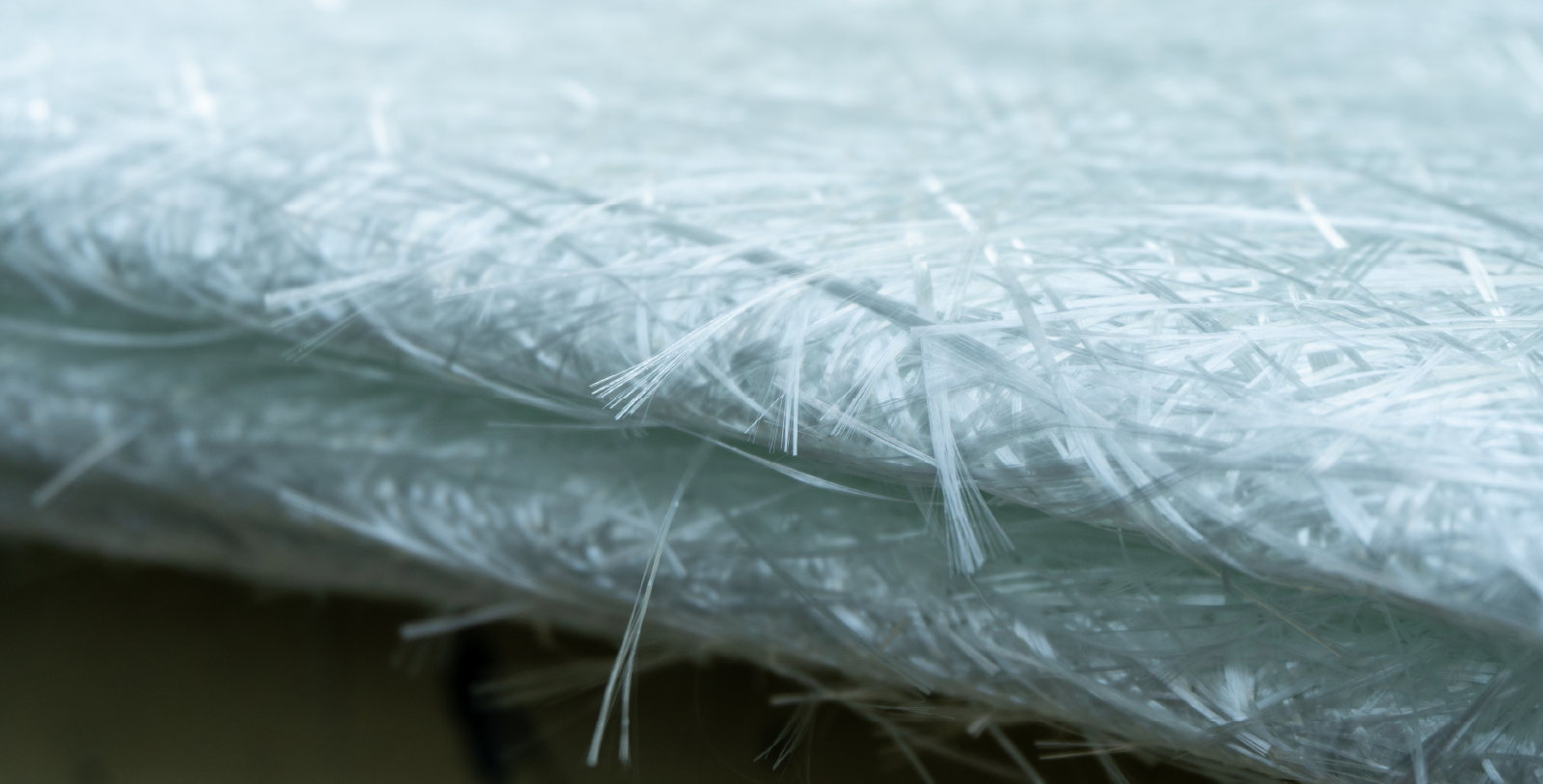
- Batt Insulation: This is probably the most recognizable. It comes in pre-cut sheets or rolls, usually pink, yellow, or white. It consists of loosely bound glass fibers and often has a paper or foil facing on one side. The fibers themselves are thin and hair-like and extremely fragile.
- Roll Insulation: Similar to batt insulation but comes in long, continuous rolls. Appearance is identical to batt insulation in terms of color and fiber texture.
- Loose-Fill Insulation: This is a fluffy, less dense form of fiberglass, often blown into attics or walls. It looks like a mass of cotton candy or a fluffy cloud, typically white or off-white. Individual fibers are still present, but less structured than in batts.
- Rigid Fiberglass Boards: These are dense, firm boards used for insulation and soundproofing. They often have a smooth surface and can be faced with a variety of materials. The fibers are tightly packed and less visible on the surface.
- Fiberglass Ductwork: Often found wrapping HVAC ducts. This material can come in a metallic silver or gray, or be coated in various colors with the fiberglass underneath.
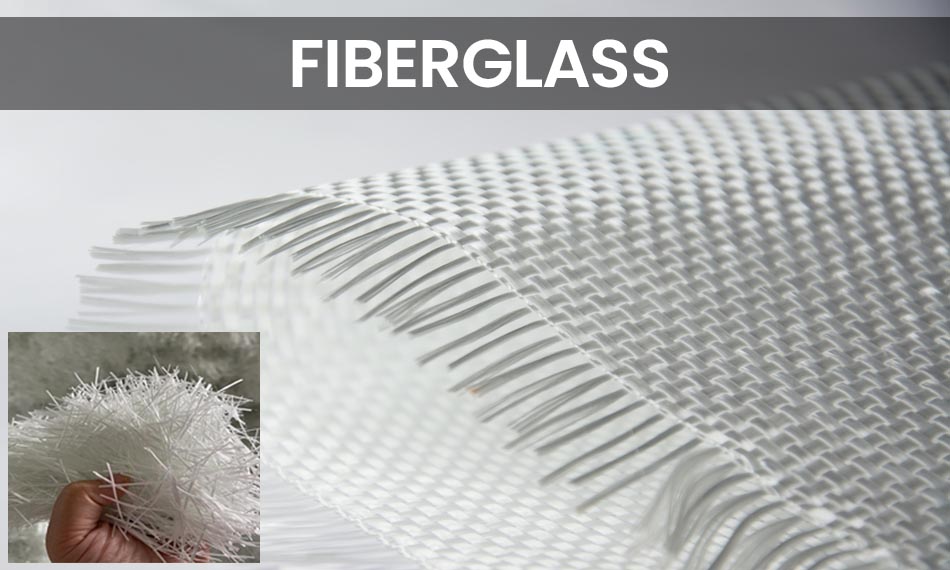
The key thing to remember is that all forms of fiberglass consist of tiny glass fibers. These fibers are what cause irritation. Even if you can't see them individually, their presence can be detected by their telltale effects.
The Skin Irritation Problem: Diagnosis and Initial Steps
So, you suspect fiberglass is causing your skin irritation. What now? Here's a step-by-step guide to diagnose the problem and take some immediate action.
Step 1: Identifying the Symptoms
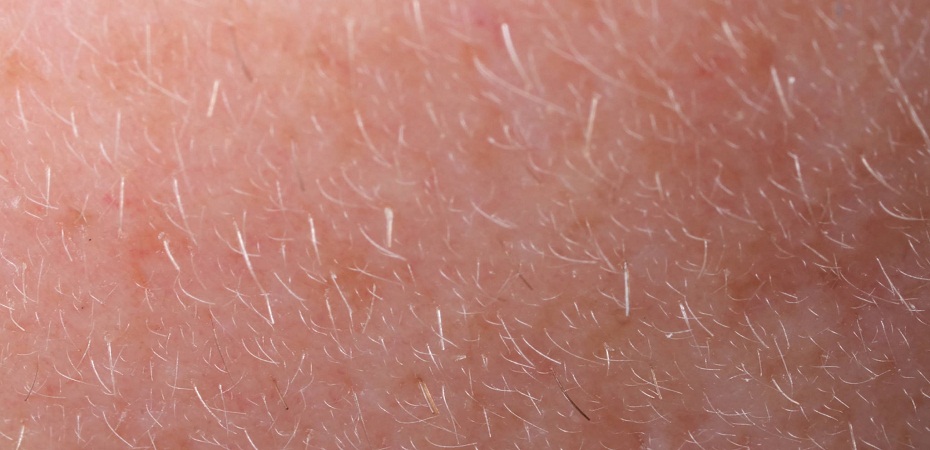
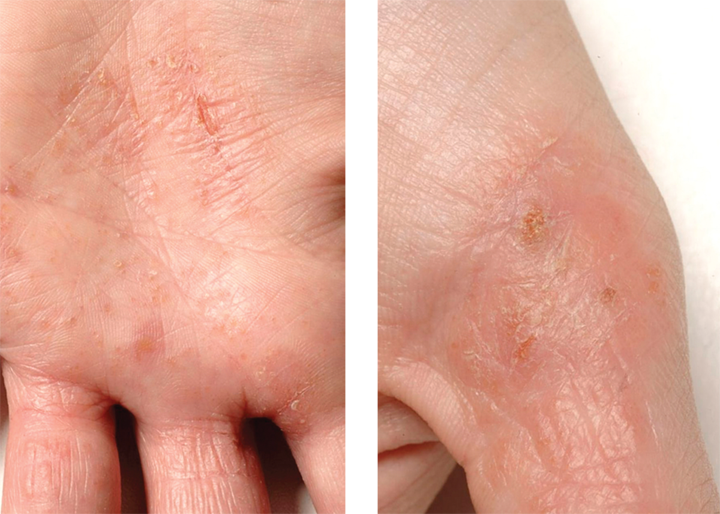
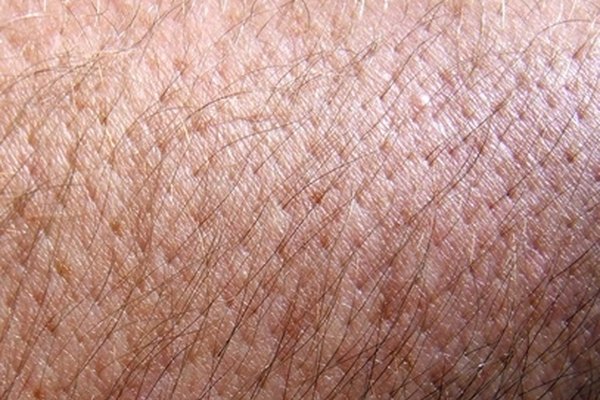
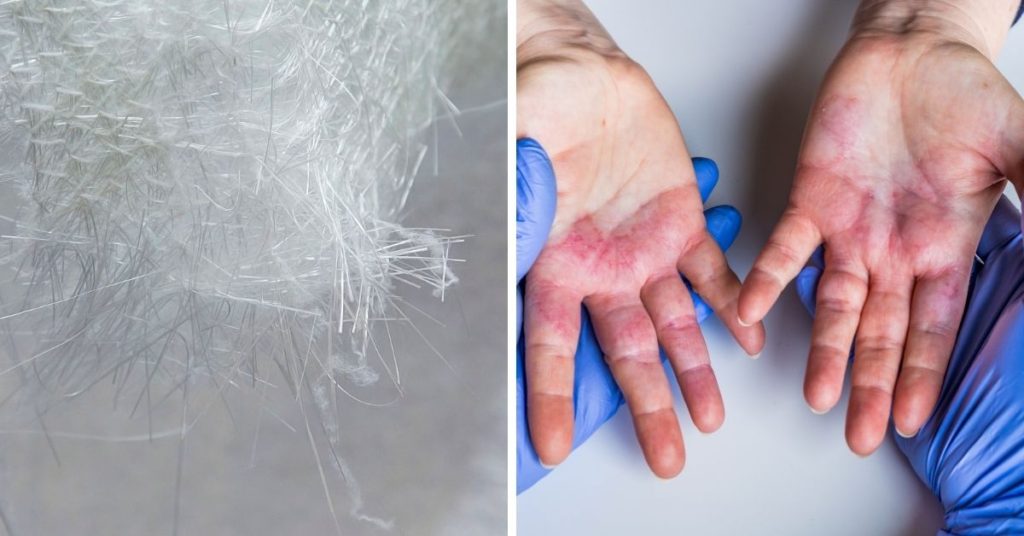
Fiberglass irritation typically presents as:
- Itching: Intense and persistent itching is the most common symptom.
- Redness: The affected area may become red and inflamed.
- Rash: Small, red bumps or a general rash may appear.
- Burning Sensation: Some people experience a burning sensation in addition to itching.
- Eye and Respiratory Irritation: If fiberglass fibers become airborne, they can irritate the eyes (redness, tearing) and respiratory system (coughing, sore throat).
The symptoms usually appear shortly after exposure to fiberglass.
Step 2: Tracing the Source
Think back to your recent activities. Ask yourself these questions:
- Have you been in your attic or basement recently?
- Have you been handling insulation or working on any home improvement projects?
- Have you recently washed clothes or bedding that might have come into contact with fiberglass?
- Have you been near any exposed fiberglass insulation, even in a storage shed or garage?
- Could the source be damaged fiberglass components that you are unaware of?
Pinpointing the source is crucial. Even brief contact with fiberglass can cause irritation.
Step 3: Immediate Relief
As soon as you suspect fiberglass exposure, take these steps:
- Don't Scratch! Scratching will only embed the fibers deeper into your skin and worsen the irritation.
- Wash with Cool Water: Use cool (not hot) water to gently rinse the affected area. Hot water can open pores and allow more fibers to penetrate.
- Use Duct Tape: Gently apply and remove duct tape to the affected area. This can help lift the fibers from your skin. Use a fresh piece of tape for each application. This sounds strange, but it can be quite effective.
- Wash Clothing Separately: If your clothing may have been exposed, wash it separately from other clothes in cold water. Consider washing it multiple times.
- Moisturize: After washing, apply a gentle, hypoallergenic moisturizer to soothe the skin.
These steps can provide immediate relief and help prevent further irritation.
DIY Fixes: Safe and Effective Solutions
If you've identified the source of the fiberglass and the irritation is mild, you may be able to address the problem yourself. Here are some DIY solutions, but *always prioritize safety*.
Safety First! Protective Gear is Essential
Before tackling any fiberglass-related tasks, *always* wear the following:
- Long-Sleeved Shirt and Pants: Cover as much skin as possible to prevent further exposure.
- Gloves: Wear disposable gloves to protect your hands. Nitrile gloves are a good choice.
- Eye Protection: Goggles or safety glasses are crucial to prevent fiberglass fibers from entering your eyes.
- Dust Mask or Respirator: A dust mask will provide some protection against inhaling fibers, but a respirator (N95 or higher) is recommended for more extensive work.
Don't underestimate the importance of protective gear. Fiberglass exposure can cause long-term health problems.
Addressing Small Areas of Exposed Fiberglass
If you find small areas of exposed fiberglass, such as a tear in the facing of batt insulation, here's how to fix it:
- Clean the Area: Gently wipe the area around the exposed fiberglass with a damp cloth to remove any loose fibers.
- Seal the Damage: Use duct tape or a specialized foil tape designed for insulation to seal the tear. Ensure the tape completely covers the exposed fiberglass.
- Monitor: Check the area regularly to ensure the seal remains intact.
This is a simple fix, but it can prevent fibers from becoming airborne.
Dealing with Loose-Fill Fiberglass
If you have loose-fill fiberglass in your attic and it's disturbed, creating dust and airborne fibers, here's how to mitigate the problem:
- Ventilate the Area: Open windows and doors to ventilate the attic. Use a fan to circulate air.
- Lightly Mist with Water: Use a spray bottle to lightly mist the loose-fill insulation with water. This will help weigh down the fibers and prevent them from becoming airborne. Do not soak the insulation!
- Carefully Resettle: Gently resettle the insulation using a rake or your gloved hands. Avoid creating dust.
This is a temporary solution. Consider encapsulating the loose-fill insulation (see below) for a more permanent fix.
Encapsulating Fiberglass Insulation
Encapsulation involves covering the fiberglass insulation with a protective barrier to prevent fibers from becoming airborne. This is a more comprehensive solution, but it requires careful planning and execution.
- Choose Your Encapsulation Method:
- Plastic Sheeting: Cover the fiberglass with heavy-duty plastic sheeting and secure it with tape or staples. This is a cost-effective option for attics.
- Spray-On Encapsulant: Apply a specialized spray-on encapsulant to the fiberglass. This creates a durable, flexible coating.
- Prepare the Area: Clean the area around the fiberglass insulation. Remove any debris or loose fibers.
- Apply the Encapsulation Material: Carefully apply the plastic sheeting or spray-on encapsulant according to the manufacturer's instructions. Ensure complete coverage.
Encapsulation can significantly reduce fiberglass exposure, but it's important to choose the right method and apply it correctly.
When to Call a Professional
While many fiberglass-related issues can be addressed with DIY solutions, there are situations where professional intervention is necessary. Here are some red flags:
- Extensive Damage: If the fiberglass insulation is severely damaged or deteriorating, it's best to call a professional. They can safely remove and replace the insulation.
- Large-Scale Contamination: If fiberglass fibers have contaminated a large area of your home, such as your HVAC system, professional cleaning is required.
- Persistent Health Problems: If you experience persistent skin irritation, respiratory problems, or other health issues related to fiberglass exposure, consult a doctor.
- Uncertainty: If you're unsure about how to handle a fiberglass-related problem, it's always best to err on the side of caution and call a professional.
- Asbestos Concerns: If you suspect the insulation is *not* fiberglass, but an older material that might contain asbestos, do not disturb it. Asbestos is a known carcinogen, and its removal requires specialized training and equipment. Call a qualified asbestos abatement contractor immediately. Determining the exact composition of older insulation can be difficult without professional testing.
Professionals have the expertise and equipment to handle fiberglass safely and effectively. They can also identify and address underlying problems that may be contributing to the issue.
Preventative Measures: Reducing Future Exposure
Once you've addressed the immediate problem, take steps to prevent future fiberglass exposure.
- Regular Inspections: Inspect your insulation regularly for damage or deterioration.
- Proper Sealing: Ensure that all areas where fiberglass insulation is present are properly sealed.
- Careful Handling: When working near fiberglass insulation, always wear protective gear.
- Proper Ventilation: Ensure adequate ventilation in attics and basements to prevent the buildup of fiberglass dust.
- Consider Alternatives: When replacing insulation, consider alternative materials such as cellulose or mineral wool, which are less irritating than fiberglass.
By taking these preventative measures, you can significantly reduce your risk of fiberglass exposure and protect your health.
Fiberglass and Your HVAC System
Fiberglass is commonly found around HVAC systems, both in ductwork and as insulation for the unit itself. Because air constantly circulates through these systems, even a small amount of disturbed fiberglass can become a significant problem.
Identifying Problems in HVAC Systems
Look for the following signs indicating fiberglass issues in your HVAC system:
- Visible Debris: Check around vents and registers for small, shiny particles that could be fiberglass.
- Increased Dust: A noticeable increase in dust throughout the house might indicate that fiberglass is being circulated through the ductwork.
- Musty Odor: Sometimes, damaged or wet fiberglass can develop a musty or moldy odor.
Addressing HVAC-Related Fiberglass Issues
Dealing with fiberglass in your HVAC system requires caution. Here's what you can do:
- Change Filters Regularly: Use high-quality filters designed to trap small particles. Change them frequently, especially after noticing any signs of fiberglass contamination.
- Inspect Ductwork: Carefully inspect visible ductwork for damage or exposed fiberglass. Seal any tears or gaps with foil tape.
- Clean Vents and Registers: Wipe down vents and registers regularly to remove any accumulated dust or debris.
Important Note: If you suspect fiberglass has contaminated the internal components of your HVAC system, such as the blower motor or evaporator coil, do not attempt to clean it yourself. This requires specialized equipment and expertise. Contact a qualified HVAC technician.
Preventative HVAC Maintenance
Regular HVAC maintenance can help prevent fiberglass-related problems. Have your system professionally inspected and cleaned annually. This will ensure that any potential issues are identified and addressed before they become major problems.
Final Thoughts: Empowerment Through Knowledge
Dealing with fiberglass can be frustrating, but understanding what it looks like, how it affects you, and how to address the problem can empower you to take control. Remember to prioritize safety, follow the steps outlined in this article, and don't hesitate to call a professional when needed. With the right knowledge and precautions, you can protect your home and your health from the potential hazards of fiberglass.