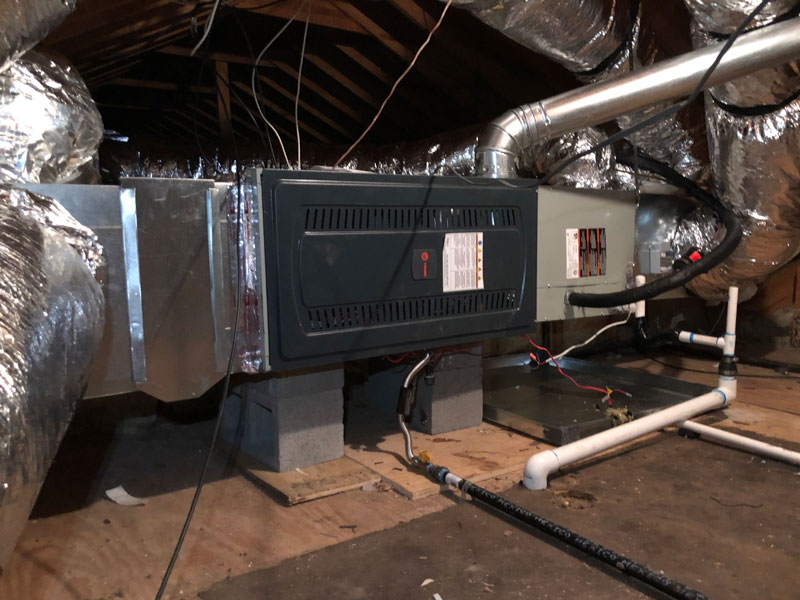
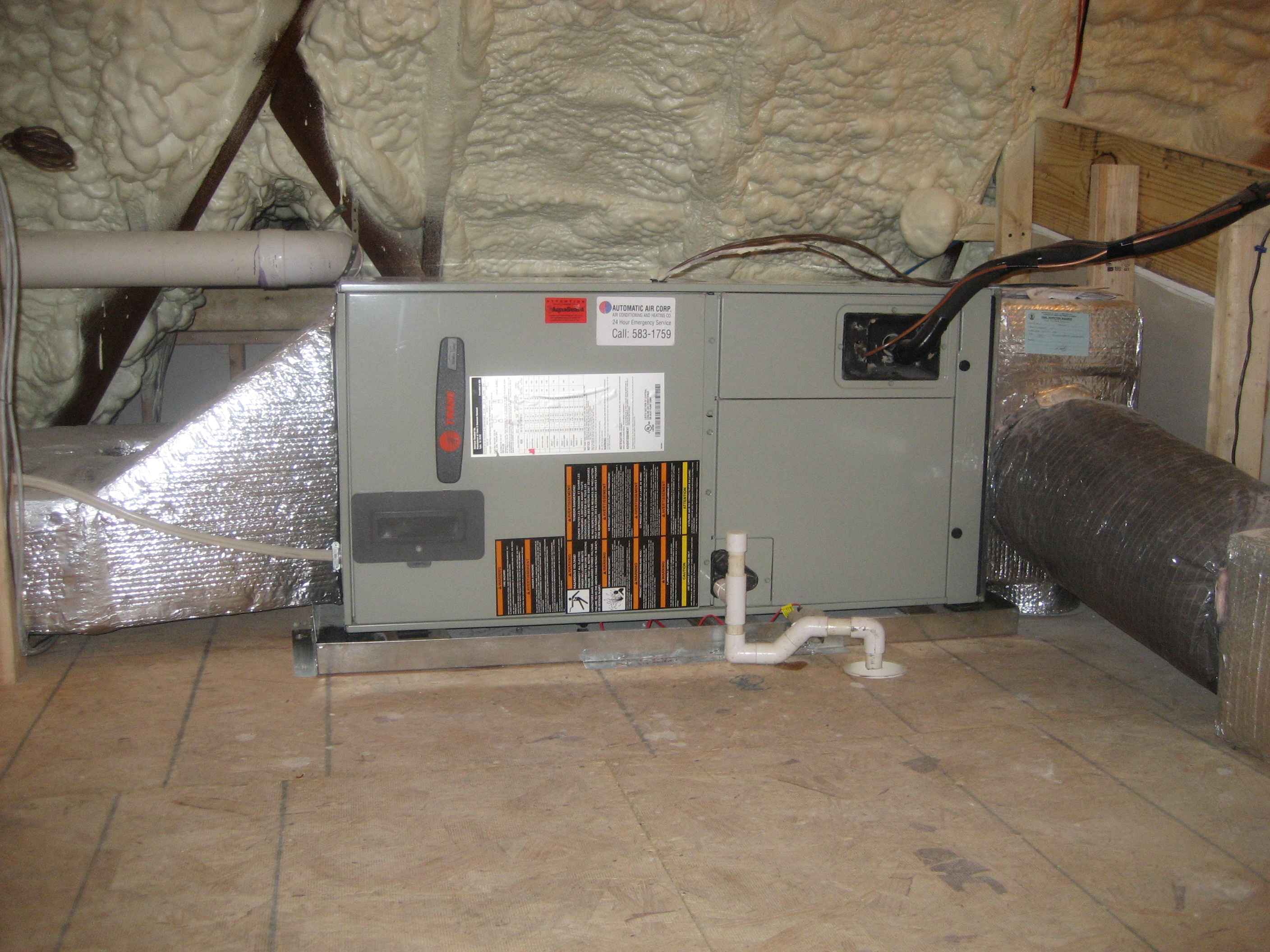
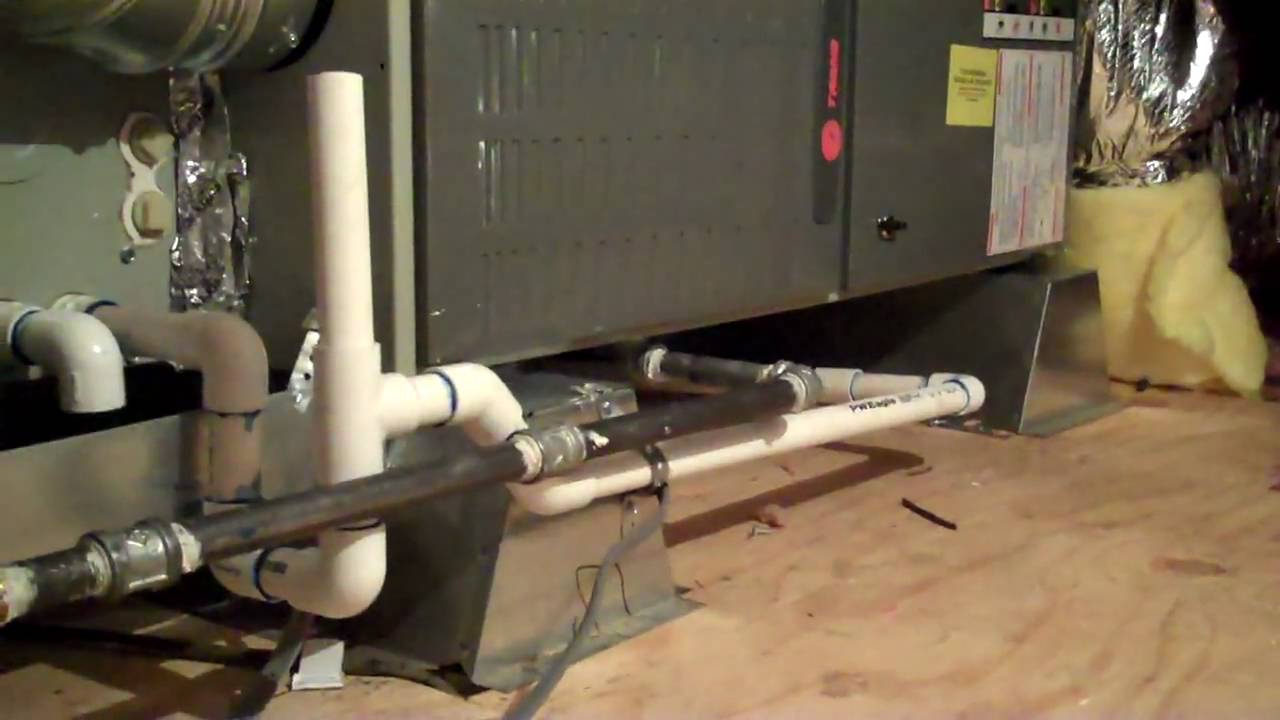
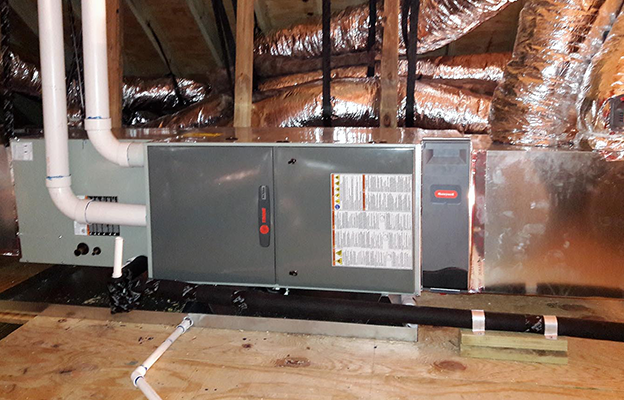
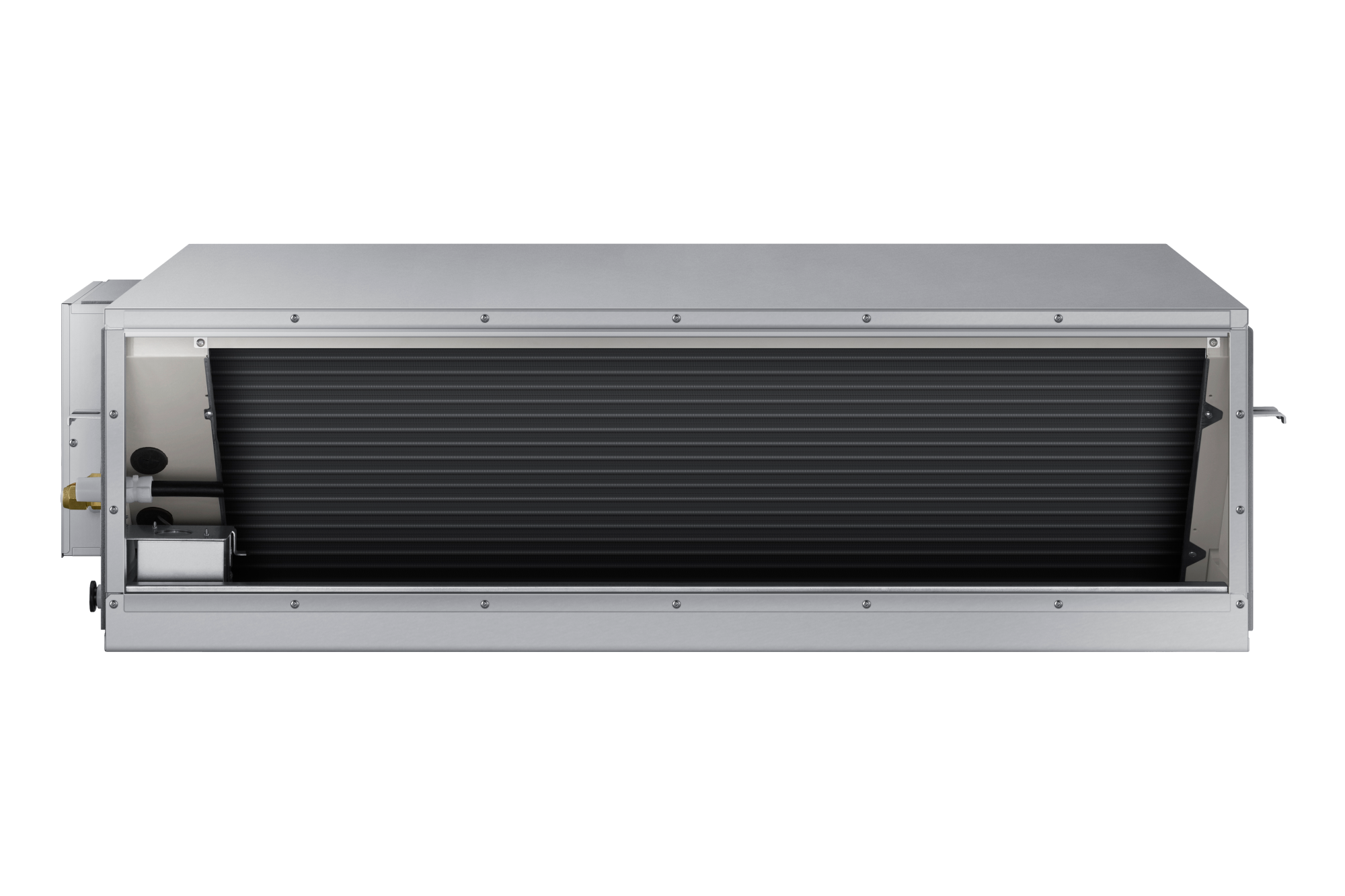
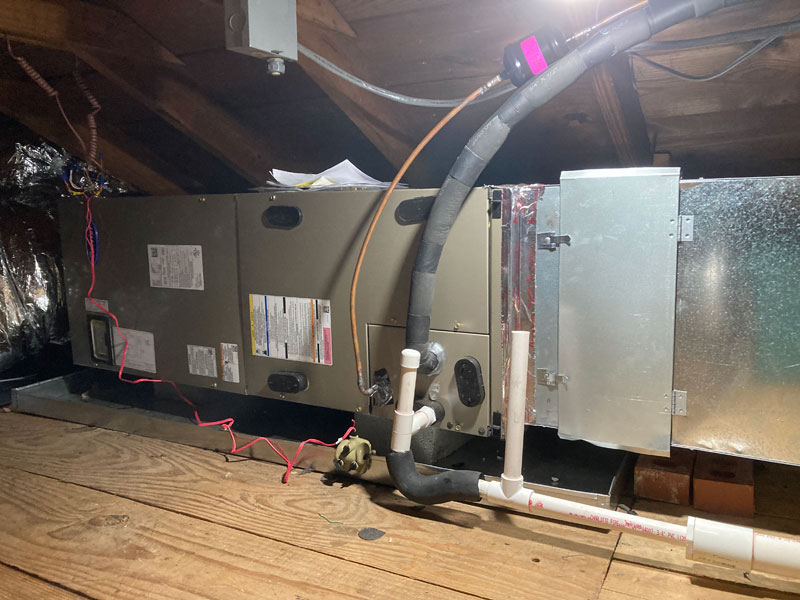
Slim Horizontal 165000 Btu Heater Furnace Air Handler
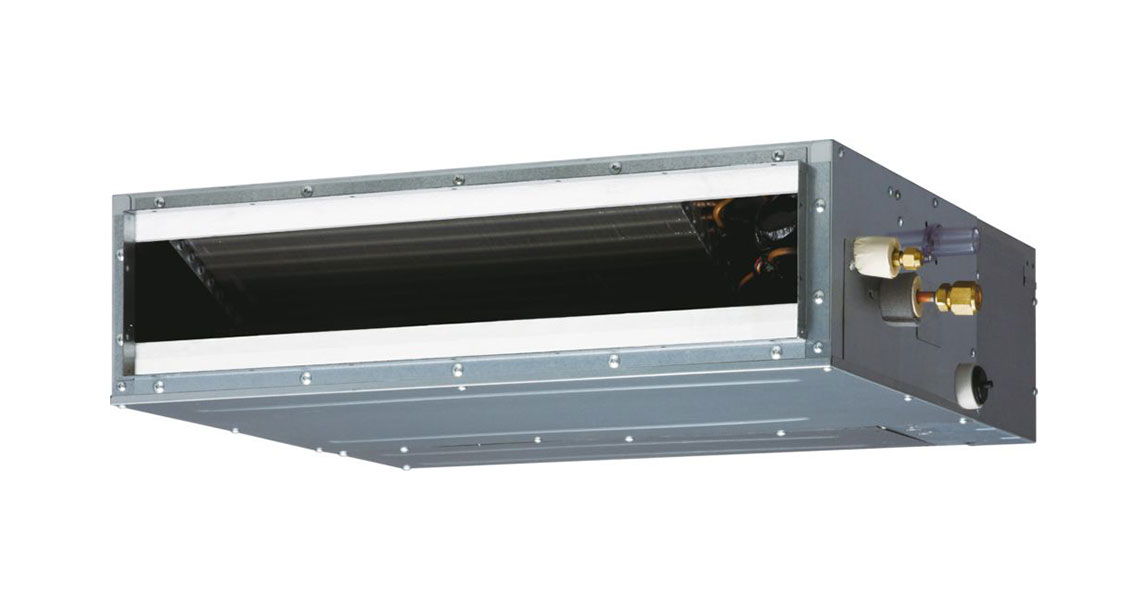
Understanding Slim Horizontal 165,000 BTU Heater Furnace Air Handlers: A Comprehensive Guide for HVAC Professionals
In the ever-evolving world of HVAC, understanding specialized equipment like the Slim Horizontal 165,000 BTU Heater Furnace Air Handler is crucial for career advancement and business success. This article provides a detailed overview of this specific type of unit, its applications, and the skills needed to work with it effectively. We'll also explore career paths, certifications, and the current job market outlook for HVAC professionals.
What is a Slim Horizontal 165,000 BTU Heater Furnace Air Handler?
This designation refers to a specific type of HVAC system designed for installations where space is limited. Let's break down the key components:
- Slim Horizontal: This indicates the unit's physical configuration. Horizontal units are designed to be installed in attics, crawl spaces, or suspended from ceilings, often where vertical space is restricted. The "slim" designation emphasizes its compact design, allowing for installation in even tighter areas.
- 165,000 BTU: BTU (British Thermal Unit) measures the heating capacity of the furnace. A 165,000 BTU unit is a high-capacity furnace typically used in larger residential homes or small commercial buildings. The exact BTU requirement depends on factors like climate, insulation, and building size.
- Heater Furnace Air Handler: This describes the unit's function. It heats air and then distributes it throughout the building via a system of ducts. The air handler component includes the blower motor and coils necessary for air circulation and, in some cases, cooling.
These units are often gas-fired, but can also use other fuel sources like propane or oil. Their horizontal design makes them ideal for retrofit projects where existing ductwork and space constraints dictate equipment choices.
Applications and Use Cases
Slim Horizontal 165,000 BTU units are commonly found in:
- Larger Residential Homes: Homes with extensive square footage often require a higher BTU furnace to maintain comfortable temperatures.
- Commercial Buildings: Small offices, retail spaces, and restaurants may utilize these units for efficient heating.
- Retrofit Projects: When replacing an existing furnace in a space-constrained area, a slim horizontal unit offers a viable solution.
- Modular Homes: Their compact design makes them suitable for modular construction where space optimization is key.
Proper installation and maintenance are crucial for optimal performance and energy efficiency. This is where skilled HVAC technicians play a vital role.
Essential Skills and Knowledge for Working with These Units
Working with Slim Horizontal 165,000 BTU Heater Furnace Air Handlers requires a diverse skill set, including:
- Installation: Correctly installing the unit, including connecting gas lines, electrical wiring, and ductwork, is paramount.
- Maintenance: Performing regular maintenance, such as cleaning burners, replacing filters, and inspecting components, ensures longevity and efficiency.
- Troubleshooting: Diagnosing and repairing malfunctions, such as ignition failures, blower motor problems, and gas leaks.
- Electrical Knowledge: Understanding electrical circuits and wiring diagrams is essential for safe and effective repairs.
- Gas Fitting: Safely working with gas lines and ensuring proper combustion is crucial for preventing hazards.
- HVAC System Design: Understanding ductwork design and airflow principles to optimize system performance.
- Building Codes and Regulations: Adhering to local and national building codes and regulations related to HVAC installations.
Career Paths in HVAC: Opportunities Abound
The HVAC industry offers a wide range of career paths, from entry-level positions to specialized roles. Here are some examples:
- HVAC Technician: This is the most common entry point. Technicians install, maintain, and repair HVAC systems in residential and commercial buildings. The Bureau of Labor Statistics projects a growth rate of 6% for HVAC mechanics and installers from 2022 to 2032, adding about 37,800 jobs over the decade.
- HVAC Installer: Installers specialize in the installation of new HVAC systems, ensuring proper connections and functionality.
- HVAC Service Technician: Service technicians focus on maintaining and repairing existing HVAC systems, responding to service calls and troubleshooting problems.
- HVAC Sales Engineer: Sales engineers work with clients to design and select HVAC systems that meet their specific needs, often requiring a strong technical background and sales skills.
- HVAC Project Manager: Project managers oversee the installation of HVAC systems in large-scale projects, coordinating with contractors and ensuring projects are completed on time and within budget.
- HVAC Business Owner/Contractor: With experience and entrepreneurial spirit, technicians can start their own HVAC business.
Real-World Example: Maria started as an HVAC apprentice after completing a vocational program. She quickly gained experience working on residential systems and then specialized in commercial HVAC. After earning her NATE certification and several years of experience, she became a project manager overseeing large commercial HVAC installations.
Certifications: Boosting Your Credibility and Career Prospects
Certifications demonstrate your competence and professionalism, enhancing your career prospects and earning potential. Key certifications include:
- NATE (North American Technician Excellence): NATE certification is widely recognized in the HVAC industry as a mark of excellence. It validates a technician's knowledge and skills in specific areas, such as installation, service, and efficiency.
- EPA Section 608 Certification: This certification is required for technicians who handle refrigerants. It ensures they understand proper refrigerant handling procedures and regulations to protect the environment. There are different levels of certification based on the type of equipment being serviced (Type I, Type II, and Type III).
- HVAC Excellence: HVAC Excellence offers a variety of certifications for different skill levels and specializations, providing comprehensive validation of technical expertise.
- Manufacturer-Specific Certifications: Many HVAC manufacturers offer certifications for their specific equipment. These certifications demonstrate expertise in installing, maintaining, and repairing their products.
Investing in certifications demonstrates a commitment to professional development and enhances your value to employers. Many employers require or prefer certified technicians.
Salary Expectations in the HVAC Industry
Salaries in the HVAC industry vary depending on experience, location, and certifications. According to the Bureau of Labor Statistics, the median annual wage for HVAC mechanics and installers was $59,620 in May 2023. The lowest 10 percent earned less than $37,590, and the highest 10 percent earned more than $87,540. Salaries also fluctuate based on the specific region and cost of living.
Specialized skills and certifications can significantly increase earning potential. For example, technicians with NATE certification and experience in commercial HVAC systems often command higher salaries.
Salary Examples:
- Entry-level HVAC Technician: $35,000 - $45,000 per year
- Experienced HVAC Technician (with NATE certification): $55,000 - $75,000 per year
- HVAC Project Manager: $70,000 - $100,000+ per year
Job Market Outlook: A Promising Future for HVAC Professionals
The HVAC industry is experiencing strong growth, driven by factors such as:
- New Construction: Increased building activity creates demand for HVAC installation services.
- Aging Infrastructure: Many existing HVAC systems are reaching the end of their lifespan, requiring replacement or upgrades.
- Energy Efficiency Regulations: Growing emphasis on energy efficiency is driving demand for high-efficiency HVAC systems and skilled technicians who can install and maintain them.
- Technological Advancements: The increasing complexity of HVAC systems, including smart thermostats and advanced control systems, requires technicians with specialized skills and knowledge.
These factors indicate a promising future for HVAC professionals, with ample opportunities for career advancement and job security.
Employer Expectations and Hiring Trends
Employers in the HVAC industry are looking for candidates with:
- Technical Skills: A strong understanding of HVAC systems and components is essential.
- Problem-Solving Abilities: The ability to diagnose and repair malfunctions efficiently and effectively.
- Customer Service Skills: Interacting with customers professionally and providing excellent service.
- Communication Skills: Clearly communicating technical information to customers and colleagues.
- Certifications: NATE, EPA 608, and other relevant certifications are highly valued.
- Safety Consciousness: Adhering to safety protocols and procedures to prevent accidents.
- Continuing Education: A willingness to stay up-to-date with the latest technologies and industry trends.
Employers are also increasingly emphasizing soft skills, such as teamwork, communication, and problem-solving, as essential for success in the HVAC industry.
Conclusion
The Slim Horizontal 165,000 BTU Heater Furnace Air Handler represents just one facet of the diverse and dynamic HVAC industry. By understanding the specific requirements of these units, developing relevant skills, and pursuing professional certifications, HVAC professionals can position themselves for success in a growing and rewarding field. Whether you're a student, an experienced technician, or an employer, investing in knowledge and skills related to specialized equipment like this is a strategic move that will pay dividends in the long run.