Slim Horizontal Heater Furnace Air Handler For Attic
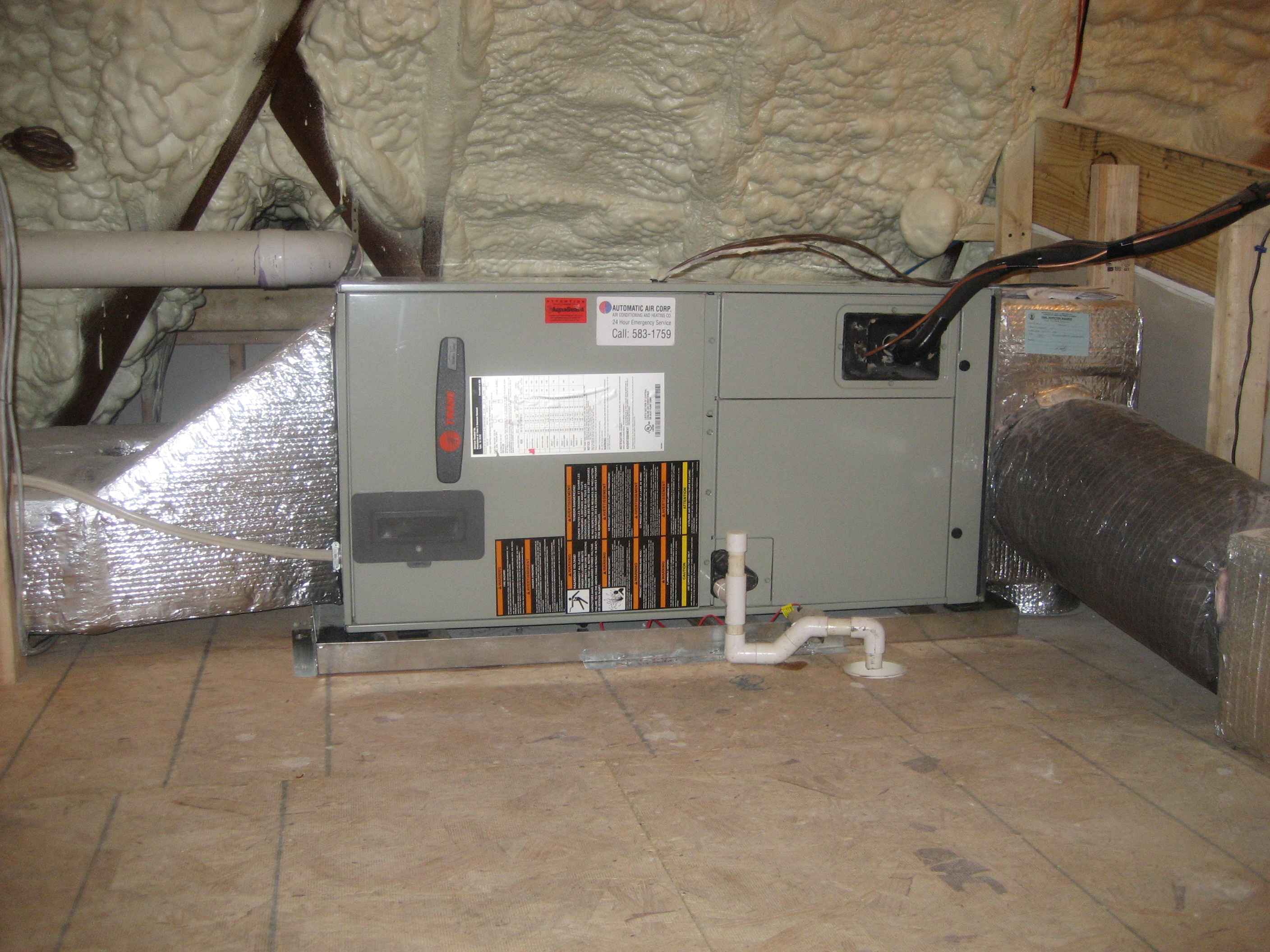
Attic installations present unique challenges for HVAC systems. Space constraints, accessibility issues, and extreme temperature fluctuations demand specialized equipment. That's where slim horizontal heater furnace air handlers come in. These units are designed to fit into tight spaces while providing efficient heating and cooling. This article will guide you through the essentials of these systems, from understanding their components to troubleshooting common problems.
Understanding Slim Horizontal Heater Furnace Air Handlers
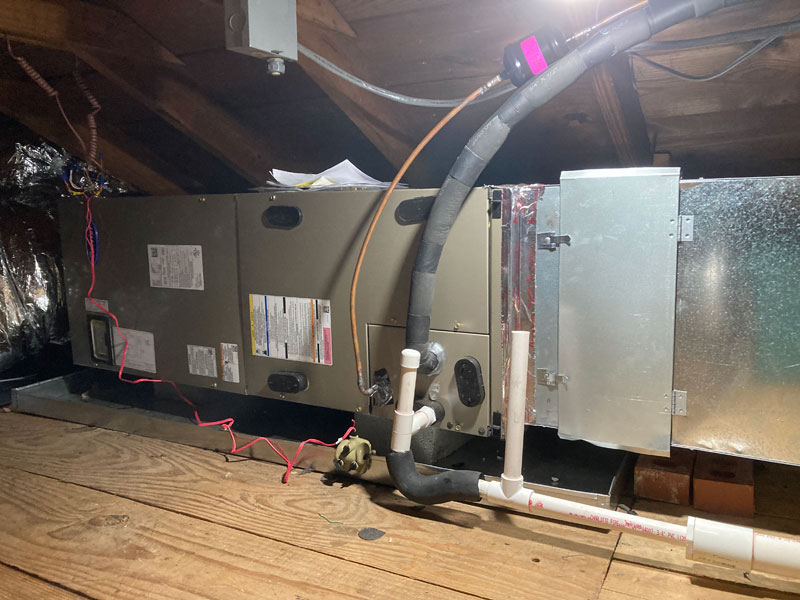
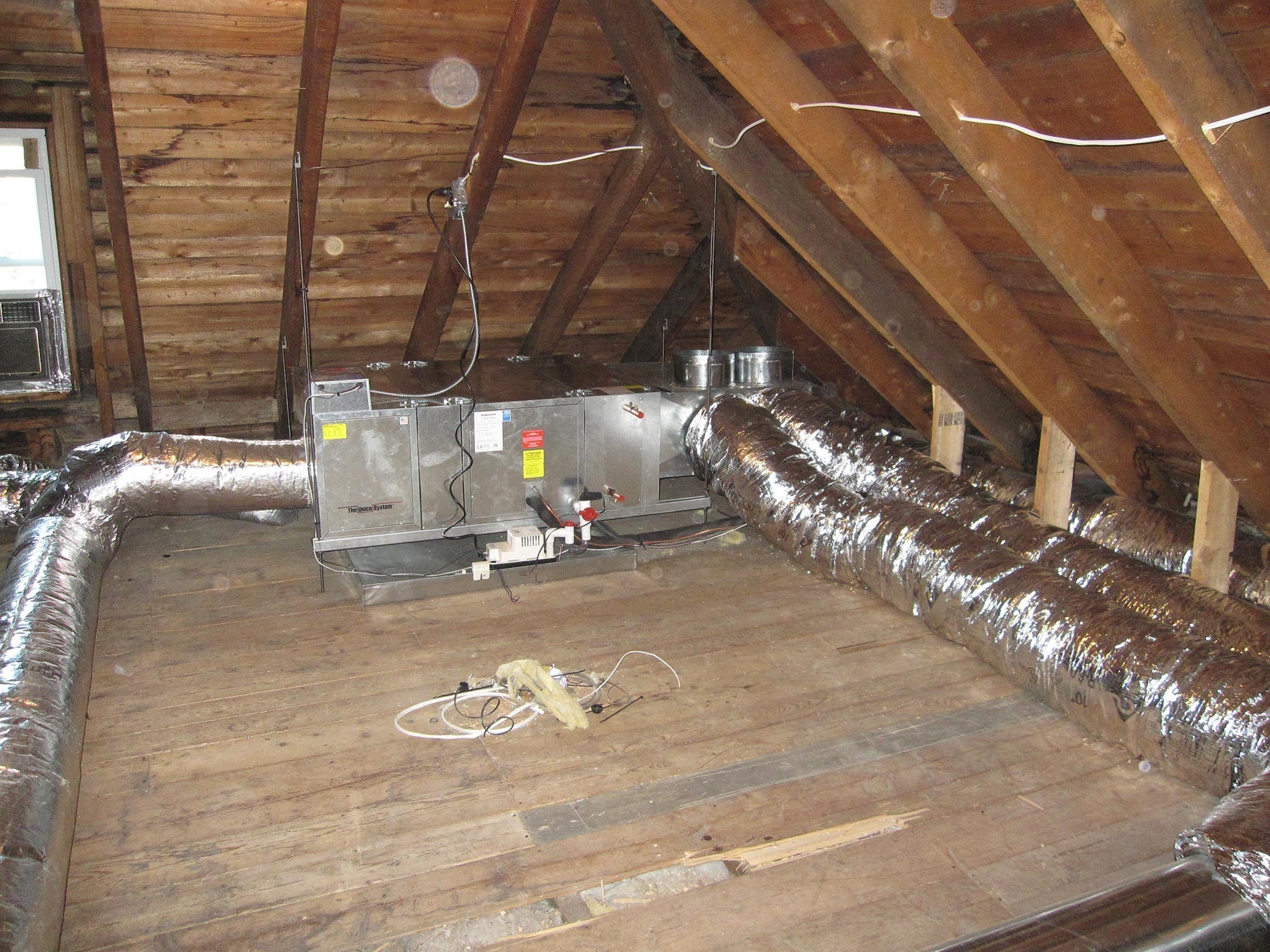
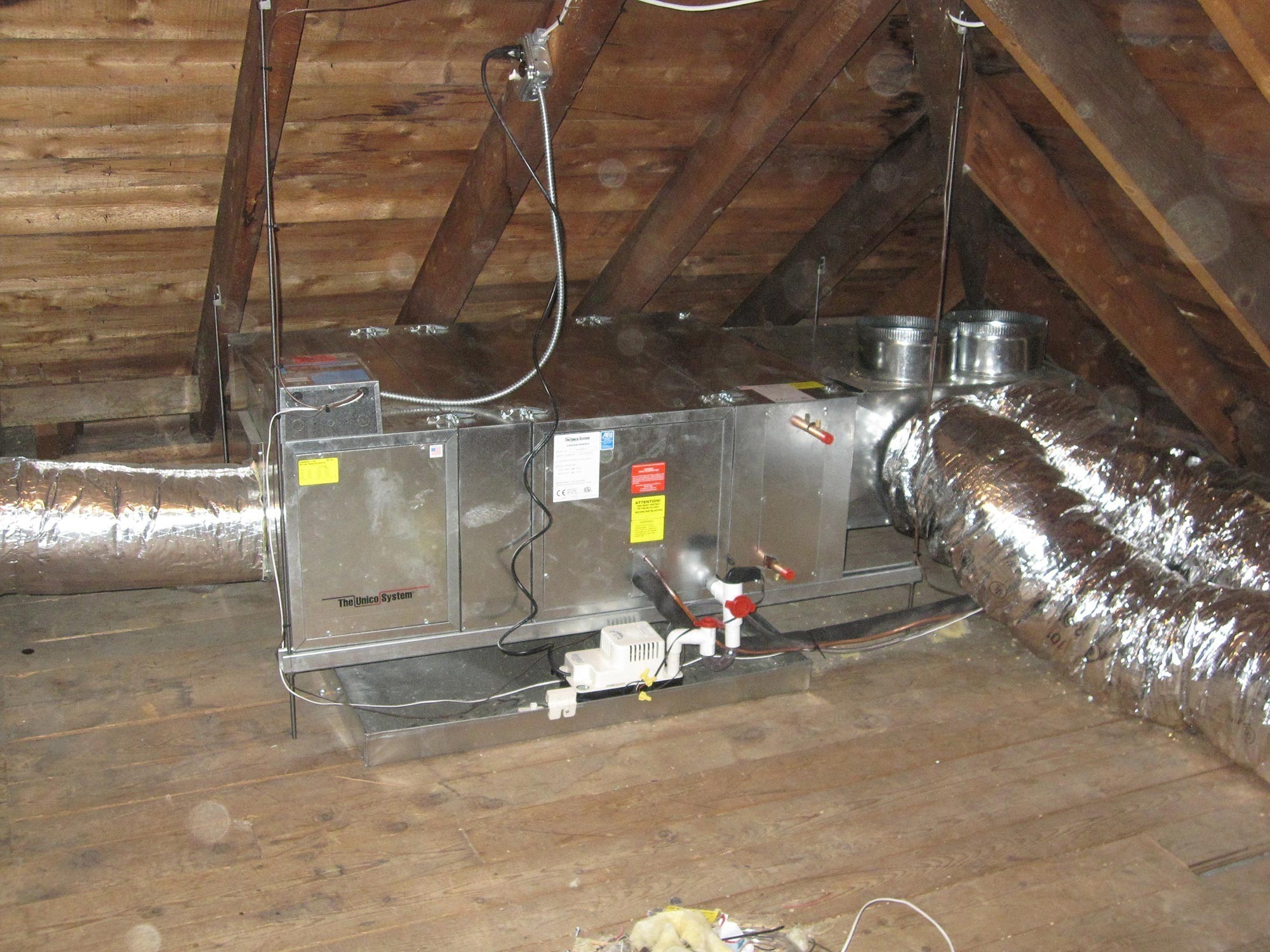
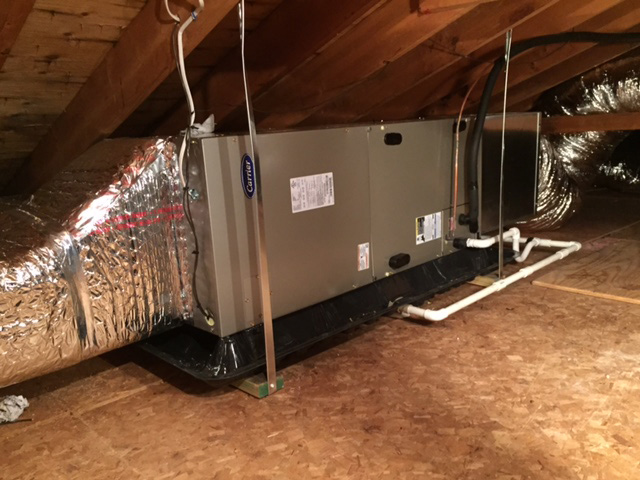
Slim horizontal heater furnace air handlers are compact HVAC units engineered for installations where vertical space is limited. They are often used in attics, crawl spaces, and even closets. These systems combine a furnace (for heating) and an air handler (for cooling and air circulation) into a single, low-profile unit. Their horizontal design allows them to be placed on their side or suspended from rafters, maximizing space utilization.
Key Components
Understanding the different parts of your slim horizontal unit is crucial for troubleshooting and maintenance:
- Burner Assembly: Responsible for igniting the gas and producing heat.
- Heat Exchanger: Transfers the heat from the combustion process to the air flowing through the unit.
- Blower Motor and Fan: Circulate air through the ductwork and into your home.
- Air Filter: Removes dust, pollen, and other particles from the air.
- Control Board: The "brain" of the system, controlling the various components and responding to thermostat settings.
- Gas Valve: Regulates the flow of gas to the burner.
- Igniter: Initiates the combustion process (can be a hot surface igniter or a spark igniter).
- Flame Sensor: Detects the presence of a flame and ensures the gas valve remains open.
- Condensate Drain: Removes condensation produced during the cooling cycle.
- Ductwork Connections: Points where the unit connects to the supply and return air ducts.
Advantages of Slim Horizontal Units
- Space Saving: Ideal for attics and other areas with limited vertical clearance.
- Efficient Heating and Cooling: Provides both heating and cooling capabilities in a single unit.
- Versatile Installation: Can be installed horizontally, suspended, or on a platform.
Troubleshooting Common Problems
Many issues with slim horizontal furnaces can be resolved with basic troubleshooting. However, always prioritize safety and consult a qualified HVAC technician for complex repairs. Never work on gas lines or electrical components unless you are properly trained and qualified.
No Heat
This is a common problem, and several factors could be responsible:
- Thermostat Settings: Ensure the thermostat is set to "heat" and the temperature is set above the current room temperature.
- Air Filter: A clogged air filter restricts airflow and can cause the furnace to overheat and shut down. Replace the filter regularly (every 1-3 months).
- Pilot Light/Igniter: If the pilot light is out (on older models) or the igniter is not working, the furnace will not ignite. (Safety Warning: If you smell gas, immediately evacuate the area and call your gas company.) For newer models, check the igniter for cracks or damage. A multimeter can be used to test its resistance.
- Flame Sensor: A dirty or faulty flame sensor can prevent the furnace from staying lit. Clean the sensor with fine steel wool.
- Gas Valve: A faulty gas valve may not be opening to allow gas to flow to the burner. This requires professional diagnosis and repair.
- Limit Switch: The limit switch is a safety device that shuts off the furnace if it gets too hot. A tripped limit switch could indicate a problem with airflow or a faulty component.
No Cooling
If your unit provides cooling and it's not working, consider these possibilities:
- Thermostat Settings: Make sure the thermostat is set to "cool" and the temperature is below the current room temperature.
- Air Filter: A dirty air filter can restrict airflow and reduce cooling efficiency.
- Condensate Drain: A clogged condensate drain can cause the unit to shut down. Check the drain line for obstructions and clear it if necessary.
- Refrigerant Leaks: Low refrigerant levels can prevent the unit from cooling properly. This requires professional diagnosis and repair.
- Compressor: The compressor is the heart of the cooling system. A faulty compressor will prevent the unit from cooling. This repair is best left to a professional.
Blower Fan Issues
The blower fan circulates air throughout your home. Problems with the blower fan can affect both heating and cooling:
- Blower Motor: A faulty blower motor can prevent the fan from running. Check the motor for overheating or unusual noises.
- Capacitor: The capacitor helps start the blower motor. A weak or faulty capacitor can prevent the motor from running properly.
- Belt (if applicable): Some older units use a belt to drive the blower fan. Check the belt for wear and tear and replace it if necessary.
Unusual Noises
Strange noises coming from your furnace can indicate a variety of problems:
- Rattling: Loose screws or panels. Tighten or secure any loose components.
- Squealing: Worn blower motor bearings or a slipping belt. Lubricate the bearings or replace the belt.
- Banging: Ductwork expanding and contracting due to temperature changes. Insulate the ductwork to reduce noise.
- Humming: Electrical issues with the blower motor or transformer. Consult a qualified electrician or HVAC technician.
Common Parts and Tools
If you plan to do some basic troubleshooting and repairs, here's a list of common parts and tools you might need:
Parts
- Air filters (various sizes)
- Flame sensor
- Igniter
- Blower motor capacitor
- Thermocouple (for older pilot light systems)
- Limit switch
- Gas valve (requires professional installation)
- Blower motor
- Belt (if applicable)
Tools
- Screwdrivers (Phillips and flathead)
- Wrench set
- Multimeter
- Vacuum cleaner
- Wire stripper/crimper
- Pliers
- Adjustable wrench
- Flashlight
- Safety glasses
- Work gloves
Maintenance Tips for Slim Horizontal Furnaces
Regular maintenance can help prevent problems and extend the life of your slim horizontal furnace:
- Replace Air Filters Regularly: This is the most important maintenance task. Change the filter every 1-3 months, or more often if you have pets or allergies.
- Inspect and Clean the Burner Assembly: Annually, inspect the burner assembly for dirt, debris, and corrosion. Clean the burners with a wire brush.
- Check the Flame Sensor: Clean the flame sensor with fine steel wool to ensure proper operation.
- Inspect the Ductwork: Look for leaks or damage in the ductwork. Seal any leaks with duct tape.
- Clear the Condensate Drain: Regularly flush the condensate drain with water to prevent clogs.
- Schedule Professional Maintenance: Have your furnace professionally inspected and serviced at least once a year. A technician can identify potential problems and perform necessary repairs.
When to Call a Professional
While some HVAC repairs can be tackled by DIYers, certain situations require the expertise of a qualified HVAC technician:
- Gas Leaks: If you smell gas, immediately evacuate the area and call your gas company or a qualified HVAC technician.
- Refrigerant Leaks: Refrigerant leaks require specialized equipment and training to repair.
- Complex Electrical Issues: Diagnosing and repairing electrical problems in your furnace can be dangerous.
- Internal Component Failures: Repairs involving the heat exchanger, compressor, or gas valve should be performed by a professional.
- You're Uncomfortable or Unsure: If you're not confident in your ability to diagnose or repair a problem, it's always best to call a professional.
Cost Estimates for Repairs
Repair costs can vary depending on the complexity of the problem and the cost of parts. Here are some general estimates:
- Air Filter Replacement: $10-$30 (DIY)
- Flame Sensor Replacement: $75-$150 (DIY or professional)
- Igniter Replacement: $100-$200 (DIY or professional)
- Blower Motor Capacitor Replacement: $100-$250 (DIY or professional)
- Blower Motor Replacement: $300-$700 (Professional)
- Gas Valve Replacement: $300-$800 (Professional)
- Heat Exchanger Replacement: $1000-$2500 (Professional)
- Compressor Replacement: $1500-$3500 (Professional)
These are just estimates, and the actual cost may vary. It's always a good idea to get multiple quotes from different HVAC contractors before making a decision.
Slim horizontal heater furnace air handlers are a great solution for heating and cooling in space-constrained areas like attics. By understanding the components, performing regular maintenance, and knowing when to call a professional, you can keep your system running smoothly and efficiently for years to come.