Slip Ball Valve Vs Ball Valve
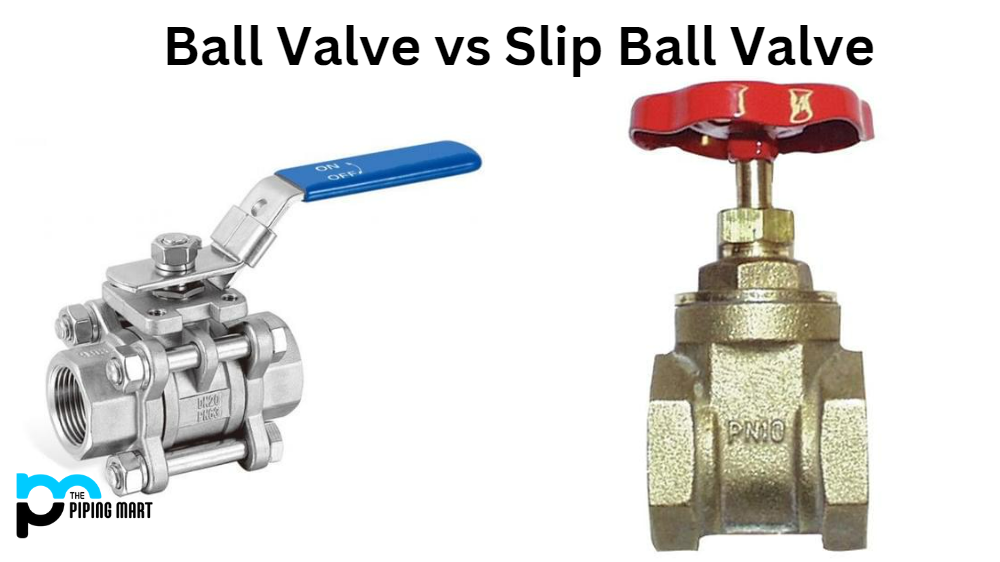
Frequently Asked Questions: Slip Ball Valve vs. Standard Ball Valve
Ball valves are essential components in plumbing and piping systems, used to control the flow of liquids and gases. While both slip ball valves and standard ball valves serve this purpose, they differ in their design and application. This FAQ aims to clarify the differences, benefits, and drawbacks of each type, helping you choose the right valve for your needs.
Question 1: What exactly is a slip ball valve, and how is it different from a standard ball valve?
The key difference lies in their installation and repair capabilities. A standard ball valve typically requires cutting the pipe to be installed or removed. A slip ball valve, on the other hand, has longer body ends (often called "slip joints") that allow it to slide into the existing pipeline after a short section is removed. These slip joints offer greater flexibility in positioning the valve and simplifying installation or replacement.
In essence, a slip ball valve offers a "slip-fit" installation. Think of it like a telescope that collapses – the valve ends can slide in or out, making it easier to connect to existing pipes that might not be perfectly aligned. A standard ball valve is a fixed length; you have to perfectly align the pipes to install it.
Question 2: What are the main advantages of using a slip ball valve compared to a regular ball valve?
Slip ball valves offer several key advantages, making them a popular choice in certain situations:
- Ease of Installation and Replacement: This is the biggest advantage. The slip-fit design simplifies installation and replacement, especially in tight spaces or when dealing with misaligned pipes. You don't need to be a professional plumber to install one.
- Reduced Labor Costs: Because installation is easier and faster, labor costs are typically lower when using a slip ball valve. Less cutting, threading, or soldering is required.
- Minimal Disruption: Installing a standard ball valve often involves significant disruption to the existing pipeline. Slip ball valves minimize this disruption, which is particularly beneficial in critical systems where downtime needs to be kept to a minimum.
- Accommodates Pipe Misalignment: The slip joints can compensate for slight misalignments in the existing pipework, avoiding the need for costly realignment. This is very helpful for older homes where pipes may have shifted over time.
- Flexibility in Positioning: The adjustable ends allow for greater flexibility in positioning the valve within the pipeline.
Question 3: Are there any disadvantages to using slip ball valves? When would a standard ball valve be a better choice?
While slip ball valves offer many advantages, they also have some drawbacks to consider:
- Potential for Leaks: Because slip ball valves have more connections and moving parts (the slip joints themselves), there's a slightly higher potential for leaks compared to the simpler design of a standard ball valve. Proper installation and tightening of the connections are crucial.
- Higher Initial Cost: Slip ball valves are generally more expensive than standard ball valves of the same size and material.
- Bulkier Design: The extended body of a slip ball valve can make it bulkier than a standard ball valve, which might be a concern in very confined spaces.
- Limited Pressure Ratings (Potentially): Depending on the specific model, some slip ball valves may have slightly lower pressure ratings than comparable standard ball valves. Always check the manufacturer's specifications.
A standard ball valve might be a better choice in the following situations:
- New Installations: In new construction or when completely re-piping a system, the ease of installation of a slip ball valve is less of a factor.
- High-Pressure Applications: For systems operating at very high pressures, a standard ball valve with a robust design might be preferred for its increased reliability.
- Space Constraints: In very tight spaces where the extra length of a slip ball valve is prohibitive.
- Budget Constraints: If cost is a major concern, a standard ball valve is the more economical option.
Question 4: What types of applications are best suited for slip ball valves?
Slip ball valves are particularly well-suited for:
- Repairs and Replacements: As mentioned, they excel in situations where you need to replace an existing valve without disturbing the surrounding pipework.
- DIY Plumbing Projects: Their ease of installation makes them a great choice for homeowners tackling their own plumbing repairs.
- Emergency Repairs: The quick installation can be invaluable in emergency situations where you need to shut off the flow quickly.
- Systems with Minor Pipe Misalignments: They can compensate for slight misalignments, saving time and effort.
- Applications Where Downtime Must Be Minimized: The fast installation reduces downtime.
Think of them as a "quick fix" solution when you need to replace a valve without major plumbing work.
Question 5: What materials are available for slip ball valves, and how do I choose the right one?
Slip ball valves are available in a variety of materials, including:
- Brass: A common and affordable option for general plumbing applications. Suitable for potable water systems.
- Stainless Steel: Offers excellent corrosion resistance and is ideal for applications involving corrosive fluids or high temperatures.
- PVC (Polyvinyl Chloride): A cost-effective option for cold water applications and chemical handling.
- CPVC (Chlorinated Polyvinyl Chloride): Similar to PVC but can withstand higher temperatures.
When choosing a material, consider the following factors:
- Fluid Compatibility: Ensure the valve material is compatible with the fluid being handled. Some fluids can corrode or degrade certain materials.
- Temperature and Pressure: Select a material that can withstand the operating temperature and pressure of the system.
- Application: For potable water systems, choose materials that are certified for drinking water use (e.g., lead-free brass).
- Cost: Balance performance requirements with budget constraints.
Always consult the manufacturer's specifications for material compatibility and pressure/temperature ratings.
Question 6: How do I properly install a slip ball valve to ensure a leak-free connection?
Proper installation is crucial to prevent leaks. Follow these steps:
- Shut off the Water Supply: This is the most important step!
- Prepare the Pipes: Clean and deburr the ends of the pipes where the valve will be installed.
- Measure and Cut: Measure the distance between the pipe ends where the old valve was (or will be). Cut out that section of pipe. Remember to account for the "slip" available in the valve. The total length of the valve, when fully extended, should be slightly longer than the gap you've created.
- Position the Valve: Loosen the slip joint nuts on both ends of the valve. Slide the valve onto one pipe end, then slide the other pipe end into the opposite side of the valve.
- Adjust the Valve: Position the valve so that it is properly aligned with the pipeline. Make sure it's not putting undue stress on the pipes.
- Tighten the Nuts: Hand-tighten the slip joint nuts, then use a wrench to tighten them further. Be careful not to overtighten, as this can damage the valve or the pipes. Follow the manufacturer's torque specifications if available. It's better to incrementally tighten them than to attempt full tightness at once.
- Test for Leaks: Slowly turn the water supply back on and check for leaks around the slip joints. If you find a leak, tighten the nuts slightly until the leak stops.
Important Tips:
- Use Teflon tape or pipe sealant on the threads of the slip joint nuts to ensure a good seal.
- Make sure the O-rings inside the slip joints are properly seated.
- If you are unsure about any aspect of the installation, consult a qualified plumber.
Question 7: How do I maintain a slip ball valve to ensure its longevity and proper function?
Regular maintenance can help extend the life of your slip ball valve and prevent problems.
- Regular Inspection: Periodically inspect the valve for leaks, corrosion, or damage.
- Operate the Valve Regularly: Open and close the valve occasionally to prevent it from becoming stiff or stuck.
- Lubrication: Lubricate the valve stem and other moving parts with a suitable lubricant (check the manufacturer's recommendations).
- Cleaning: Clean the valve body to remove any dirt or debris.
- Tighten Connections: Periodically check the tightness of the slip joint nuts and tighten them if necessary.
- Replace Worn Parts: If you notice any signs of wear or damage, such as leaks or difficulty operating the valve, replace the worn parts (e.g., O-rings) as soon as possible.
By following these maintenance tips, you can ensure that your slip ball valve will provide reliable service for many years.