Small Air Conditioner Units For Window

For HVAC professionals and those aspiring to join the ranks, understanding the nuances of various cooling systems is paramount. While large-scale commercial HVAC systems often dominate discussions, mastering the fundamentals of smaller units, like window air conditioners, is equally crucial. This article explores the world of small window AC units, focusing on their functionality, maintenance, career implications, and industry trends.
Understanding Window Air Conditioner Fundamentals
Window air conditioners, also referred to as room air conditioners, are self-contained units designed to cool a single room. Their simple design incorporates all the essential components of a refrigeration cycle: compressor, condenser, expansion valve, and evaporator coil. The evaporator coil, located inside the room, absorbs heat, while the condenser, situated outside, dissipates it.
Key Components and Their Functions:
- Compressor: The heart of the system, it pressurizes the refrigerant, increasing its temperature.
- Condenser: Releases heat from the refrigerant to the outside air, converting it from a high-pressure gas to a high-pressure liquid.
- Expansion Valve (or Capillary Tube): Reduces the pressure of the refrigerant, causing it to cool significantly.
- Evaporator Coil: Absorbs heat from the room air, converting the refrigerant from a low-pressure liquid to a low-pressure gas. This process cools the air that is circulated back into the room.
Efficiency Ratings: EER and SEER
The efficiency of a window AC unit is measured by its Energy Efficiency Ratio (EER). EER is calculated by dividing the cooling output (in BTUs) by the power input (in watts). A higher EER indicates a more efficient unit. You'll often see this rating prominently displayed on the unit's energy guide label. While EER is common for window units, some may also use Seasonal Energy Efficiency Ratio (SEER), which accounts for varying operating conditions over a cooling season. Understanding these ratings is essential for technicians advising clients on energy-efficient options.
Pro Tip: When servicing a unit, check the model number and research its EER/SEER rating to ensure it's performing optimally based on its specifications. Documenting these checks is a valuable service.
HVAC Career Paths and Window AC Expertise
While window AC units might seem basic, proficiency in their installation, maintenance, and repair contributes significantly to a well-rounded HVAC skillset. Here's how this knowledge can enhance your career:
- Entry-Level Technicians: Servicing window ACs provides excellent hands-on experience with the fundamentals of refrigeration cycles and electrical components. It's a great way to build confidence and troubleshoot common issues like refrigerant leaks, fan motor failures, and thermostat problems.
- Experienced Technicians: While you might focus on larger systems, having a solid understanding of window ACs allows you to offer comprehensive services to residential clients, increasing your business opportunities.
- HVAC Business Owners: Being able to service a wide range of cooling systems, including window units, makes your company more competitive and appealing to a broader customer base.
Salary Expectations in the HVAC Field
The U.S. Bureau of Labor Statistics (BLS) reports a median annual wage of $51,390 for HVACR technicians in May 2022. However, salary ranges vary significantly based on experience, location, and certifications. Entry-level technicians can expect to earn less, while experienced technicians with specialized skills (including window AC repair) and certifications can command higher salaries. Top earners can exceed $70,000 annually.
Regional Salary Variations: Salaries tend to be higher in areas with a higher cost of living and greater demand for HVAC services. Research average salaries in your region to get a realistic understanding of earning potential.
Certifications and Training
While a formal certification isn't always required to service window AC units, holding relevant certifications demonstrates competence and professionalism, boosting your career prospects. Here are some key certifications to consider:
- EPA Section 608 Certification: Required for technicians who handle refrigerants. This certification demonstrates your understanding of safe refrigerant handling practices and environmental regulations. There are different types of 608 certifications based on the type of equipment you service.
- NATE (North American Technician Excellence): While NATE doesn't offer a specific window AC certification, their core certification demonstrates a broad understanding of HVAC principles, increasing your credibility.
- Manufacturer-Specific Training: Many window AC manufacturers offer training programs on their specific products. Completing these programs can give you a competitive edge when servicing those brands.
Continuing Education: The HVAC industry is constantly evolving. Staying up-to-date on the latest technologies and best practices through continuing education is crucial for career advancement. Consider attending workshops, seminars, and online courses on topics related to energy efficiency, smart HVAC systems, and new refrigerant technologies.
Common Issues and Troubleshooting
Diagnosing and resolving common issues with window AC units is a fundamental skill for HVAC technicians. Here are some frequent problems you might encounter:
- Unit Not Cooling: Possible causes include refrigerant leaks, compressor failure, a dirty air filter, or a blocked condenser coil.
- Unit Making Loud Noises: This could indicate a loose fan blade, a worn-out motor, or a problem with the compressor.
- Water Leaking: Could be due to a clogged drain line or a tilted unit.
- Unit Not Turning On: Check the power cord, circuit breaker, and thermostat.
Troubleshooting Tips:
- Start with the Basics: Check the power supply, air filter, and thermostat settings before moving on to more complex components.
- Use a Multimeter: A multimeter is essential for testing electrical components like motors, capacitors, and wiring.
- Follow the Wiring Diagram: Refer to the unit's wiring diagram to ensure you're troubleshooting the correct circuits.
- Document Your Findings: Keep detailed records of your troubleshooting steps and the solutions you implement. This will help you diagnose similar problems in the future.
Industry Trends and the Future of Window ACs
While window ACs are a mature technology, they are still evolving to meet changing consumer demands and environmental concerns. Here are some key trends to watch:
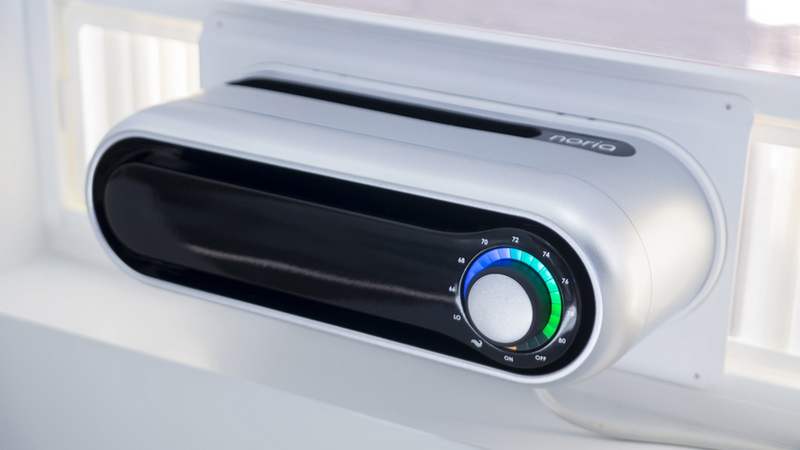
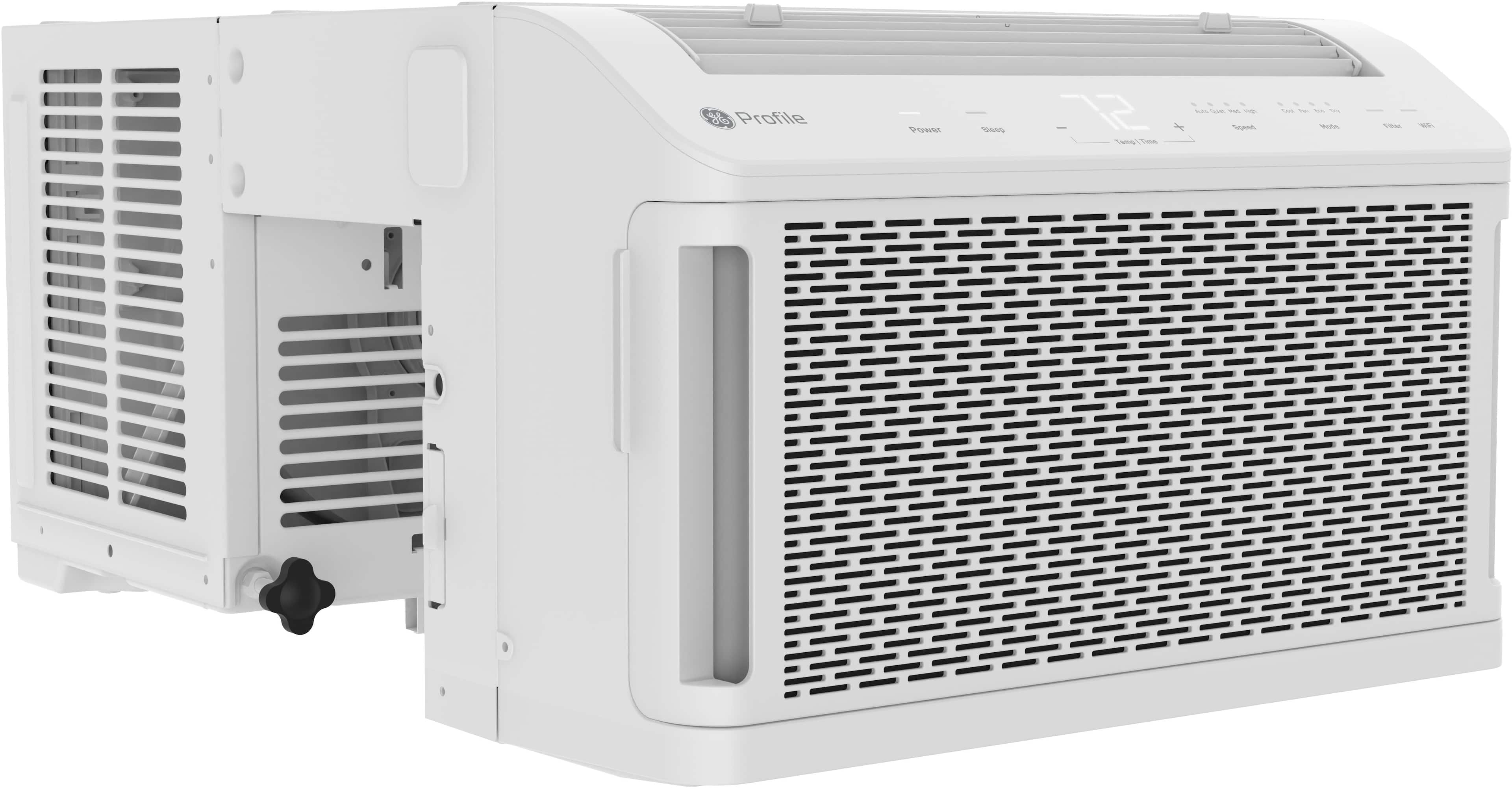
- Smart Window ACs: Integration with smart home systems is becoming increasingly common. These units offer features like remote control via smartphone apps, voice control compatibility (e.g., Alexa, Google Assistant), and energy usage monitoring. Understanding how to integrate these units into existing smart home ecosystems is a growing skill requirement.
- Energy Efficiency Improvements: Manufacturers are continuously striving to improve the energy efficiency of window ACs by using more efficient compressors, better insulation, and advanced control algorithms. Look for units with higher EER/SEER ratings.
- Environmentally Friendly Refrigerants: The industry is transitioning away from refrigerants with high global warming potential (GWP) towards more environmentally friendly alternatives, such as R-32 and R-290. Technicians need to be trained on the proper handling and disposal of these new refrigerants. This often involves specific training modules and updated EPA 608 certification knowledge.
- Improved Air Filtration: Many new window AC units incorporate advanced air filtration systems that can remove allergens, dust, and other pollutants from the air. Highlighting these features to customers is a good sales strategy.
The Growing Importance of Energy Audits: As energy costs continue to rise, consumers are increasingly interested in energy audits to identify ways to reduce their energy consumption. HVAC technicians who can perform energy audits and recommend energy-efficient window AC units are in high demand. This can involve using specialized equipment to measure airflow, insulation levels, and energy usage patterns.
Conclusion
While window air conditioners might seem like a simple part of the HVAC landscape, they provide valuable opportunities for skill development and career advancement. By mastering the fundamentals, staying up-to-date on industry trends, and pursuing relevant certifications, HVAC professionals can build successful and fulfilling careers. Embrace the opportunity to learn about these units, as they form a solid foundation for your future in the dynamic world of HVAC.