
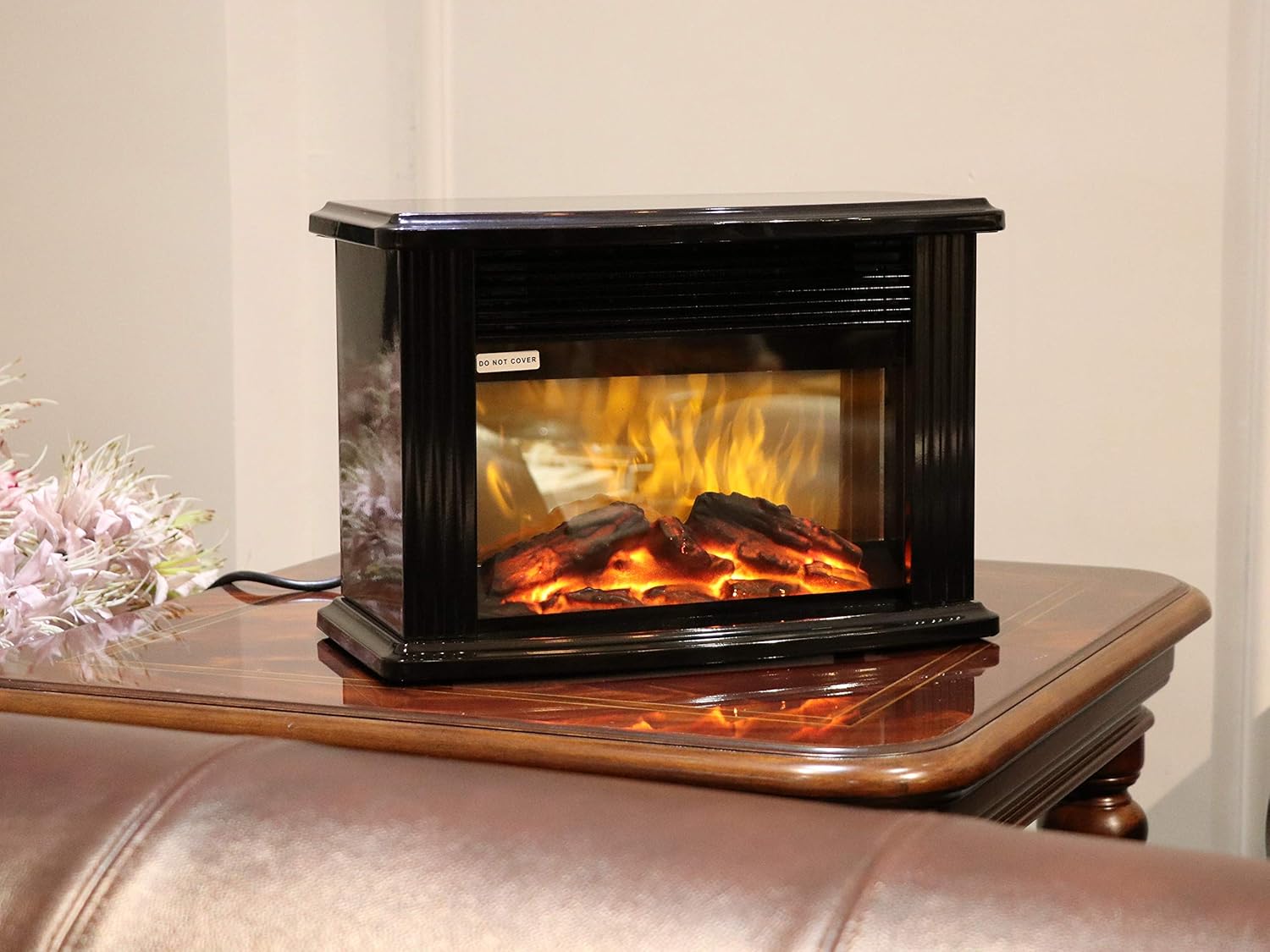
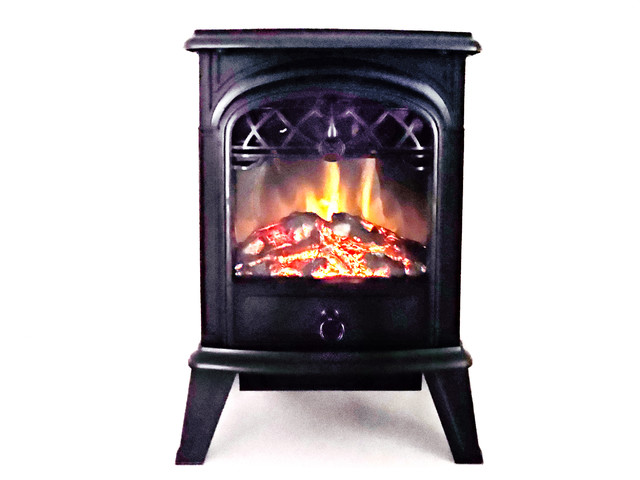
Small Electric Fireplace Stove

That cozy electric fireplace stove, a beacon of warmth and ambiance, suddenly refusing to cooperate? It’s a common household hiccup, but before you resign yourself to a chilly evening, let's walk through some simple troubleshooting steps. This guide will help you diagnose the issue and, in many cases, implement a fix yourself. Remember, safety first! When dealing with electricity, always err on the side of caution. If you're unsure about anything, it's always best to call a qualified electrician or appliance repair technician.
Initial Checks: The Obvious Suspects
Before diving deep, let's rule out the most common and easily fixable causes. These checks are quick, easy, and often solve the problem immediately.
Power Supply Problems
The first suspect is always the power source. A surprising number of fireplace stove issues stem from simple power-related problems.
- Is the stove plugged in? Yes, it sounds obvious, but double-check. Ensure the plug is firmly seated in the outlet.
- Is the outlet working? Test the outlet with another device, like a lamp or phone charger. If the outlet isn't working, check the circuit breaker.
- Check the circuit breaker. Locate the breaker that controls the outlet. If it's tripped (flipped to the 'off' position or in a middle position), flip it all the way to the 'off' position and then back to the 'on' position. Important: If the breaker trips repeatedly, there may be a more serious electrical problem. Stop troubleshooting and call an electrician.
- Extension Cords. Avoid using extension cords if possible. They can sometimes cause voltage drops that prevent the stove from operating correctly. If you must use one, ensure it's a heavy-duty extension cord rated for the appliance's wattage.
Basic Settings and Controls
Sometimes, the issue isn't a malfunction, but simply a misconfiguration of the stove's settings.
- Power Switch. Many electric fireplace stoves have a main power switch in addition to the on/off button on the remote or control panel. Make sure this switch is in the 'on' position.
- Thermostat Setting. Ensure the thermostat is set to a temperature higher than the current room temperature. If the thermostat is set too low, the stove won't turn on. Try turning it up significantly to see if that triggers the heating element.
- Timer Settings. Some models have timers. Make sure the timer isn't set to turn the stove off.
- Remote Control Batteries. If you're using a remote control, replace the batteries. Weak batteries can cause intermittent or complete failure of the remote, preventing you from controlling the stove.
Troubleshooting Specific Problems
Now that we've ruled out the obvious, let's address some specific problems you might encounter.
No Heat, But Flames are Working
This is a common issue and often points to a problem with the heating element.
- Check the Heating Element Switch. Some models have a separate switch for the heating element. Ensure this switch is turned on.
- Overheat Protection. Many electric fireplace stoves have an overheat protection device (a thermal cutout switch). If the stove overheats, this device will shut off the heating element to prevent damage. Let the stove cool down completely (unplug it for at least 30 minutes). Sometimes, the thermal cutout will reset itself. You might need to access the back panel to locate and manually reset the thermal cutout switch (usually a small button). Important: If the overheat protection trips repeatedly, there's an underlying issue causing the stove to overheat. Contact a qualified technician.
- Heating Element Failure. If the overheat protection isn't the problem, the heating element itself may have failed. Visually inspect the heating element (if accessible). Look for signs of damage, such as breaks or burns. Replacing a heating element is typically a task for a qualified technician, as it involves working with electrical components and may require specialized tools.
No Flames, But Heat is Working
If the heat is working, but the flame effect is absent, the problem likely lies with the motor or lights responsible for the flame display.
- Bulb Replacement. If your stove uses light bulbs to create the flame effect, try replacing them. Check the owner's manual for the correct bulb type and wattage. Ensure the stove is unplugged before replacing any bulbs.
- Flame Motor. The flame effect is often created by a motor that rotates a reflector or other device. Listen carefully to the stove. Can you hear the motor running? If not, the motor may be faulty. Replacing the flame motor can be a DIY project, but it depends on your comfort level and the accessibility of the motor. You'll need to identify the correct replacement motor (usually by model number) and carefully disconnect and reconnect the wiring. If you're not comfortable with this, call a technician.
- Flame Effect Settings. Some stoves have adjustable flame brightness or speed. Ensure these settings are not set to 'off' or the lowest setting.
Stove Won't Turn On At All
If the stove is completely unresponsive, the problem could be a more serious electrical issue or a failure of the control board.
- Double-Check Power. Revisit the power supply checks from the beginning of this guide. Ensure the outlet is working, the circuit breaker hasn't tripped, and the stove is properly plugged in.
- Control Board. The control board is the "brain" of the electric fireplace stove. If it fails, the stove won't operate. Diagnosing a control board issue often requires specialized testing equipment and knowledge. This is generally a repair best left to a qualified technician.
- Wiring Issues. Loose or damaged wiring can also prevent the stove from turning on. Visually inspect the wiring inside the stove (if accessible) for any signs of damage. However, *never* attempt to repair wiring yourself unless you are a qualified electrician.
Unusual Noises
Strange noises coming from your electric fireplace stove can indicate a variety of problems.
- Rattling. Rattling sounds often indicate loose parts. Check for any loose screws, panels, or internal components. Tighten any loose connections.
- Grinding. Grinding noises often come from the flame motor. If the motor is failing, it may make a grinding sound before it stops working altogether. Consider replacing the flame motor.
- Buzzing. A buzzing sound could indicate an electrical problem, such as a loose connection or a failing transformer. *Important:* If you hear a buzzing sound, immediately unplug the stove and call an electrician.
DIY Repairs vs. Professional Help
Knowing when to tackle a repair yourself and when to call in a professional is crucial for safety and ensuring a proper fix.
DIY-Friendly Repairs
These are repairs that most homeowners can safely attempt with basic tools and a little patience:
- Checking and resetting the circuit breaker.
- Replacing light bulbs.
- Replacing remote control batteries.
- Tightening loose screws and panels.
- Resetting the overheat protection device (thermal cutout).
When to Call a Professional
These repairs involve electrical components, gas lines (in some models), or complex troubleshooting and should be left to qualified technicians:
- Replacing a heating element.
- Replacing the flame motor (if you're uncomfortable working with wiring).
- Diagnosing and repairing control board issues.
- Any electrical wiring repairs.
- If the circuit breaker trips repeatedly.
- Any time you're unsure about the repair process.
Safety First!
Before attempting any repairs, always:
- Unplug the electric fireplace stove from the power outlet. This is the most important safety precaution.
- Read the owner's manual. The manual contains valuable information about your specific model, including troubleshooting tips, parts diagrams, and safety warnings.
- Use appropriate tools. Use the correct size and type of screwdriver for the screws you're working with. Avoid using excessive force, as this can damage the components.
- Work in a well-lit area. Good lighting will help you see what you're doing and avoid mistakes.
- If you're uncomfortable with any step of the repair process, stop and call a qualified technician. It's always better to be safe than sorry.
Preventative Maintenance
Regular maintenance can help prevent problems and extend the life of your electric fireplace stove.
- Clean the stove regularly. Dust and debris can accumulate inside the stove and cause it to overheat. Use a vacuum cleaner with a brush attachment to remove dust from the vents and other internal components.
- Inspect the power cord regularly. Check for any signs of damage, such as cuts or fraying. Replace the power cord if it's damaged.
- Follow the manufacturer's instructions for cleaning and maintenance. The owner's manual will provide specific instructions for your model.
By following these troubleshooting steps and safety precautions, you can often diagnose and fix common problems with your electric fireplace stove. Remember to prioritize safety and call a professional when necessary. With a little care and attention, you can keep your electric fireplace stove running smoothly and enjoy its warmth and ambiance for years to come.


:max_bytes(150000):strip_icc()/_hero_IMG_20190202_104907_Final-5c7d3b81c9e77c0001fd5a30.jpg)


:max_bytes(150000):strip_icc()/peo-product-turbro-suburbs-ts17-compact-electric-fireplace-stove-hwortock-004-47959b8151854a398d85ad8c84098a25.jpg)
