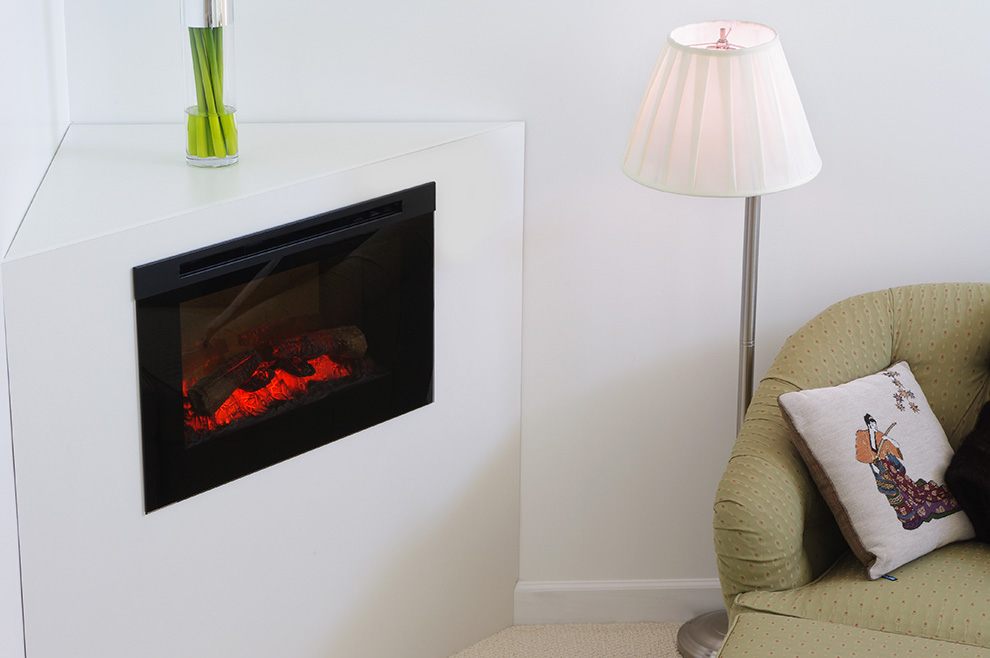
Small Modern Corner Electric Fireplace

Corner electric fireplaces have become a popular choice for homeowners looking to add warmth and ambiance to their living spaces without the hassle of traditional wood-burning fireplaces. Their compact design makes them ideal for smaller rooms or apartments, and the modern aesthetic seamlessly integrates into various décor styles. But like any appliance, these fireplaces can experience issues. This guide provides a comprehensive overview of small modern corner electric fireplaces, covering common problems, troubleshooting tips, and when it's time to call a professional.
Understanding Your Corner Electric Fireplace
Before diving into troubleshooting, it's important to understand the basic components of your corner electric fireplace. These typically include:
- Heating Element: Usually a resistive coil or infrared heater that generates heat.
- Fan: Distributes the heat into the room.
- Flame Effect Generator: Creates the visual illusion of flames, often using LEDs and a rotating reflector.
- Control Panel: Allows you to adjust the heat settings, flame intensity, and other features.
- Thermostat: Regulates the room temperature.
- Overheat Protection: A safety feature that shuts off the fireplace if it gets too hot.
Common Problems and Troubleshooting
No Heat
This is perhaps the most common complaint. Here's a systematic approach to troubleshooting:
- Check the Power Supply: Ensure the fireplace is plugged into a working outlet. Test the outlet with another device to confirm it's providing power. If using an extension cord, make sure it's properly rated for the fireplace's wattage.
- Verify the Thermostat Setting: Make sure the thermostat is set higher than the current room temperature. A thermostat set too low will prevent the heating element from activating.
- Inspect the Control Panel: Some models have a separate on/off switch for the heating function. Ensure this switch is in the "on" position.
- Check the Overheat Protection: If the fireplace has overheated, the thermal cutoff switch may have tripped. Let the fireplace cool down completely and then look for a reset button (usually a small red button located on the back or bottom of the unit). Press the reset button to restore power.
- Examine the Heating Element: If none of the above steps work, the heating element may be faulty. *This requires disassembly and testing with a multimeter and should only be attempted by experienced DIYers or qualified technicians*. A broken heating element will need to be replaced.
Safety Tip: Always disconnect the fireplace from the power supply before performing any maintenance or repairs.
No Flame Effect
If the fireplace is producing heat but there's no flame effect, the problem likely lies within the flame generator components.
- Check the Bulb/LEDs: Most electric fireplaces use bulbs or LEDs to create the flame effect. If they've burned out, the flame effect will be absent. Replacing these is usually a straightforward process, but consult the owner's manual for specific instructions.
- Inspect the Motor: The motor that rotates the reflector or other flame-generating components may have failed. Listen closely to see if you can hear the motor running. If not, it may need to be replaced.
- Examine the Reflector: Make sure the reflector is properly positioned and free of any obstructions. Sometimes, the reflector can become dislodged or damaged, preventing it from creating the desired flame effect.
- Control Board Malfunction: In some cases, a malfunctioning control board can prevent the flame effect from working. *This is a more complex issue that typically requires professional diagnosis and repair.*
Fan Not Working
A malfunctioning fan can significantly reduce the fireplace's heating efficiency and can even lead to overheating.
- Check for Obstructions: Make sure the fan blades are free from any debris or obstructions. Dust, pet hair, and other particles can accumulate over time and prevent the fan from spinning freely.
- Inspect the Motor: The fan motor may have failed. Listen closely to see if you can hear the motor running. If not, it may need to be replaced. *This usually involves disassembly of the unit.*
- Lubricate the Motor: Sometimes, the fan motor can become stiff due to lack of lubrication. Applying a small amount of lubricant (such as silicone spray) to the motor bearings may help to restore its functionality. *Use caution and avoid getting lubricant on any electrical components.*
- Check the Wiring: Inspect the wiring connections to the fan motor. A loose or damaged wire can prevent the fan from receiving power.
Unusual Noises
Strange noises emanating from your electric fireplace can indicate a variety of problems.
- Grinding or Rattling: This often indicates a loose component or a problem with the fan. Check for loose screws, debris in the fan blades, or a worn-out fan motor.
- Buzzing: A buzzing sound could indicate a problem with the transformer or other electrical components. *This requires professional diagnosis and repair due to the risk of electrical shock.*
- Popping or Crackling: This could be a sign of arcing electricity, which is a serious safety hazard. *Immediately turn off the fireplace and call a qualified electrician.*
Flickering Lights
Flickering lights, especially in the flame effect, often point to a simple problem.
- Loose Bulbs/LEDs: Ensure all bulbs or LEDs are securely tightened in their sockets.
- Faulty Bulbs/LEDs: Replace any bulbs or LEDs that appear to be dim or flickering.
- Wiring Issues: *Less commonly, flickering lights can be a sign of loose wiring connections. A qualified electrician should inspect the wiring if this is suspected.*
DIY vs. Professional Repair: Knowing Your Limits
While some electric fireplace repairs are relatively simple and can be tackled by DIY enthusiasts, others require specialized knowledge and tools. Here's a general guideline:
DIY-Friendly Repairs:
- Replacing bulbs or LEDs
- Cleaning and lubricating fan motors
- Resetting the overheat protection switch
- Tightening loose screws
- Checking and cleaning vents
Repairs Requiring Professional Assistance:
- Replacing heating elements
- Repairing or replacing control boards
- Diagnosing and repairing electrical wiring issues
- Troubleshooting complex electronic components
- Any repair that involves working with high-voltage electricity
Safety First: Never attempt a repair if you're unsure about your abilities or if you feel uncomfortable working with electricity. It's always better to err on the side of caution and call a qualified technician. Incorrect repairs can lead to electric shock, fire hazards, and further damage to your fireplace.
Cost Estimates for Common Repairs
The cost of repairing your corner electric fireplace can vary depending on the type of repair, the cost of replacement parts, and the labor rates in your area. Here are some general estimates:
- Bulb/LED Replacement: $10 - $30 (DIY)
- Fan Motor Replacement: $50 - $150 (DIY if comfortable disassembling the unit, $150-$300 professionally)
- Heating Element Replacement: $75 - $200 (professionally)
- Control Board Repair/Replacement: $150 - $400 (professionally)
- Professional Service Call (Diagnosis): $75 - $150
Note: These are just estimates. It's always best to get a quote from a qualified technician before proceeding with any repairs.
Preventative Maintenance Tips
Regular maintenance can help extend the life of your corner electric fireplace and prevent many common problems.
- Clean Regularly: Use a soft cloth or vacuum cleaner to remove dust and debris from the fireplace's exterior and interior. Pay particular attention to the vents and fan blades.
- Inspect Cords and Plugs: Check the power cord and plug for any signs of damage. Replace them immediately if you notice any fraying or exposed wires.
- Keep Vents Clear: Ensure that the vents are not blocked by furniture or other objects. This will allow the fireplace to circulate air properly and prevent overheating.
- Follow Manufacturer's Instructions: Always refer to the owner's manual for specific maintenance recommendations.
When to Call a Professional HVAC Technician
While this guide provides a comprehensive overview of common problems and troubleshooting tips, there are times when it's best to call a professional HVAC technician. These include:
- You're uncomfortable working with electricity.
- You suspect a wiring problem.
- The fireplace is making unusual noises, such as buzzing or popping.
- The fireplace is overheating despite being properly ventilated.
- You've tried troubleshooting the problem yourself and haven't been able to resolve it.
By understanding the components of your corner electric fireplace, knowing how to troubleshoot common problems, and practicing preventative maintenance, you can keep your fireplace running smoothly for years to come. However, always remember to prioritize safety and call a qualified professional when necessary.