Smoke Box For Gas Grill
While seemingly unrelated to traditional HVAC systems, the concept of a "smoke box" for a gas grill shares fundamental principles with ventilation, combustion efficiency, and temperature control – all core competencies of HVAC professionals. This article will explore the design, function, and potential safety considerations of smoke boxes used in gas grills, providing insights for homeowners, technicians, and facility managers who may encounter these devices in residential or commercial outdoor cooking areas.
Understanding Smoke Boxes: The Basics
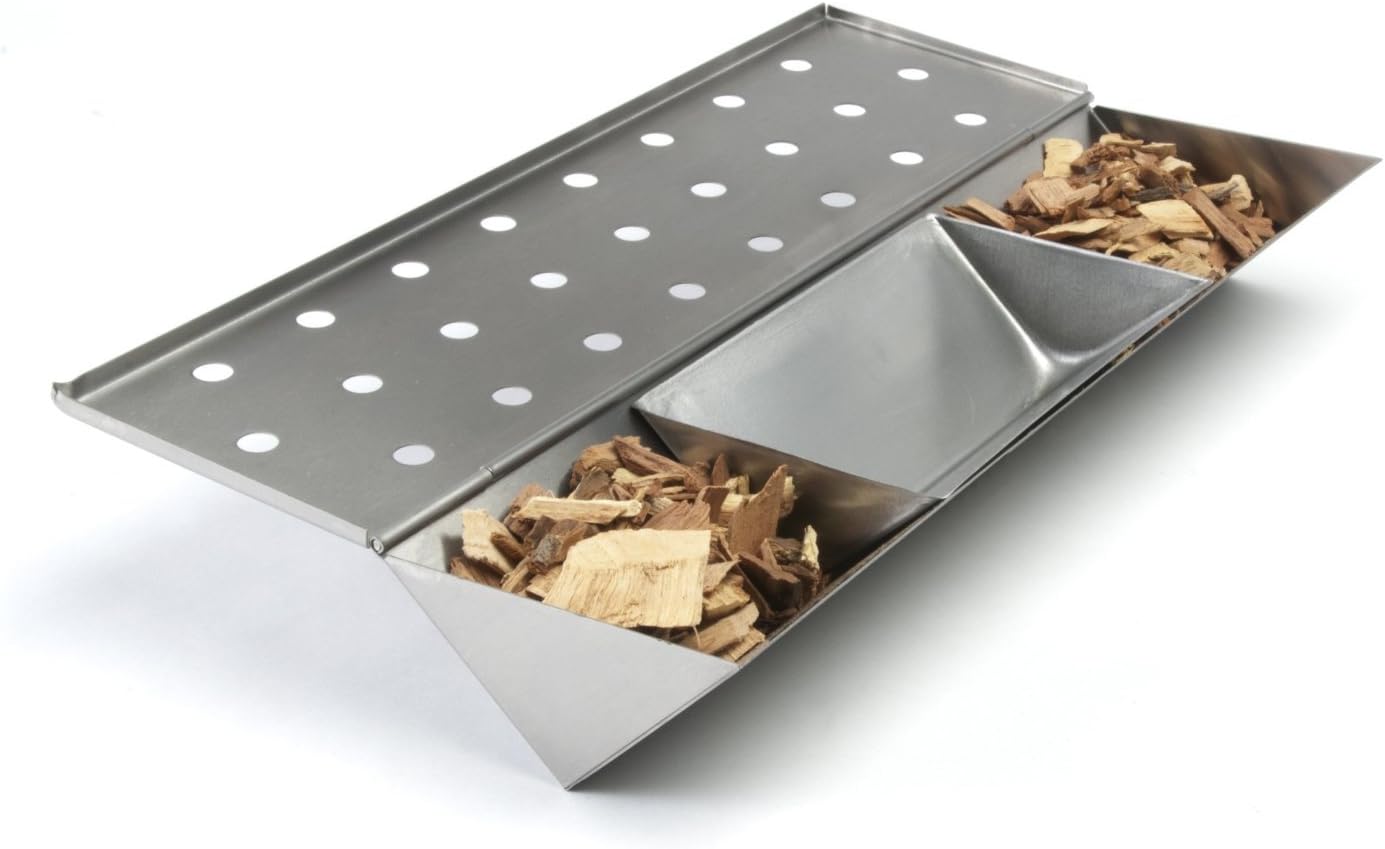
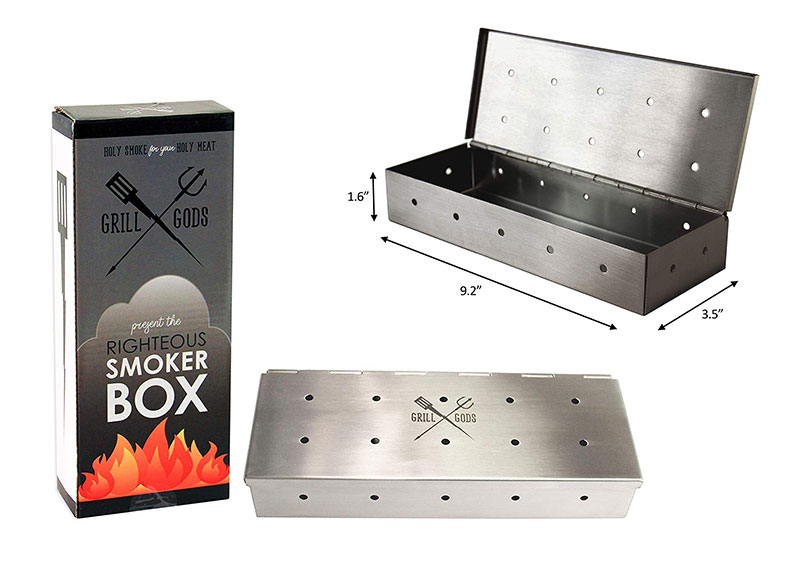
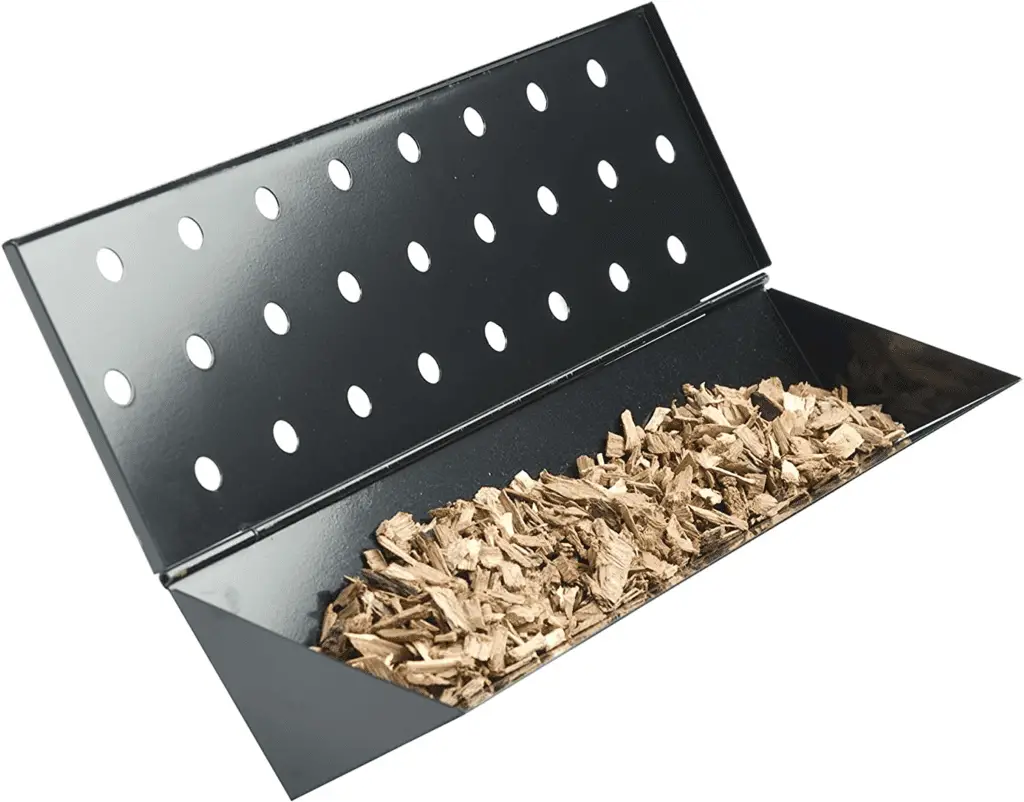
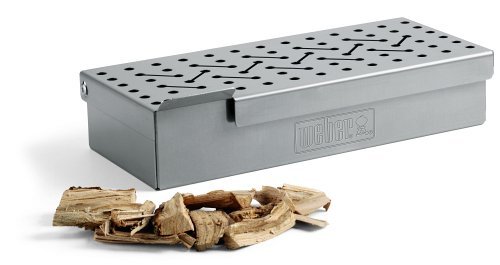
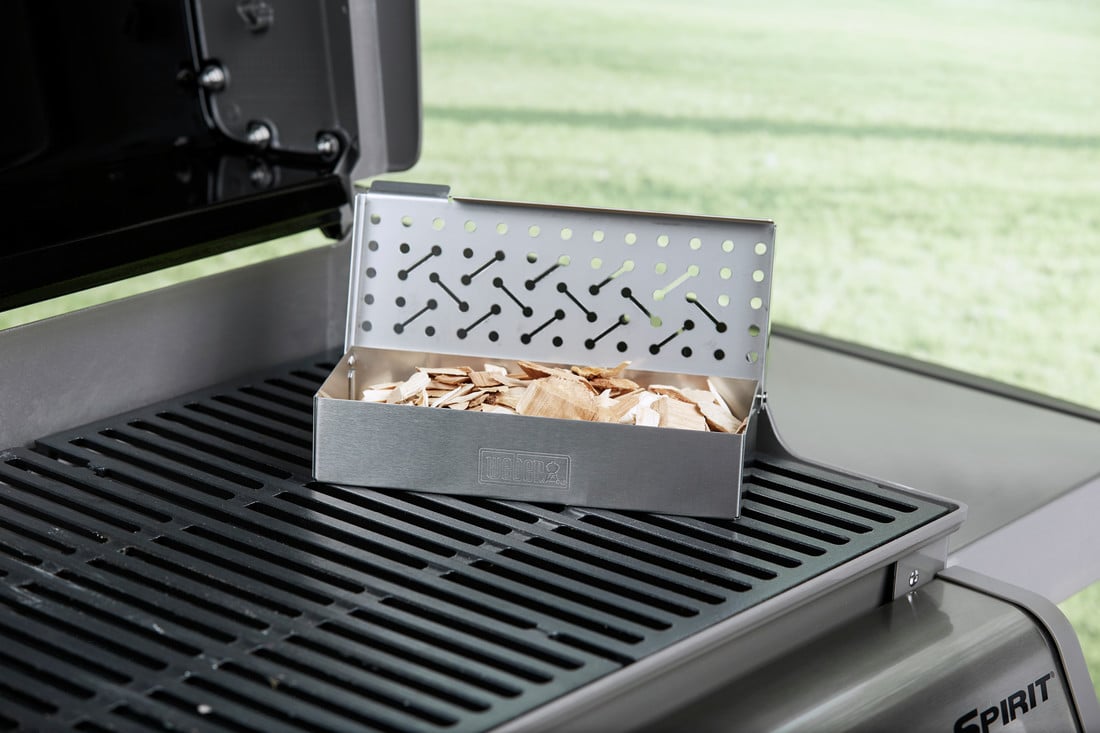
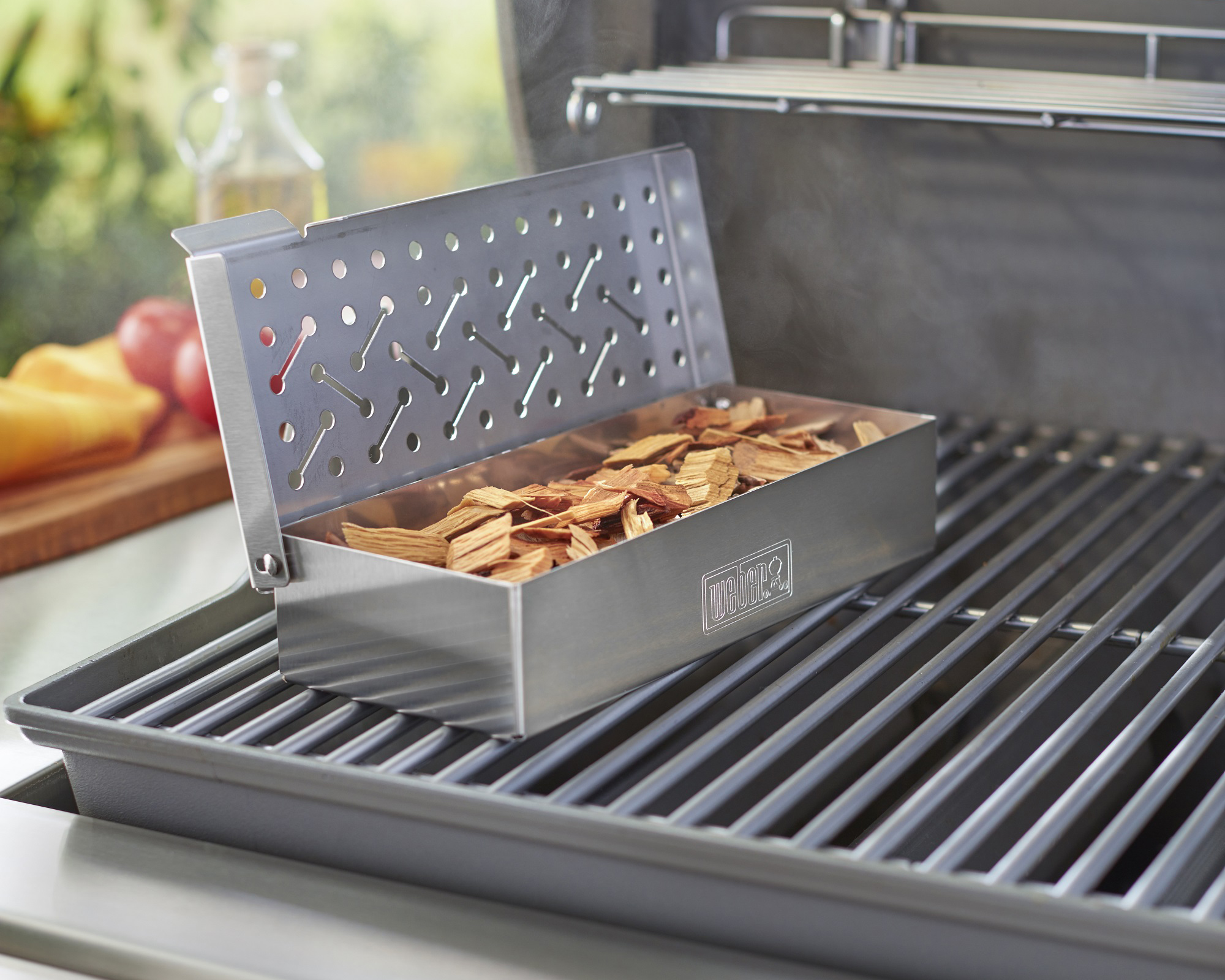
A smoke box for a gas grill is essentially a container designed to hold wood chips, pellets, or chunks. The purpose of the smoke box is to introduce smoke into the grilling environment, imparting a smoky flavor to food cooked on the grill. Unlike charcoal grills that inherently produce smoke from burning charcoal, gas grills rely on the combustion of propane or natural gas, which produces relatively little smoke on its own.
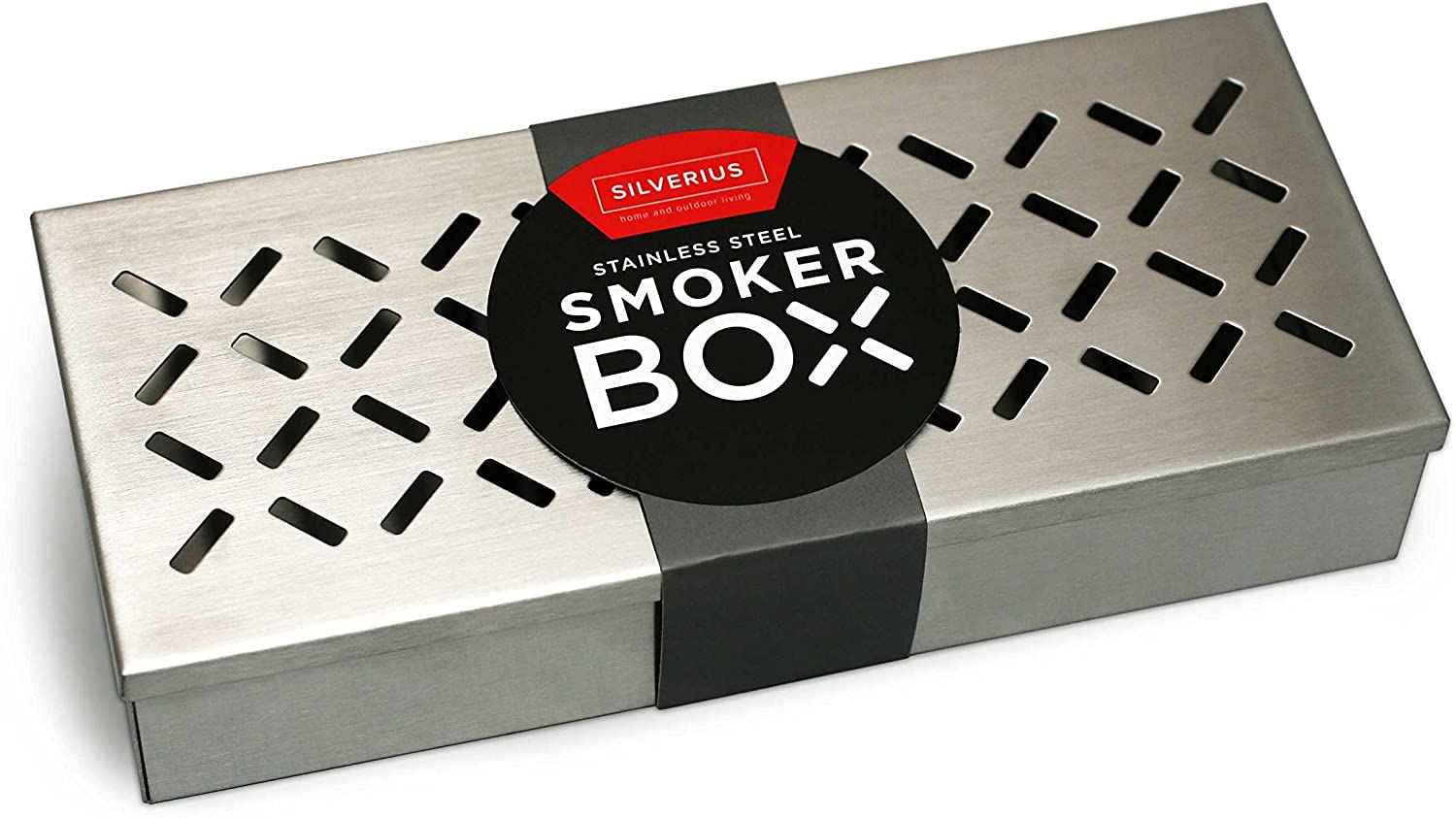
Design and Materials: Smoke boxes are typically made from stainless steel or cast iron due to their durability and heat resistance. Stainless steel offers excellent corrosion resistance, while cast iron provides superior heat retention, which can contribute to more consistent smoke production. The size and shape of the smoke box can vary, but they generally have a perforated design to allow smoke to escape and circulate within the grill.
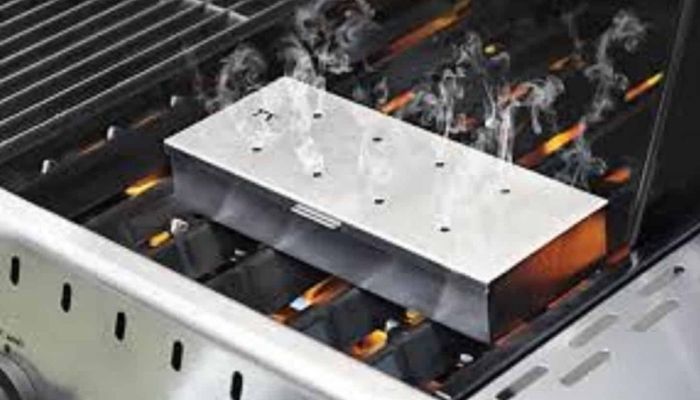
Placement within the Grill: The placement of the smoke box within the gas grill is crucial for optimal performance. Most smoke boxes are designed to sit directly on top of one of the grill's burners or beneath the cooking grates, close to a burner. This proximity to the heat source ensures that the wood chips or pellets inside the box smolder rather than ignite in flames. Some gas grills come with integrated smoke boxes as a standard feature, while others are designed for aftermarket smoke box attachments.
How Smoke Boxes Work: A Combustion Perspective
From an HVAC perspective, the smoke box functions as a miniature combustion chamber. While the primary fuel source for the grill is propane or natural gas, the wood chips or pellets within the smoke box undergo a process of pyrolysis, or incomplete combustion, when heated. This process releases volatile organic compounds (VOCs) that create the characteristic flavors associated with smoked foods. The key is to maintain a smoldering fire, not a raging one. This control, reminiscent of modulating burners in high-efficiency furnaces, affects the final product and the overall efficiency of the process.
Optimizing Smoke Production: Several factors influence the amount and quality of smoke produced by a smoke box:
- Type of Wood: Different types of wood impart distinct flavors. Popular choices include hickory (strong, bacon-like flavor), mesquite (bold, earthy flavor), applewood (sweet, mild flavor), and cherry (fruity, slightly tart flavor). The moisture content of the wood also affects smoke production. Soaking wood chips in water before placing them in the smoke box can help to prolong the smoking process and prevent them from burning too quickly. This is analogous to controlling humidity in a conditioned space.
- Temperature Control: Maintaining a consistent temperature within the grill is essential for achieving optimal smoke production. Lower temperatures (around 225-275°F or 107-135°C) are ideal for smoking, as they allow the wood to smolder slowly and produce a steady stream of smoke. This requires precise control of the grill's burners, similar to how HVAC systems maintain consistent room temperatures using thermostats and variable-speed fans.
- Airflow: Proper airflow is crucial for both combustion and smoke circulation. Ensure that the grill's vents are open to allow for adequate oxygen supply. However, excessive airflow can cause the wood to burn too quickly, resulting in a less desirable flavor. Balancing airflow is key, mirroring the importance of balanced ventilation in a building to prevent drafts and ensure efficient air exchange.
Safety Considerations: Carbon Monoxide Awareness
Anytime you are dealing with combustion, even in a controlled environment like a gas grill with a smoke box, carbon monoxide (CO) becomes a significant safety concern. Carbon monoxide is a colorless, odorless, and poisonous gas produced by the incomplete combustion of fuels. It's critical to operate gas grills with smoke boxes outdoors in well-ventilated areas to prevent CO buildup. Never use a gas grill, including one with a smoke box, indoors, in a garage, or under a covered patio. The potential for CO poisoning is directly analogous to concerns with improperly vented furnaces or water heaters in residential and commercial buildings.
CO Detectors: Installing carbon monoxide detectors in your home is essential for detecting CO leaks. These detectors should be located near sleeping areas and on every level of the house. Regularly test the detectors to ensure they are functioning properly. For facility managers, CO detectors are a mandatory safety component in buildings, especially near fuel-burning appliances. Regular inspection and calibration are crucial.
Symptoms of CO Poisoning: Familiarize yourself with the symptoms of CO poisoning, which include headache, dizziness, nausea, vomiting, shortness of breath, and confusion. If you suspect CO poisoning, immediately move to fresh air and seek medical attention.
Maintenance and Longevity: Extending the Life of Your Smoke Box
Proper maintenance is essential for extending the life of your smoke box and ensuring optimal performance. Here are some maintenance tips:
- Cleaning: After each use, clean the smoke box to remove ash and residue. This will prevent buildup that can affect smoke production and potentially corrode the metal. Regular cleaning ensures efficient heat transfer, much like cleaning the coils of an air conditioner.
- Storage: When not in use, store the smoke box in a dry place to prevent rust and corrosion.
- Inspection: Periodically inspect the smoke box for signs of damage, such as cracks or holes. Replace the smoke box if it is damaged.
The lifespan of a smoke box depends on the material it is made from and how well it is maintained. Stainless steel smoke boxes typically last longer than cast iron smoke boxes, as they are more resistant to corrosion. However, cast iron smoke boxes can provide superior heat retention and more consistent smoke production. Think of this in terms of HVAC equipment: regular preventative maintenance, such as filter changes and coil cleaning, significantly extends the lifespan of a furnace or air conditioner.
Smoke Boxes vs. Other Smoking Methods
Smoke boxes offer a convenient and relatively inexpensive way to add smoky flavor to food cooked on a gas grill. However, they are not the only smoking method available. Other options include:
- Charcoal Grills: Charcoal grills provide an authentic smoky flavor due to the burning charcoal itself. However, they require more effort to start and maintain, and temperature control can be more challenging.
- Smokers: Dedicated smokers are designed specifically for smoking food at low temperatures for extended periods. They offer precise temperature control and can produce exceptional results, but they are typically more expensive than gas grills and smoke boxes.
- Pellet Grills: Pellet grills use wood pellets as fuel and offer a balance of convenience and flavor. They are typically more expensive than gas grills but provide precise temperature control and can produce excellent smoky flavor.
The choice of smoking method depends on your budget, cooking preferences, and desired level of convenience. Smoke boxes are a good option for homeowners who want to add smoky flavor to food cooked on their gas grill without investing in a dedicated smoker or charcoal grill.
Cost Considerations
The cost of a smoke box can range from $20 to $100 or more, depending on the material, size, and brand. Stainless steel smoke boxes are generally more expensive than cast iron smoke boxes. Integrated smoke boxes that come as a standard feature on gas grills are typically included in the overall price of the grill.
Compared to other smoking methods, smoke boxes are relatively inexpensive. Charcoal grills can range from $50 to several hundred dollars, while smokers and pellet grills can cost several hundred to several thousand dollars. Considering the initial investment and ongoing costs of fuel (wood chips or pellets), smoke boxes offer a cost-effective way to enjoy smoked food.
Conclusion: Integrating HVAC Principles into Outdoor Cooking
While seemingly disparate, the operation of a smoke box for a gas grill highlights key principles shared with HVAC systems: controlled combustion, temperature regulation, airflow management, and safety considerations. By understanding these principles, homeowners, HVAC technicians, and facility managers can appreciate the importance of proper design, maintenance, and safe operation of combustion-based appliances, whether they are heating a home or smoking a brisket. The attention to detail required for efficient and safe operation of a smoke box underscores the broader importance of these principles in ensuring the comfort, safety, and efficiency of our indoor and outdoor environments. This knowledge translates directly to better troubleshooting, maintenance, and overall understanding of complex HVAC systems.