Smoke Won T Go Up Chimney

A fireplace is a wonderful addition to any home, providing warmth and ambiance. However, a fireplace that isn't drafting properly, resulting in smoke billowing into the room instead of going up the chimney, can be a frustrating and potentially dangerous problem. This article will explore the common causes of this issue and provide practical solutions for homeowners, HVAC technicians, and facility managers.
Understanding Chimney Draft and its Importance
The chimney draft, also known as stack effect, is the movement of air from the fireplace up and out of the chimney. This natural ventilation process relies on the principle that warm air rises. When a fire is lit, the heated air inside the chimney becomes less dense than the cooler air outside. This difference in density creates a pressure differential, causing the warmer air and smoke to be drawn upwards.
A properly functioning draft is crucial for several reasons:
- Safety: It prevents dangerous carbon monoxide (CO) from entering the living space. CO is a colorless, odorless gas produced by incomplete combustion and can be deadly.
- Efficiency: A good draft ensures efficient burning of fuel (wood, gas, or propane), maximizing heat output and minimizing fuel consumption.
- Cleanliness: It prevents smoke stains on walls and ceilings and reduces the buildup of creosote, a flammable byproduct of burning wood, inside the chimney.
Common Causes of Smoke Not Going Up the Chimney
Several factors can disrupt the chimney draft, leading to smoke problems. Let's examine the most frequent culprits:
1. Cold Chimney
A cold chimney is one of the most common reasons for backdrafting, especially when the outside temperature is significantly lower than the inside temperature. The cold air inside the chimney is denser and heavier than the warm air rising from the fire, preventing the natural draft from establishing itself. Think of it as trying to push something heavy uphill – it takes effort to overcome the initial resistance.
Solution: Prime the chimney. This involves warming the air inside the chimney before lighting the fire. You can do this by:
- Holding a lit torch or rolled-up newspaper at the top of the fireplace opening for a few minutes. Be careful not to ignite anything outside the fireplace.
- Using a small propane torch specifically designed for priming chimneys.
- Opening a small window near the fireplace to equalize pressure.
2. Blocked Chimney
Obstructions inside the chimney, such as bird nests, animal debris, leaves, or creosote buildup, can significantly restrict airflow and prevent smoke from escaping. Even a partially blocked chimney can disrupt the draft.
Solution: Have the chimney professionally inspected and cleaned annually by a certified chimney sweep. A professional cleaning will remove any obstructions and creosote buildup, ensuring proper airflow.
3. Downdrafts
Downdrafts occur when wind blows down the chimney, pushing smoke back into the house. This is more common in homes located in windy areas or near tall trees or buildings that can deflect wind downwards.
Solution:
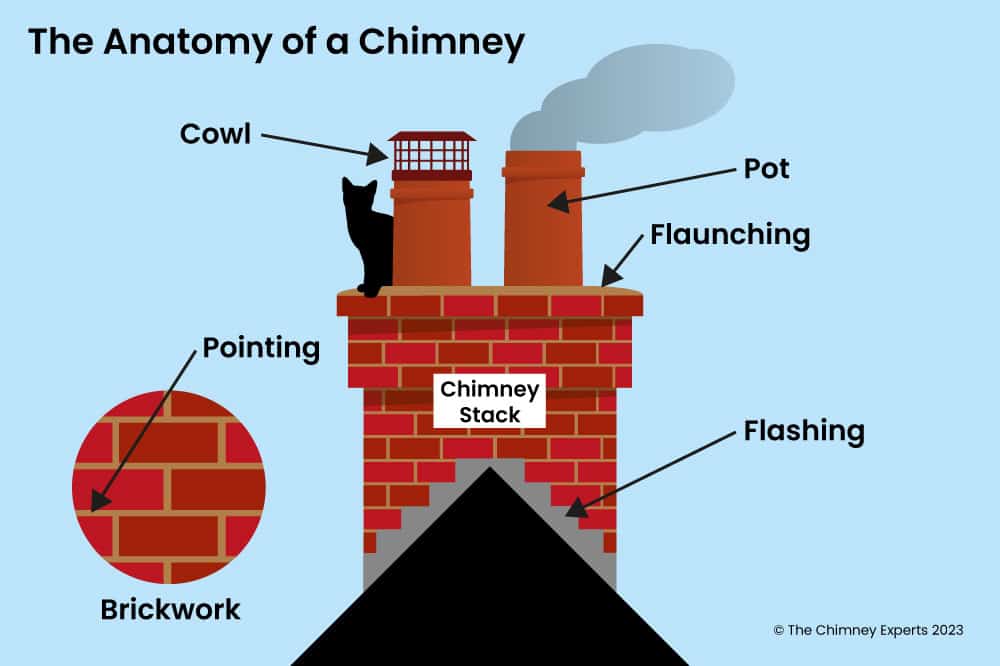
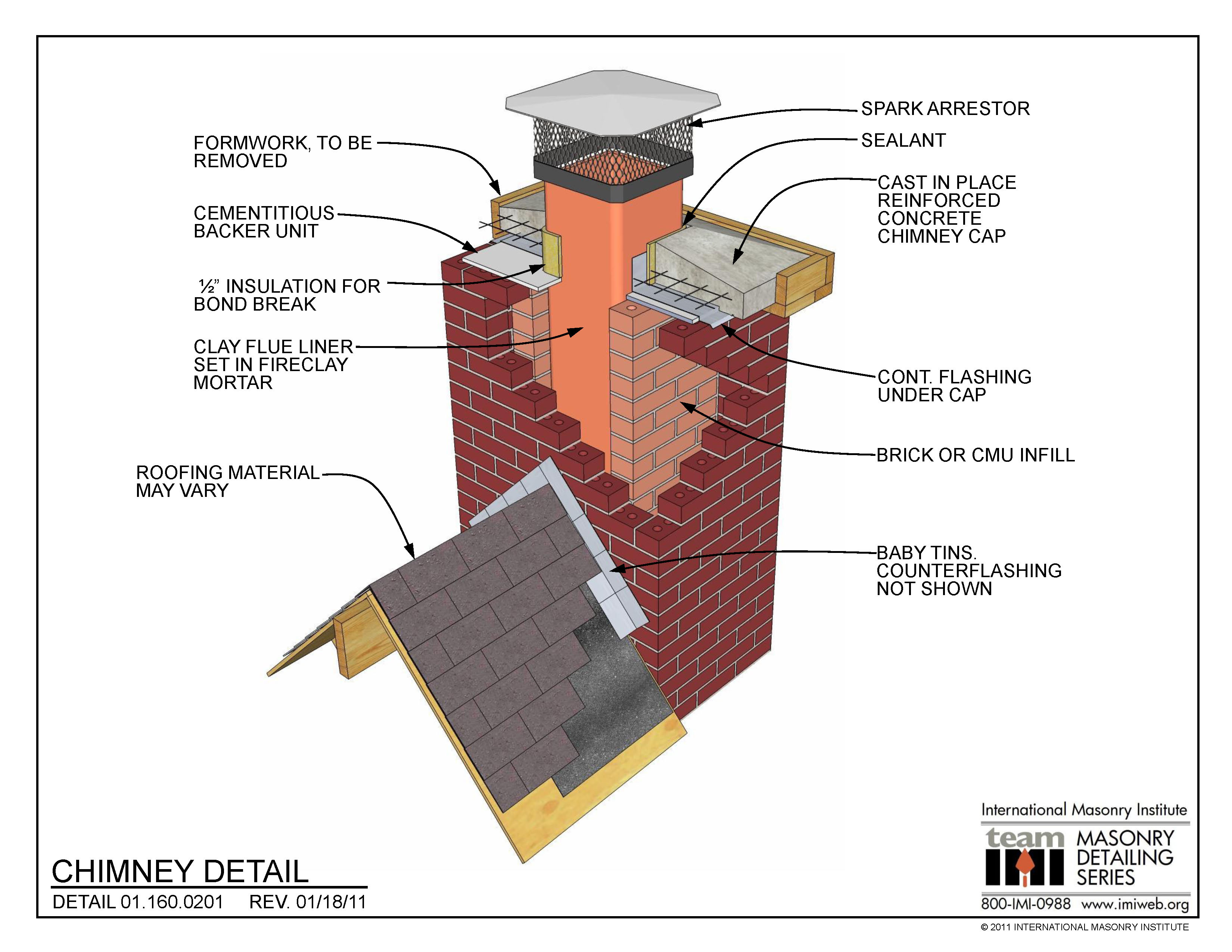
- Install a chimney cap: A chimney cap with a mesh screen prevents rain, snow, and debris from entering the chimney while also deflecting wind.
- Install a draft inducer: A draft inducer is a small fan installed at the top of the chimney that mechanically pulls air upwards, creating a consistent draft regardless of wind conditions. This is a more expensive solution but can be very effective.
4. Negative Air Pressure in the House
Modern, tightly sealed homes can create negative air pressure when exhaust fans (kitchen, bathroom), clothes dryers, or central vacuum systems are running. These appliances exhaust air from the house, creating a vacuum that can pull air down the chimney to equalize the pressure.
Solution:
- Open a window: Opening a window near the fireplace while using exhaust fans can equalize the pressure and prevent backdrafting.
- Install a make-up air kit: A make-up air kit provides a dedicated source of fresh air to the house, compensating for the air exhausted by appliances.
- Run the HVAC fan: Setting your HVAC system fan to the "on" position, rather than "auto", will circulate air throughout the house and help equalize pressure.
5. Incorrect Chimney Height or Diameter
The height and diameter of the chimney are crucial for proper draft. A chimney that is too short or too narrow may not generate enough draft to overcome resistance and effectively exhaust smoke. Building codes specify minimum chimney height requirements based on the roof slope and nearby obstructions.
Solution: Consult with a qualified HVAC technician or chimney expert to assess the chimney's dimensions and determine if it meets the necessary requirements. Extending the chimney or modifying its diameter may be necessary, but this is a complex and potentially expensive undertaking.
6. Fireplace Design and Operation
The design of the fireplace itself can also affect draft. Fireplaces with overly large openings or inadequate damper seals can leak air and reduce draft efficiency. Improper operation, such as using excessively wet wood or not providing enough air to the fire, can also contribute to smoke problems.
Solution:
- Ensure a tight damper seal: Replace worn or damaged damper seals to prevent air leakage.
- Use seasoned firewood: Seasoned firewood has a moisture content of 20% or less and burns cleaner and more efficiently.
- Provide adequate air: Ensure that the fire receives sufficient air by adjusting the damper or opening the fireplace screen slightly. Avoid overfilling the fireplace with wood.
- Consider a fireplace insert: A fireplace insert is a sealed unit that fits inside an existing fireplace opening and provides more efficient and controlled burning. Inserts often have built-in fans to improve heat circulation and draft.
Cost Considerations
Addressing chimney draft issues can involve a range of costs, depending on the severity of the problem and the chosen solution:
- Chimney cleaning: $150 - $300 (annual maintenance)
- Chimney cap installation: $100 - $500
- Draft inducer installation: $500 - $1500 (including installation)
- Make-up air kit installation: $300 - $800 (including installation)
- Fireplace insert installation: $2000 - $5000 (including the insert itself and installation)
Safety Precautions
When dealing with fireplaces and chimneys, safety is paramount. Always take the following precautions:
- Install and maintain working carbon monoxide detectors in your home.
- Never leave a fire unattended.
- Dispose of ashes properly in a metal container away from flammable materials.
- Have your chimney inspected and cleaned annually by a qualified professional.
Conclusion
A fireplace that doesn't draft properly can be a nuisance and a safety hazard. By understanding the common causes of smoke problems and implementing the appropriate solutions, homeowners, HVAC technicians, and facility managers can ensure a safe and enjoyable fireplace experience. Regular maintenance, proper operation, and addressing underlying issues promptly are key to keeping the smoke where it belongs – up the chimney. Remember to always prioritize safety and consult with qualified professionals when necessary. Considering alternatives like high-efficiency gas fireplaces or electric fireplaces might be beneficial if draft issues persist despite best efforts, offering convenience and reduced maintenance. Furthermore, understanding the AFUE (Annual Fuel Utilization Efficiency) rating of different heating appliances helps in making informed decisions about energy efficiency. Remember, addressing these issues not only improves your comfort but also contributes to a safer and healthier living environment.

:max_bytes(150000):strip_icc()/house-roof---chimney-1144802263-fab8d416c41e4beaa61947e48efe00e7.jpg)