Soil Vent Pipe Height Above Roof
The plumbing system in any building is a complex network designed to safely remove waste and wastewater. An essential, often overlooked, component of this system is the soil vent pipe (SVP). The height of a soil vent pipe above the roof is not arbitrary; it’s a crucial aspect dictated by building codes and designed to ensure proper ventilation, prevent sewer gases from entering the building, and maintain a healthy indoor environment. This article will delve into the requirements, considerations, and best practices related to SVP height, offering valuable insights for HVAC students, technicians, and employers alike.
Understanding the Role of a Soil Vent Pipe
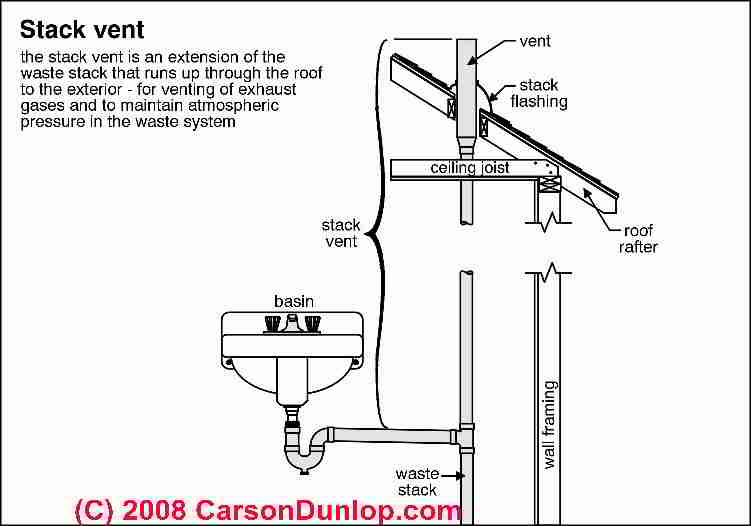
Before discussing height specifics, it's vital to understand the function of a soil vent pipe. The SVP, also called a vent stack, extends from the drainage system through the roof. Its primary purpose is to:
- Vent Sewer Gases: Allow noxious and potentially dangerous sewer gases, such as methane and hydrogen sulfide, to escape harmlessly into the atmosphere.
- Provide Airflow: Facilitate airflow within the drainage system, preventing vacuums that could siphon water from fixture traps (like toilet bowls), leading to sewer gas entering the building.
- Prevent Pressure Buildup: Equalize pressure within the drainage system, ensuring efficient wastewater flow.
Improperly installed or maintained SVPs can lead to unpleasant odors, health hazards, and compromised drainage systems. This is why code compliance and proper installation are paramount.
Code Requirements for Soil Vent Pipe Height
Building codes, often based on the Uniform Plumbing Code (UPC) or the International Plumbing Code (IPC), specify the minimum height requirements for soil vent pipes. While specific regulations may vary depending on your location and local amendments, some general rules apply:
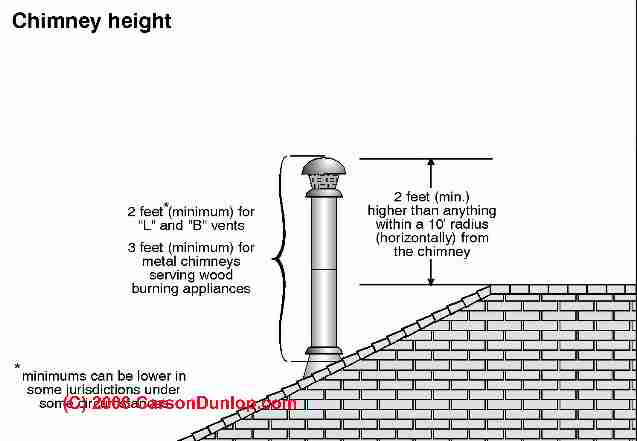
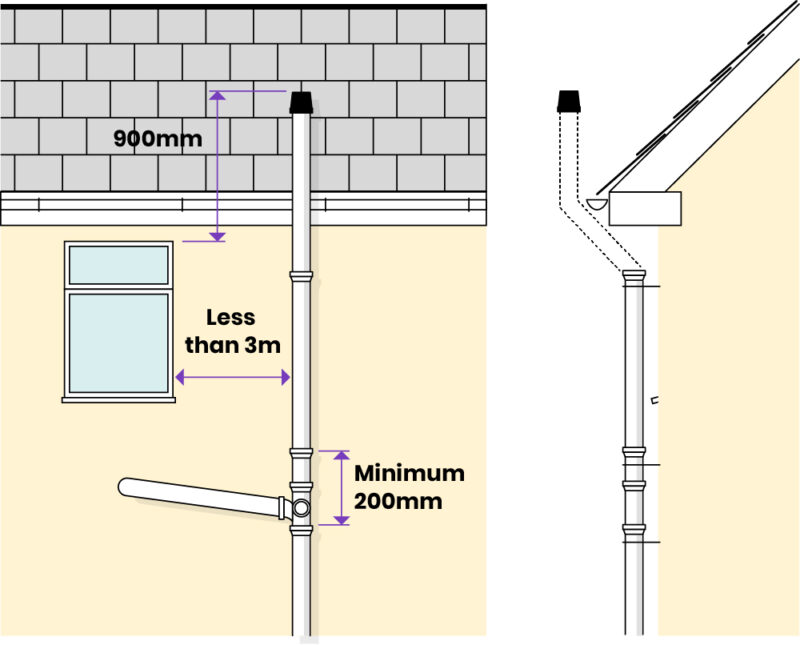
- Minimum Height Above Roof: Typically, the SVP must extend at least 12 inches (305 mm) above the roof's surface. This helps prevent snow accumulation from blocking the vent and ensures adequate ventilation.
- Proximity to Walkways and Windows: The vent must terminate a certain distance away from any windows, doors, air intakes, or walkways. The UPC generally mandates a minimum of 10 feet (3 meters) horizontally from any opening into the building, including windows, doors, or air intakes. The IPC, on the other hand, usually requires 4 feet. These distances are critical to prevent sewer gases from entering the building and affecting indoor air quality.
- Roof Design and Snowfall: In regions with heavy snowfall, the vent pipe should extend higher to prevent blockage by accumulated snow. Consider the anticipated snow accumulation based on historical data for the area. In these areas, extending the vent higher than the minimum 12 inches is a best practice.
- Roof Access and Maintenance: The location of the vent should allow for easy access for inspection and maintenance. Avoid placing vents in difficult-to-reach areas.
It is crucial to consult local building codes and plumbing inspectors to ensure compliance. These codes are not suggestions; they are legally binding requirements intended to protect public health and safety. Failure to comply can result in fines, project delays, and potential liability.
Factors Influencing SVP Height Decisions
Beyond the minimum code requirements, several factors influence the optimal height of a soil vent pipe:
- Roof Pitch: The roof's pitch (slope) affects the vent's effective height. On steeper roofs, the horizontal distance to windows and walkways may be shorter than on flatter roofs for the same vertical height.
- Local Climate: As mentioned previously, snow accumulation is a significant factor in colder climates. In areas prone to high winds, consider using a vent cap designed to prevent downdrafts.
- Building Height: Taller buildings may require larger diameter vent pipes or additional vents to ensure adequate ventilation.
- Aesthetic Considerations: While functionality is paramount, aesthetics can also play a role. Consider the visual impact of the vent on the building's appearance, especially in residential settings.
Career Opportunities in Plumbing and HVAC
Understanding soil vent pipe requirements is just one aspect of a successful career in plumbing and HVAC. The demand for skilled tradespeople in these fields remains strong. According to the Bureau of Labor Statistics, the job outlook for plumbers, pipefitters, and steamfitters is projected to grow 4% from 2022 to 2032, about as fast as the average for all occupations. This translates to roughly 16,000 new openings each year, on average, over the decade.
The median annual wage for plumbers, pipefitters, and steamfitters was $65,810 in May 2023. The highest 10 percent earned more than $105,750.
Several career paths are available in this field, including:
- Plumber: Install and repair water and drainage systems in residential, commercial, and industrial buildings.
- HVAC Technician: Install, maintain, and repair heating, ventilation, and air conditioning systems.
- Pipefitter: Install and maintain piping systems for various applications, including heating, cooling, and industrial processes.
- Steamfitter: Specialize in installing and maintaining steam and hot water heating systems.
Certifications and Training
Earning industry-recognized certifications can significantly enhance career prospects and earning potential. Some popular certifications include:
- NATE (North American Technician Excellence): Demonstrates competency in HVAC installation, maintenance, and service.
- EPA Section 608 Certification: Required for technicians who handle refrigerants.
- PHCC (Plumbing-Heating-Cooling Contractors Association): Offers training and certification programs for plumbers and HVAC technicians.
- State and Local Licensing: Many states and localities require plumbers and HVAC technicians to be licensed. Licensing requirements vary by jurisdiction.
Formal apprenticeship programs, often offered through unions or trade schools, provide comprehensive training and hands-on experience. These programs typically last 4-5 years and combine classroom instruction with on-the-job training.
Example Career Path: A student might start with a vocational program in high school, followed by an apprenticeship with a local plumbing company. After completing the apprenticeship, they could obtain their journeyman plumber's license and eventually become a master plumber or start their own business.
The Employer's Perspective: Hiring and Training Skilled Workers
For employers in the plumbing and HVAC industries, finding and retaining skilled workers is a constant challenge. Investing in training and development programs is crucial to building a qualified workforce.
Key strategies for employers include:
- Offering Competitive Wages and Benefits: Attract and retain top talent by providing competitive compensation packages.
- Providing Ongoing Training: Keep employees up-to-date with the latest technologies and code requirements.
- Supporting Certification Efforts: Encourage employees to pursue industry certifications by providing financial assistance and study time.
- Partnering with Trade Schools and Apprenticeship Programs: Build relationships with educational institutions to recruit promising students.
- Creating a Positive Work Environment: Foster a culture of teamwork, respect, and continuous improvement.
By prioritizing employee development, employers can ensure they have a skilled and motivated workforce capable of meeting the evolving demands of the plumbing and HVAC industries.
Conclusion
The seemingly simple detail of soil vent pipe height above the roof is a critical component of a building's plumbing system. Adherence to code requirements, consideration of local climate factors, and a commitment to proper installation and maintenance are essential for ensuring safe and efficient operation. For individuals pursuing careers in plumbing and HVAC, a thorough understanding of SVP requirements is a valuable asset. For employers, investing in training and development is key to building a skilled workforce that can meet the challenges of this dynamic industry.