Sound Of A Carbon Monoxide Detector
Decoding the Alarms: Understanding the Sound of Your Carbon Monoxide Detector
Carbon monoxide (CO) detectors are vital safety devices in homes and commercial buildings. While often overlooked, knowing the specific sound your CO detector makes, and understanding what it signifies, can literally be a matter of life and death. For HVAC professionals, understanding these sounds, and educating clients, is an integral part of the job. This article provides a comprehensive overview of CO detector sounds, what they mean, and the broader implications for HVAC careers and the industry.
The Sound of Safety: Recognizing a CO Alarm
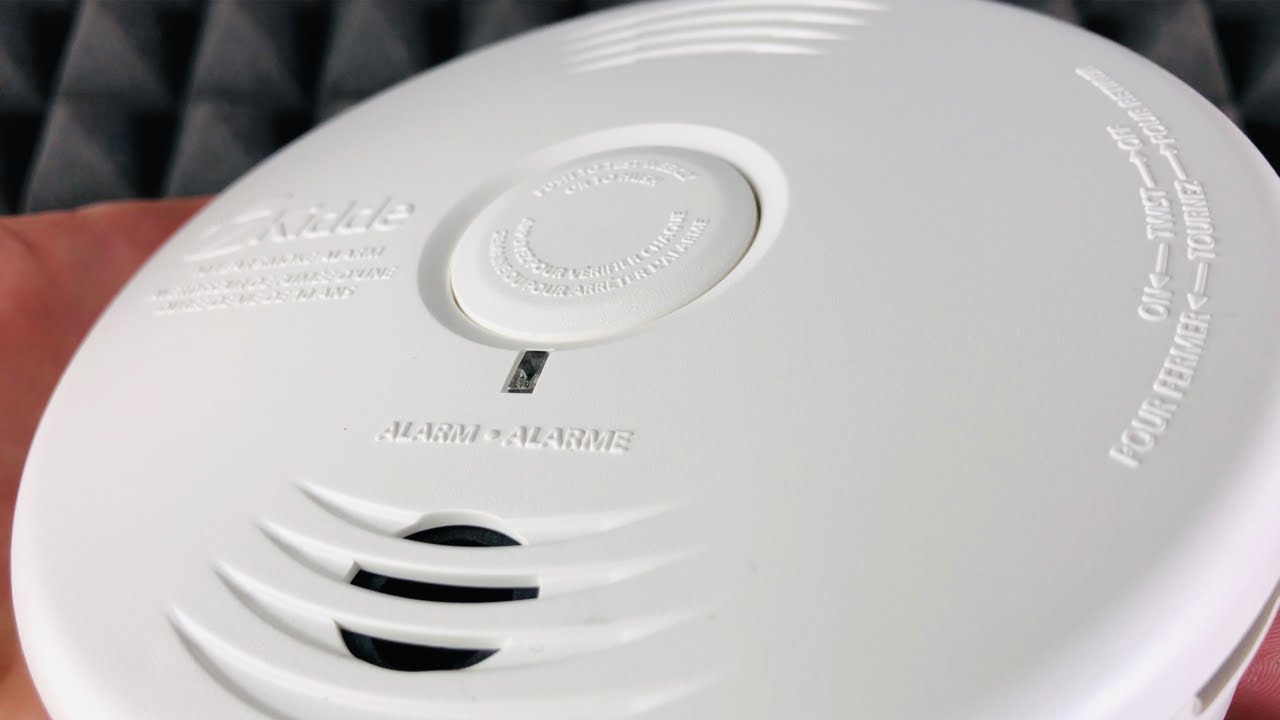
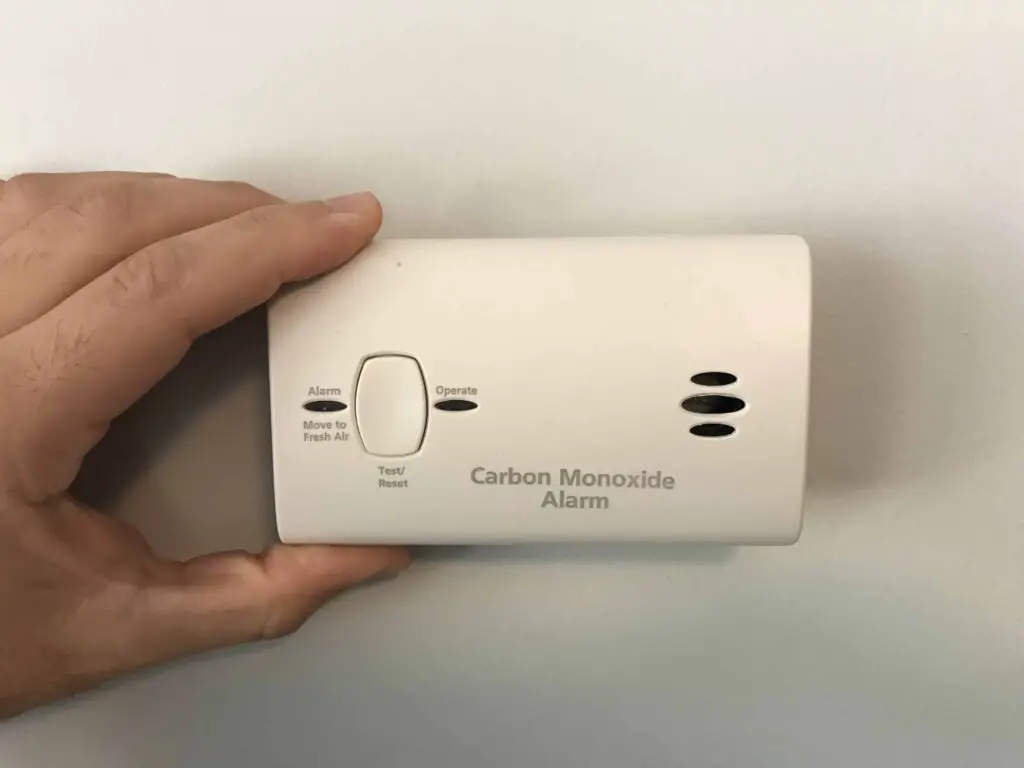
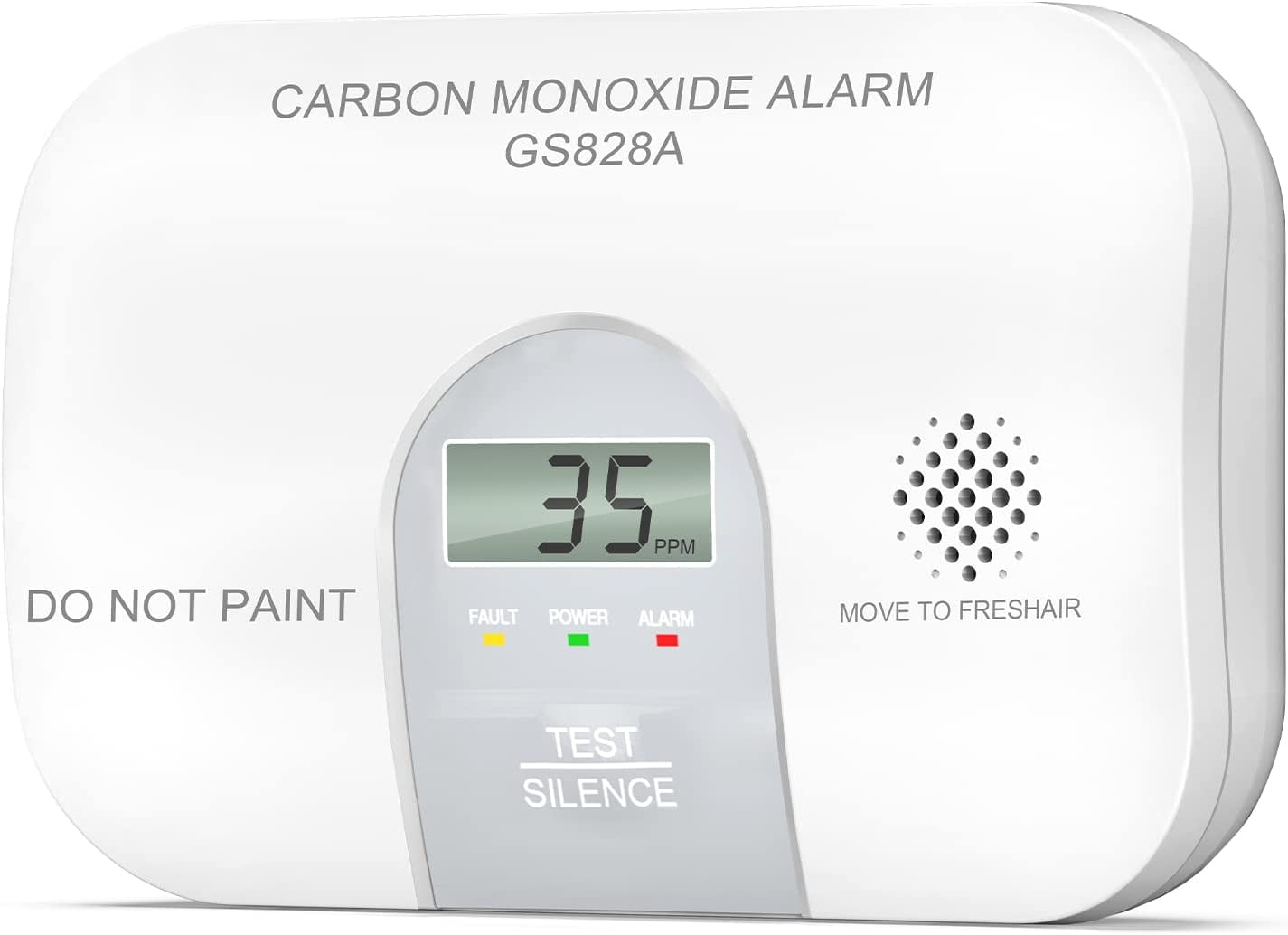
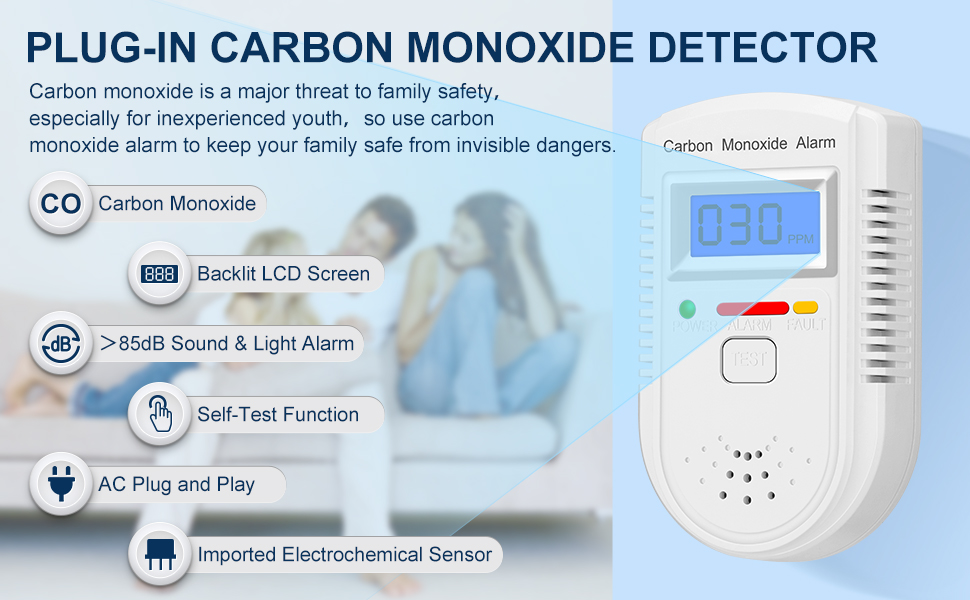
The standard alarm for carbon monoxide detection is a series of four short beeps, followed by silence, and then repeated. This pattern is almost universally adopted by manufacturers and is designed to be easily distinguishable from other household alarms, such as smoke detectors which typically emit a continuous, wailing sound or a series of three long beeps.
Important Note: Always refer to your specific CO detector's manual. While the four-beep pattern is standard, variations may exist. Some detectors also include a voice alarm that clearly states "Carbon Monoxide."
What to Do When You Hear the Alarm:
- Immediate Action: Evacuate everyone from the building immediately. Do not attempt to find the source of the CO.
- Call for Help: Once outside, call 911 or your local fire department. Do not re-enter the building until it is deemed safe by professionals.
- Medical Attention: Seek medical attention for anyone experiencing symptoms of CO poisoning, such as headache, dizziness, weakness, nausea, vomiting, chest pain, and confusion.
Beyond the Alarm: Trouble Signals and Maintenance Beeps
CO detectors don’t just sound when CO is present. They also emit different signals to indicate low battery, sensor malfunction, or end-of-life. These sounds are often characterized by single chirps or beeps, typically occurring at regular intervals (e.g., once a minute).
- Low Battery: Usually a single chirp every minute. Replace the batteries immediately. Many detectors use 9V batteries, while others might use AA or lithium batteries.
- Malfunction/End-of-Life: The detector might emit a continuous, rapid chirping or a combination of beeps and chirps. This often indicates a sensor failure or that the detector has reached its expiration date (typically 5-10 years). Replace the detector immediately.
Regular maintenance is crucial. Test your CO detector monthly by pressing the "Test" button. This will simulate a CO event and confirm that the alarm is functioning correctly. Replace batteries annually, even if the low-battery indicator hasn't activated. Consider replacing the entire unit every 5-10 years, or as recommended by the manufacturer.
The HVAC Professional's Role in CO Safety
HVAC technicians are on the front lines of preventing CO poisoning. During routine maintenance and service calls, they should inspect fuel-burning appliances, such as furnaces, water heaters, and gas stoves, for proper ventilation and combustion. Identifying and addressing potential CO sources is a critical service that protects families and saves lives.
CO Detection and HVAC Systems:
- Combustion Analysis: Technicians use combustion analyzers to measure the efficiency of fuel-burning appliances and identify incomplete combustion, a primary source of CO.
- Ventilation Systems: Ensuring proper ventilation is crucial. Blocked chimneys, faulty vents, and inadequate airflow can all lead to CO buildup.
- Heat Exchanger Inspection: A cracked heat exchanger in a furnace can leak CO into the living space. Technicians are trained to identify these cracks and recommend repairs or replacement.
Career Paths and Opportunities in HVAC
The HVAC industry is experiencing strong growth, driven by increasing demand for energy-efficient systems, stricter environmental regulations, and a growing awareness of indoor air quality. According to the Bureau of Labor Statistics, the job outlook for HVACR mechanics and installers is projected to grow 6 percent from 2022 to 2032, about as fast as the average for all occupations. Approximately 41,500 openings for HVACR mechanics and installers are projected each year, on average, over the decade.
The median annual wage for HVACR mechanics and installers was $59,690 in May 2023. The best-paid 10 percent earned more than $85,850.
Key Career Paths:
- HVAC Technician/Installer: Installs, maintains, and repairs HVAC systems in residential and commercial buildings.
- HVAC Service Technician: Specializes in troubleshooting and repairing HVAC systems. Requires strong diagnostic skills.
- HVAC Design Engineer: Designs HVAC systems for new construction and renovation projects. Requires a bachelor's degree in mechanical engineering.
- HVAC Sales Engineer: Sells HVAC equipment and services to businesses and homeowners. Requires strong technical and sales skills.
- HVAC Project Manager: Manages HVAC installation and renovation projects. Requires strong organizational and communication skills.
Certifications and Training: Boosting Your HVAC Career
Certifications demonstrate competency and can significantly enhance career prospects and earning potential. Here are some key certifications for HVAC professionals:
- NATE (North American Technician Excellence): NATE certification is widely recognized as a mark of excellence in the HVAC industry. It demonstrates that a technician has the knowledge and skills to properly install, maintain, and repair HVAC systems. NATE-certified technicians often command higher salaries and are more sought after by employers.
- EPA Section 608 Certification: Required by the EPA for technicians who handle refrigerants. This certification ensures that technicians understand the proper handling and disposal of refrigerants to protect the environment.
- HVAC Excellence: Another respected certification organization that offers a range of certifications for HVAC professionals.
- State and Local Licensing: Many states and localities require HVAC technicians to be licensed. Licensing requirements vary by location, so it's important to check with your local authorities.
Beyond certifications, continuous training is essential to stay up-to-date with the latest technologies and industry best practices. Many HVAC manufacturers offer training programs on their equipment, and trade schools and community colleges offer courses on HVAC systems and technology.
Real-World Examples: HVAC Career Trajectories
Example 1: Apprentice to Master Technician
Sarah started her HVAC career as an apprentice, working alongside experienced technicians. She completed a four-year apprenticeship program, earning her journeyman license. She then pursued NATE certification to demonstrate her expertise. Through hard work and continuous learning, Sarah progressed to become a master technician, specializing in complex troubleshooting and system design.
Example 2: Technician to Business Owner
David worked as an HVAC technician for several years, gaining valuable experience in installation, maintenance, and repair. He then decided to start his own HVAC business. He obtained the necessary licenses and certifications, and built a successful company by providing high-quality service and building strong relationships with his clients.
The Future of HVAC: Trends and Innovations
The HVAC industry is constantly evolving, driven by technological advancements and changing consumer demands. Some key trends shaping the future of HVAC include:
- Smart HVAC Systems: Smart thermostats, zoning systems, and remote monitoring are becoming increasingly popular. These systems offer greater energy efficiency, comfort, and control.
- Energy Efficiency: Consumers are demanding more energy-efficient HVAC systems to reduce their energy bills and environmental impact. High-efficiency furnaces, air conditioners, and heat pumps are becoming the norm.
- Indoor Air Quality (IAQ): Concerns about IAQ are growing, driven by factors such as allergies, asthma, and the spread of airborne illnesses. HVAC systems with advanced filtration and air purification technologies are becoming more prevalent.
- Refrigerant Regulations: The HVAC industry is transitioning to more environmentally friendly refrigerants with lower global warming potential. Technicians need to be trained on the proper handling and disposal of these new refrigerants.
For employers, investing in training and development for their employees is crucial to stay competitive and meet the changing demands of the HVAC industry. Hiring NATE-certified technicians, and providing opportunities for continuous learning, can help attract and retain top talent.
Conclusion
Understanding the sounds of your carbon monoxide detector is a critical life-saving skill. For HVAC professionals, it's an essential part of ensuring the safety and well-being of their clients. By staying informed about CO safety, pursuing relevant certifications, and keeping up-to-date with industry trends, HVAC professionals can build successful and rewarding careers while making a positive impact on their communities. The demand for skilled HVAC technicians remains strong, offering excellent career opportunities for those who are committed to excellence and continuous learning.