Specific Weight Of Air In Lb/ft3

Understanding Air Density: Why Specific Weight Matters for HVAC Efficiency
When selecting a new heating, ventilation, and air conditioning (HVAC) system, most homeowners and even some contractors focus on headline figures like AFUE, SEER, and HSPF. However, a more fundamental property of air – its density, often expressed as specific weight (lb/ft3) – plays a crucial role in how efficiently your HVAC system operates. While you won't directly see this spec on a unit, understanding its influence will help you appreciate the bigger picture of system design and performance.
What is Specific Weight of Air?
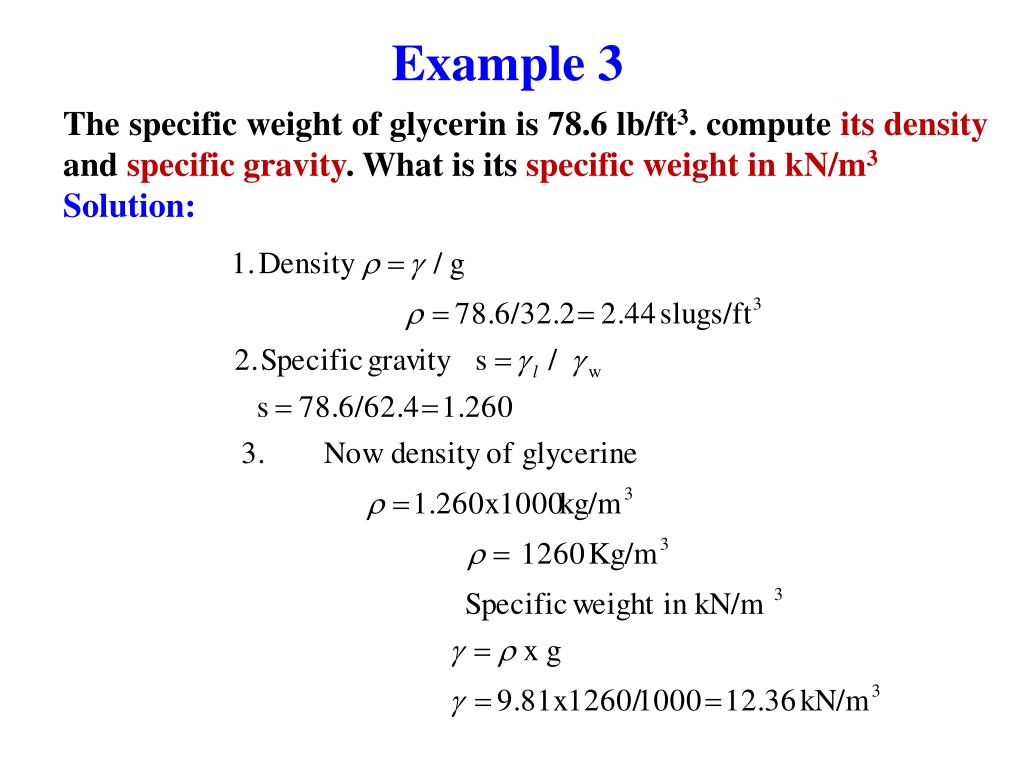
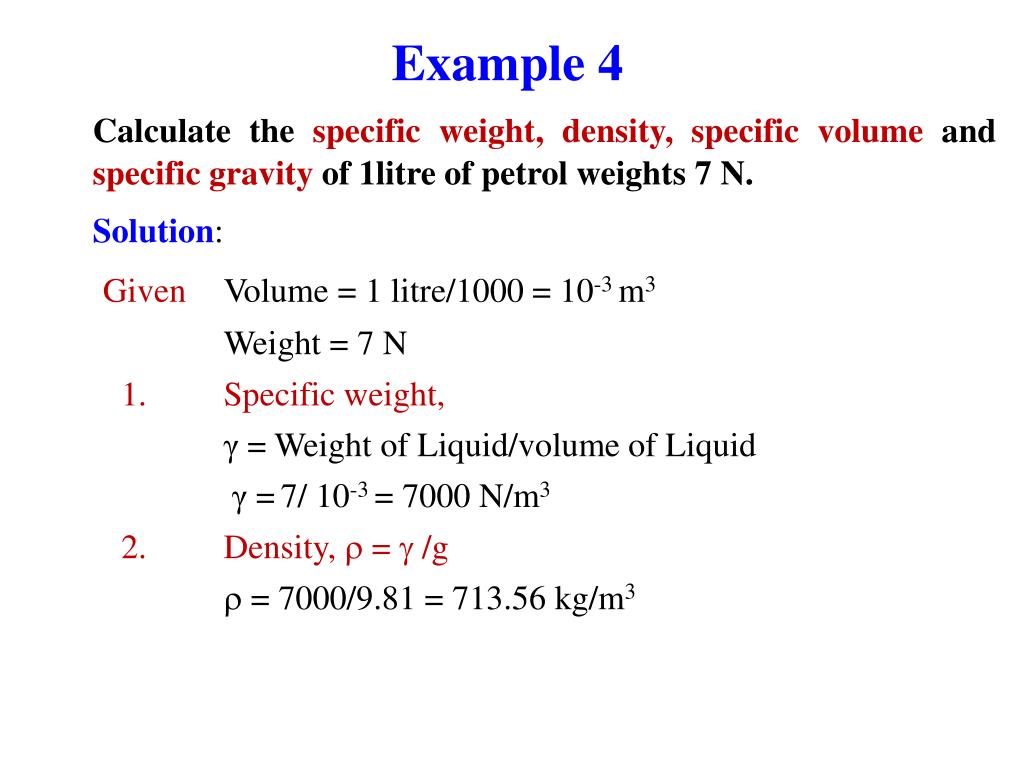
Specific weight, also known as unit weight, is the weight of a substance per unit volume. For air, it's typically measured in pounds per cubic foot (lb/ft3) or Newtons per cubic meter (N/m3). Specific weight differs from density because it incorporates the force of gravity acting on the air mass. Therefore, specific weight is density multiplied by the acceleration due to gravity.
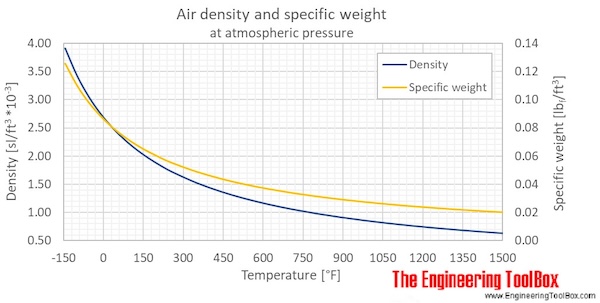
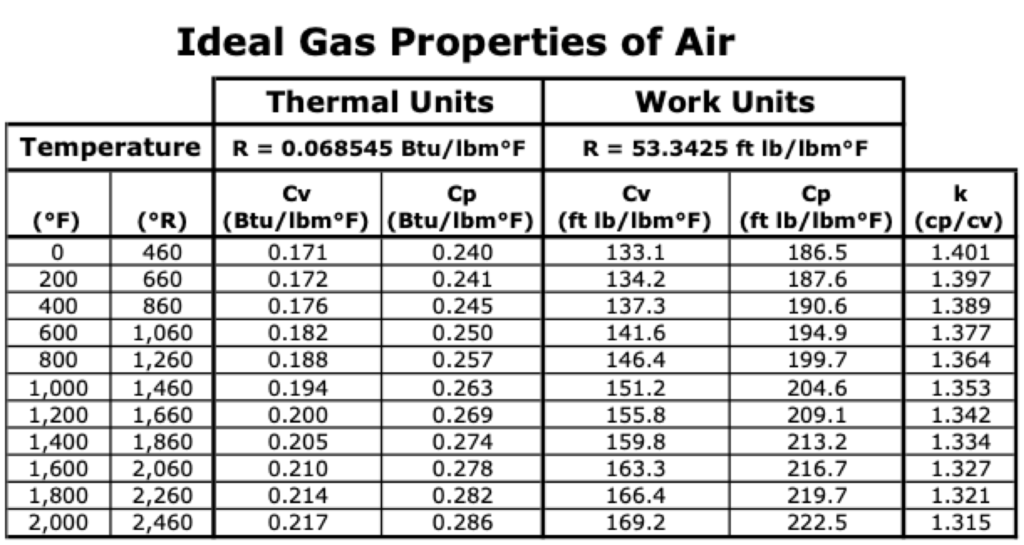
The specific weight of air isn't constant. It changes with temperature, pressure, and humidity. As temperature increases, air expands, becoming less dense and therefore having a lower specific weight. Conversely, as pressure increases, air is compressed, becoming denser and having a higher specific weight. Humidity also affects specific weight because water vapor is less dense than dry air.
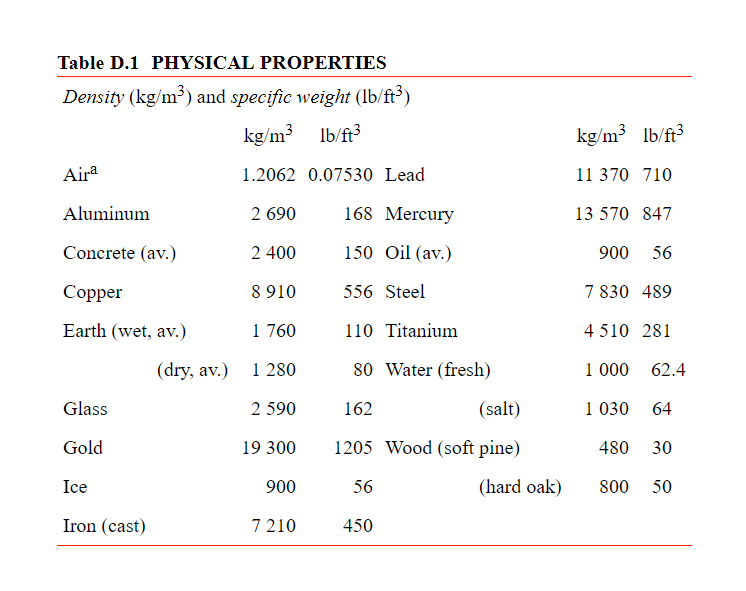
A typical value for the specific weight of dry air at standard temperature and pressure (STP – 0°C or 32°F and 1 atmosphere) is around 0.0807 lb/ft3. However, this value will fluctuate in your home based on your local climate and the conditions inside your house.
Why Does Specific Weight Impact HVAC Systems?
HVAC systems are designed to move a certain volume of air throughout your home to deliver heating or cooling. The blower motor in your furnace or air handler needs to work harder to move denser air. Here's how specific weight influences various aspects of HVAC system performance:
- Airflow Rates: HVAC systems are designed to deliver a specific cubic feet per minute (CFM) of air. If the air is denser (higher specific weight), the system might struggle to achieve the designed CFM, leading to reduced heating or cooling capacity.
- Ductwork Design: Ductwork is sized based on the expected airflow and air density. If the air is significantly denser than anticipated, the ductwork might be undersized, creating increased static pressure and reduced efficiency. This is particularly important in older homes where ductwork may not have been designed for modern, high-efficiency systems.
- Altitude: At higher altitudes, air pressure is lower, resulting in lower air density and specific weight. HVAC systems installed at high altitudes may need to be adjusted to compensate for the thinner air. Failing to do so can lead to reduced heating capacity and potential problems with combustion in gas furnaces.
- Combustion Efficiency (Gas Furnaces): The air-to-fuel ratio in a gas furnace needs to be precisely controlled for optimal combustion. Changes in air density can affect this ratio, potentially leading to incomplete combustion, reduced efficiency, and increased emissions of harmful pollutants like carbon monoxide.
- System Efficiency: Higher specific weight air requires more energy to move, increasing the workload on the blower motor. This leads to higher energy consumption and lower overall system efficiency. Even small changes in density can cumulatively impact long-term running costs.
Humidity's Role: It's Lighter Than You Think
It might seem counterintuitive, but humid air is actually less dense than dry air at the same temperature and pressure. This is because water molecules (H2O) are lighter than the nitrogen (N2) and oxygen (O2) molecules that make up the majority of dry air. Therefore, replacing some of the heavier nitrogen and oxygen molecules with lighter water molecules reduces the overall density and specific weight of the air.
In humid climates, HVAC systems have to work harder to remove moisture from the air. This process, called dehumidification, consumes energy and impacts the overall efficiency of the cooling system. While the lower specific weight of humid air might seem like a slight advantage, the energy required for dehumidification far outweighs any potential benefit.
Specific Weight Considerations for Different HVAC Systems
The importance of specific weight varies depending on the type of HVAC system:
- Forced-Air Systems (Furnaces and Air Conditioners): These systems rely heavily on efficient airflow. Understanding specific weight is crucial for proper ductwork design, blower motor selection, and overall system performance.
- Heat Pumps: Similar to air conditioners, heat pumps are sensitive to airflow. Specific weight considerations apply to both heating and cooling modes. The HSPF rating reflects the heating efficiency, and SEER reflects the cooling efficiency.
- Radiant Heating Systems (Boilers): Radiant systems heat objects directly rather than heating the air. Specific weight is less critical in these systems, although it still affects the convection currents that contribute to heat distribution.
- Ductless Mini-Splits: While ductless systems don't have ductwork, they still rely on airflow within the room. The positioning of the indoor unit and the room's layout should be considered to ensure efficient air circulation, which is influenced by air density.
How To Ensure Proper HVAC Performance Considering Specific Weight
While homeowners can't directly control the specific weight of the air, here's how to ensure optimal HVAC performance:
- Professional System Design: Hire a qualified HVAC contractor who understands the principles of air density and how it affects system performance. They will consider your local climate, altitude, and building characteristics when designing your system.
- Proper Ductwork Sizing: Ensure that your ductwork is properly sized for your system and the expected airflow. Oversized or undersized ducts can lead to inefficiencies and reduced comfort.
- Regular Maintenance: Regular filter changes and system tune-ups can help maintain optimal airflow and efficiency. Clean filters reduce resistance to airflow, allowing the blower motor to operate more efficiently.
- Air Sealing: Sealing air leaks in your home can help maintain consistent temperature and humidity levels, reducing the workload on your HVAC system. This indirectly influences the specific weight within the controlled environment.
- Consider a Whole-House Dehumidifier: In humid climates, a whole-house dehumidifier can help maintain comfortable humidity levels, reducing the strain on your air conditioner and improving overall energy efficiency.
- Altitude Adjustments: If you live at a high altitude, ensure that your HVAC system is properly adjusted for the lower air density. This is particularly important for gas furnaces.
Popular HVAC Brands and Models: A Brief Overview
When choosing an HVAC system, consider reputable brands known for efficiency and reliability. Here are a few examples (ratings are approximate and vary by model):
- Carrier: Known for innovative technology and high-efficiency systems. AFUE ratings for furnaces can reach up to 98.5%, and SEER ratings for air conditioners can exceed 21.
- Trane: Offers a wide range of systems with a reputation for durability and performance. Trane furnaces can achieve AFUE ratings up to 97%, and their air conditioners have SEER ratings up to 22.
- Lennox: Focuses on energy-efficient systems with advanced features. Lennox furnaces can have AFUE ratings as high as 99%, and their air conditioners boast SEER ratings reaching 26.
- Rheem: Offers a balance of affordability and performance. Rheem furnaces can achieve AFUE ratings up to 96%, and their air conditioners have SEER ratings up to 20.
- Goodman: Known for its value proposition, offering reliable systems at a competitive price. Goodman furnaces can reach AFUE ratings of 96%, and their air conditioners have SEER ratings up to 18.
Always compare specific models and their features to determine the best fit for your needs and budget. Consult with a qualified HVAC contractor to get personalized recommendations.
Warranty and Maintenance Considerations
HVAC systems are a significant investment, so understanding the warranty is crucial. Most manufacturers offer a base warranty on parts, typically ranging from 5 to 10 years. Some offer extended warranties that cover labor costs as well.
Regular maintenance is essential for maintaining your system's efficiency and extending its lifespan. This includes:
- Annual inspection and tune-up by a qualified HVAC technician.
- Regular filter changes (every 1-3 months).
- Cleaning the outdoor unit (air conditioner or heat pump) to remove debris.
- Inspecting and cleaning ductwork as needed.
Proper maintenance not only ensures optimal performance but also helps prevent costly repairs down the road.
Conclusion: Making Informed Decisions
While the specific weight of air may seem like a technical detail, understanding its influence on HVAC system performance is crucial for making informed decisions. By working with a qualified HVAC contractor, choosing energy-efficient equipment, and implementing proper maintenance practices, you can ensure that your system operates efficiently and provides comfortable indoor temperatures year-round. Don't just focus on the AFUE and SEER ratings; consider the entire system design and how it interacts with the surrounding environment.