Spray Foam Insulation For Hvac Ductwork
Many homeowners choose spray foam insulation for their HVAC ductwork because of its excellent insulating properties and ability to seal air leaks. However, problems can sometimes arise. One common issue is reduced airflow or uneven heating/cooling after the spray foam has been applied. This article will guide you through troubleshooting these issues, offering DIY fixes where possible, and identifying when you need to call in a professional.
Understanding the Problem: Reduced Airflow and Uneven Temperatures
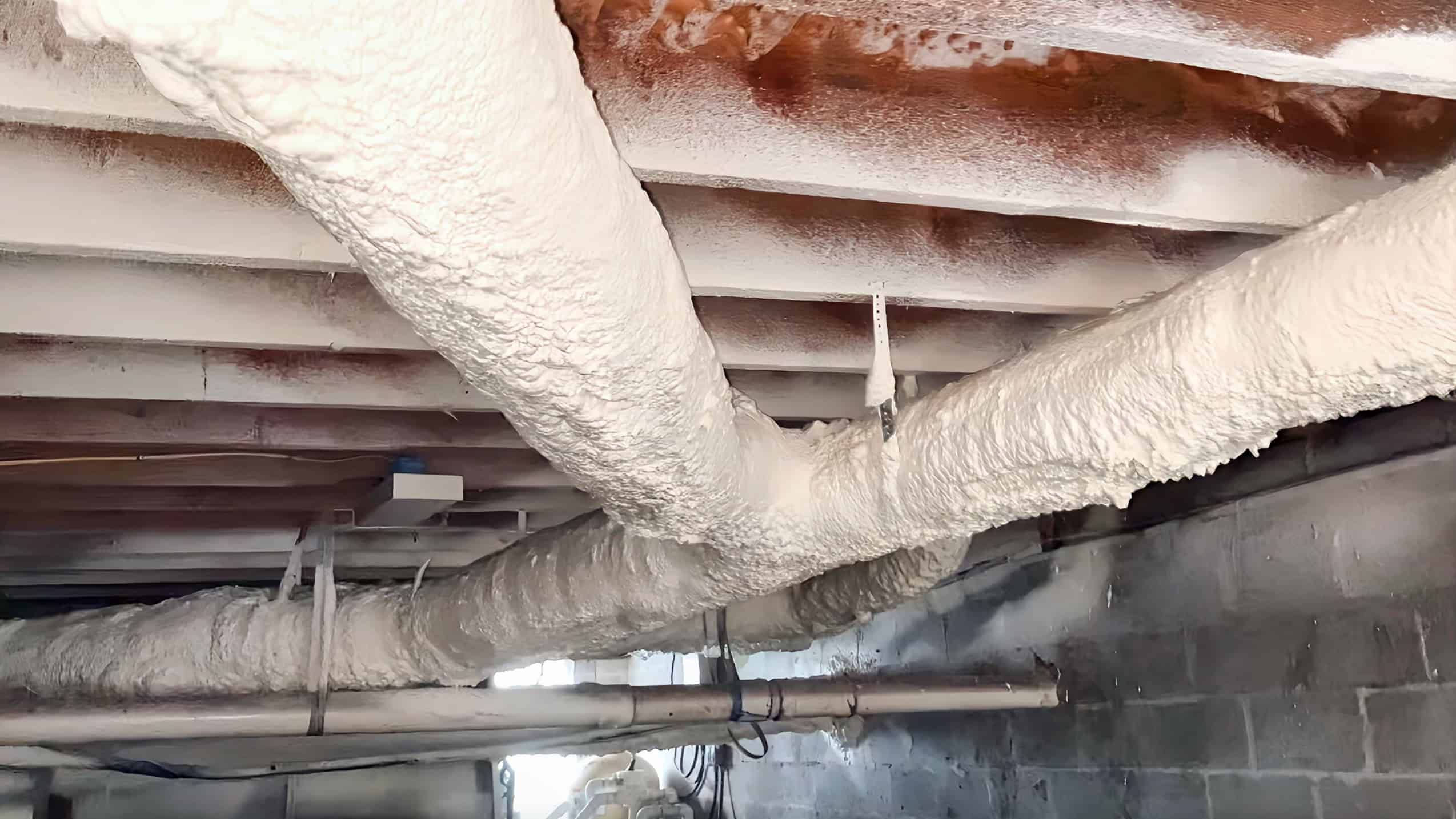
When you notice that some rooms are getting less airflow than others, or that your heating and cooling system isn't keeping the house at a consistent temperature, it's natural to suspect the ductwork. Spray foam insulation *can* contribute to these problems if it wasn't applied correctly or if underlying issues were present beforehand.
Here are some potential causes of reduced airflow after spray foam insulation:
- Collapsed Ductwork: Improperly applied foam, especially expanding foam, can crush or collapse ducts, restricting airflow. This is more common with flexible ductwork.
- Blocked Vents: Foam can sometimes accidentally block vents or registers, significantly reducing airflow into a room.
- Inadequate Air Sealing: While spray foam is great at air sealing, gaps can still exist if the application was incomplete or uneven. This leads to air loss before it reaches its intended destination.
- Pre-existing Duct Issues: Problems like disconnected ducts, crushed sections, or undersized ductwork may have been present *before* the insulation was applied, and the foam may simply be highlighting those issues.
- Closed Dampers: Dampers in your ductwork may be inadvertently closed or partially closed, restricting airflow to certain zones.
Troubleshooting: A Step-by-Step Guide
Before calling a professional, try these steps to diagnose the problem:
Step 1: Visual Inspection of Vents and Registers
Tools Needed: Flashlight
This is the easiest and most common place to start. Walk through each room and inspect the vents and registers:
- Look for obstructions: Carefully check inside each vent for any visible foam blocking the airflow. Use a flashlight to get a good view.
- Check for proper opening: Make sure the vent is fully open. Many vents have adjustable louvers that can be accidentally closed.
- Feel for airflow: Place your hand near the vent to feel the strength of the airflow. Note any vents that have significantly weaker airflow than others.
DIY Fix: If you find foam blocking a vent, carefully try to remove it. Use a small tool like a screwdriver or putty knife to gently dislodge the foam. Be careful not to damage the vent. Avoid using excessive force. If you can’t remove it easily, *stop and consider professional help*.
Step 2: Inspect Exposed Ductwork (If Accessible)
Tools Needed: Flashlight, ladder (if needed)
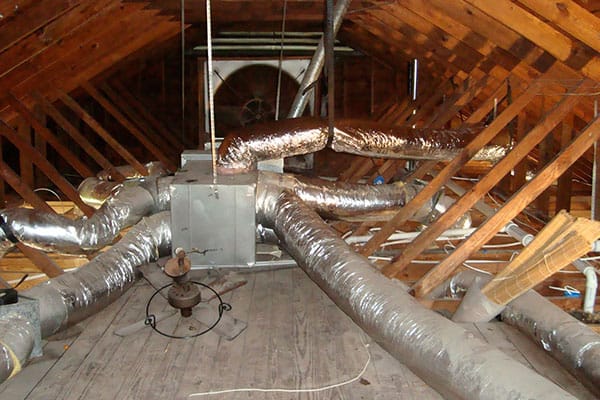
If you have exposed ductwork in your attic, basement, or crawl space, carefully inspect it for signs of damage or collapse:
- Look for crushed or flattened sections: Pay close attention to flexible ductwork, as it's more susceptible to collapsing under the weight or pressure of expanding foam.
- Check for detached sections: Ensure all duct connections are properly sealed and intact. Look for gaps or separations.
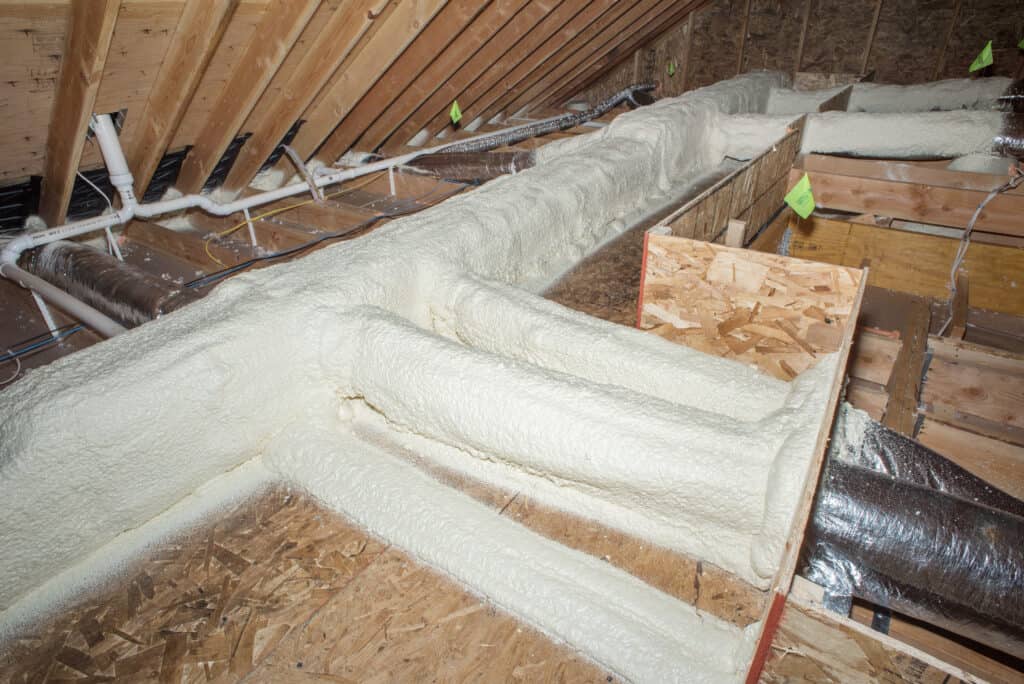
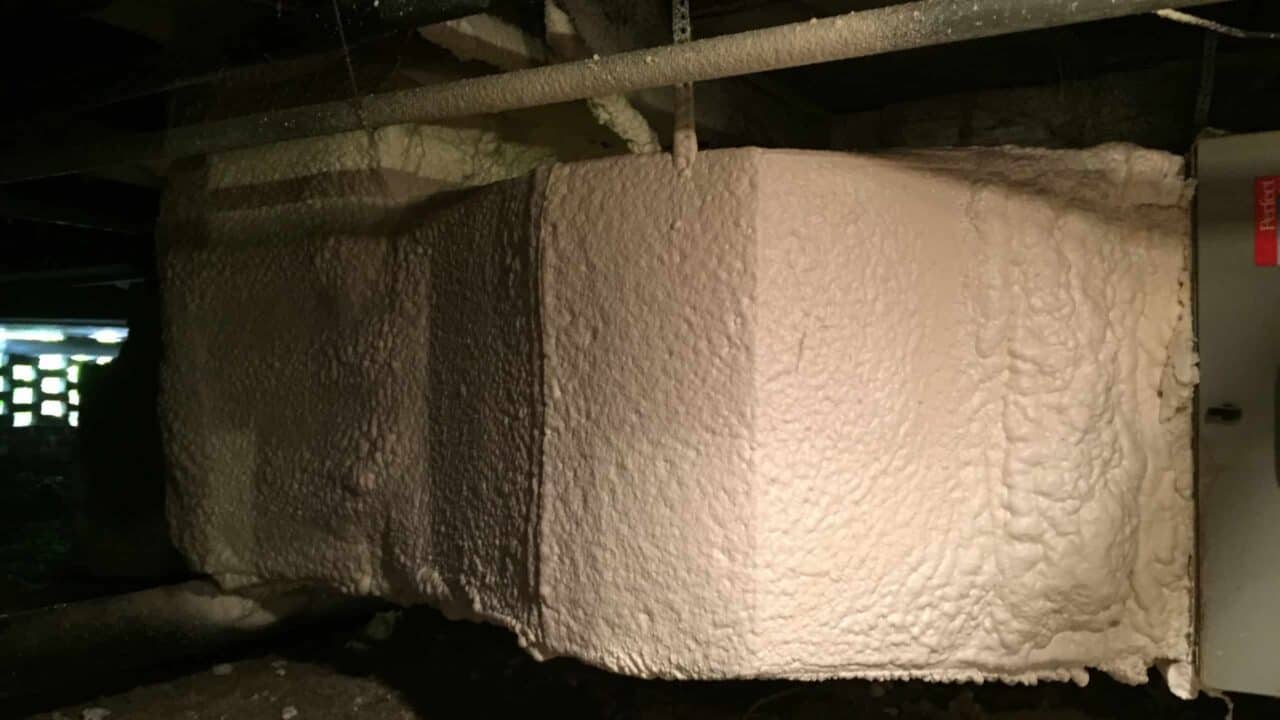
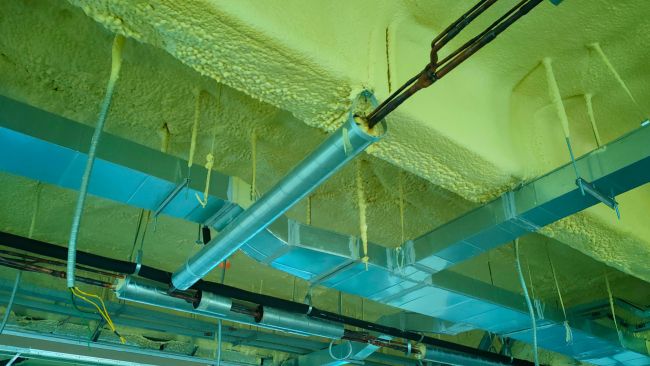
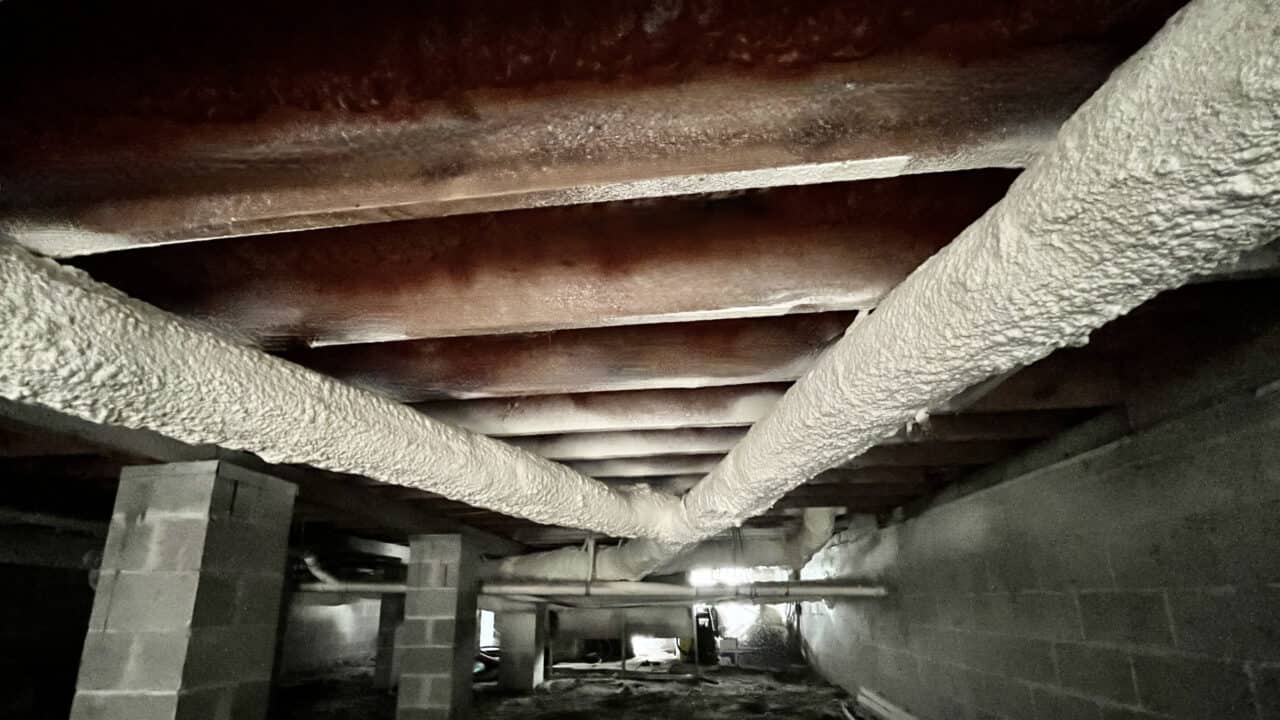
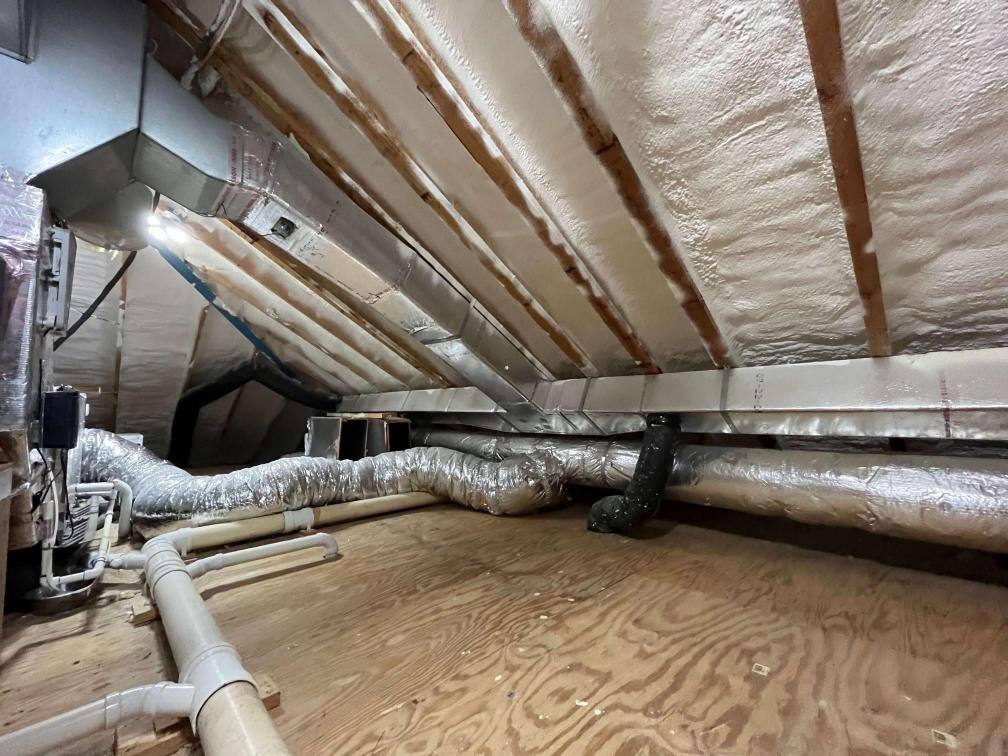
- Visually assess foam application: Is the foam evenly distributed? Are there any areas where it seems excessively thick, potentially putting pressure on the ductwork?
DIY Fix (Minor Issues Only):
- Re-securing detached ductwork: If you find a loose connection, you *may* be able to reattach it using foil tape (also known as aluminum tape) specifically designed for ductwork. Clean the surfaces thoroughly before applying the tape, and ensure a tight, airtight seal.
Important Safety Note: If you're working in an attic or crawl space, be aware of potential hazards like exposed wiring, pests, and uneven surfaces. Always use appropriate safety gear, including gloves and eye protection.
When to Call a Pro: If you find significant damage like collapsed ducts, or if you're uncomfortable working in these spaces, it's best to call a professional HVAC technician.
Step 3: Check Dampers (If Applicable)
Tools Needed: Flashlight
Some HVAC systems have dampers that control the airflow to different zones in the house. These dampers can sometimes be accidentally closed or partially closed, restricting airflow.
- Locate the dampers: Dampers are typically located near the main trunk line of the ductwork, often where branches split off to different zones.
- Check their position: Ensure the dampers are in the open position for the zones that are experiencing reduced airflow. Dampers typically have a lever or knob that indicates their position.
DIY Fix: Adjust the damper positions to fully open them for the affected zones. Monitor the airflow to see if it improves.
Step 4: Inspect Air Filter
Tools Needed: None
A clogged air filter can significantly reduce overall airflow in your HVAC system, making existing problems seem worse. While this isn't directly related to the spray foam, it's a simple check that can often resolve airflow issues.
- Locate the air filter: The air filter is usually located near the air handler unit, often in a slot or compartment.
- Inspect the filter: If the filter is dirty or clogged, replace it with a new one of the correct size and type.
DIY Fix: Replace the air filter regularly, typically every 1-3 months, depending on usage and air quality. A clean filter can improve airflow and system efficiency.
Step 5: Look for Obvious Air Leaks
Tools Needed: Incense stick or smoke pencil
Even with spray foam insulation, air leaks can still occur, especially around joints, seams, and penetrations in the ductwork. These leaks can reduce the amount of air that reaches your vents.
- Light an incense stick or smoke pencil: Hold the incense stick or smoke pencil near suspected leak areas, such as duct joints, seams, and around where the ductwork penetrates walls or floors.
- Observe the smoke: If there's an air leak, the smoke will be drawn towards the leak.
DIY Fix (Minor Leaks Only): For small, easily accessible leaks, you can try sealing them with foil tape. Make sure the surface is clean and dry before applying the tape. Overlap the tape edges for a secure seal.
When to Call a Pro: For larger or more difficult-to-reach leaks, it's best to call a professional HVAC technician to properly seal the ductwork.
When to Call a Professional HVAC Technician
While many of these troubleshooting steps can be done yourself, there are situations where professional help is necessary:
- Collapsed Ductwork: Repairing or replacing collapsed ductwork requires specialized knowledge and tools. An HVAC technician can assess the damage and recommend the best course of action.
- Extensive Air Leaks: If you find numerous or large air leaks, a professional can use specialized equipment, such as duct leakage testers, to pinpoint the leaks and seal them effectively.
- Unsure of the Cause: If you've tried these troubleshooting steps and you're still experiencing reduced airflow or uneven temperatures, it's best to consult a professional. They can diagnose the problem accurately and provide the appropriate solution.
- Suspect Improper Spray Foam Application: If you suspect the spray foam was applied incorrectly, causing duct damage or blocking airflow, a professional can assess the situation and recommend corrective measures.
- System Imbalance: Sometimes the airflow issue isn't caused by the ductwork itself, but by an imbalance in the overall HVAC system. A professional can perform a system balance to ensure proper airflow to all areas of the house.
- Ductwork is inaccessible: If the majority of your ductwork is hidden behind walls, ceilings or other hard to reach spaces, it is best to contact a professional.
Preventing Future Problems
Here are some tips to prevent airflow problems after spray foam insulation is applied to your HVAC ductwork:
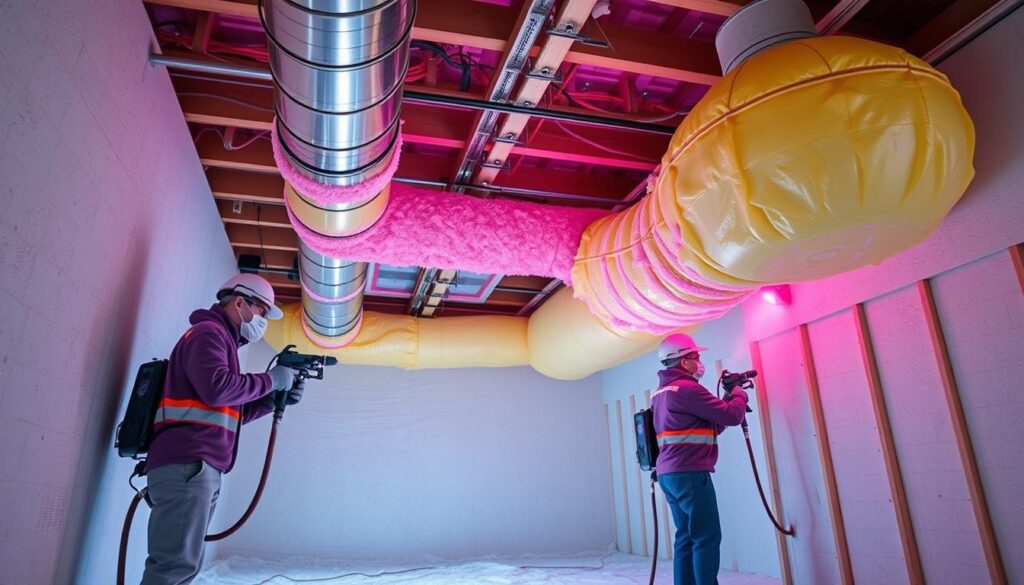
- Hire a Qualified Contractor: Choose a reputable and experienced contractor who specializes in spray foam insulation. Make sure they understand the proper application techniques for HVAC ductwork.
- Proper Duct Preparation: Ensure your ductwork is clean, sealed, and in good condition before the spray foam is applied. Address any existing issues, such as leaks or damaged sections, beforehand.
- Avoid Over-Application: Work with the contractor to ensure that the spray foam is applied evenly and at the correct thickness. Over-application can put excessive pressure on the ductwork.
- Use the Right Type of Foam: Discuss with your contractor the best type of spray foam for your specific ductwork. Flexible ductwork may require a different type of foam than rigid ductwork.
- Regular Maintenance: Schedule regular maintenance for your HVAC system, including air filter replacement and duct cleaning. This can help prevent airflow problems and improve system efficiency.
Conclusion
Reduced airflow after spray foam insulation on HVAC ductwork can be frustrating, but by following these troubleshooting steps, you can often identify and resolve the problem yourself. Remember to prioritize safety and call a professional when needed. With proper diagnosis and repair, you can restore optimal airflow and enjoy a comfortable and energy-efficient home.