Spray Foam Insulation For Water Pipes

Frequently Asked Questions About Spray Foam Insulation for Water Pipes
Spray foam insulation is a popular choice for insulating buildings, but can it be used for water pipes? The answer is yes, and it offers several benefits. This FAQ addresses common questions about using spray foam to insulate your water pipes.
1. Is Spray Foam Insulation Suitable for Water Pipes?
Yes, spray foam insulation is suitable for water pipes. In fact, it’s often a superior choice compared to traditional fiberglass or foam sleeves, offering better insulation performance and preventing common problems like condensation.
Here's why it works well:
- Excellent Insulation: Spray foam has a high R-value, meaning it effectively resists heat transfer, keeping cold pipes cold and hot pipes hot.
- Air Barrier: It creates an airtight seal around the pipes, preventing drafts and further improving energy efficiency.
- Moisture Barrier: Closed-cell spray foam is water-resistant, protecting pipes from condensation and potential corrosion.
- Conformability: Spray foam expands to fill gaps and crevices, ensuring complete coverage, even in hard-to-reach areas.
- Adhesion: It adheres directly to the pipe surface, eliminating air gaps where condensation can form.
2. What are the Benefits of Using Spray Foam on Water Pipes Compared to Other Insulation Types?
Compared to traditional pipe insulation methods like fiberglass sleeves or foam wraps, spray foam offers several key advantages:
- Superior Thermal Performance: Spray foam typically boasts a higher R-value per inch than fiberglass or foam sleeves, providing better insulation and energy savings.
- Air-Tight Seal: Unlike wraps that can leave gaps and allow air infiltration, spray foam creates a complete air barrier, preventing drafts and heat loss.
- Moisture Resistance: Closed-cell spray foam is impervious to moisture, preventing condensation build-up and potential pipe corrosion. Fiberglass, on the other hand, can absorb moisture, reducing its insulating effectiveness and promoting mold growth.
- Durability: Spray foam is more durable and resistant to damage than traditional insulation materials. It won't sag, compress, or lose its effectiveness over time.
- Prevents Pipe Freezing: By providing a superior thermal barrier, spray foam significantly reduces the risk of pipes freezing in cold weather. This is especially important for pipes located in unheated areas like crawl spaces or exterior walls.
- Noise Reduction: Spray foam can also help dampen noise from water flowing through pipes, making your home quieter.
- Longer Lifespan: Spray foam insulation can last for decades, often outperforming traditional insulation materials and requiring less frequent replacement.
- Seals Complex Shapes: Spray foam effectively seals complex pipe shapes, fittings, and valves that are difficult to insulate with traditional methods.
In summary, spray foam provides a more effective, durable, and long-lasting solution for insulating water pipes compared to other options.
3. What Types of Spray Foam are Best for Water Pipes? Closed-Cell or Open-Cell?
While both closed-cell and open-cell spray foam can technically be used on water pipes, closed-cell spray foam is generally the preferred choice.
Here's why:
- Higher R-Value: Closed-cell foam has a significantly higher R-value per inch than open-cell foam, providing better insulation with less material. This is especially important in areas with limited space.
- Moisture Resistance: Closed-cell foam is water-resistant and impermeable to moisture. This protects pipes from condensation, corrosion, and mold growth. Open-cell foam, on the other hand, can absorb moisture, making it less suitable for pipe insulation.
- Strength and Rigidity: Closed-cell foam is much denser and more rigid than open-cell foam. This provides added support to the pipes and helps prevent them from vibrating or moving.
Open-cell foam is less expensive, but its lower R-value and moisture absorption make it less ideal for insulating water pipes. While it might be suitable in very specific, controlled environments where moisture is not a concern, closed-cell foam offers superior performance and long-term protection.
4. How is Spray Foam Applied to Water Pipes? Is it a DIY Project?
Applying spray foam to water pipes requires specific equipment, knowledge, and safety precautions. While DIY spray foam kits are available, it's generally recommended to hire a professional for this type of project. The potential for mistakes and improper application can negate the benefits and even cause problems.
Here's a general overview of the application process:
- Preparation: The pipes must be clean and dry before application. Any loose debris or rust should be removed.
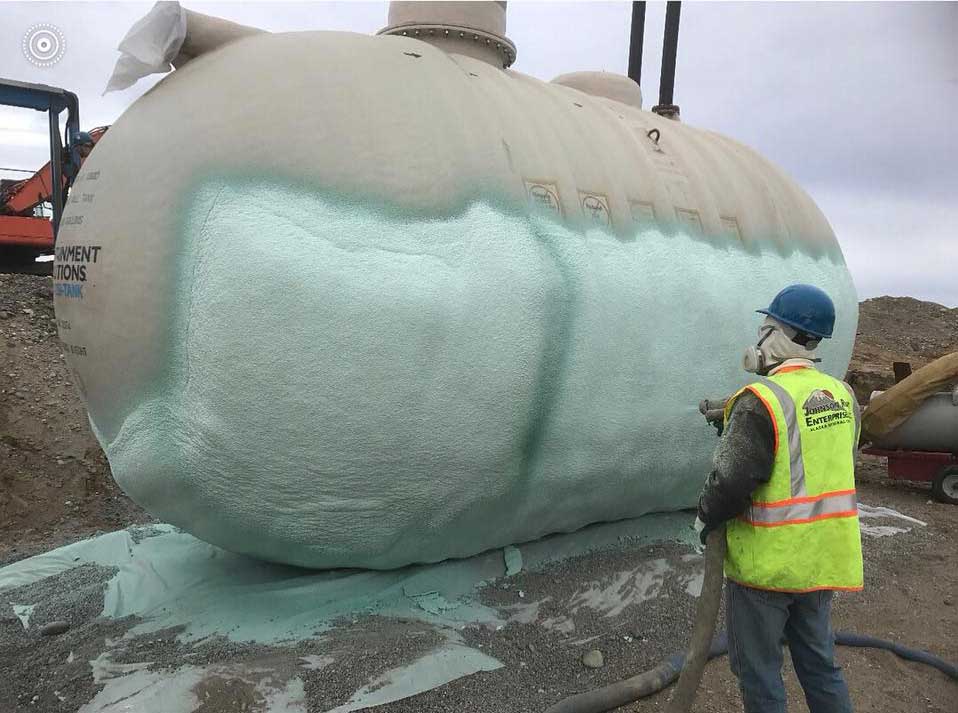
- Safety Precautions: The area should be well-ventilated, and the applicator should wear appropriate protective gear, including a respirator, gloves, and eye protection.
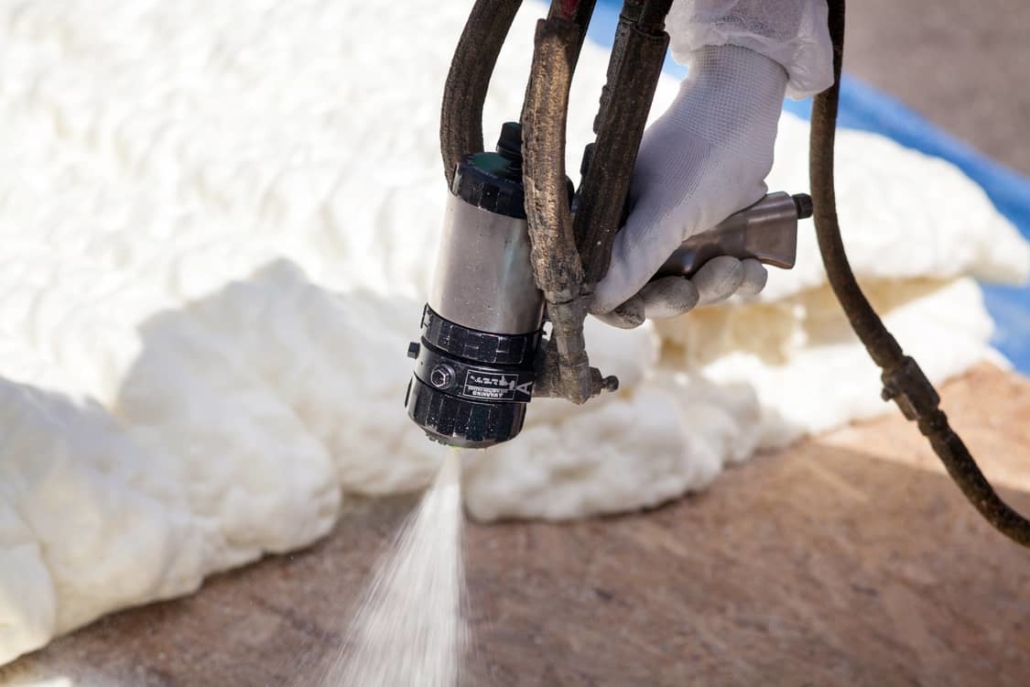
- Mixing: The two components of the spray foam (isocyanate and polyol resin) are mixed together in a specialized dispensing system.
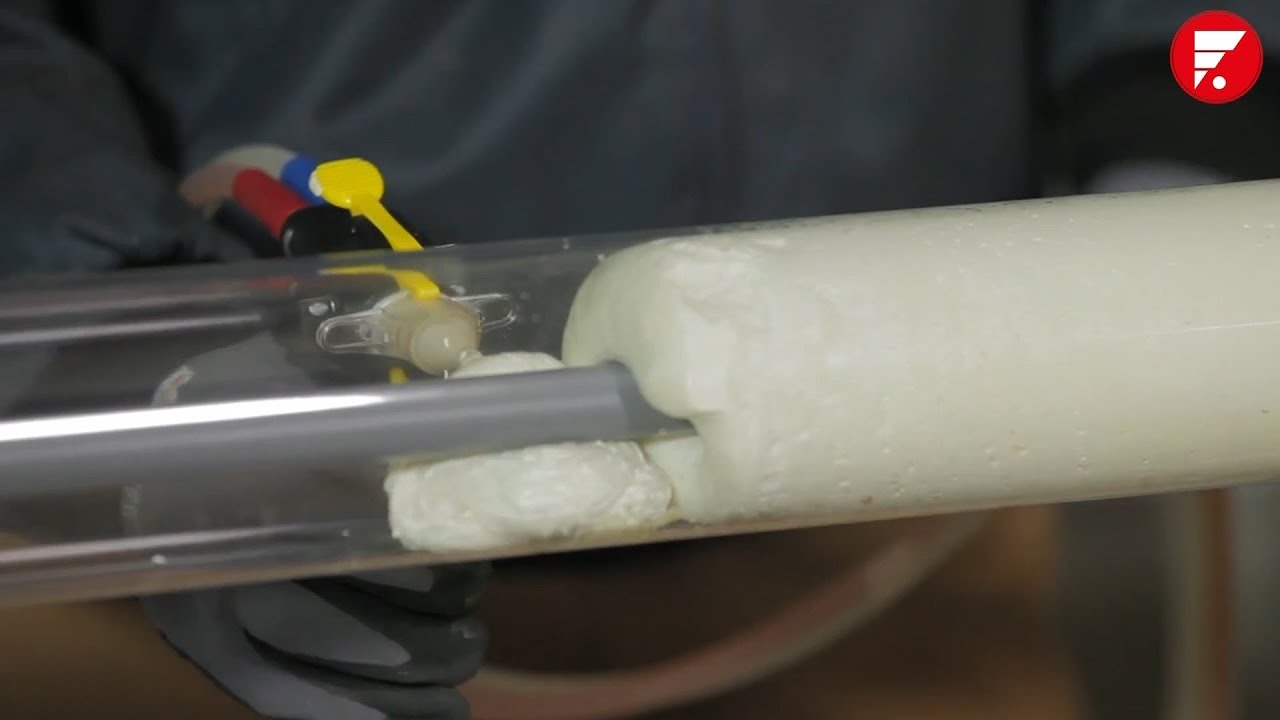
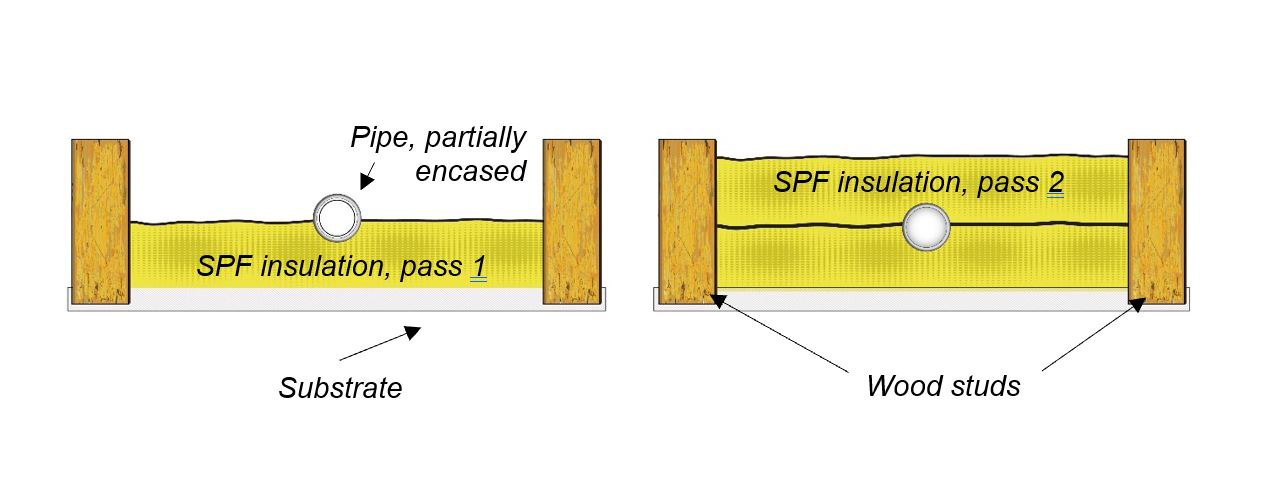
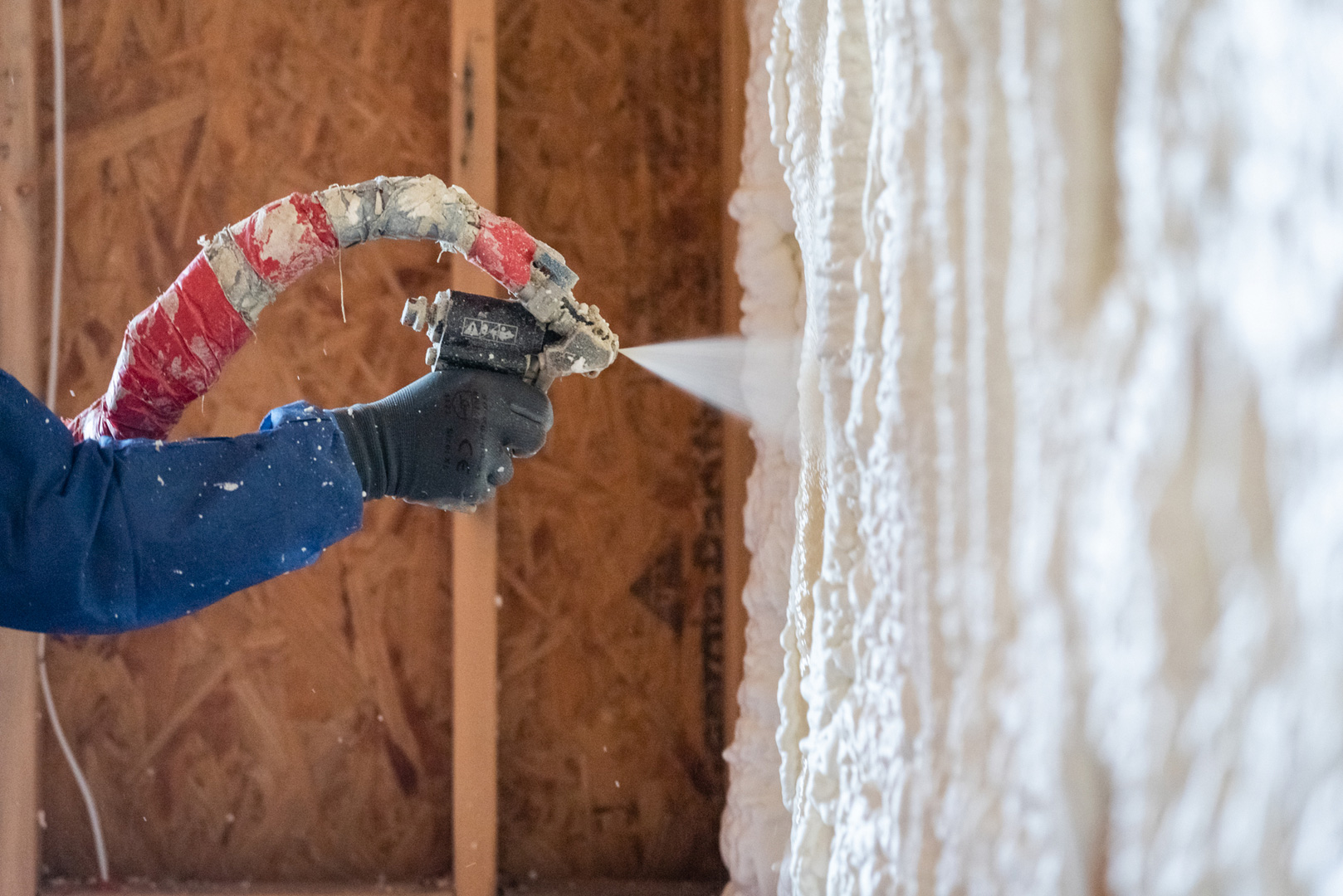
- Application: The mixture is sprayed onto the pipes in thin layers, allowing each layer to expand and cure before applying the next. The foam should completely encapsulate the pipes, filling all gaps and crevices.
- Curing: The spray foam needs time to cure completely, which can take several hours or even days, depending on the product and environmental conditions.
Professional installers have the experience and equipment necessary to apply the spray foam correctly, ensuring optimal insulation performance and preventing potential problems such as uneven application, overspray, or off-gassing issues. They can also properly handle the chemicals and dispose of waste materials safely.
If you choose to use a DIY kit, carefully follow the manufacturer's instructions and take all necessary safety precautions. However, be aware that DIY kits may not provide the same level of performance or durability as professionally installed spray foam.
5. Does Spray Foam Insulation Ever Cause Corrosion to Water Pipes?
While properly applied spray foam insulation is unlikely to cause corrosion, improper application or using the wrong type of foam can potentially contribute to corrosion in certain circumstances.
Here's what you need to know:
- Closed-Cell Foam and Moisture: As mentioned earlier, closed-cell foam is moisture-resistant. When properly applied, it creates a barrier that prevents water from reaching the pipe surface, thus minimizing the risk of corrosion.
- Improper Application: If the spray foam is applied unevenly or with gaps, moisture can still penetrate and reach the pipe. This can lead to localized corrosion, especially if the water is acidic or contains high levels of minerals.
- Chemical Reactions: In rare cases, some types of spray foam can react with certain metals, leading to corrosion. This is more likely to occur with older or less reputable foam products.
- Galvanic Corrosion: If dissimilar metals are in contact with each other (e.g., copper and steel), the presence of moisture and electrolytes can create a galvanic cell, leading to accelerated corrosion of one of the metals. Spray foam can exacerbate this process if it traps moisture around the metals.
- Poorly Maintained Plumbing Systems: Corrosion is more likely to occur in older plumbing systems that are already showing signs of wear and tear. Spray foam can accelerate the process if it's not applied correctly or if it traps existing moisture.
To minimize the risk of corrosion:
- Choose a reputable spray foam product and installer.
- Ensure proper surface preparation and thorough application.
- Avoid using spray foam on pipes that are already corroded or damaged.
- Consider using corrosion-inhibiting primers or coatings on the pipes before applying the spray foam.
- Regularly inspect the pipes for signs of corrosion, especially in areas where the spray foam is damaged or compromised.
By taking these precautions, you can safely and effectively use spray foam insulation to protect your water pipes from freezing, condensation, and energy loss without increasing the risk of corrosion.
6. How Much Does it Cost to Insulate Water Pipes with Spray Foam?
The cost of insulating water pipes with spray foam varies depending on several factors:
- The Length and Diameter of the Pipes: Longer and larger diameter pipes will require more spray foam, increasing the cost.
- The Complexity of the Pipe System: Pipes with numerous bends, fittings, and valves will require more time and effort to insulate, leading to higher labor costs.
- The Type of Spray Foam Used: Closed-cell spray foam is typically more expensive than open-cell spray foam.
- The Location of the Pipes: Pipes located in hard-to-reach areas, such as crawl spaces or attics, may require more specialized equipment and labor, increasing the cost.
- The Contractor's Rates: Different contractors charge different rates for spray foam insulation services. It's a good idea to get quotes from multiple contractors before making a decision.
- The Region: Prices can vary depending on your geographic location.
As a general estimate, you can expect to pay anywhere from $2 to $5 per linear foot to insulate water pipes with spray foam. This cost typically includes the cost of the materials and labor. However, it's important to get a specific quote from a local contractor to get an accurate estimate for your project.
While spray foam insulation may have a higher upfront cost than traditional insulation methods, it's important to consider the long-term benefits, such as energy savings, reduced risk of pipe freezing, and increased durability. These benefits can often outweigh the initial cost over the lifespan of the insulation.
7. Are There Any Potential Drawbacks or Concerns I Should Be Aware Of?
While spray foam insulation offers numerous benefits for water pipes, it's essential to be aware of potential drawbacks and concerns:
- Initial Cost: Spray foam generally has a higher upfront cost compared to traditional insulation materials like fiberglass or foam sleeves.
- Off-Gassing: During the curing process, spray foam can release volatile organic compounds (VOCs), which can cause temporary irritation to the eyes, nose, and throat. It's important to ensure proper ventilation during and after application. Reputable installers will use low-VOC or no-VOC foam products to minimize this risk.
- Application Expertise: Proper application is crucial for spray foam to perform effectively. Poorly applied spray foam can lead to uneven insulation, air gaps, and potential moisture problems. It's best to hire a qualified and experienced installer.
- Removal: Removing spray foam can be difficult and expensive. If you ever need to access the pipes for repairs or modifications, the spray foam may need to be cut away, which can be time-consuming and require specialized tools.
- Fire Safety: Some types of spray foam are flammable. It's important to choose a fire-retardant spray foam product and ensure that it's properly installed to meet building codes and safety standards.
- Potential for Over-Expansion: If applied too thickly or in confined spaces, spray foam can expand excessively, potentially damaging pipes or surrounding structures. A skilled installer will know how to control the expansion process.
- Accessibility: Once applied, spray foam can make it more difficult to visually inspect pipes for leaks or corrosion. Regular inspections of accessible areas are still recommended.
By being aware of these potential drawbacks and taking the necessary precautions, you can make an informed decision about whether spray foam insulation is the right choice for your water pipes.