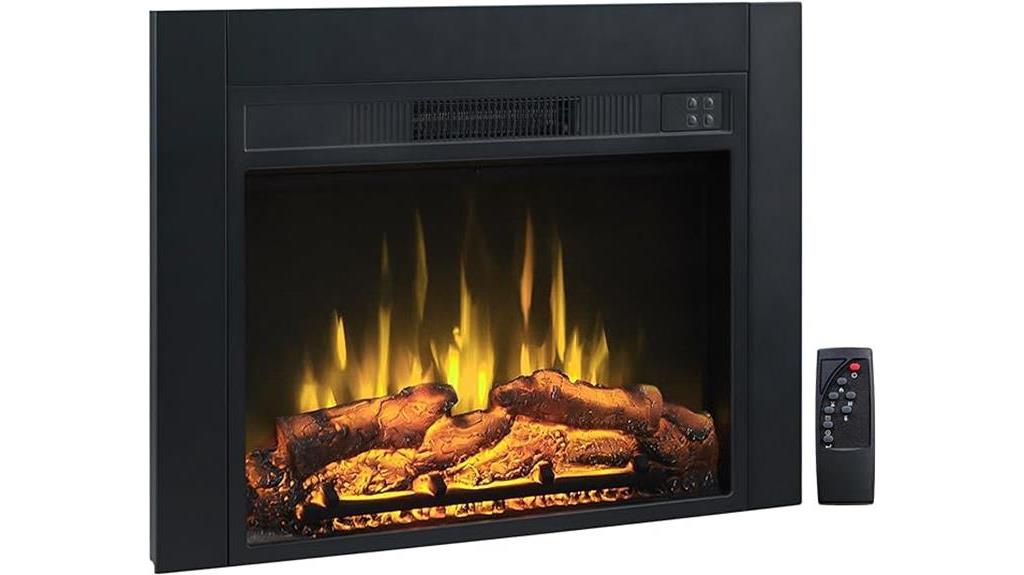
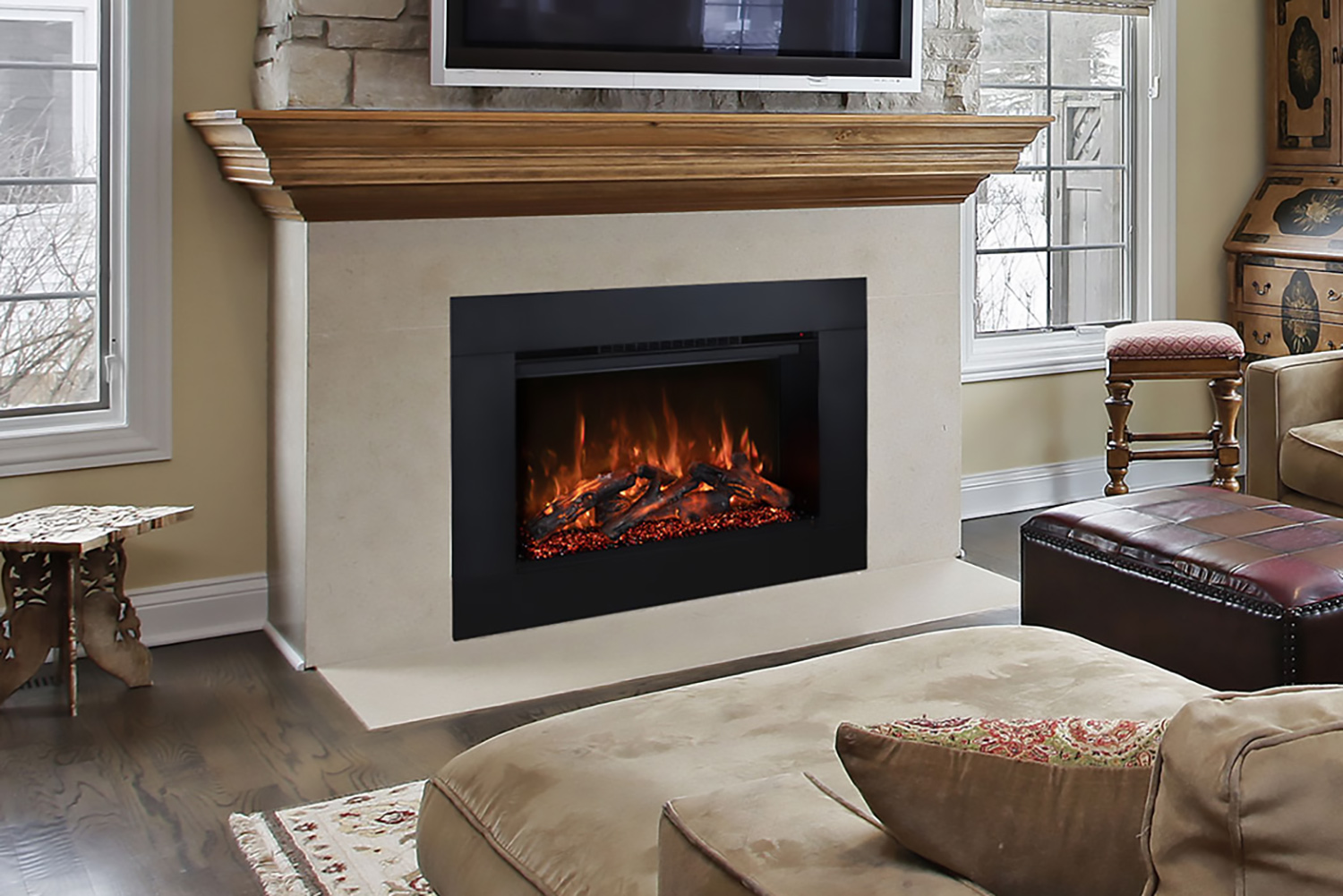
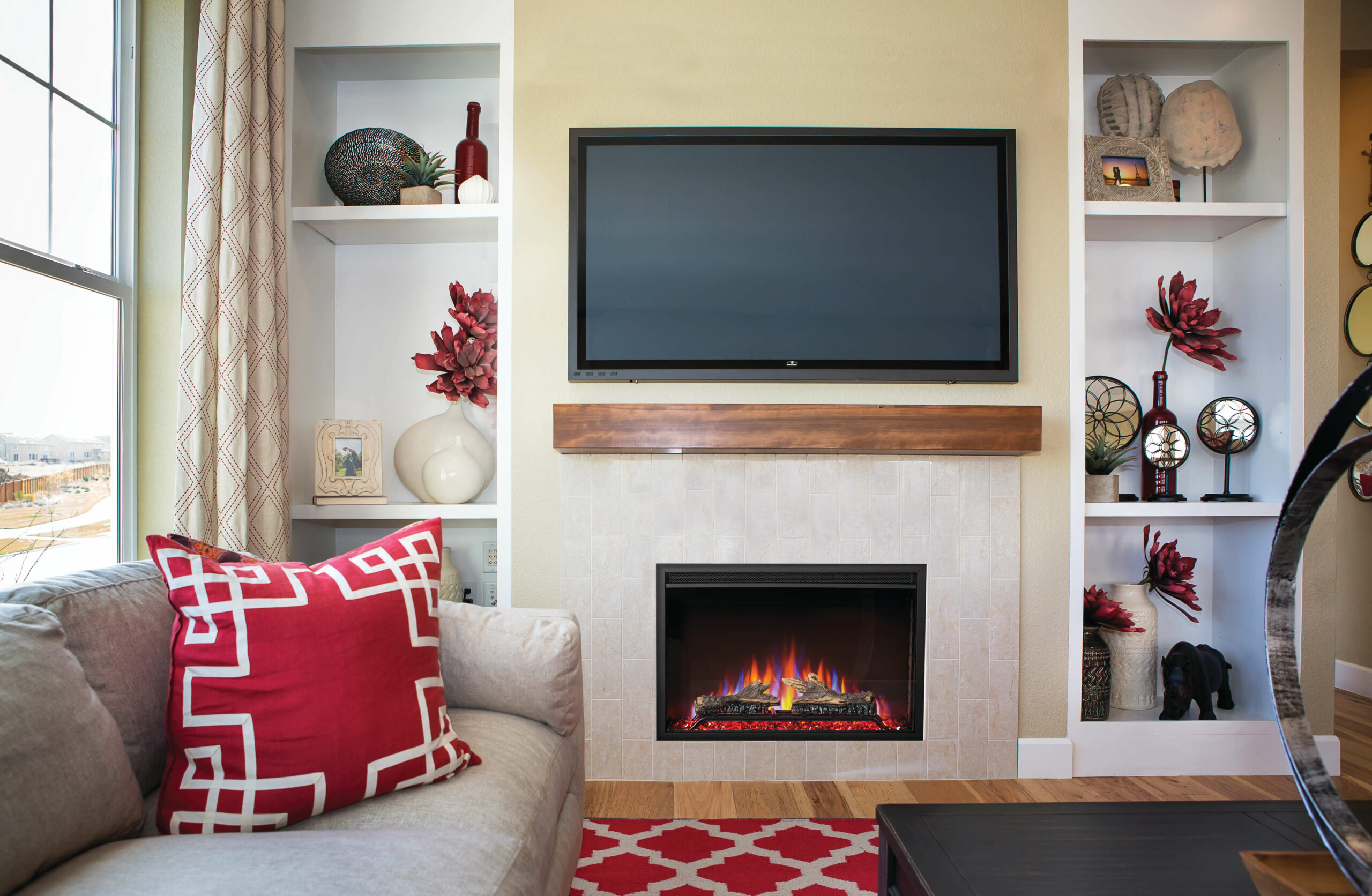
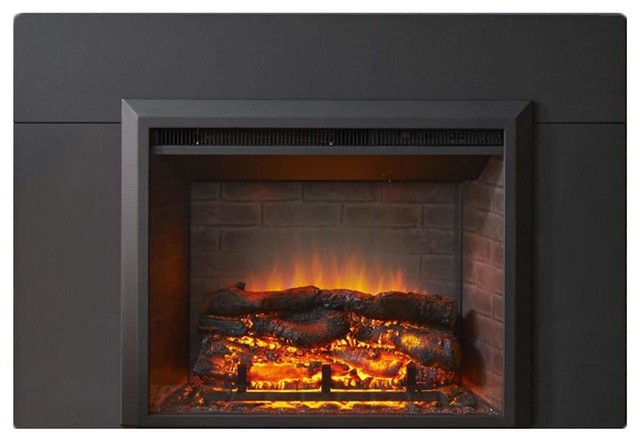
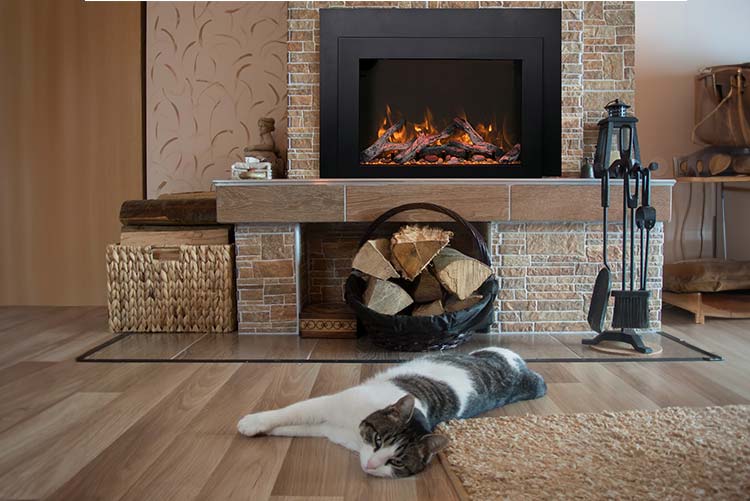
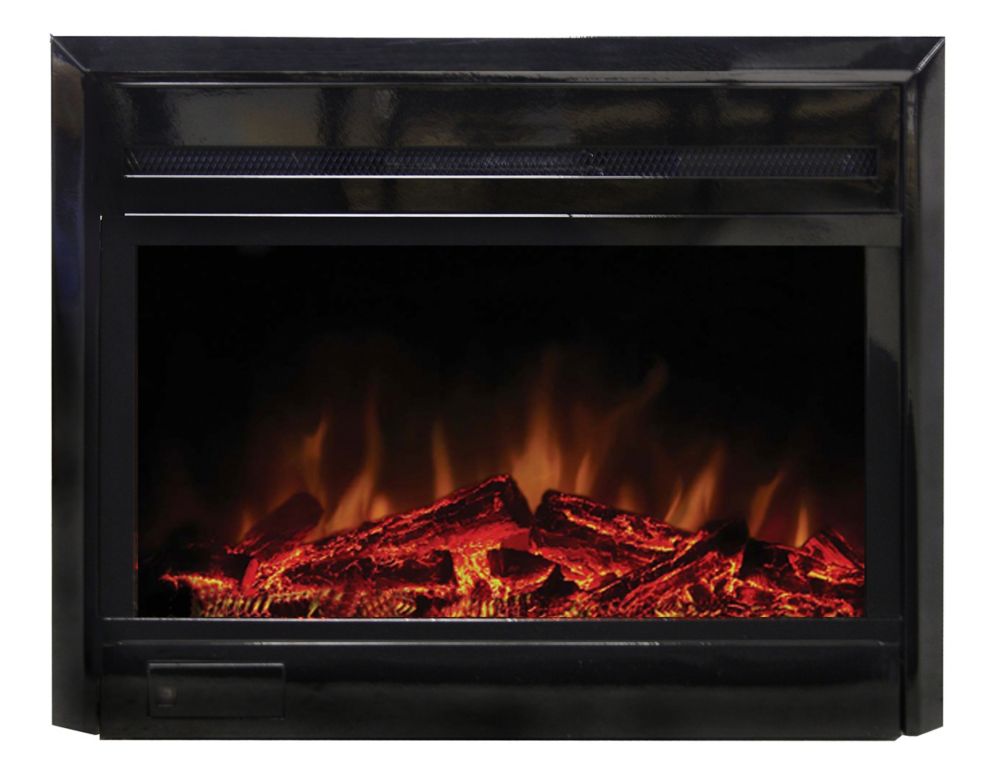
Square Electric Fireplace Insert

Electric fireplaces are a fantastic addition to any home, providing warmth and ambiance without the mess of traditional wood-burning fireplaces. However, like any appliance, they can occasionally experience issues. This guide provides a step-by-step approach to troubleshooting common problems with square electric fireplace inserts. Remember, safety is paramount. If at any point you feel uncomfortable or unsure, consult a qualified electrician or appliance repair technician.
Common Electric Fireplace Problems
Before diving into troubleshooting, let's identify some common issues you might encounter:
- No Power: The fireplace doesn't turn on at all.
- No Heat: The flames are visible, but no heat is produced.
- Flickering or Dim Flames: The flame effect is weak or inconsistent.
- Unusual Noises: Grinding, clicking, or buzzing sounds.
- Remote Control Issues: The remote doesn't work.
- Error Codes: The display shows an error code.
Troubleshooting Steps
Step 1: Initial Checks - Power Supply
The first step is to ensure the fireplace is receiving power. This seems obvious, but it's often the simplest solution.
- Check the Power Cord: Make sure the power cord is securely plugged into the fireplace insert and the wall outlet. Inspect the cord for any signs of damage (fraying, cuts). Do not use the fireplace if the cord is damaged. Replace the cord or contact a professional.
- Test the Outlet: Plug another appliance into the same outlet to verify it's working. If the other appliance doesn't work, the problem is with the outlet, not the fireplace. Check the circuit breaker.
- Circuit Breaker: Locate the circuit breaker panel (usually in a basement, garage, or utility room). Identify the breaker that controls the outlet the fireplace is plugged into. If the breaker is tripped (in the "off" or middle position), flip it to the "off" position completely, then back to the "on" position. If the breaker trips again immediately, there may be an overload or short circuit. Consult an electrician.
- Surge Protector: If the fireplace is plugged into a surge protector, ensure the surge protector is turned on and functioning correctly. Sometimes surge protectors can fail. Try plugging the fireplace directly into the wall outlet (after verifying the outlet is working) to rule out a faulty surge protector.
Step 2: Check the Fireplace Settings
Sometimes the issue isn't a malfunction, but simply incorrect settings.
- Power Switch: Most electric fireplaces have a main power switch located on the unit itself. Make sure this switch is in the "on" position.
- Thermostat: Many fireplaces have a thermostat that controls the heat output. Ensure the thermostat is set to a temperature higher than the current room temperature. If it's set too low, the fireplace won't produce heat. Try setting it to the highest setting to see if the heat comes on. Then, lower it to your desired comfort level.
- Timer: Check if the fireplace has a timer function that may be set to turn off the heat or the entire unit. Disable the timer or adjust the settings.
- Flame Settings: Some fireplaces allow you to adjust the brightness or intensity of the flames. Ensure the flame settings are not set to the lowest level or turned off entirely.
- Display Panel: If your fireplace has a display panel, check for any error codes. Consult the user manual for a description of the error code and suggested solutions. Write down the error code before attempting any fixes; this information will be useful if you need to contact customer support or a technician.
Step 3: Remote Control Troubleshooting
If the fireplace is working but the remote isn't, try these steps:
- Batteries: The most common cause of remote control issues is dead or weak batteries. Replace the batteries with fresh ones of the correct type (usually AAA or AA).
- Obstructions: Ensure there are no obstructions between the remote control and the fireplace's receiver. Objects like furniture, curtains, or even your hand can block the signal.
- Point and Aim: Point the remote control directly at the fireplace's receiver when pressing the buttons. Try moving closer to the fireplace.
- Remote Control Mode: Some remotes have multiple modes (e.g., fireplace, TV, DVD). Ensure the remote is set to the correct mode for the fireplace. Consult the user manual.
- Resync/Pairing: Some remotes need to be resynced or paired with the fireplace after a battery replacement. Consult the user manual for instructions on how to resync the remote. This usually involves pressing a specific sequence of buttons on the remote or the fireplace itself.
- Clean the Remote: Use a dry cloth to clean the remote's surface and the battery contacts. Dust or debris can interfere with the remote's operation.
Step 4: Simple Part Replacements (Handle with Care!)
Certain parts can be safely replaced by a homeowner with basic DIY skills. However, always disconnect the fireplace from the power source before attempting any repairs.
- Light Bulbs/LEDs: If the flame effect is dim or not working, the light bulbs or LEDs responsible for creating the flames may be burned out.
- Identify the Bulb Type: Consult the user manual to determine the type and wattage of the light bulb or LED used in your fireplace.
- Accessing the Bulb: Refer to the user manual for instructions on how to access the light bulb or LED compartment. This usually involves removing a back panel or access door.
- Replacement: Carefully remove the old bulb or LED and replace it with a new one of the same type and wattage. Avoid touching the glass of halogen bulbs with your bare fingers, as the oil from your skin can cause them to burn out prematurely. Use a clean cloth or gloves.
- Testing: Reassemble the fireplace and plug it back in to test the new light bulb or LED.
- Filters (If Applicable): Some electric fireplaces have air filters that need to be cleaned or replaced periodically. Dirty filters can restrict airflow and cause the fireplace to overheat.
- Locate the Filter: Consult the user manual to find the location of the air filter. It is usually located on the back or side of the unit.
- Cleaning/Replacement: Remove the filter and clean it with a vacuum cleaner or wash it with mild soap and water. Allow the filter to dry completely before reinstalling it. If the filter is damaged or excessively dirty, replace it with a new one of the same type.
Step 5: Addressing Specific Problems
Let's look at troubleshooting specific issues in more detail:
No Heat
- Thermostat Setting: As mentioned earlier, ensure the thermostat is set high enough.
- Overheat Protection: Electric fireplaces have an overheat protection system that will shut off the heating element if it gets too hot. This can be triggered by blocked vents, dirty filters, or a faulty fan.
- Check Vents: Make sure the vents on the front, back, and sides of the fireplace are not blocked by furniture, curtains, or other objects.
- Check Fan: Listen for the fan running. If the fan is not running, the heating element may not be functioning. This could indicate a faulty fan motor or a problem with the control board. This repair should be done by a professional.
- Resetting Overheat Protection: Some fireplaces have a reset button for the overheat protection system. Consult the user manual to find the location of the reset button and how to use it. If there is no reset button, unplug the fireplace for 30 minutes to allow it to cool down, then plug it back in.
- Heating Element: If the fan is running and the thermostat is set correctly, but the fireplace still isn't producing heat, the heating element may be faulty. Replacing the heating element is a more complex repair that should be done by a qualified technician.
Flickering or Dim Flames
- Light Bulb/LEDs: As mentioned earlier, burned-out or weak light bulbs/LEDs are the most common cause of flickering or dim flames.
- Loose Connections: Check for loose connections in the wiring harness that supplies power to the light bulbs/LEDs. This requires opening the fireplace, so disconnect the power first. If you see any loose connections, carefully reconnect them. If you are not comfortable working with wiring, consult a qualified electrician.
- Flame Motor (If Applicable): Some fireplaces use a small motor to create the flame effect. If the motor is failing, the flames may flicker or become erratic. This repair is best left to a professional.
Unusual Noises
- Fan Noise: A noisy fan can indicate that the fan blades are dirty or that the fan motor is failing. Try cleaning the fan blades with a soft brush or vacuum cleaner. If the noise persists, the fan motor may need to be replaced. Consult a technician.
- Grinding Noise: A grinding noise could indicate a problem with the motor that creates the flame effect. This requires professional repair.
- Buzzing Noise: A buzzing noise could indicate a loose connection or a faulty transformer. This is a serious electrical issue that requires immediate attention from a qualified electrician. Disconnect the fireplace from the power source and do not use it until it has been repaired.
When to Call a Professional
While this guide covers basic troubleshooting steps, some repairs are best left to professionals. Never attempt repairs you are not comfortable with.
- Any Work Involving Gas Lines: Electric fireplaces should not involve any gas lines. If your unit unexpectedly involves a gas line, stop immediately and contact a qualified technician.
- Complex Electrical Repairs: If you suspect a problem with the control board, transformer, or heating element, consult a qualified electrician or appliance repair technician. These components require specialized knowledge and tools to diagnose and repair safely.
- Warranty Issues: If your fireplace is still under warranty, attempting to repair it yourself may void the warranty. Contact the manufacturer or retailer for warranty service.
- Uncertainty: If you are unsure about any aspect of the troubleshooting or repair process, err on the side of caution and call a professional. It's better to be safe than sorry.
By following these troubleshooting steps, you can often resolve common issues with your square electric fireplace insert and enjoy its warmth and ambiance for years to come. Remember safety first! And when in doubt, seek professional help.