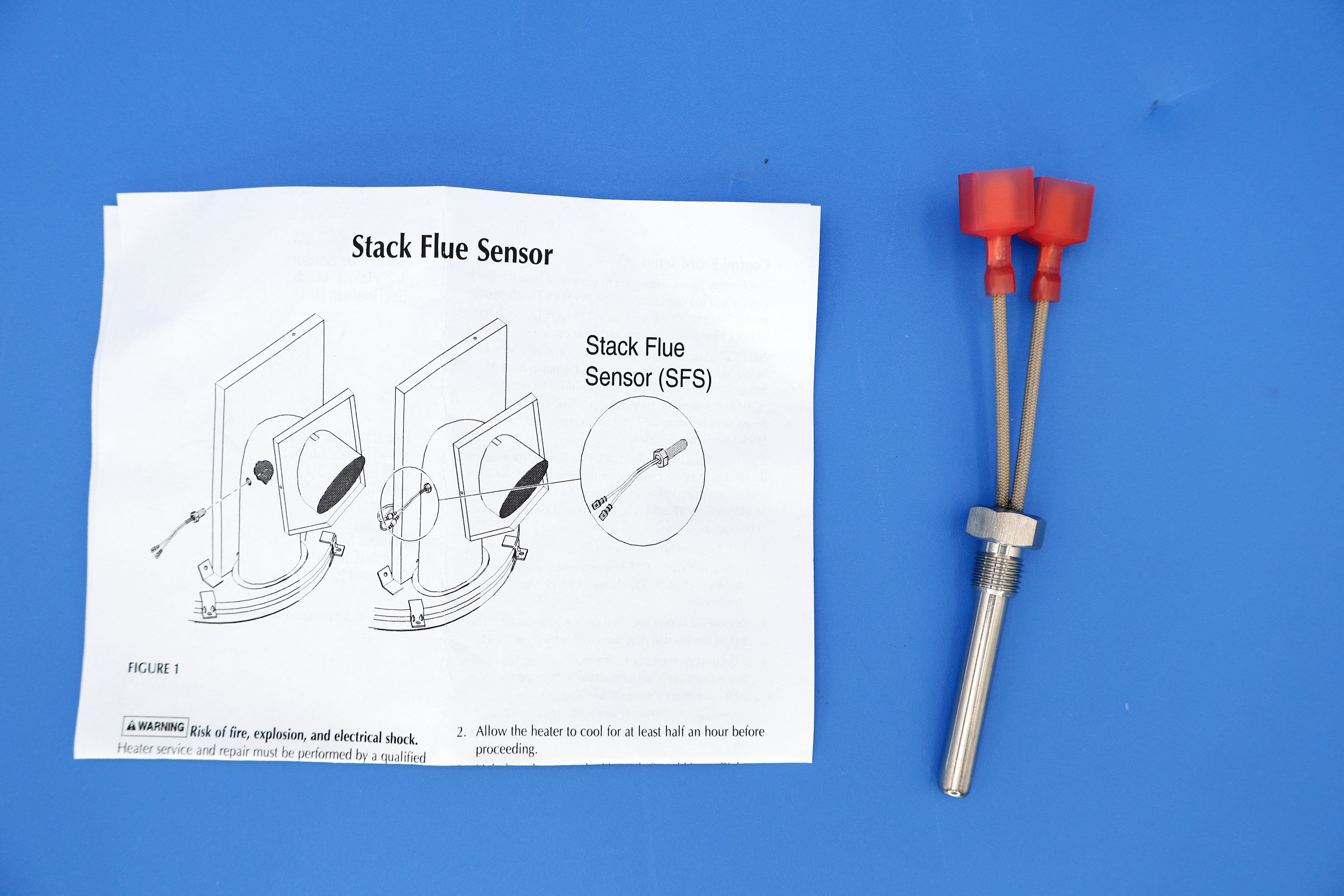
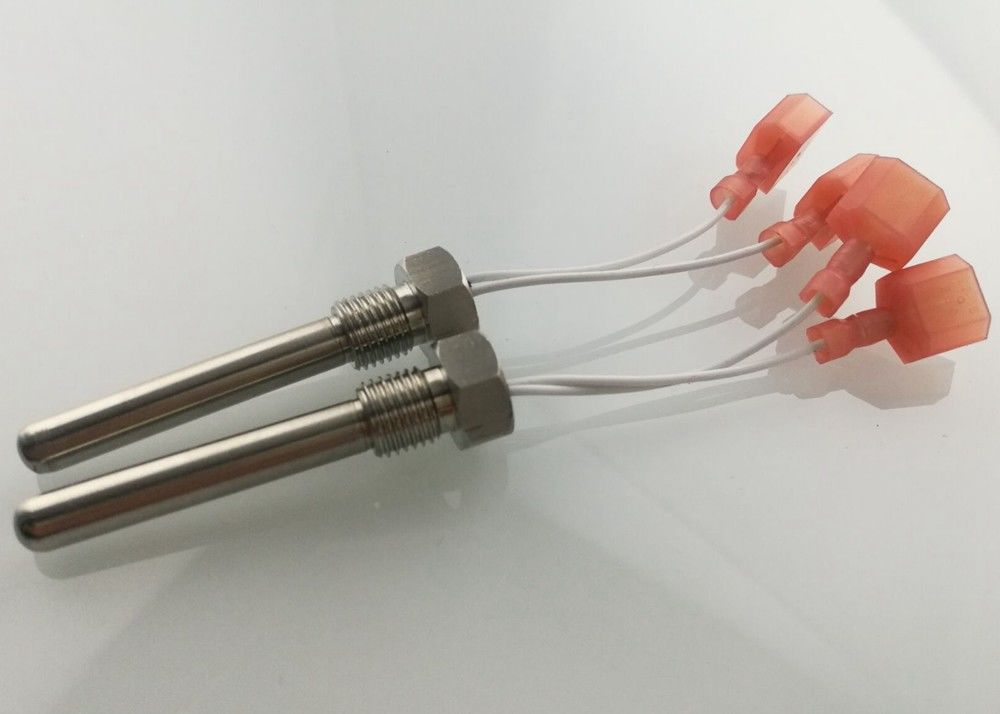
Stack Flue Sensor Test
Welcome to the world of HVAC (Heating, Ventilation, and Air Conditioning), a field constantly evolving with technological advancements and increasing demand. As an HVAC professional, mastering essential diagnostic techniques is crucial for success. One such technique is the stack flue sensor test, a vital procedure for ensuring safe and efficient operation of combustion-based heating systems. This article will delve into the intricacies of this test, its significance, and how it fits into the broader context of an HVAC career.
Understanding the Stack Flue Sensor Test
The stack flue sensor test assesses the functionality of a critical safety component in modern furnaces: the flue gas sensor (also known as a spillage sensor or carbon monoxide sensor in some applications). This sensor monitors the exhaust gases venting through the flue (or stack) of the furnace. If the sensor detects a problem, such as a backdraft of dangerous gases like carbon monoxide (CO), it signals the furnace's control board to shut down the system, preventing potential harm to occupants.
Why is this Test Important?
The stack flue sensor test is not merely a troubleshooting step; it's a critical safety check. Malfunctioning flue gas sensors can lead to:
- Carbon Monoxide Poisoning: A faulty sensor might fail to detect CO backdraft, exposing occupants to a potentially lethal gas. CO poisoning leads to over 400 deaths and 50,000 emergency room visits annually in the United States, according to the CDC.
- Inefficient Furnace Operation: If the sensor malfunctions and falsely shuts down the furnace, it can lead to discomfort and increased energy consumption due to frequent restarts.
- Equipment Damage: A backdraft of corrosive flue gases can damage furnace components over time.
How to Perform a Stack Flue Sensor Test
While specific procedures may vary depending on the furnace model, the general process involves:
- Visual Inspection: Begin by visually inspecting the flue pipe for any signs of damage, blockages, or improper connections. Ensure the flue is properly sloped and has adequate draft.
- Sensor Location: Locate the flue gas sensor. It’s typically found near the draft diverter or within the flue pipe itself. Consult the furnace manufacturer's specifications for the exact location.
- Testing with a Multimeter: Use a digital multimeter (DMM) to test the sensor's resistance or voltage, depending on the sensor type. Disconnect the sensor wires from the control board. Refer to the furnace's wiring diagram to identify the correct terminals.
- Simulating a Fault: Simulate a flue gas spillage condition. This can be done using a heat gun to gently warm the sensor or by temporarily blocking the flue to create a backdraft (exercise extreme caution when simulating a backdraft to prevent CO exposure). Observe whether the sensor trips and opens (or closes, depending on its design) its circuit as measured by the DMM.
- Verifying Control Board Response: After confirming the sensor trips, reconnect the sensor wires to the control board. Simulate the fault condition again and verify that the control board responds by shutting down the furnace's burners.
- Document Findings: Record all test results, including voltage or resistance readings and any observed malfunctions. This documentation is crucial for future troubleshooting and maintenance.
Important Safety Note: Always follow proper safety precautions when working with gas appliances, including wearing appropriate personal protective equipment (PPE), ensuring adequate ventilation, and using calibrated testing equipment. If you are not comfortable performing this test, consult with a qualified HVAC technician.
Essential Tools for the Trade
Performing a stack flue sensor test, and indeed most HVAC work, requires a set of reliable tools. These typically include:
- Digital Multimeter (DMM): For measuring voltage, resistance, and current. A good DMM is essential for electrical diagnostics.
- Combustion Analyzer: Measures the levels of various gases in the flue, including CO, oxygen, and carbon dioxide. This tool provides valuable insights into combustion efficiency and safety.
- Manometer: Measures gas pressure, crucial for ensuring proper gas flow to the furnace.
- Heat Gun: Used to simulate a flue gas spillage condition during sensor testing.
- Hand Tools: Screwdrivers, pliers, wrenches, and other hand tools are indispensable for general HVAC work.
HVAC Certifications and Continuing Education
Earning certifications is a crucial step in advancing your HVAC career and demonstrating your expertise. Some key certifications include:
- NATE (North American Technician Excellence): NATE certification is widely recognized as a mark of excellence in the HVAC industry. NATE offers certifications in various specialties, including installation, service, and specific equipment types.
- EPA Section 608 Certification: Required for technicians who handle refrigerants. This certification ensures technicians are trained in safe refrigerant handling practices and environmental regulations.
- HVAC Excellence: Another respected certification organization that offers various HVAC certifications, focusing on competency-based assessments.
Beyond certifications, continuing education is vital to stay current with technological advancements and industry best practices. Attend workshops, seminars, and online courses to expand your knowledge and skills. Trade publications and online forums are also valuable resources for staying informed.
Career Paths and Salary Expectations
An HVAC career offers a variety of paths, from entry-level installer to specialized technician or business owner. Here are some common career trajectories:
- Entry-Level Installer: Typically involves assisting experienced technicians with installing HVAC equipment. This role provides hands-on experience and a foundation for future advancement.
- HVAC Technician: Responsible for diagnosing, repairing, and maintaining HVAC systems. Requires strong technical skills and problem-solving abilities.
- HVAC Service Manager: Oversees a team of technicians, manages service schedules, and ensures customer satisfaction. Requires strong leadership and communication skills.
- HVAC Design Engineer: Designs HVAC systems for new construction or retrofits. Requires a strong understanding of engineering principles and building codes.
- HVAC Business Owner: Owns and operates an HVAC company. Requires strong business acumen and entrepreneurial skills.
According to the U.S. Bureau of Labor Statistics, the median annual wage for HVAC mechanics and installers was $59,620 in May 2023. The job outlook for HVAC technicians is projected to grow 6 percent from 2022 to 2032, about as fast as the average for all occupations. The demand for qualified HVAC technicians is driven by factors such as population growth, climate change, and the increasing complexity of HVAC systems.
Salaries vary depending on experience, location, and certifications. Experienced technicians with specialized skills and certifications can earn significantly more. For example, NATE-certified technicians often command higher wages due to their demonstrated expertise. Location also plays a role, with technicians in metropolitan areas typically earning more than those in rural areas.
"The HVAC industry is constantly evolving, so continuous learning and skill development are essential for long-term success." - *Industry Expert Comment*
The Future of HVAC
The HVAC industry is undergoing significant transformations driven by technological advancements and sustainability concerns. Key trends shaping the future of HVAC include:
- Smart HVAC Systems: Smart thermostats and connected HVAC systems are becoming increasingly common, offering enhanced control, energy efficiency, and remote monitoring capabilities.
- Energy Efficiency: Energy efficiency is a major focus, with government regulations and consumer demand driving the adoption of high-efficiency HVAC equipment.
- Refrigerant Transition: The industry is transitioning away from ozone-depleting refrigerants to more environmentally friendly alternatives. Technicians need to be trained on handling new refrigerants and equipment.
- Renewable Energy Integration: HVAC systems are increasingly being integrated with renewable energy sources such as solar and geothermal, offering sustainable heating and cooling solutions.
Embracing these trends and developing expertise in emerging technologies will be crucial for HVAC professionals to thrive in the future. Consider specializing in areas such as smart home integration, energy auditing, or renewable energy systems to gain a competitive edge.
Conclusion
The stack flue sensor test is just one facet of a multifaceted and rewarding HVAC career. By mastering essential diagnostic techniques, pursuing relevant certifications, and staying abreast of industry trends, you can build a successful and fulfilling career in this dynamic field. Remember to always prioritize safety, adhere to best practices, and never stop learning. The HVAC industry offers ample opportunities for growth and advancement for those who are dedicated and passionate about their craft. Good luck!