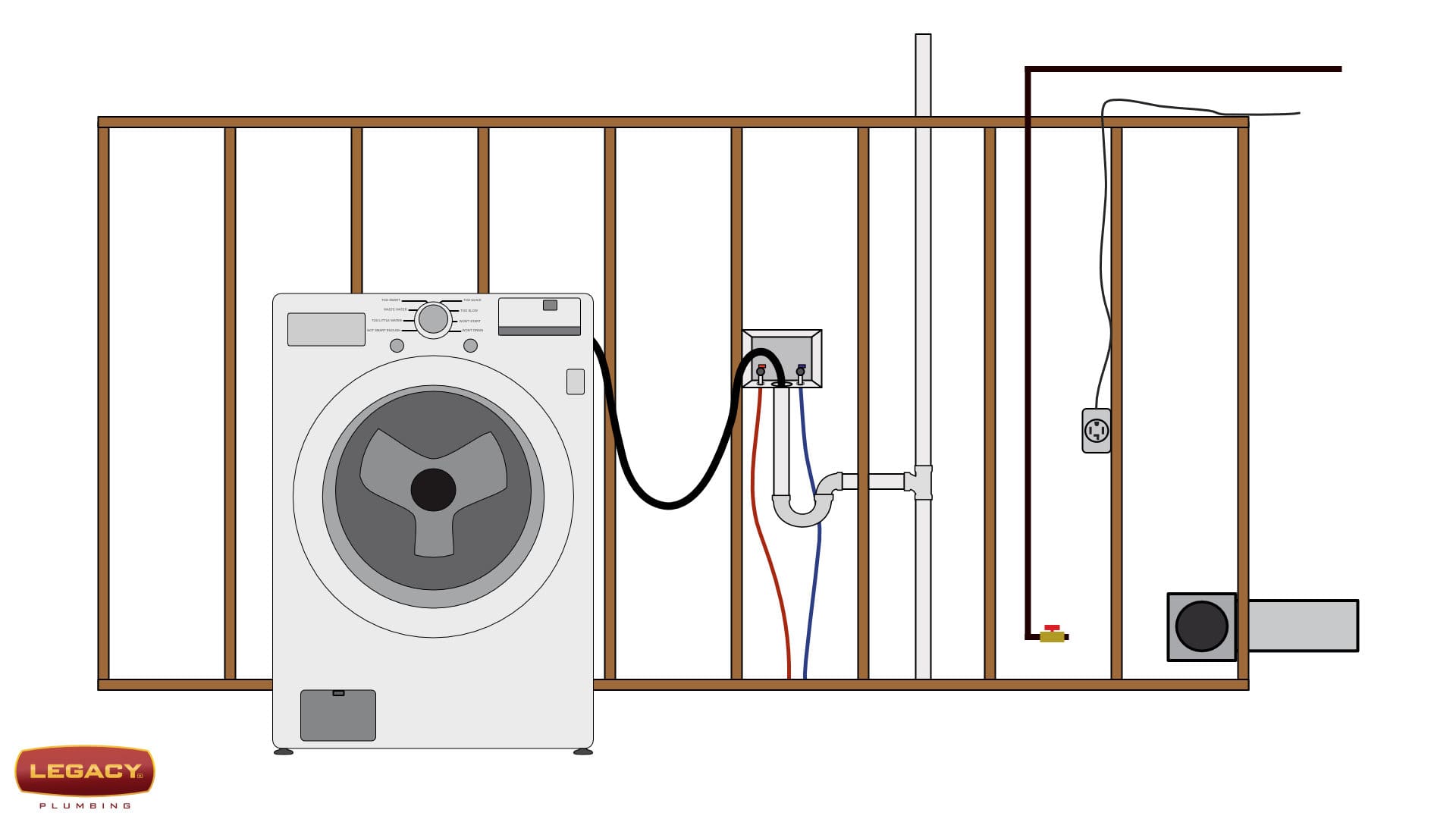
Stackable Washer And Dryer Electrical Requirements

Understanding the Electrical Needs of Stackable Washers and Dryers
Stackable washer and dryer units are a popular choice for homeowners and apartment dwellers looking to maximize space. However, before purchasing one of these convenient appliances, it's crucial to understand their specific electrical requirements. Incorrect wiring or insufficient power can lead to appliance malfunction, electrical hazards, and even fires. This comprehensive guide will walk you through everything you need to know about stackable washer and dryer electrical requirements, ensuring a safe and efficient installation.
Voltage and Amperage: The Basics
The first thing to consider is the voltage and amperage requirements of your stackable washer and dryer. These details are typically found on the appliance's nameplate, usually located on the back or inside the door. It's crucial to consult this information before connecting the appliance to your electrical system.
Washers generally require a standard 120-volt electrical outlet with a dedicated 15- or 20-amp circuit. This means the washer should be the only appliance drawing power from that particular circuit breaker.
Dryers, on the other hand, typically require a 240-volt electrical outlet with a dedicated 30-amp circuit. This higher voltage is needed to power the dryer's heating element efficiently. Never attempt to plug a 240-volt dryer into a 120-volt outlet or vice versa; this can cause serious damage and pose a significant safety risk.
Dedicated Circuits: Why They Matter
A dedicated circuit is a circuit breaker in your electrical panel that is specifically wired to supply power to a single appliance. Dedicated circuits are essential for both washers and dryers, particularly dryers due to their high power demands. Sharing a circuit with other appliances can overload the circuit, causing the breaker to trip frequently and potentially damaging your appliances.
Imagine running your dryer while someone is using a hair dryer on the same circuit. The combined power draw might exceed the circuit's capacity, leading to an overload. Dedicated circuits prevent this by ensuring that each appliance has its own independent power source.
Outlet Types: Matching the Plug
Stackable dryers, requiring 240-volt power, use a different type of outlet than standard 120-volt appliances. The most common types are:
- 3-Prong Outlet (NEMA 10-30): This older style outlet features two angled blades and a half-moon-shaped ground. While still found in some older homes, it's generally recommended to upgrade to a 4-prong outlet for safety reasons.
- 4-Prong Outlet (NEMA 14-30): The current standard, this outlet features two angled blades, a vertical blade (neutral), and a round ground. It provides a safer and more reliable grounding connection compared to the 3-prong outlet.
Before installing your stackable dryer, check the type of outlet you have. If you have a 3-prong outlet and your new dryer has a 4-prong plug, you'll need to either replace the outlet with a 4-prong version or replace the dryer's cord with a 3-prong cord. Consult a qualified electrician for this type of work to ensure it's done safely and correctly. Wiring mistakes can be very dangerous.
Wiring Considerations: Gauge and Type
The wiring connected to your washer and dryer outlets must be of the correct gauge (thickness) to handle the electrical load. For a 120-volt washer circuit, 12-gauge wire is typically sufficient, while a 240-volt dryer circuit requires 10-gauge wire. Using wire that is too thin can overheat, melt the insulation, and potentially cause a fire.
The type of wiring is also important. Non-metallic (NM) cable, also known as Romex, is commonly used for residential wiring. However, for high-amperage appliances like dryers, it's often recommended to use conduit for added protection. Conduit is a metal or plastic pipe that encloses the wires, providing physical protection from damage and reducing the risk of electrical shock.
Gas vs. Electric Dryers: A Key Difference
While this article primarily focuses on electric dryers, it's important to mention gas dryers. Gas dryers use natural gas or propane for heating, but they still require a 120-volt electrical outlet to power the drum motor, controls, and safety features. Therefore, even with a gas dryer, you'll need a dedicated 120-volt circuit. The amperage requirement for a gas dryer is typically lower than an electric dryer, usually around 10 amps.
Troubleshooting Common Electrical Issues
If you're experiencing electrical problems with your stackable washer and dryer, such as tripped breakers or appliances that won't turn on, here are some troubleshooting steps you can take:
- Check the Circuit Breaker: Ensure that the breaker for the washer and dryer is not tripped. If it is, reset it. If the breaker trips repeatedly, there may be an underlying electrical problem that needs to be addressed by an electrician.
- Inspect the Power Cord and Plug: Look for any signs of damage to the power cord or plug. Frayed wires, cracked insulation, or loose connections can cause electrical problems.
- Test the Outlet: Use a voltage tester to verify that the outlet is providing the correct voltage. If the outlet is not working, there may be a problem with the wiring or the circuit breaker.
- Overloading: Make sure other appliances are not drawing power from the same circuit.
Important Note: If you are not comfortable working with electricity, always consult a qualified electrician. Electrical work can be dangerous and should only be performed by someone who is properly trained and experienced.
Professional Installation: The Safest Option
While some homeowners may be tempted to install their stackable washer and dryer themselves, professional installation is highly recommended. A qualified electrician can ensure that the wiring is up to code, the outlet is properly grounded, and the appliance is connected safely and efficiently. This will not only protect your appliances but also safeguard your home and family from electrical hazards.
Cost Considerations for Electrical Work
The cost of electrical work for a stackable washer and dryer installation can vary depending on several factors, including:
- Whether a new circuit needs to be installed.
- The distance between the electrical panel and the appliance location.
- The type of wiring and outlet required.
- The electrician's hourly rate.
Generally, you can expect to pay anywhere from $100 to $500 or more for electrical work associated with a stackable washer and dryer installation. It's always a good idea to get quotes from several electricians before making a decision. Be sure to ask for a detailed breakdown of the costs involved.
Stackable Washer and Dryer Brands and Models
Several reputable brands offer stackable washer and dryer sets. Here are a few popular examples:
- LG: Known for their innovative features and energy efficiency.
- Samsung: Offers stylish designs and smart technology.
- Whirlpool: A trusted brand with a wide range of models to choose from.
- GE: Known for their reliability and durability.
When choosing a stackable washer and dryer set, consider factors such as capacity, features, energy efficiency, and price. Read online reviews and compare different models to find the best fit for your needs.
Energy Efficiency: Saving Money and the Environment
Look for Energy Star certified models, as these appliances meet strict energy efficiency guidelines set by the U.S. Environmental Protection Agency. Energy Star certified washers and dryers use less water and electricity, saving you money on your utility bills and reducing your environmental impact.
Warranties and Maintenance
Most stackable washers and dryers come with a manufacturer's warranty, typically covering parts and labor for a specific period, such as one year. Extended warranties are also available for purchase. Regular maintenance, such as cleaning the lint trap in the dryer and checking the hoses on the washer, can help to extend the life of your appliances.
Conclusion
Understanding the electrical requirements of stackable washers and dryers is essential for a safe and efficient installation. By following the guidelines outlined in this article and consulting with a qualified electrician when needed, you can ensure that your appliances are properly powered and protected. This will not only prolong the lifespan of your washer and dryer but also provide peace of mind knowing that your home is safe from electrical hazards. Always prioritize safety and consult with professionals when in doubt. Remember that proper installation and adherence to electrical codes are paramount.