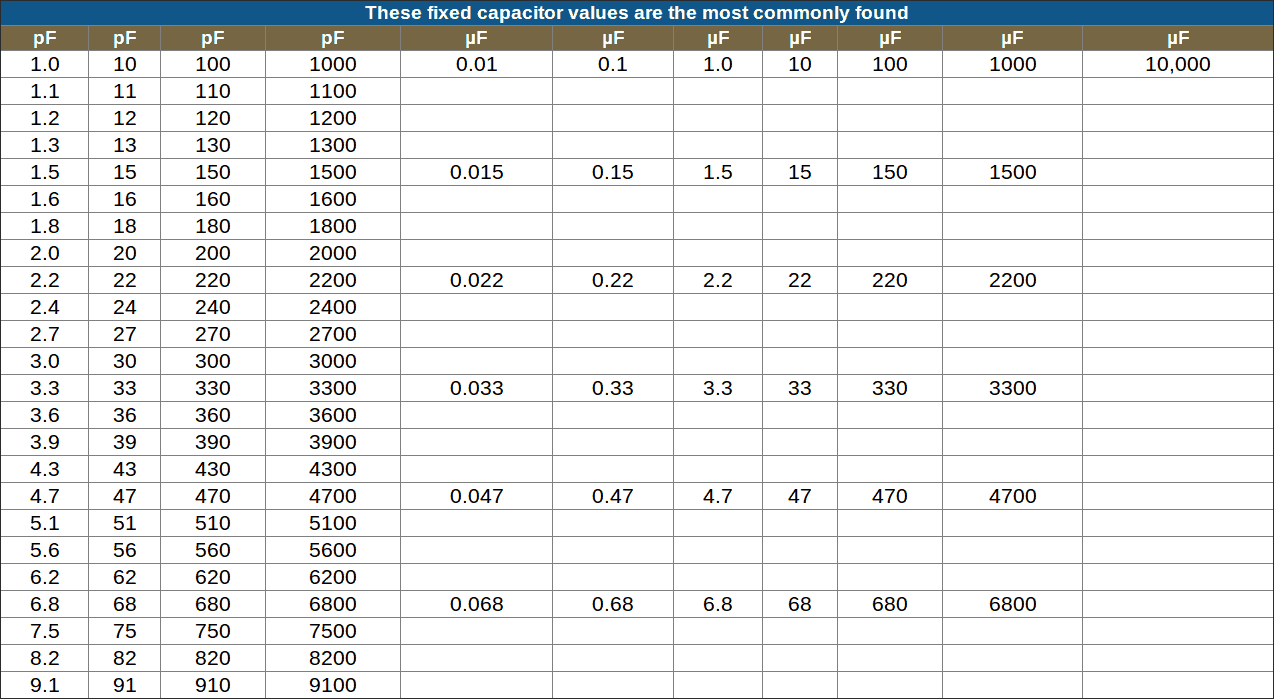
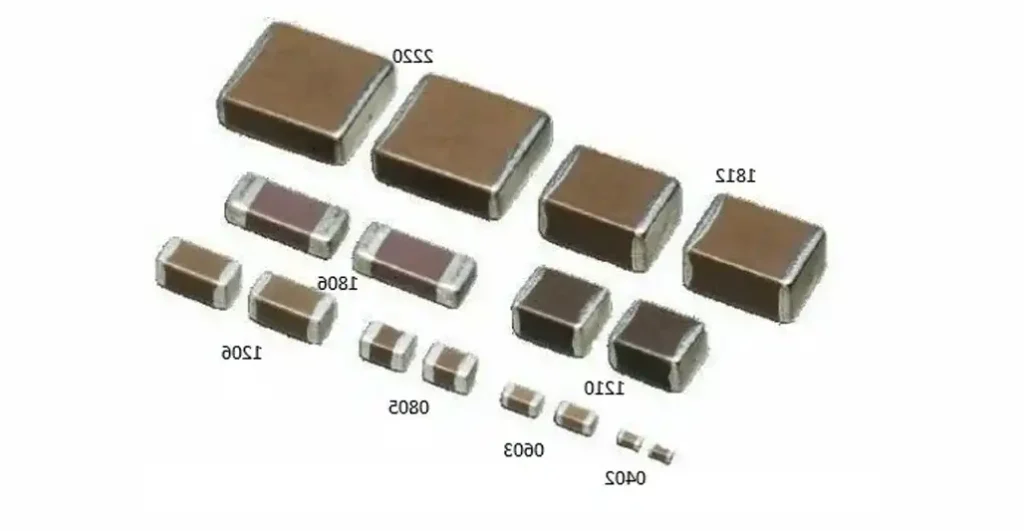
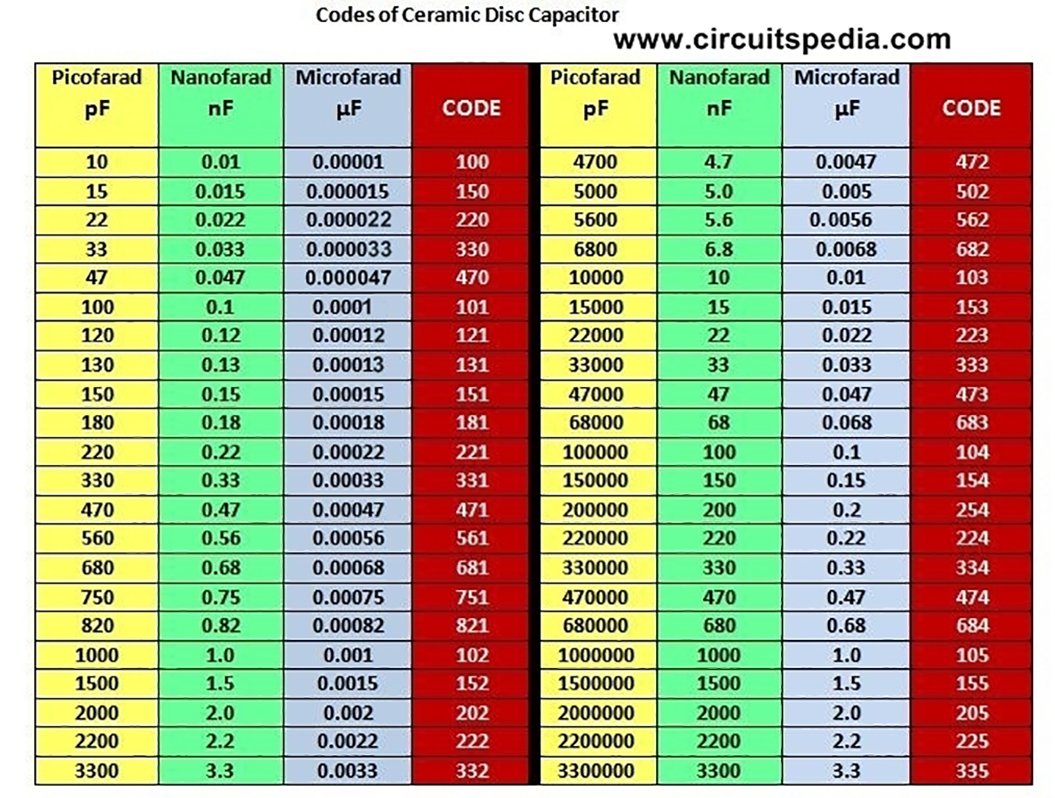
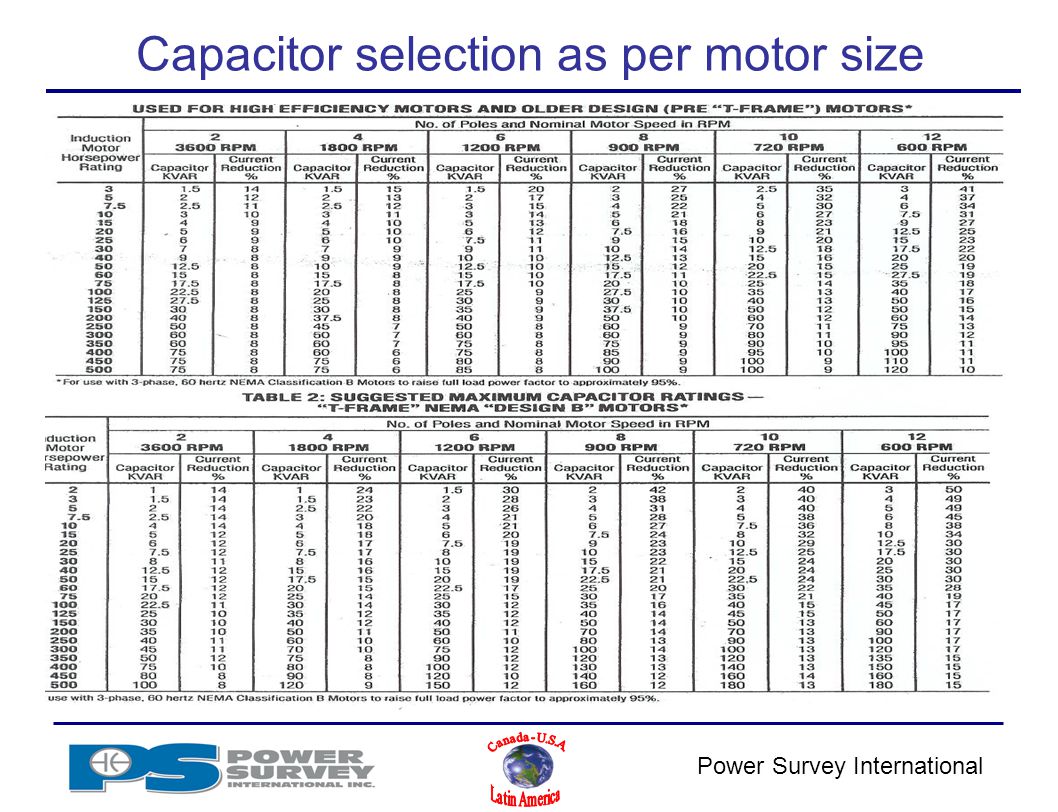
Standard Capacitor Sizes
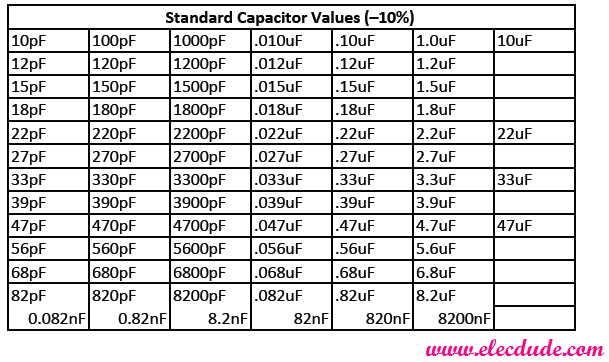
Capacitors are essential components in almost every HVAC system, acting as energy reservoirs to provide the extra boost needed for motors to start and run efficiently. Understanding standard capacitor sizes, their functions, and how to select the right one is crucial for homeowners, HVAC technicians, and facility managers alike. This article will delve into the world of HVAC capacitors, exploring common sizes, their applications, and factors to consider when choosing a replacement.
Capacitors: The Unsung Heroes of HVAC Systems
Before diving into specific sizes, it's important to understand what capacitors do in HVAC systems. Think of them as a battery, but instead of providing sustained power, they deliver a short, powerful burst of energy. This surge is vital for starting electric motors, such as those found in compressors, fans, and blowers. Without a properly functioning capacitor, these motors would struggle to start, leading to system inefficiency, increased energy consumption, and eventual motor failure.
There are primarily two types of capacitors used in HVAC systems:
- Start Capacitors: These capacitors provide a high burst of energy to start a motor. They are designed for short-term use and are typically disconnected from the circuit once the motor is running. Start capacitors have a higher microfarad (µF) rating than run capacitors.
- Run Capacitors: These capacitors are designed for continuous operation. They provide a smaller, but sustained, boost of energy to keep the motor running efficiently. They are rated for continuous duty.
Many HVAC systems utilize a dual run capacitor, which combines two capacitors in a single cylindrical housing. One section powers the compressor motor, while the other powers the fan motor. This design simplifies wiring and reduces the number of components needed.
Understanding Microfarads (µF) and Voltage
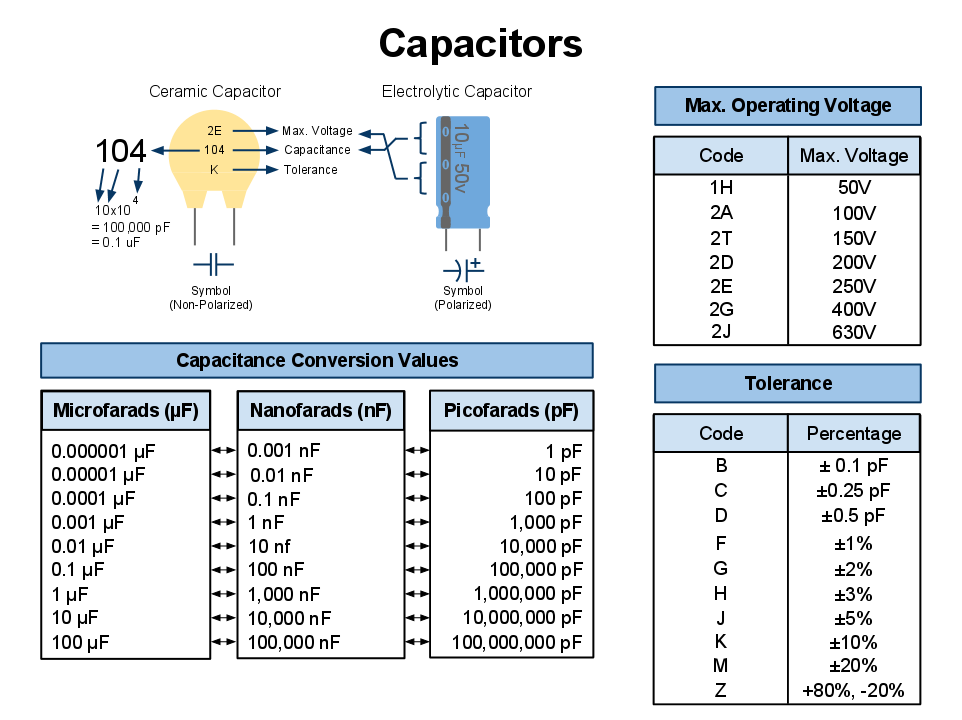
The size of a capacitor is defined by its capacitance, measured in microfarads (µF), and its voltage rating. The microfarad rating indicates the amount of electrical charge the capacitor can store. The voltage rating specifies the maximum voltage the capacitor can safely handle. Always replace a capacitor with one that has the same or very close microfarad rating and an equal or higher voltage rating. Using a capacitor with a lower voltage rating can lead to catastrophic failure.
Example: A capacitor labeled "40/5 µF 370 VAC" indicates that it's a dual run capacitor. One section has a capacitance of 40 µF, the other has 5 µF, and the capacitor is rated for a maximum voltage of 370 volts AC.
Common Standard Capacitor Sizes
While numerous capacitor sizes exist, some are more common than others in HVAC applications. Below are some of the standard microfarad ratings and their typical uses:
Single Run Capacitors:
- 2.5 µF to 5 µF: Often found in smaller fan motors and some indoor blower motors in window AC units or smaller ductless systems.
- 7.5 µF to 15 µF: Used in larger fan motors and some smaller compressor motors.
- 20 µF to 30 µF: Common in mid-sized compressor motors and larger fan motors in residential air conditioning systems.
- 35 µF to 60 µF: Typically found in larger compressor motors in central air conditioning systems and heat pumps.
Dual Run Capacitors:
- 20/5 µF to 40/5 µF: Very common in residential air conditioners and heat pumps, where the larger rating powers the compressor and the smaller rating powers the fan motor.
- 45/5 µF to 60/7.5 µF: Found in larger residential and light commercial HVAC systems, providing more power for larger compressors and fans.
- 70/7.5 µF to 80/10 µF: Used in larger commercial systems requiring higher power for both compressor and fan motors.
Important Note: These are just general guidelines. The specific capacitor size required for a particular HVAC system is determined by the manufacturer's specifications. Always refer to the equipment's nameplate or service manual for the correct capacitor size.
Factors Influencing Capacitor Selection
Choosing the correct capacitor is crucial for ensuring optimal HVAC system performance and longevity. Here are key factors to consider:
- OEM Specifications: Always prioritize the capacitor size specified by the original equipment manufacturer (OEM). This information is usually found on the equipment's nameplate or in the service manual.
- Voltage Rating: Select a capacitor with a voltage rating equal to or higher than the voltage specified for the equipment. Never use a capacitor with a lower voltage rating.
- Operating Temperature: Consider the ambient temperature where the capacitor will be installed. High temperatures can shorten capacitor lifespan. Choose a capacitor rated for the expected operating temperature range.
- Case Material: Capacitors are typically housed in either aluminum or plastic cases. Aluminum cases offer better heat dissipation, which can be beneficial in high-temperature environments.
- Safety Features: Look for capacitors with built-in safety features, such as pressure-sensitive interrupters (PSIs). These devices disconnect the capacitor from the circuit in the event of overpressure, preventing potential explosions or fire hazards.
- UL Listing: Ensure that the capacitor is UL listed, indicating that it has been tested and certified to meet safety standards.
Troubleshooting Capacitor Issues
Capacitors are prone to failure over time due to heat, voltage surges, and general wear and tear. Common signs of a failing capacitor include:
- Hard Starting: The motor struggles to start or makes a humming sound.
- Reduced Efficiency: The HVAC system doesn't cool or heat as effectively as it used to.
- Increased Energy Consumption: Higher electricity bills due to inefficient motor operation.
- Overheating: The motor or compressor runs hotter than normal.
- Physical Damage: Bulging, leaking, or cracked capacitor case.
Technicians use specialized tools, such as a multimeter with capacitance measurement capabilities, to test capacitors. A reading significantly outside the specified microfarad range indicates a failing capacitor that needs to be replaced. It's essential to discharge the capacitor before testing or handling it to avoid electric shock.
Cost Considerations
The cost of HVAC capacitors varies depending on their size, voltage rating, and brand. Single run capacitors generally range from $10 to $30, while dual run capacitors can cost between $20 and $60. Professional installation by a qualified HVAC technician will add to the overall cost, but it's crucial to ensure proper installation and safety.
While it might be tempting to save money by purchasing a cheaper capacitor, it's important to invest in a quality product from a reputable brand. A higher-quality capacitor will typically last longer and provide more reliable performance, ultimately saving you money in the long run.
The Importance of Professional Installation
Replacing a capacitor might seem like a simple task, but it's essential to have it done by a qualified HVAC technician. Improper installation can lead to serious problems, including:
- Electrical Shock: Capacitors store a significant amount of electrical energy, even when the system is turned off. Incorrect handling can result in a dangerous electric shock.
- System Damage: Incorrect wiring or using the wrong capacitor size can damage the motor or other components of the HVAC system.
- Voided Warranty: Improper installation may void the manufacturer's warranty on the HVAC equipment.
A qualified HVAC technician has the knowledge, skills, and tools to safely and correctly replace a capacitor, ensuring optimal system performance and preventing potential hazards.
Conclusion
Understanding standard capacitor sizes and their role in HVAC systems is crucial for homeowners, HVAC technicians, and facility managers. By selecting the right capacitor and ensuring proper installation, you can optimize system performance, improve energy efficiency, and extend the lifespan of your HVAC equipment. Always prioritize safety and consult with a qualified HVAC technician for any capacitor-related issues. Remember, a small investment in the right capacitor can lead to significant long-term savings and improved comfort.
Disclaimer: This article is for informational purposes only and should not be considered a substitute for professional HVAC advice. Always consult with a qualified technician for any HVAC-related issues.