Standard Exterior Outlet Height
Determining the appropriate height for installing exterior electrical outlets is crucial for both functionality and safety. While there isn't a single, universally mandated height, understanding the factors that influence outlet placement is essential for homeowners, contractors, and electricians alike. This guide provides a comprehensive overview of standard exterior outlet heights, relevant codes, and best practices for installation.
Why Does Outlet Height Matter?
Outlet height isn't just an aesthetic consideration; it significantly impacts the usability and safety of your outdoor electrical system. Several factors come into play:
- Accessibility: An outlet placed too low might be difficult to reach, especially for individuals with mobility issues.
- Safety: Low-mounted outlets are more susceptible to moisture, debris, and accidental damage, increasing the risk of electrical shock or fire. Imagine a sprinkler system constantly spraying a poorly sealed outlet – that's a recipe for trouble.
- Compliance: Building codes and regulations often specify minimum heights for outdoor outlets to ensure safety and accessibility.
- Functionality: The intended use of the outlet influences its ideal height. An outlet for holiday lights might be placed higher than one intended for powering lawn equipment.
Understanding the National Electrical Code (NEC)
The National Electrical Code (NEC) is the cornerstone of electrical safety standards in the United States. While the NEC doesn't explicitly dictate a specific height for all exterior outlets, it does provide guidelines that influence their placement. Adherence to the NEC is paramount for ensuring safe and code-compliant installations.
Here are key NEC requirements relevant to exterior outlets:
- GFCI Protection: The NEC mandates Ground Fault Circuit Interrupter (GFCI) protection for all 120-volt, single-phase, 15- and 20-ampere receptacles installed in readily accessible outdoor locations. A GFCI is a crucial safety device that quickly cuts off power when it detects a ground fault, preventing electrical shock. Think of a GFCI as a vigilant guard dog constantly monitoring the electrical current, ready to jump into action at the first sign of danger.
- Weatherproof Enclosures: All outdoor outlets must be housed in weatherproof enclosures designed to protect them from rain, snow, and other environmental elements. These enclosures are typically rated for outdoor use and are essential for preventing water from entering the electrical system.
- Box Fill Calculations: The NEC specifies rules for box fill, which dictates the maximum number of wires and devices that can be safely installed in an electrical box. Overcrowding a box can lead to overheating and fire hazards.
- Wiring Methods: The NEC outlines acceptable wiring methods for outdoor installations, including the use of weather-resistant cables and conduits.
Recommended Exterior Outlet Heights
While the NEC doesn't provide specific height requirements, industry best practices and local building codes often suggest the following guidelines:
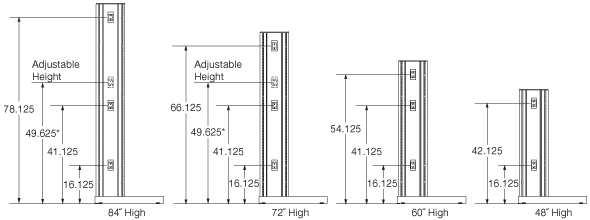
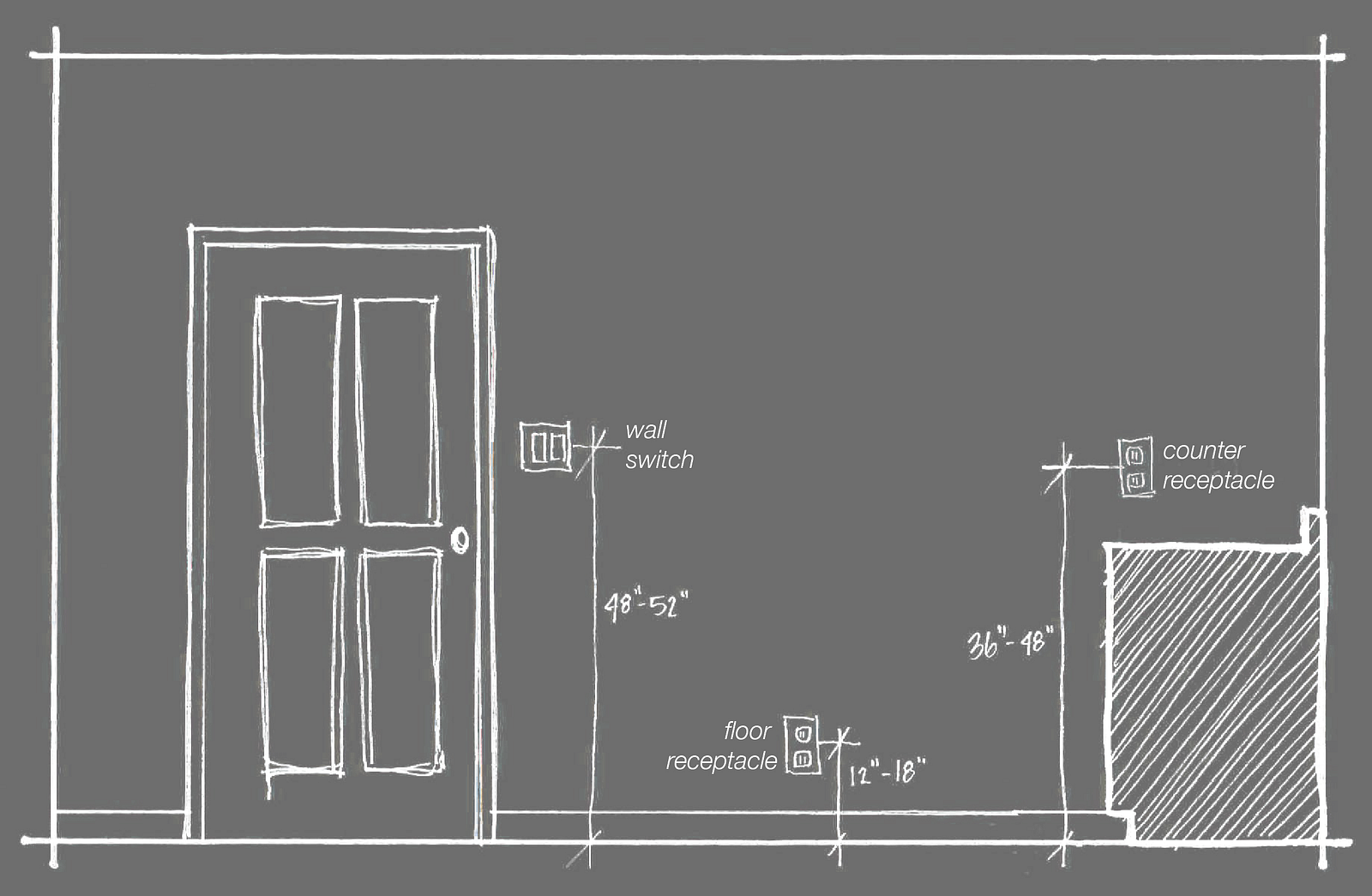
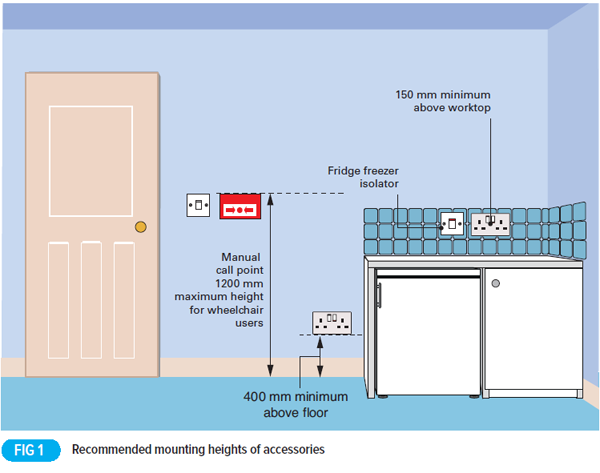
- Minimum Height: Generally, a minimum height of 12 inches (30 cm) above grade (ground level) is recommended for exterior outlets. This helps prevent water, snow, and debris from entering the outlet.
- Standard Height: A common height for exterior outlets is 12 to 18 inches (30 to 46 cm) above grade. This height provides a good balance between accessibility and protection from the elements.
- ADA Compliance: For accessible locations, the Americans with Disabilities Act (ADA) recommends that outlets be mounted no lower than 15 inches (38 cm) and no higher than 48 inches (122 cm) above the finished floor or ground. This ensures that individuals with disabilities can easily access the outlets.
- Specific Applications:
- Decks and Patios: Outlets on decks and patios are often mounted 12 to 18 inches (30 to 46 cm) above the deck surface.
- Near Water Features: Outlets near pools, ponds, or other water features require extra caution and should be installed at a higher level, typically at least 18 inches (46 cm) above the highest anticipated water level. Consult local codes for specific requirements.
- Under Eaves: Outlets mounted under eaves or overhangs may be slightly higher, but it's still important to consider accessibility and potential moisture exposure.
It's crucial to consult your local building codes, as they may have specific requirements that supersede these general recommendations. Your local electrical inspector is the best resource for determining the appropriate height for your specific project.
Factors to Consider When Choosing Outlet Height
Beyond code compliance, several practical factors influence the ideal height for your exterior outlets:
- Flood Risk: In areas prone to flooding, outlets should be mounted well above the anticipated flood level. Consider the historical flood data for your property.
- Snow Accumulation: In regions with heavy snowfall, outlets should be high enough to avoid being buried under snowdrifts.
- Landscaping: Consider the placement of landscaping features, such as bushes and flowerbeds, which could obstruct access to low-mounted outlets.
- Intended Use: The primary purpose of the outlet should influence its placement. An outlet for powering a grill might be placed at a different height than an outlet for holiday lights.
- Aesthetics: While safety and functionality are paramount, consider the aesthetic impact of outlet placement. Aim for a height that blends seamlessly with the surrounding architecture.
Installing Exterior Outlets: A Step-by-Step Guide (General Overview)
Warning: Electrical work can be dangerous. If you are not comfortable working with electricity, hire a qualified electrician.
This is a simplified overview. Always consult the NEC and local codes, and seek professional assistance when needed.
- Planning and Preparation:
- Obtain necessary permits and approvals.
- Determine the desired outlet height based on the factors discussed above.
- Gather all necessary materials, including weatherproof outlet boxes, GFCI receptacles, weatherproof covers, wiring, conduit (if required), and tools.
- Turn off the power to the circuit at the breaker box. Double-check that the power is off before proceeding.
- Wiring:
- Run the appropriate type of wiring (e.g., UF cable or THWN wire in conduit) from the power source to the outlet location.
- Properly connect the wires to the GFCI receptacle according to the manufacturer's instructions. Pay close attention to the grounding wire.
- Mounting the Outlet Box:
- Securely mount the weatherproof outlet box to the wall or post at the desired height.
- Ensure the box is properly sealed to prevent water intrusion.
- Installing the Receptacle and Cover:
- Carefully insert the GFCI receptacle into the outlet box and secure it with screws.
- Install a weatherproof cover that is suitable for use in damp or wet locations.
- Testing:
- Turn the power back on at the breaker box.
- Test the GFCI receptacle to ensure it is functioning properly. Press the "Test" button and then the "Reset" button.
Common Mistakes to Avoid
Several common mistakes can compromise the safety and functionality of exterior outlets:
- Ignoring Local Codes: Failing to consult and adhere to local building codes is a major mistake.
- Improper Grounding: A properly grounded outlet is essential for safety. Ensure the grounding wire is correctly connected.
- Using Non-Weatherproof Components: Using standard indoor outlets and covers outdoors is a recipe for disaster.
- Overcrowding Electrical Boxes: Overfilling an electrical box can lead to overheating and fire hazards.
- Poor Sealing: Failing to properly seal the outlet box and wiring connections can allow water to enter the system.
- DIY Without Proper Knowledge: Attempting electrical work without adequate knowledge and experience can be dangerous. When in doubt, hire a professional electrician.
Conclusion
Choosing the appropriate height for exterior outlets is a critical aspect of electrical safety and functionality. By understanding the NEC guidelines, local building codes, and practical considerations, you can ensure that your outdoor outlets are both safe and convenient to use. Remember to prioritize safety and consult with a qualified electrician whenever necessary. Properly installed exterior outlets enhance your outdoor living space while protecting you and your family from electrical hazards.

:max_bytes(150000):strip_icc()/Electrical-code-for-outlets-1821513_color-8f7918755f194def8d0197088306df5f.jpg)