Standard Hvac Filter Sizes
Understanding your HVAC system's air filter is a crucial step in maintaining energy efficiency, improving indoor air quality, and extending the lifespan of your equipment. Choosing the right filter size is not just about fitting it into the slot; it’s about optimizing performance, reducing energy waste, and potentially saving significant money on your utility bills. This article delves into the world of standard HVAC filter sizes, helping homeowners, business owners, smart home enthusiasts, and even HVAC contractors navigate this critical component of heating and cooling systems.
Decoding Standard HVAC Filter Sizes
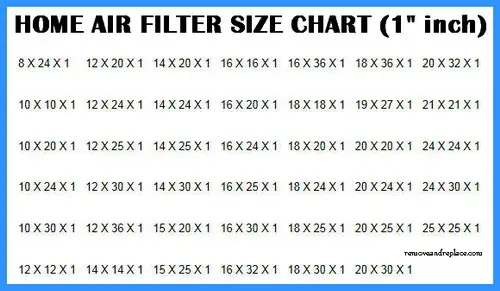
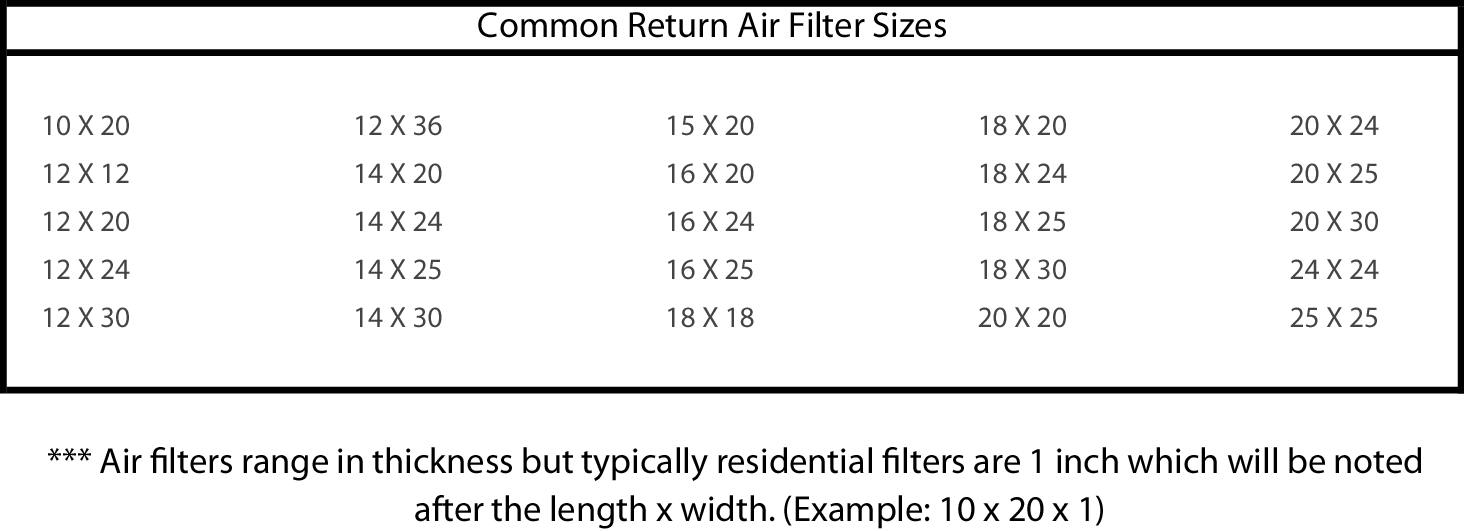
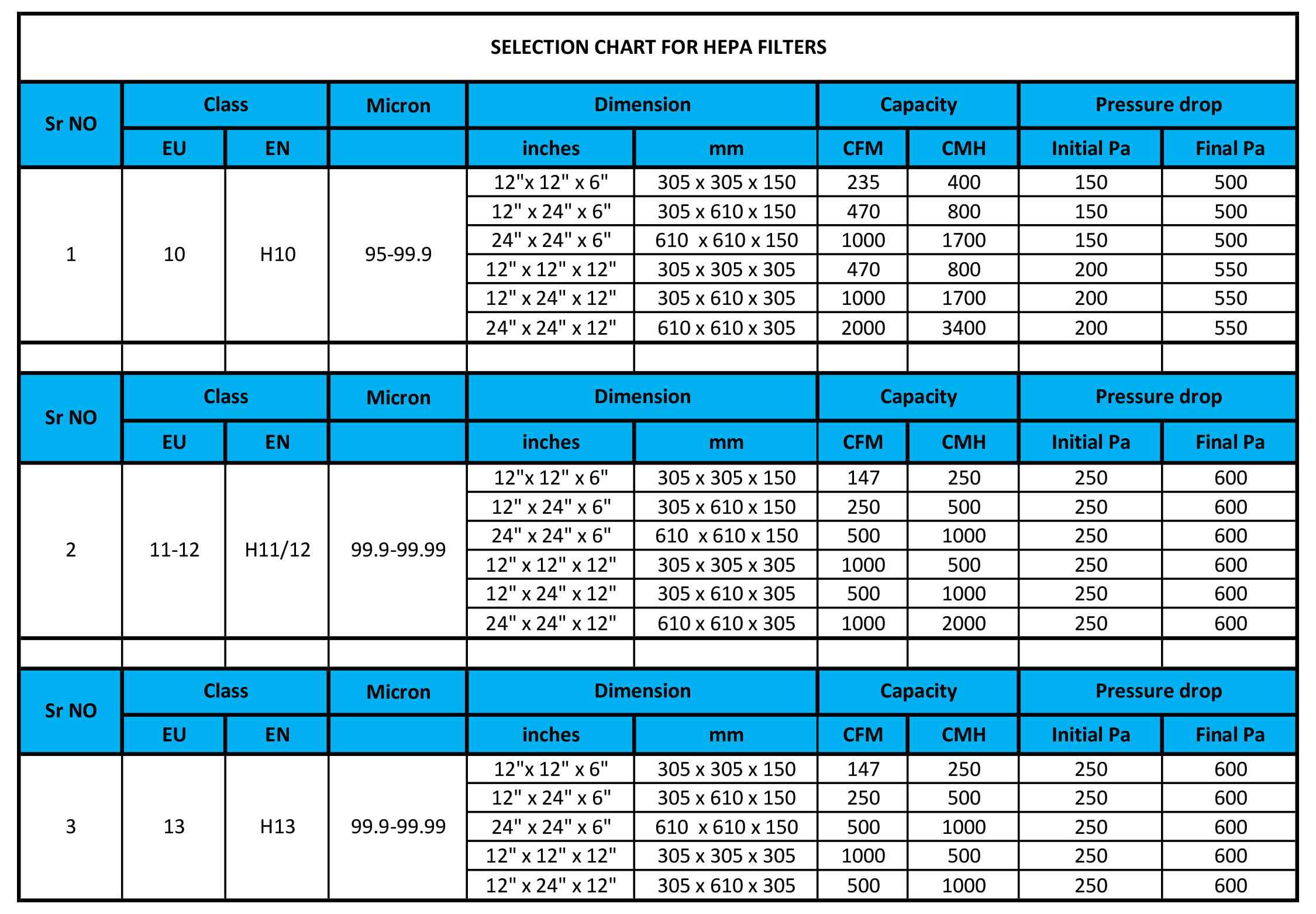
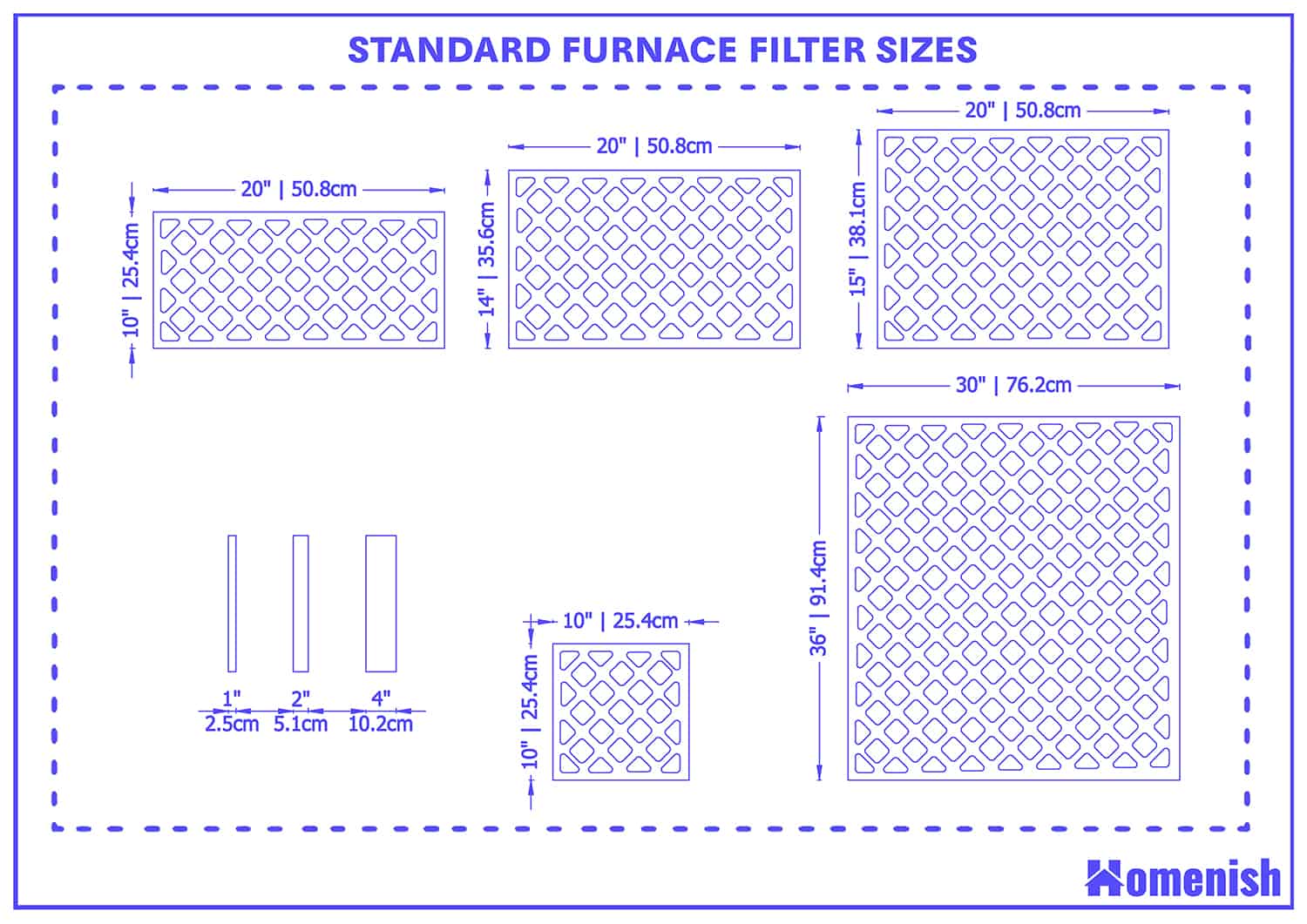
HVAC filters come in a wide range of sizes, typically measured in inches (length x width x thickness). The most common sizes are:
- 16x20x1 inches: A frequent choice for smaller residential HVAC systems.
- 20x20x1 inches: Another common residential size.
- 16x25x1 inches: Widely used in many homes.
- 20x25x1 inches: A popular option for larger residential systems.
- 12x24x1 inches: Used in some apartment units or smaller homes.
- 14x20x1 inches
- 20x30x1 inches: often found in commercial or larger residential systems.
- 20x25x4 inches: Thicker filters provide increased filtration capacity and longer lifespan
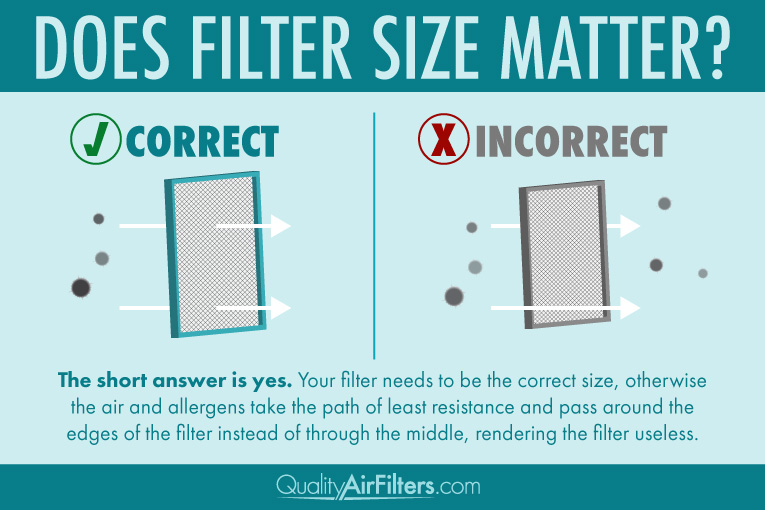
While these are standard sizes, variations exist. Always check your HVAC unit's manual or the existing filter to determine the exact size required. Many filters will have the dimensions printed on the side. Using the wrong size can lead to air leakage around the filter, bypassing the filtration process and reducing the system's efficiency.
The thickness of the filter (often the last number in the size specification) is also important. 1-inch filters are the most common, but thicker filters (2, 4, or even 5 inches) offer advantages in terms of filtration surface area and lifespan. Upgrading to a thicker filter, if your system allows, can improve air quality and reduce the frequency of filter changes.
Finding the Right Fit: How to Measure
If you're unsure of the correct filter size, here’s how to measure:
- Remove the old filter: Carefully take out the existing filter from its slot.
- Measure accurately: Use a measuring tape to determine the length, width, and thickness of the filter. Measure to the nearest 1/8 inch.
- Record the dimensions: Write down the measurements (length x width x thickness).
- Consult the manual: If you have your HVAC system's manual, refer to it for the recommended filter size.
Important Note: Don't assume that all HVAC systems of a similar type use the same size filter. Always verify the correct size before purchasing a replacement.
MERV Ratings: Understanding Filtration Levels
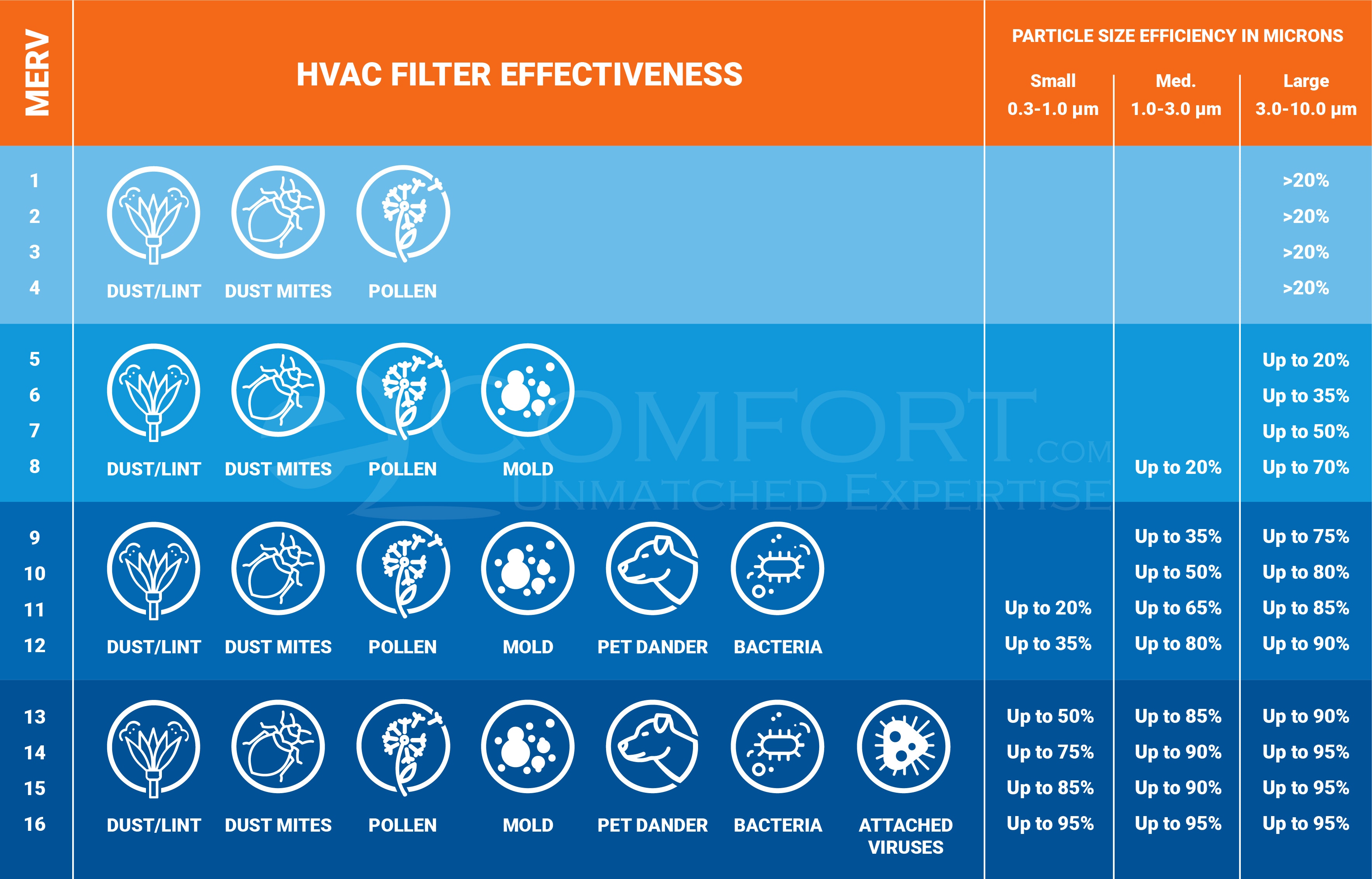
Beyond size, the Minimum Efficiency Reporting Value (MERV) rating is a critical factor in choosing an HVAC filter. The MERV rating indicates the filter's ability to capture particles of different sizes, ranging from 1 to 16. Higher MERV ratings mean better filtration but can also increase airflow resistance, potentially reducing your HVAC system's efficiency.
Here's a general guide to MERV ratings:
- MERV 1-4: These filters are basic and primarily capture large particles like dust, pollen, and dust mites. They offer minimal airflow restriction and are suitable for general use.
- MERV 5-8: These filters capture smaller particles, including mold spores and pet dander. They provide a good balance between filtration and airflow and are suitable for most homes.
- MERV 9-12: These filters capture even smaller particles, such as smog and some bacteria. They offer improved air quality but may slightly increase airflow resistance. Consider these if you have allergies or respiratory sensitivities.
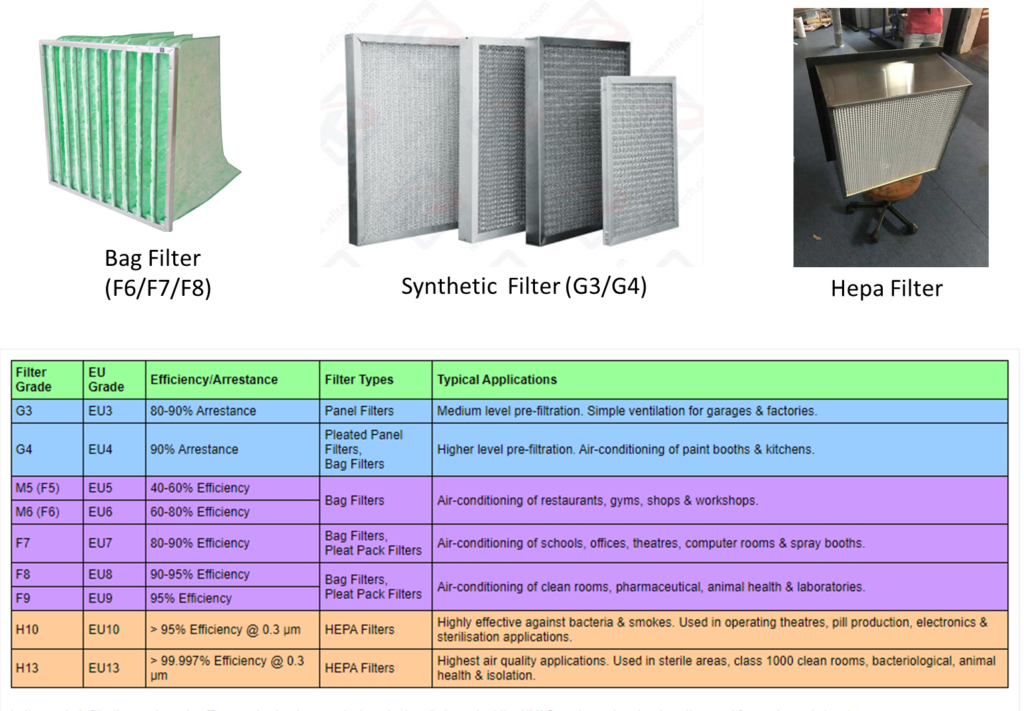
- MERV 13-16: These filters capture very small particles, including viruses and smoke. They provide the highest level of filtration but can significantly restrict airflow, potentially straining your HVAC system and increasing energy consumption. These are generally recommended for hospitals or specialized environments.
For most residential applications, a MERV rating of 8-11 is typically recommended. However, consult with an HVAC professional to determine the best MERV rating for your specific system and needs. Using a filter with too high of a MERV rating can restrict airflow, causing your system to work harder and consume more energy. This can also lead to premature wear and tear on your HVAC equipment.
The Impact of Filter Size and MERV Rating on Energy Efficiency
Choosing the right filter size and MERV rating directly impacts your HVAC system's energy efficiency. A properly sized filter ensures a snug fit, preventing air leakage and maximizing filtration effectiveness. A filter with an appropriate MERV rating balances filtration with airflow, allowing your system to operate efficiently.
Here's how filter choices affect energy consumption:
- Undersized or poorly fitted filter: Allows unfiltered air to bypass the filter, reducing air quality and forcing the system to work harder to maintain the desired temperature.
- Oversized filter: May not fit properly, leading to air leakage.
- High-MERV filter (too restrictive): Increases airflow resistance, causing the blower motor to work harder and consume more energy. This can also lead to overheating and system failure.
- Dirty or clogged filter: Restricts airflow, forcing the system to work harder and consume more energy. This is the most common cause of reduced HVAC efficiency.
Regular filter changes are crucial for maintaining energy efficiency. A dirty filter restricts airflow, forcing your system to work harder and use more energy. The U.S. Department of Energy estimates that replacing a dirty filter can reduce energy consumption by 5-15%. Furthermore, a clean filter helps prolong the life of your HVAC system by reducing strain on its components.
ROI and Cost Savings: The Numbers Behind Clean Air
The return on investment (ROI) for regular filter changes can be significant. Consider this scenario:
Assume a homeowner spends $20 per filter and changes it every three months. The annual cost is $80. If a dirty filter increases energy consumption by 10%, and the homeowner's annual energy bill is $2,000, the dirty filter costs an extra $200 per year.
In this case, regularly changing the filter saves $120 per year ($200 in energy savings - $80 cost of filters). This represents a 150% ROI on the filter investment. The actual savings will vary depending on the system, climate, and energy prices, but the principle remains the same: clean filters save money.
Furthermore, maintaining a clean system through regular filter changes can prevent costly repairs and extend the lifespan of your HVAC equipment. Replacing a blower motor or compressor can cost hundreds or even thousands of dollars. Preventing these issues through proactive maintenance can save a substantial amount of money over the long term.
Smart HVAC Integration: Taking Control of Air Quality and Efficiency
Smart home technology offers new ways to manage HVAC systems and optimize energy efficiency. Smart thermostats, sensors, and even smart air filters can provide valuable data and automation to improve air quality and reduce energy consumption.
Here are some benefits of smart HVAC integration:
- Smart Thermostats: Learn your heating and cooling patterns and automatically adjust the temperature to optimize comfort and energy savings. Many smart thermostats can also send alerts when it's time to change your filter.
- Air Quality Sensors: Monitor indoor air quality and provide real-time data on particulate matter, VOCs, and other pollutants. This information can help you choose the right MERV rating and schedule filter changes based on actual air quality conditions.
- Smart Air Filters: Some filters have built-in sensors that track filter life and send alerts when it's time for a replacement.
By integrating these technologies, you can gain greater control over your HVAC system, improve indoor air quality, and reduce energy consumption. Smart HVAC systems can also be integrated with other smart home devices, such as air purifiers and humidifiers, to create a comprehensive air quality management system.
Rebates and Incentives for Energy-Efficient HVAC
Many utility companies and government agencies offer rebates and incentives for upgrading to energy-efficient HVAC systems and components, including high-efficiency filters. Check with your local utility company and the Energy Star website (energystar.gov) to find available programs in your area.
These rebates can significantly reduce the upfront cost of upgrading your HVAC system or installing energy-efficient components, making it easier to invest in long-term energy savings. Furthermore, some states offer tax credits for energy-efficient home improvements.
Choosing the Right Filter: A Checklist
To summarize, here’s a checklist for choosing the right HVAC filter:
- Measure accurately: Determine the correct filter size (length x width x thickness) for your HVAC system.
- Consider MERV rating: Choose a MERV rating that balances filtration with airflow (typically 8-11 for residential applications).
- Check airflow direction: Install the filter with the arrow pointing in the direction of airflow.
- Replace regularly: Change your filter every 1-3 months, depending on air quality conditions and filter type.
- Consider smart technology: Explore smart thermostats, air quality sensors, and smart filters for improved control and automation.
- Check for rebates: Look for rebates and incentives for energy-efficient HVAC upgrades.
By following these guidelines, you can choose the right HVAC filter, optimize your system's energy efficiency, improve indoor air quality, and save money on your utility bills. Remember to consult with an HVAC professional for personalized recommendations based on your specific needs and system requirements.