Steam Boiler Sight Glass Leaking

A leaking sight glass on a steam boiler might seem like a minor annoyance, but it's a red flag that can lead to significant energy waste, costly repairs, and even safety hazards. For homeowners, businesses, and even HVAC professionals, understanding the causes, consequences, and solutions for a leaking sight glass is crucial for maintaining an efficient and safe heating system. This article dives deep into the issue, offering practical advice on how to identify, address, and prevent sight glass leaks, ultimately helping you lower your energy bills and ensure the longevity of your boiler.
Understanding the Steam Boiler Sight Glass
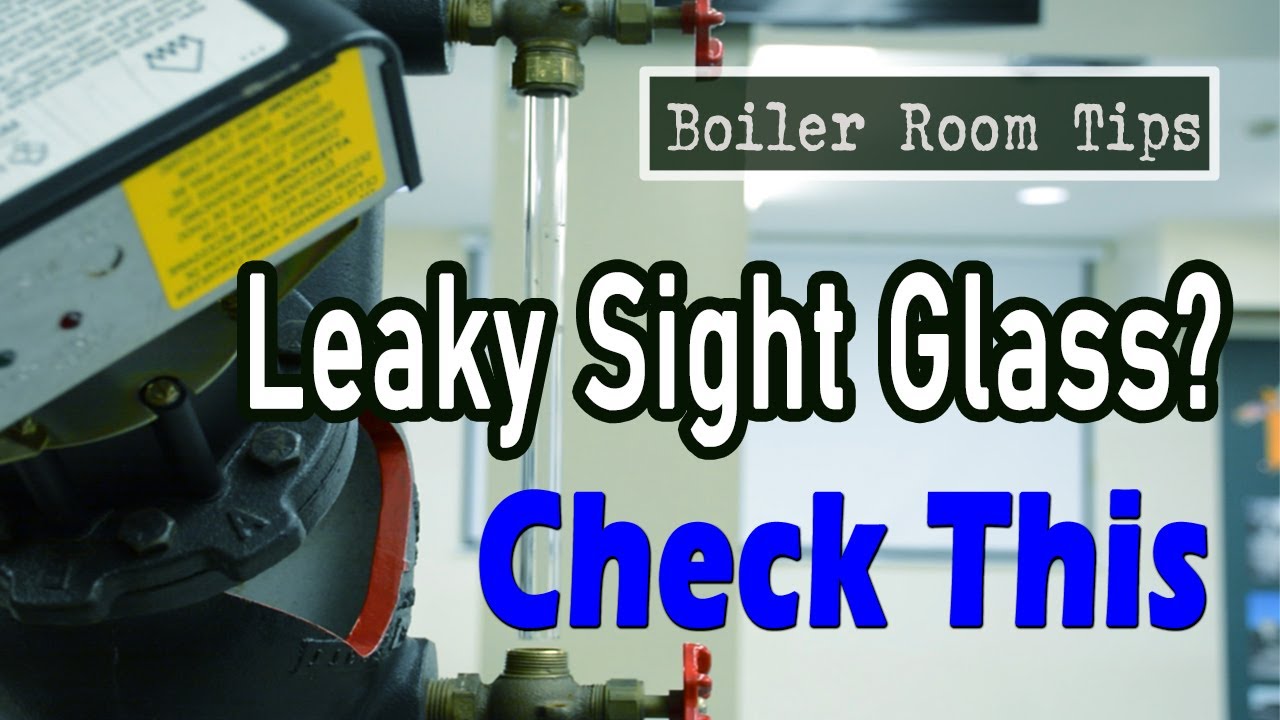
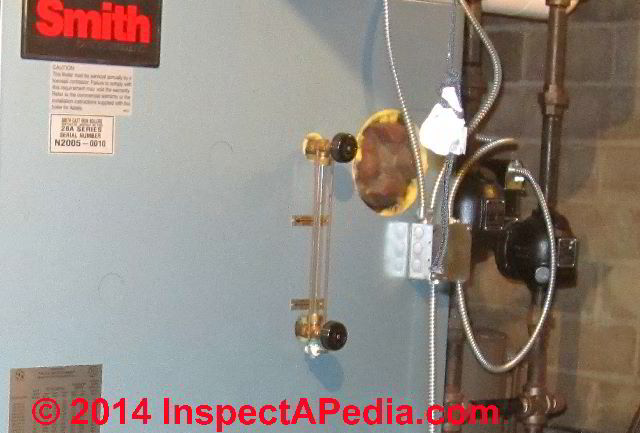
Before we delve into leaks, let's quickly review the function of a sight glass. Also referred to as a water gauge, this transparent tube is a critical component on a steam boiler. Its primary purpose is to visually indicate the water level inside the boiler. Proper water level is essential for safe and efficient operation. Too little water can lead to a dangerous overheating situation and potentially damage the boiler. Too much water reduces the steam space, decreasing efficiency and potentially causing water carryover, which can damage connected piping and equipment.
Most steam boilers utilize two sight glasses for redundancy, offering a backup in case one fails. These are typically made of heavy-duty glass or a durable polymer specifically designed to withstand the high pressures and temperatures associated with steam systems. They're connected to the boiler via fittings, which are prime locations for leaks.
Identifying a Leaking Sight Glass: The Warning Signs
Detecting a sight glass leak early can save you from bigger problems down the road. Here's what to look for:
- Visible Water or Steam: This is the most obvious sign. You might see water dripping from the sight glass itself or from the fittings connecting it to the boiler. In some cases, especially with high-pressure systems, you might see steam escaping.
- Mineral Deposits: Over time, leaking water can leave behind mineral deposits (often white or yellowish) around the sight glass and its fittings. These deposits are a telltale sign of a recurring leak.
- Decreased Boiler Pressure: A significant leak can cause a drop in boiler pressure, especially in smaller systems. This may trigger the boiler to cycle more frequently, wasting energy.
- Unusual Noises: A hissing sound coming from the boiler area can indicate escaping steam, potentially from a leaking sight glass.
- Increased Water Consumption: If your boiler is automatically fed with water, you may notice that it's using more water than usual to maintain the correct level.
Using a flashlight can help you inspect the sight glass and fittings more closely, especially in dimly lit boiler rooms. Don't hesitate to call a qualified HVAC technician for a professional inspection if you're unsure.
Causes of Sight Glass Leaks: A Deeper Dive
Understanding *why* your sight glass is leaking is crucial for implementing the right solution. Here are some common causes:
- Loose Fittings: Over time, vibrations and thermal expansion can cause the fittings connecting the sight glass to the boiler to loosen. This is often the easiest fix.
- Worn or Damaged Gaskets and Seals: Gaskets and seals provide a watertight connection between the sight glass and the fittings. These can degrade over time due to heat, pressure, and chemical exposure. Regular maintenance is vital.
- Corrosion: The water inside a steam boiler can be corrosive, especially if it's not properly treated. Corrosion can weaken the sight glass and its fittings, leading to leaks.
- Cracked or Damaged Sight Glass: Physical damage, such as impacts or excessive pressure, can crack the sight glass itself.
- Improper Installation: If the sight glass was not installed correctly in the first place, it's more prone to leaks. This is especially true for DIY installations.
- Water Chemistry Problems: Improper water treatment can cause scale buildup and corrosion, both of which can damage the sight glass and its fittings. Regular water testing is crucial.
The Consequences of Ignoring a Sight Glass Leak
While a small drip might seem insignificant, ignoring a leaking sight glass can lead to serious problems:
- Energy Waste: Even a small leak can waste a significant amount of energy over time. Escaping steam carries a tremendous amount of heat, increasing your fuel consumption.
- Water Damage: Leaking water can damage surrounding structures, leading to mold growth and costly repairs.
- Corrosion: Constant exposure to water can accelerate corrosion on other boiler components, shortening their lifespan.
- Low Water Cutoff Failure: A significant leak can deplete the water level in the boiler, potentially triggering the low water cutoff (LWCO) device. If the LWCO fails, the boiler can overheat and suffer catastrophic damage. The cost of replacing a boiler far exceeds the cost of addressing a sight glass leak.
- Safety Hazard: Escaping steam can cause burns. A boiler operating with insufficient water is also a potential explosion hazard.
Fixing a Leaking Sight Glass: A Step-by-Step Guide
The complexity of the repair depends on the cause of the leak. Here's a general guide:
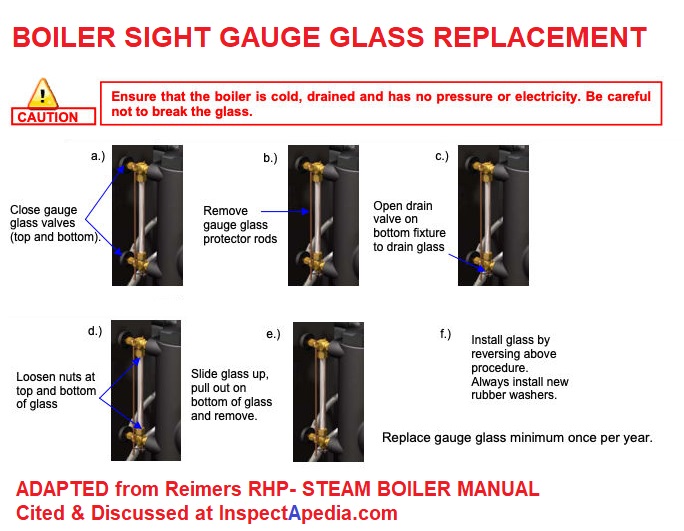
- Safety First: Turn off the boiler and allow it to cool completely before attempting any repairs. Relieve any pressure inside the boiler.
- Identify the Leak Source: Carefully inspect the sight glass, fittings, and gaskets to pinpoint the exact location of the leak.
- Tighten Fittings: If the leak is coming from a loose fitting, try tightening it with a wrench. Be careful not to overtighten, as this can damage the fitting.
- Replace Gaskets or Seals: If the gaskets or seals are worn or damaged, replace them with new ones of the correct size and material. Be sure to use gaskets designed for high-temperature steam applications.
- Replace the Sight Glass: If the sight glass itself is cracked or damaged, it needs to be replaced. Choose a replacement sight glass that is compatible with your boiler and rated for the appropriate pressure and temperature.
- Consider Professional Help: If you're not comfortable working on your boiler, or if the leak is severe, call a qualified HVAC technician. Working with steam systems can be dangerous, and it's best to leave complex repairs to the professionals.
Remember to consult your boiler's manual for specific instructions and safety precautions.
Preventing Sight Glass Leaks: Proactive Measures
Prevention is always better (and cheaper) than cure. Here's how to minimize the risk of sight glass leaks:
- Regular Inspections: Inspect your sight glass and fittings regularly (at least monthly) for signs of leaks. Early detection can prevent minor problems from becoming major ones.
- Water Treatment: Maintain proper water chemistry to prevent corrosion and scale buildup. Consult with a water treatment specialist to determine the best treatment program for your boiler.
- Proper Boiler Maintenance: Schedule regular boiler maintenance with a qualified HVAC technician. This includes inspecting and cleaning the boiler, checking the water level controls, and testing the safety devices.
- Use High-Quality Components: When replacing a sight glass or fittings, use high-quality components that are designed for high-temperature steam applications.
- Consider Smart Monitoring: Installing smart sensors that monitor water level and pressure can provide early warnings of potential problems, allowing you to address them before they escalate. Smart thermostats can also help optimize boiler operation and reduce energy consumption.
The ROI of Addressing Leaks: Energy Savings and More
Addressing a leaking sight glass offers a significant return on investment:
- Reduced Energy Bills: By eliminating steam leaks, you'll reduce your fuel consumption and lower your energy bills. The exact savings will depend on the size of the leak and the efficiency of your boiler, but even a small leak can cost you hundreds of dollars per year.
- Extended Boiler Lifespan: By preventing corrosion and other damage, you'll extend the lifespan of your boiler and avoid costly replacements.
- Improved Safety: Addressing steam leaks eliminates a potential safety hazard and protects your family or employees from burns.
- Increased Property Value: A well-maintained heating system can increase the value of your property.
Furthermore, many utility companies and government agencies offer rebates and incentives for energy-efficient upgrades, including boiler repairs and replacements. Check with your local utility company and the Energy Star program to see if you qualify for any rebates. Investing in efficient HVAC systems aligns with the broader trend of **sustainable living** and contributes to a smaller carbon footprint.
Integrating Smart Technology for Enhanced Boiler Monitoring
Modern technology offers advanced solutions for monitoring and managing your boiler's performance. Smart sensors and thermostats can provide real-time data on water level, pressure, and temperature, allowing you to detect potential problems early and optimize boiler operation. Integrating these technologies can further enhance the ROI of addressing a leaking sight glass.
For example, a smart sensor could detect a gradual drop in water level, indicating a potential leak. The system could then send an alert to your smartphone, allowing you to take action before the problem escalates. Similarly, a smart thermostat can optimize boiler firing cycles to reduce energy consumption and prevent overheating, further minimizing the risk of leaks.
Conclusion
A leaking steam boiler sight glass is a problem that demands prompt attention. By understanding the causes, consequences, and solutions, homeowners, businesses, and HVAC professionals can take proactive steps to prevent leaks, save energy, and ensure the safety and longevity of their steam heating systems. From regular inspections and proper water treatment to the integration of smart technology, a comprehensive approach is key to maintaining an efficient and reliable boiler.