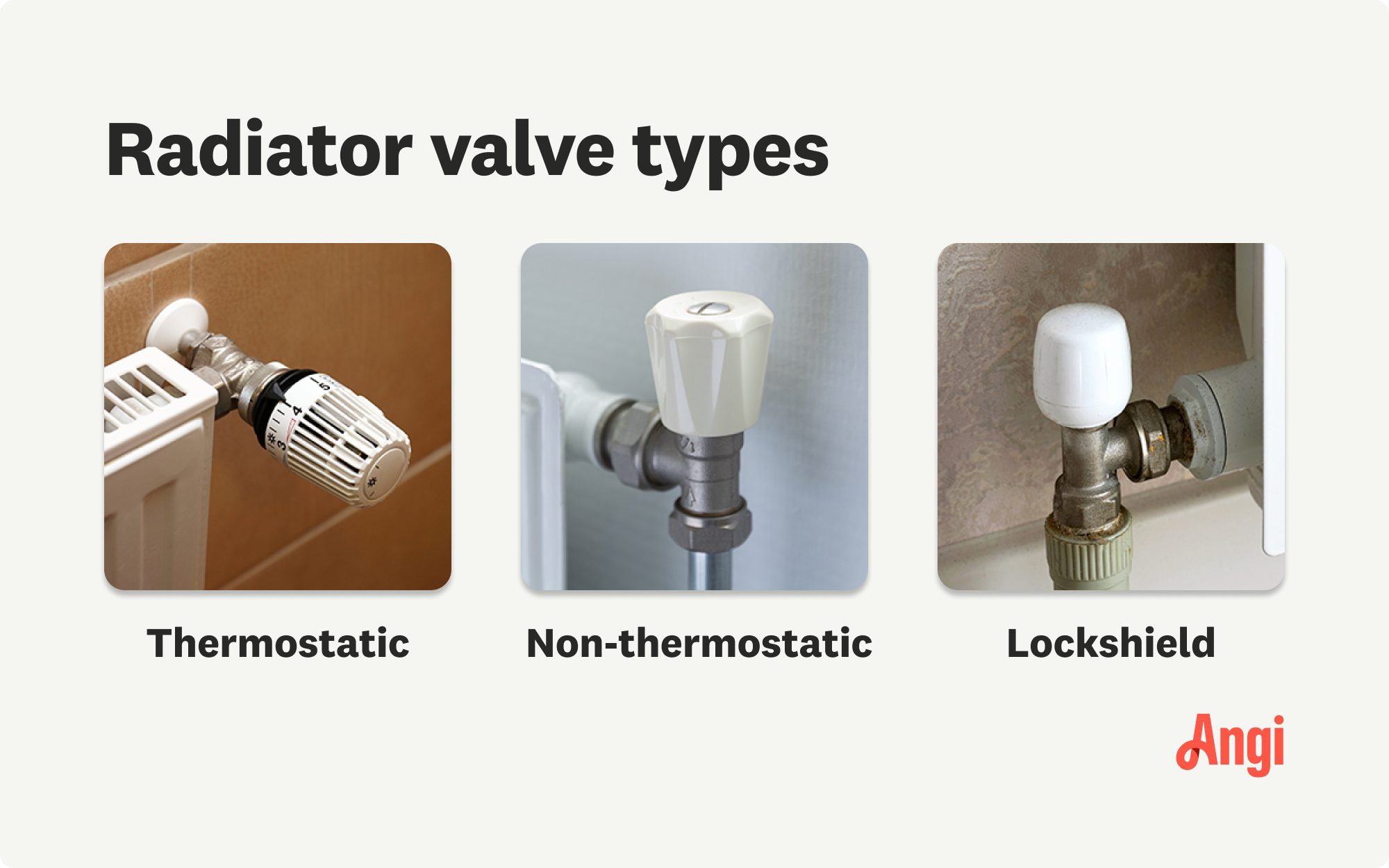
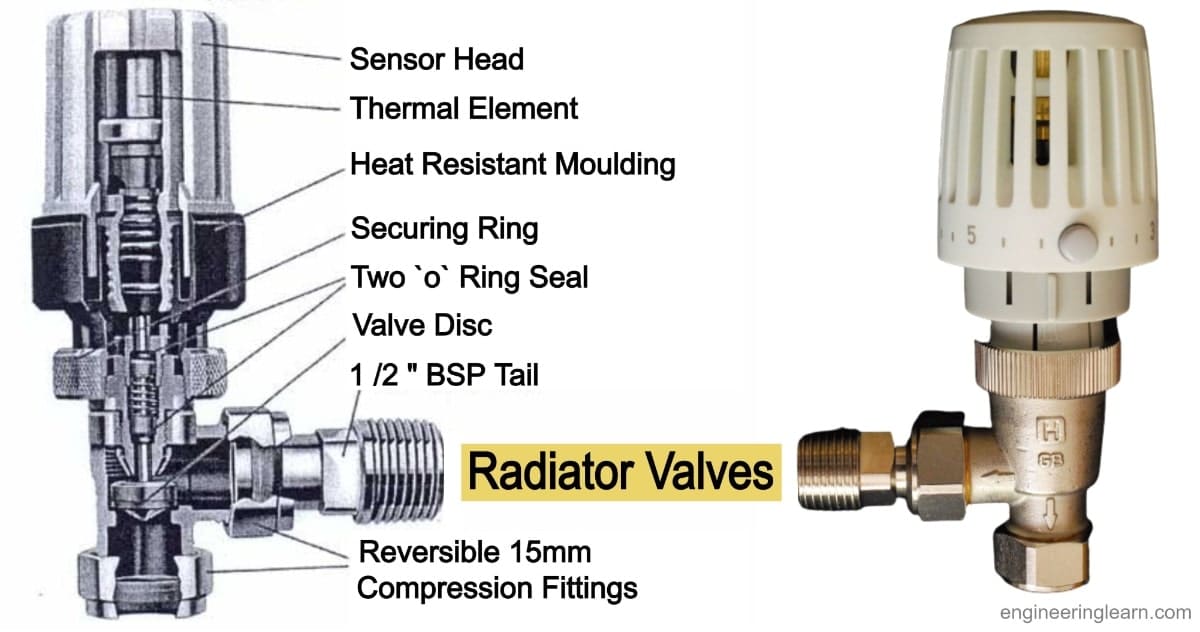
Steam Radiator Air Valve Types And Sizes
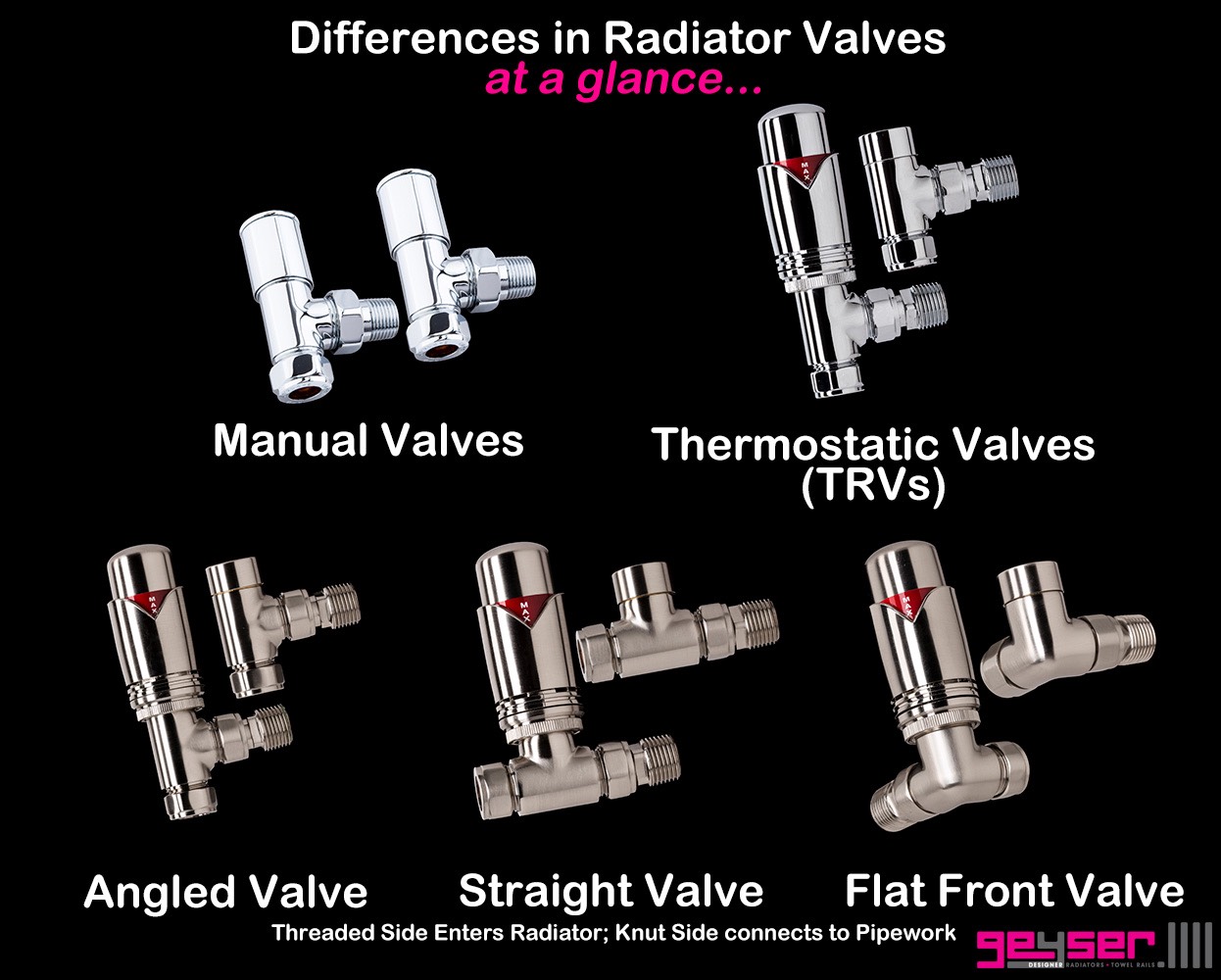
Steam radiators, while seemingly simple, rely on a small but crucial component for efficient heating: the air valve. Choosing the right air valve is vital for optimal performance, even heating, and preventing those annoying hissing noises. This guide will delve into the different types of steam radiator air valves, their sizes, and how to select the best one for your needs.
Understanding Steam Radiator Air Valves
Before diving into the types, let's understand the air valve's function. Steam radiators heat a room by circulating steam. As steam enters the radiator, it displaces the air within. The air valve's job is to release this air, allowing the steam to fill the radiator and efficiently radiate heat. A faulty or incorrect air valve can lead to cold spots, uneven heating, and increased energy consumption.
Key Functions of an Air Valve:
- Air Venting: Allows air to escape as steam enters.
- Steam Containment: Prevents steam from escaping once the radiator is full.
- Pressure Regulation: Helps maintain optimal pressure within the radiator.
Types of Steam Radiator Air Valves
Several types of air valves cater to different steam heating systems and radiator designs. Each has its advantages and disadvantages.
1. Adjustable Air Vents (Standard Air Vents)
These are the most common and generally the most affordable type. They feature an adjustable vent port, allowing you to control the rate at which air is released. This adjustment is beneficial for balancing heating throughout your system. A faster venting rate is suitable for radiators furthest from the boiler, while a slower rate is ideal for those closer.
Pros:
- Affordable and readily available.
- Adjustable venting rate for system balancing.
- Simple installation.
Cons:
- Can be prone to hissing noises if not properly adjusted.
- May require occasional adjustments to maintain optimal performance.
Example Brands/Models: Maid-O'-Mist, Hoffman Specialty.
2. Vacuum Air Vents
Vacuum air vents, sometimes called "quick vents," create a vacuum within the radiator after the steam cycle ends. This vacuum helps draw the steam back into the radiator faster when the next cycle begins, leading to quicker heating and more even heat distribution. They are often used in one-pipe steam systems.
Pros:
- Faster heating compared to standard air vents.
- Improved heat distribution.
- Can help reduce water hammer (banging pipes).
Cons:
- More expensive than standard air vents.
- May require more frequent replacement than standard vents.
Example Brands/Models: Gorton, Heat Timer.
3. Angle Air Vents
Angle air vents are designed for radiators where space is limited or where a straight vent would be obtrusive. They feature a 45-degree or 90-degree angle fitting, allowing the vent to be positioned away from walls or other obstructions.
Pros:
- Space-saving design.
- Versatile installation options.
Cons:
- May be slightly more expensive than straight air vents.
- Performance is generally the same as standard air vents.
4. Main Line Air Vents
While not directly attached to individual radiators, main line air vents are critical components of a steam heating system. These larger vents are installed on the main steam pipes in the basement or other areas to quickly vent air from the entire system. They are essential for ensuring that steam reaches all radiators efficiently.
Pros:
- Improved system-wide venting.
- Faster heat-up times for the entire system.
- Reduces pressure build-up in the main lines.
Cons:
- More expensive than individual radiator vents.
- Requires professional installation in most cases.
Example Brands/Models: Hoffman Specialty, Barnes & Jones.
5. Thermostatic Air Vents
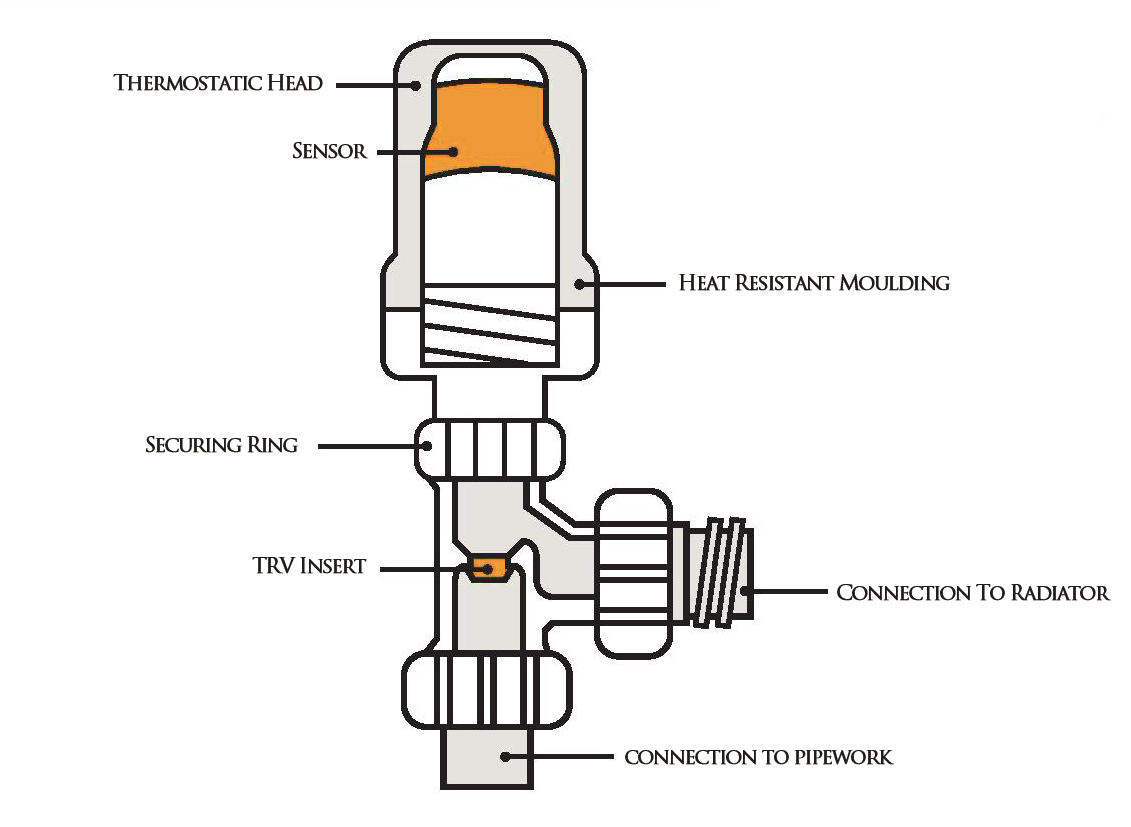
These vents use a thermostatic element to control the venting rate based on the temperature of the steam. They are designed to automatically adjust to changing system conditions, providing more consistent and efficient heating. They open when cold air needs to be vented and close when steam arrives.
Pros:
- Automatic adjustment for optimal performance.
- More consistent heating.
Cons:
- More expensive than standard air vents.
- May require more maintenance.
Air Valve Sizes and Thread Types
Choosing the correct size and thread type is crucial for a proper and leak-free installation. Air valves typically come in two common thread sizes:
- 1/8" NPT (National Pipe Thread): The most common size for residential steam radiators.
- 1/4" NPT: Less common, but found on some older radiators or in larger systems.
To determine the correct size, carefully measure the thread size of the existing air valve or the opening on the radiator. Use a thread gauge for accurate measurements. Incorrect sizing will lead to leaks and prevent proper operation.
Choosing the Right Air Valve
Selecting the best air valve depends on several factors:
- Type of Steam System: One-pipe or two-pipe system. Vacuum vents are generally preferred for one-pipe systems.
- Radiator Location: Radiators furthest from the boiler may benefit from faster-venting valves.
- Budget: Standard air vents are the most affordable option.
- Noise Sensitivity: Adjustable air vents can be fine-tuned to minimize hissing.
- Existing System Issues: If you're experiencing uneven heating, vacuum vents or adjustable vents might be a good solution.
Installation and Maintenance
Installing an air valve is a relatively simple task that most homeowners can handle. However, it's essential to follow these steps:
- Turn off the boiler: Allow the radiator to cool completely before removing the old valve.
- Remove the old valve: Use a wrench to carefully unscrew the old valve.
- Clean the threads: Remove any old sealant or debris from the radiator threads.
- Apply sealant: Apply Teflon tape or pipe dope to the threads of the new valve.
- Install the new valve: Screw the new valve into the radiator opening, tightening it securely with a wrench.
- Turn on the boiler: Check for leaks and adjust the venting rate if necessary.
Maintenance: Regularly inspect air valves for leaks or signs of corrosion. Clean the vent port with a small wire or needle if it becomes clogged. Replace valves that are damaged or no longer functioning properly.
Troubleshooting Common Problems
- Hissing Noises: Adjust the venting rate to a slower setting.
- Cold Radiators: Check if the air valve is clogged or faulty. Also, ensure that the main line vents are functioning properly.
- Water Leaks: Tighten the air valve or replace it if necessary. Ensure the correct thread size is used.
- Uneven Heating: Adjust the venting rates of individual radiators to balance the system. Consider vacuum vents for improved heat distribution.
Cost Considerations
The cost of steam radiator air valves varies depending on the type, brand, and size. Standard air vents typically range from $5 to $15 each. Vacuum air vents can cost $20 to $50 or more. Main line air vents can range from $50 to several hundred dollars, depending on the size and capacity. Keep in mind that the cost of professional installation may be required for main line vents or if you are uncomfortable performing the installation yourself.
When budgeting for air valve replacement, it's wise to replace all the valves in your system at the same time to ensure consistent performance and prevent future problems. Consider the long-term energy savings and improved comfort when evaluating the cost of different valve options.
Popular Brands
Several reputable brands manufacture high-quality steam radiator air valves. Some of the most popular include:
- Maid-O'-Mist: Known for their durable and reliable standard air vents.
- Hoffman Specialty: Offers a wide range of air vents, including vacuum vents and main line vents.
- Gorton Heating Corp: Specializes in high-performance vacuum air vents for improved heating efficiency.
- Heat Timer: Provides advanced thermostatic air vents for precise temperature control.
- Barnes & Jones: Offers durable and efficient main line air vents for larger steam systems.
When choosing a brand, consider the warranty offered, customer reviews, and the specific needs of your system.
Conclusion
Selecting the right steam radiator air valve is essential for maximizing the efficiency and comfort of your steam heating system. By understanding the different types of valves, their sizes, and their applications, you can make an informed decision that will improve your heating performance and save you money on energy costs. Remember to properly install and maintain your air valves to ensure long-lasting and reliable operation. Consulting with a qualified HVAC professional can also provide valuable guidance in selecting the best air valves for your specific needs.


:max_bytes(150000):strip_icc()/Steam-radiator-air-vents-1824733_final-61b1ca142f9346e6af3595f9a59dd8ce.png)